


For Libyan manufacturers across food, pharmaceuticals, and industrial sectors, sourcing high-quality sunflower lecithin is a strategic decision that directly impacts product consistency, processing efficiency, and market competitiveness. Lecithin acts as an emulsifier, dispersant, and functional ingredient, making it indispensable in chocolate, bakery, confectionery, nutritional supplements, and cosmetic formulations. Choosing a reliable sunflower lecithin supplier ensures uninterrupted production and quality assurance across your manufacturing processes.
We at MT Royal have extensive experience providing premium sunflower lecithin to factories throughout Libya. Our partnerships demonstrate that a trustworthy supplier is more than a vendor—it is a key partner in achieving efficiency, regulatory compliance, and superior product outcomes.
Understanding Sunflower Lecithin and Its Industrial Value
Sunflower lecithin is extracted from sunflower seeds and naturally non-GMO, offering a clean-label alternative to soy lecithin. Its unique phospholipid profile provides excellent emulsifying, dispersing, and stabilizing properties suitable for various industrial applications.
Key Functional Benefits
- Emulsification: Creates stable oil-in-water and water-in-oil systems in chocolates, dressings, and sauces.
- Texture Improvement: Enhances dough handling, reduces mixing energy, and improves bread volume.
- Anti-Sticking: Prevents sticking in chocolate, confectionery, and capsules.
- Nutritional Support: Adds functional phospholipids that improve bioavailability in nutraceutical products.
In Libya, manufacturers using MT Royal’s sunflower lecithin have reported improvements in chocolate flow properties, uniform coating thickness, and overall product stability, illustrating the direct impact of lecithin quality on production.

Forms and Grades of Sunflower Lecithin
Liquid Lecithin
- Easily integrates into chocolate, margarine, sauces, and baked goods
- Offers uniform distribution and reliable emulsification
- Reduces processing time in continuous production lines
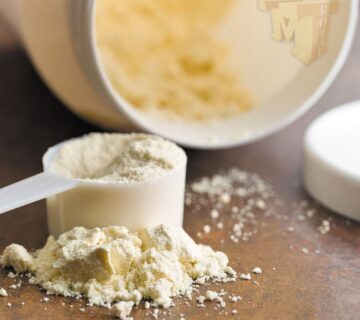
Powdered Lecithin
- Ideal for dry mixes, instant beverages, and dietary supplements
- Long shelf life and easy handling in large-scale industrial setups
- Allows precise dosing and optimal solubility in water or oil systems
We have found that Libyan factories often select lecithin type based on product formulation, processing temperature, and storage capacity to optimize efficiency and maintain product quality.
Common Mistakes in Industrial Procurement
Even experienced production teams can encounter challenges if lecithin procurement is not strategically managed:
- Overemphasis on Cost: Low-priced lecithin may contain inconsistent phospholipid levels, impacting emulsification and final product quality.
- Neglecting Documentation: Certificates of Analysis (COA), Material Safety Data Sheets (MSDS), and regulatory compliance documents are critical for quality assurance.
- Improper Storage: Liquid lecithin requires cool, dark storage; powdered forms need airtight, moisture-resistant packaging.
- Ignoring Supplier Expertise: Without guidance on dosage, compatibility, and processing, factories risk operational inefficiencies.
We have observed that factories partnering with MT Royal benefit from comprehensive technical support, ensuring both high-quality lecithin and process optimization.
Industrial Applications of Sunflower Lecithin in Libya
Food and Beverage
Sunflower lecithin is vital in chocolate, margarine, bakery, and powdered beverage production. Its emulsifying properties improve product texture, reduce mixing time, and enhance shelf stability. A Tripoli-based bakery reported smoother dough handling and improved uniformity when integrating MT Royal’s sunflower lecithin.
Pharmaceuticals and Nutraceuticals
Lecithin enhances solubility and bioavailability of active ingredients in capsules, tablets, and powders. High-purity sunflower lecithin ensures consistent performance, uniform dosage, and regulatory compliance in Libyan pharmaceutical manufacturing.
Industrial and Cosmetic Applications
Lecithin’s dispersing and anti-sticking properties are also valuable in paint, coatings, lubricants, and cosmetic formulations. Consistent phospholipid content ensures predictable viscosity, smooth mixing, and stable emulsions.
Technical Considerations for Large-Scale Production
For industrial efficiency, manufacturers should assess:
- Phospholipid Concentration: Critical for emulsification efficiency and viscosity control
- Moisture Level: Excess moisture affects powder flow, stability, and microbial growth
- Storage Temperature: Lecithin is sensitive to heat and light, which can degrade quality
- Particle Size & Solubility: Impacts mixing efficiency and final product texture
Libyan confectionery factories have reported that MT Royal’s guidance on optimal lecithin concentration reduced production downtime and improved chocolate consistency, demonstrating the value of supplier expertise.
Procurement Strategies and Storage Best Practices
To maintain production continuity:
- Forecast Demand Accurately: Avoid shortages or excess stock
- Implement Proper Storage: Cool, dark conditions for liquid lecithin; airtight, moisture-resistant containers for powders
- Partner with Experienced Suppliers: MT Royal ensures reliable delivery, batch verification, and technical support
We have observed that factories implementing supplier recommendations on storage, handling, and rotation protocols achieve consistent lecithin quality and reduce operational inefficiencies.
Frequently Asked Questions by Factory Managers in Libya
Q1: Which sunflower lecithin grade is suitable for my production?
Check COA, phospholipid content, and consult your supplier about liquid versus powdered forms.
Q2: How should sunflower lecithin be stored to maximize shelf life?
Liquid lecithin should be stored in cool, dark conditions; powdered lecithin in airtight, moisture-proof packaging.
Q3: Can lecithin quality affect product texture and shelf life?
Yes. Poor emulsifying properties or impurities can compromise flavor, texture, and overall product stability.
Q4: How do I manage procurement for high-volume production?
Forecast demand accurately, maintain buffer stock, and collaborate with suppliers experienced in industrial logistics.
Q5: Is there a difference between soy and sunflower lecithin in functionality?
Yes. Sunflower lecithin is naturally non-GMO, with a different phospholipid profile; suitability depends on your application.
Market Trends and Strategic Insights
The Libyan market for sunflower lecithin is influenced by:
- Growing demand in bakery, chocolate, and beverage sectors
- Increasing use in pharmaceuticals and nutraceuticals
- Regulatory focus on non-GMO labeling and food safety
- Volatility in sunflower oil prices affecting supply chain
Factories that collaborate with experienced suppliers like MT Royal gain competitive advantages through consistent product quality, local inventory availability, and technical expertise.
Why MT Royal is a Leading Sunflower Lecithin Supplier in Libya
MT Royal stands out for reliability, quality, and industrial knowledge:
- Verified high-purity sunflower lecithin in liquid and powdered forms
- Transparent pricing and competitive rates
- Local presence in Libya for prompt delivery and batch verification
- Technical guidance on application, storage, and process optimization
We have supported Libyan manufacturers in achieving consistent product quality, reducing production inefficiencies, and improving final product stability, proving the value of a reliable supplier partnership.
Key Takeaways for Industrial Manufacturers
Sunflower lecithin is a multifunctional ingredient critical for product stability, processing efficiency, and market competitiveness. By choosing the right supplier:
- Ensure uninterrupted production and quality consistency
- Achieve optimal emulsification, texture, and solubility
- Comply with regulatory requirements and maintain traceability
- Optimize cost efficiency and operational performance
Treating lecithin procurement as a strategic partnership allows manufacturers in Libya to streamline operations, maintain product quality, and secure a competitive advantage in local and regional markets.

No comment