

In the Libyan manufacturing sector, sourcing high-quality citric acid is a strategic decision that impacts product quality, process efficiency, and cost-effectiveness. From food and beverages to pharmaceuticals, cosmetics, and industrial applications, citric acid serves as a multifunctional ingredient that is essential for pH control, chelation, flavor enhancement, and preservation.
Partnering with a reliable citric acid supplier ensures uninterrupted production, consistent quality, and technical guidance. We at MT Royal have extensive experience supplying citric acid to Libyan factories, helping manufacturers optimize their formulations, streamline production, and maintain compliance with industry standards.
Understanding Citric Acid and Its Industrial Importance
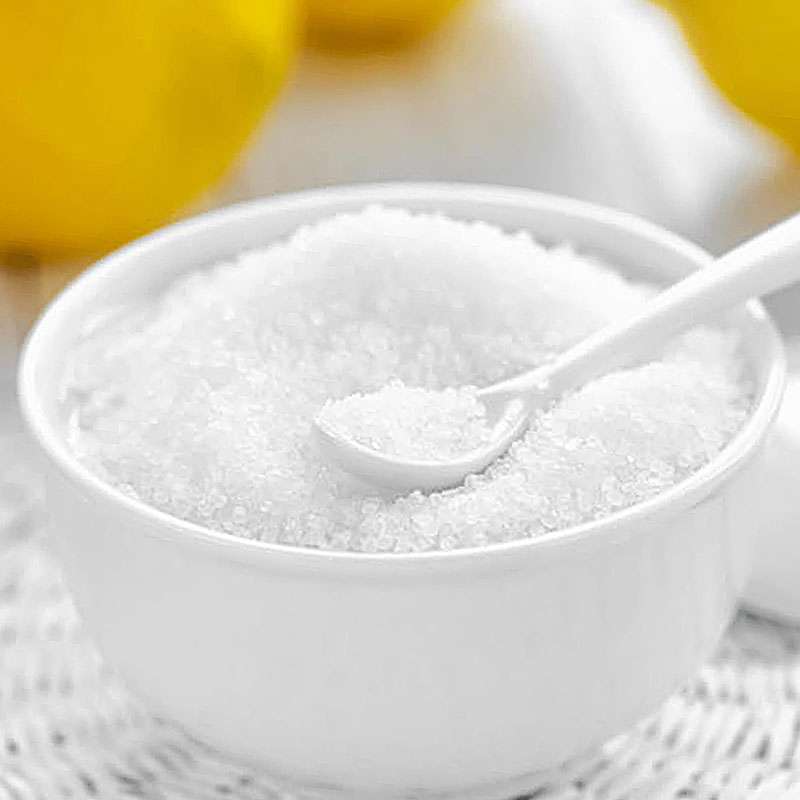
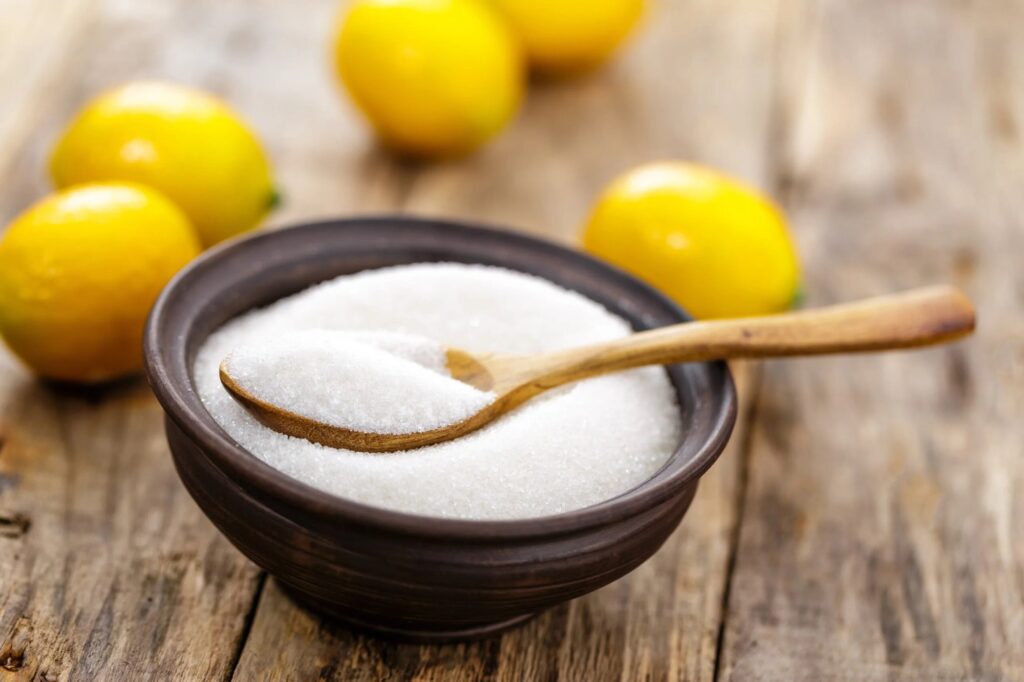
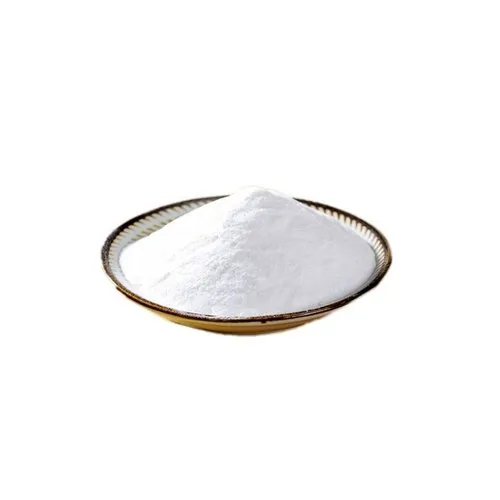
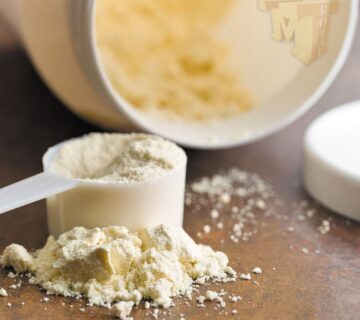
Citric acid is an organic acid naturally found in citrus fruits, though industrial production is mostly done via microbial fermentation using Aspergillus niger. It is a white, crystalline powder with a sour taste and high solubility in water. Its applications in manufacturing are vast and include:
- pH Control: Adjusting acidity in beverages, dairy, and chemical formulations.
- Chelation: Binding metals to prevent oxidation and discoloration in foods and cosmetics.
- Flavor Enhancement: Enhances tartness and balances sweetness in confectionery, juices, and sauces.
- Preservation: Inhibits microbial growth and extends shelf life in foods and pharmaceuticals.
Libyan beverage manufacturers, for instance, rely on high-purity citric acid from MT Royal to maintain consistent acidity and taste profile in juices and soft drinks.
Forms and Grades of Citric Acid
Citric acid is supplied in different forms to meet industrial requirements:
Anhydrous Citric Acid
- High purity, low moisture, ideal for dry mixes and powdered beverages.
- Provides consistent dissolution and accurate dosing in large-scale production.
Monohydrate Citric Acid
- Contains one molecule of water of crystallization.
- Commonly used in beverages, dairy products, and some pharmaceutical applications.
We have observed that Libyan manufacturers choose the appropriate grade based on solubility requirements, product formulation, and storage capacity.
Common Mistakes in Industrial Procurement
Even experienced procurement teams face challenges if citric acid sourcing is not properly managed:
- Ignoring Purity Levels: Low-purity citric acid can introduce contaminants that affect product quality and stability.
- Neglecting Certificates: Certificates of Analysis (COA) and Material Safety Data Sheets (MSDS) are essential for compliance and traceability.
- Improper Storage: Citric acid is hygroscopic and must be stored in airtight containers away from moisture and heat.
- Overlooking Supplier Expertise: Suppliers with technical knowledge can provide guidance on dosage, solubility, and formulation compatibility, reducing process inefficiencies.
We have seen that factories partnering with MT Royal benefit from verified quality, proper documentation, and guidance that ensures smooth production operations.
Industrial Applications of Citric Acid in Libya
Food and Beverage Industry
Citric acid is widely used for:
- Beverages: Soft drinks, juices, and flavored waters to control pH and enhance taste.
- Confectionery: Gummies, candies, and jellies to provide tartness and preserve freshness.
- Dairy Products: Cheese, yogurt, and desserts for acidity adjustment and stabilization.
Libyan manufacturers report improved taste consistency, longer shelf life, and better process control when using MT Royal’s citric acid.
Pharmaceutical and Nutraceutical Industry
- Citric acid acts as a pH adjuster, buffering agent, and excipient in tablets, syrups, and powders.
- Enhances solubility and stability of active ingredients.
Cosmetic and Industrial Applications
- Used in creams, lotions, shampoos, and detergents for pH control and chelation of metal ions.
- In industrial processes, citric acid is employed to prevent scale formation, clean metals, and act as a chelating agent in coatings and paints.
Technical Considerations for Large-Scale Production
Manufacturers should consider the following:
- Purity and Moisture Content: Determines solubility, process efficiency, and product stability.
- Particle Size: Affects mixing, dissolution, and homogeneity in dry and liquid formulations.
- Storage Conditions: Airtight containers in cool, dry areas prevent caking and degradation.
- Regulatory Compliance: Food-grade citric acid must meet Libyan and international standards for safety and labeling.
We have seen factories that implement these best practices achieve consistent product quality and reduce downtime during high-volume production.
Procurement Strategies for Citric Acid in Libya
To optimize procurement:
- Accurate Demand Forecasting: Prevent shortages and overstock.
- Buffer Stock Maintenance: Ensure uninterrupted supply for continuous production lines.
- Supplier Selection: Collaborate with suppliers like MT Royal, who provide verified quality, competitive pricing, and technical support.
These strategies not only reduce operational risks but also enhance production efficiency and product consistency.
Frequently Asked Questions by Factory Managers in Libya
Q1: Which citric acid grade is suitable for my production?
Check the Certificate of Analysis (COA) for purity, moisture content, and solubility. Consult your supplier regarding anhydrous vs. monohydrate forms.
Q2: How should citric acid be stored for maximum shelf life?
Store in cool, dry conditions in airtight containers to prevent moisture absorption and caking.
Q3: Can citric acid quality affect product stability?
Yes. Impurities or improper solubility can alter pH, flavor, and texture, compromising shelf life and quality.
Q4: How do I manage procurement for large-scale operations?
Forecast demand accurately, maintain buffer stock, and partner with experienced suppliers like MT Royal for reliable delivery and technical support.
Q5: Are there differences in food-grade vs. industrial-grade citric acid?
Yes. Food-grade citric acid meets stringent safety and purity standards, while industrial-grade may contain higher impurities suitable for cleaning and non-food applications.
Market Trends and Insights
The Libyan citric acid market is influenced by:
- Growing demand in beverage, confectionery, and dairy sectors
- Increasing use in pharmaceuticals, cosmetics, and cleaning industries
- Rising preference for high-purity and non-GMO citric acid
- Global price fluctuations in raw materials affecting supply and cost
Factories that source from MT Royal benefit from stable supply, competitive pricing, and expert technical guidance, ensuring smooth operations and high-quality end products.
Why MT Royal is a Trusted Citric Acid Supplier in Libya
MT Royal offers:
- High-quality citric acid in anhydrous and monohydrate forms
- Transparent and competitive pricing
- Verified quality with COA and MSDS documentation
- Technical guidance for formulation, storage, and large-scale production
We have helped Libyan manufacturers achieve optimal acidity in beverages, improve candy texture, and stabilize dairy products efficiently and reliably.
Key Takeaways for Industrial Manufacturers
Citric acid is more than a simple additive; it is a multifunctional ingredient that impacts product stability, taste, and production efficiency. Partnering with a reliable supplier ensures:
- Consistent quality and uninterrupted supply
- Optimized production processes and product performance
- Compliance with regulatory standards and traceability requirements
- Cost-effective sourcing and operational efficiency
Strategic sourcing transforms citric acid procurement into a competitive advantage, allowing Libyan manufacturers to enhance product quality and maintain production continuity.


No comment