

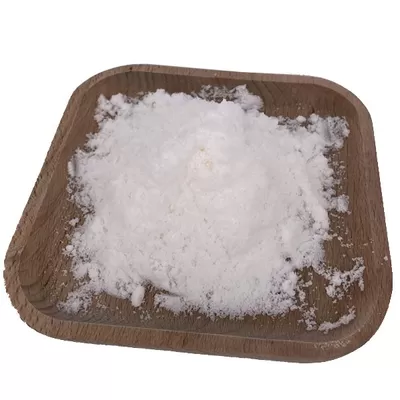
In industrial food processing, precision in ingredient quality defines the outcome. Whether your facility specializes in meat preservation, flavor enhancement, or color stabilization, Sodium Nitrite (Food Grade) is one of those essential compounds that bridge science with sensory appeal. Known for its dual function as a preservative and color fixative, Sodium Nitrite E250 plays a critical role in extending product shelf life, preventing microbial contamination, and maintaining the desirable reddish hue in processed meats.
At MT Royal, we provide bulk food-grade sodium nitrite sourced from certified producers who adhere to the highest standards of purity, safety, and compliance. For manufacturers seeking consistency, technical documentation, and dependable supply chains, our expertise helps bridge procurement efficiency with product integrity.
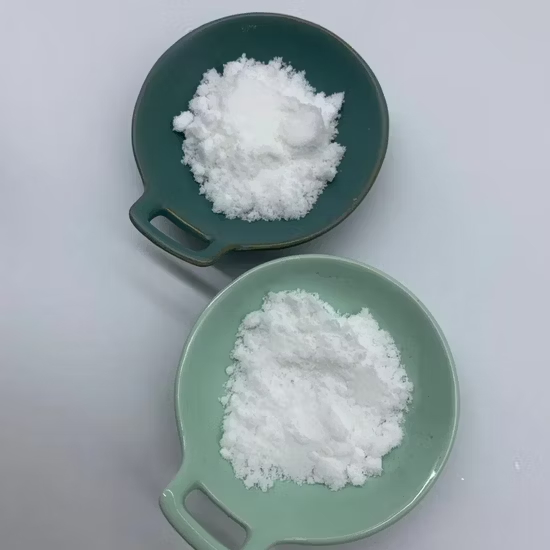
Sodium Nitrite (NaNO₂) is a white to slightly yellow crystalline salt with excellent solubility in water. In food processing, it is classified as E250, a preservative and curing agent. Its main functions include:
- Inhibiting bacterial growth, especially Clostridium botulinum (the bacterium responsible for botulism)
- Stabilizing color in cured meats by forming nitrosomyoglobin, which provides the characteristic pink tone
- Enhancing flavor, giving cured products their distinctive taste profile
The Chemistry Behind Its Function
When sodium nitrite is introduced into meat or poultry formulations, it reacts with myoglobin in the presence of mild acidity to produce nitric oxide. This reaction locks in the pink color and inhibits oxidation — effectively delaying spoilage and rancidity. The result is safer, longer-lasting, and visually appealing food products that meet both industrial and consumer expectations.
Applications in the Food Industry
Food-grade sodium nitrite is indispensable in several industrial sectors. Below are its major applications:
1. Meat and Poultry Processing
Sodium nitrite is primarily used for curing meats such as:
- Sausages
- Bacon
- Ham
- Hot dogs
- Corned beef
Its antibacterial and antioxidant properties ensure product stability throughout distribution, particularly for chilled or vacuum-packed goods.
2. Seafood Industry
Used in smoked and preserved fish, sodium nitrite helps maintain color uniformity and prevents oxidative degradation.
3. Ready-to-Eat and Processed Foods
Modern ready-to-eat (RTE) meals often rely on sodium nitrite to extend shelf life, allowing stable transport over long distances while maintaining taste and safety.
4. Animal Feed and Additives
In small regulated doses, it can also serve in feed preservation to prevent microbial growth, though this use varies by region and requires specific certifications.
Industrial-Scale Considerations
When procuring sodium nitrite for large-scale food operations, manufacturers must focus on several key factors that influence performance, compliance, and cost-efficiency.
1. Purity and Grade
Always opt for minimum 99% purity food-grade sodium nitrite. Technical or industrial grades are not suitable for edible applications and can result in regulatory non-compliance.
2. Compliance and Certification
Look for suppliers offering:
- ISO 9001 / HACCP certifications
- Halal and Kosher approvals
- COA (Certificate of Analysis) for each batch
- Safety Data Sheets (MSDS)
MT Royal ensures every lot of sodium nitrite we deliver comes with complete certification and traceability.
3. Handling and Storage Safety
Sodium nitrite, while safe within food-grade limits, requires careful storage:
- Keep in cool, dry environments away from direct sunlight.
- Avoid contact with organic materials or reducing agents.
- Store in tightly sealed packaging, preferably 25 kg HDPE-lined bags.
These practices prevent degradation and contamination, protecting your production line from avoidable quality losses.
Common Procurement Mistakes in the Food Industry
Even established procurement teams occasionally overlook critical aspects when sourcing sodium nitrite. Some of the most common issues include:
- Buying Non-Food Grades: Industrial sodium nitrite for chemical use is cheaper but unsuitable for food processing.
- Ignoring Moisture Control: Exposure to humidity decreases active concentration.
- Not Requesting Batch COA: Batch consistency ensures performance across production cycles.
- Failure to Review Regulations: Country-specific limits for nitrite levels vary, and non-compliance can cause recalls or rejections.
- Overlooking Supplier Reliability: Working with uncertified traders increases the risk of delayed shipments and inconsistent purity.
We’ve seen factories suffer from sudden disruptions simply because the procurement process didn’t emphasize supplier credibility.
Why MT Royal Is a Trusted Bulk Supplier
With years of experience serving food and beverage manufacturers, MT Royal understands the complexity of ingredient sourcing. Our approach prioritizes long-term relationships, traceability, and technical support rather than one-off transactions.
What Sets Us Apart:
- Direct partnerships with certified sodium nitrite producers
- Consistent supply chain management for large-volume clients
- Competitive bulk pricing without compromising quality
- Comprehensive documentation with COA, MSDS, and regulatory compliance files
- Technical assistance for formulation and dosage optimization
We have seen many of our industrial partners transition from fragmented sourcing to streamlined, cost-efficient procurement through our integrated model.
Safety and Regulatory Framework
The Codex Alimentarius, FDA, and EFSA have established specific limits for sodium nitrite use in food. When applied responsibly, it poses no risk to consumers and plays a vital role in food safety.
- Acceptable Daily Intake (ADI): 0–0.07 mg/kg body weight
- Typical Use Levels: 50–150 ppm depending on food type
- Legal Compliance: Every region (EU, US, GCC, etc.) defines maximum nitrite levels per product category
Food technologists must ensure dosage control to maintain compliance with both safety and sensory outcomes.
Technical Specifications
| Parameter | Specification |
|---|---|
| Appearance | White to slightly yellow crystalline powder |
| Purity (NaNO₂) | ≥ 99.0% |
| Insoluble Matter | ≤ 0.02% |
| Moisture | ≤ 1.0% |
| pH (10% Solution) | 7–9 |
| Solubility | Freely soluble in water |
| Packaging | 25 kg HDPE bags with PE inner liner |
| Certification | Food Grade, ISO, Halal, Kosher |
These parameters ensure uniform reactivity and stability across all batches — essential for large-scale food formulations.
Optimizing Sodium Nitrite Usage in Industrial Formulations
Proper integration of sodium nitrite into your production line ensures consistent results. Key operational tips include:
- Use Automated Dosing Systems: Manual mixing can lead to uneven distribution.
- Blend with Curing Salts: Combining with sodium chloride ensures uniform dispersion.
- Validate Batch Testing: Monitor nitrite content in final product via colorimetric analysis.
- Train Handling Teams: Emphasize personal safety and cross-contamination prevention.
- Integrate Quality Control (QC): Routine sampling from storage tanks to verify concentration stability.
Factories that implement these protocols achieve more predictable outcomes, reduced rework, and improved compliance with food inspection authorities.
Frequently Asked Questions
Q1. Is food-grade sodium nitrite the same as curing salt?
Not exactly. Curing salt is typically a blend of sodium nitrite and sodium chloride. Sodium nitrite is the active component providing preservation and color retention.
Q2. What is the difference between sodium nitrite and sodium nitrate?
Sodium nitrate (NaNO₃) converts to sodium nitrite during curing. However, sodium nitrite acts faster and more directly in processed meats.
Q3. Can sodium nitrite be used in organic products?
Most organic certification bodies restrict synthetic nitrites, though some natural sources (like celery powder) are used as alternatives.
Q4. Does sodium nitrite affect taste?
When used within approved limits, it enhances the characteristic cured flavor without imparting bitterness.
Q5. How should large-scale buyers ensure safety during handling?
Implement controlled ventilation, avoid direct skin contact, and store separately from acids or combustible substances.
Market Trends and Future Outlook
The global sodium nitrite market continues to expand, driven by both food safety demands and regulatory advancements. Emerging trends include:
- Reduced-nitrite formulations: Manufacturers seek lower concentrations while maintaining shelf stability.
- Clean-label preservation technologies: Combining nitrites with antioxidants and natural extracts.
- Regional certification alignment: Harmonization of Halal, Kosher, and ISO standards across export markets.
- Digital procurement: Factories increasingly prefer suppliers offering transparent, traceable digital documentation — a model already practiced by MT Royal.
These shifts reflect a broader industry trend: prioritizing safety, efficiency, and consumer trust without compromising production scale.
The MT Royal Commitment
We understand that your production timelines and regulatory audits leave no room for uncertainty. That’s why our sodium nitrite supply chain emphasizes:
- Guaranteed purity and safety verification
- Batch traceability from production to delivery
- Dedicated account support for procurement managers
- Global logistics solutions for uninterrupted availability
Through collaboration with MT Royal, manufacturers gain predictable performance and peace of mind knowing their ingredients meet every technical and compliance benchmark.


No comment