

The global food and beverage industry is shifting rapidly toward healthier, sugar-free alternatives — and at the center of this transformation stands Sucralose Food Grade. As consumers increasingly demand low-calorie, diabetic-friendly, and stable sweeteners, manufacturers are turning to sucralose for its unique balance of sweetness, stability, and safety.
At MT Royal, we understand how crucial ingredient consistency and quality are for large-scale food manufacturers. Our long-standing experience in importing and distributing food-grade sucralose in bulk allows us to support a wide range of production lines — from beverages and dairy to baked goods and pharmaceuticals. For purchasing managers and factory operators seeking both quality assurance and supply reliability, sucralose is more than just a sweetener; it’s a strategic ingredient.
What Is Sucralose Food Grade?
Sucralose (chemical formula C12H19Cl3O8) is a zero-calorie artificial sweetener derived from sugar through a chlorination process that replaces three hydroxyl groups on the sucrose molecule with chlorine atoms. This modification prevents the body from metabolizing sucralose for energy, resulting in a sweet taste without the calories of sugar.
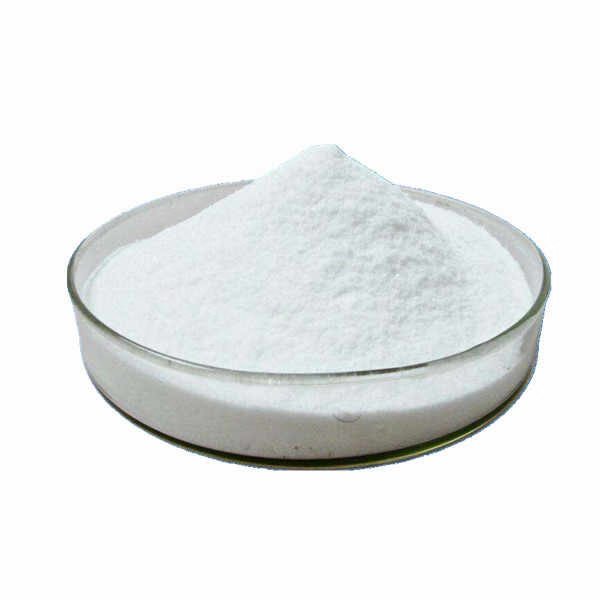
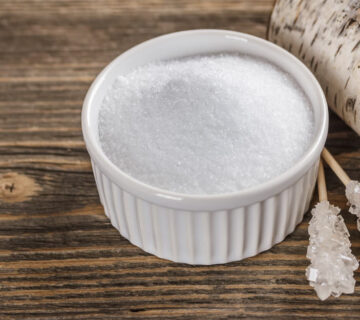
Food-grade sucralose is a white, crystalline powder with high purity, free from contaminants, and manufactured under rigorous safety standards such as ISO, HACCP, and GMP. Because it is 600 times sweeter than sucrose, only minute quantities are needed to achieve the same sweetness, reducing formulation costs and caloric load in final products.
Key Properties of Sucralose in Industrial Formulations
For any food technologist or product developer, understanding the physical and chemical characteristics of sucralose is essential to achieving consistent flavor and shelf-life performance.
1. High Heat Stability
Unlike aspartame or stevia, sucralose maintains its sweetness during baking, pasteurization, and long-term storage. This makes it an ideal choice for baked goods, sauces, canned fruits, and hot beverages.
2. pH Versatility
Sucralose remains stable across a wide pH range (3–8), enabling its use in acidic beverages, yogurts, and even neutral pH applications like protein shakes or desserts.
3. Excellent Water Solubility
This property ensures uniform dispersion throughout production, essential for liquid processing and batch consistency.
4. Synergistic Effects with Other Sweeteners
When combined with acesulfame potassium (Ace-K) or aspartame, sucralose enhances perceived sweetness and masks off-notes, allowing for lower total sweetener usage.
Why Manufacturers Prefer Sucralose Food Grade
Long Shelf Life and Product Stability
Industrial manufacturers favor sucralose for its resistance to degradation under heat, light, and acidic environments. This extends the shelf life of final products and minimizes quality variability across batches.
Minimal Aftertaste
One of the main advantages of sucralose over other artificial sweeteners is its clean, sugar-like taste without a lingering metallic or bitter note. This feature makes it suitable for premium beverages, dairy products, and chewing gums where flavor integrity is paramount.
Cost Efficiency in Formulation
Though sucralose has a higher price per kilogram compared to sugar, its extreme sweetness intensity means only a fraction of it is used, reducing overall production costs. For example, replacing 1,000 kg of sugar might require only 2 kg of sucralose in an equivalent formulation.
Calorie-Free and Health-Focused Demand
With global consumers paying closer attention to calorie intake and glycemic index, food producers can use sucralose to position their products as low-calorie, sugar-free, or diabetic-safe, without compromising flavor.
Common Industrial Applications of Food Grade Sucralose
1. Beverage Manufacturing
Soft drinks, flavored waters, and energy beverages frequently rely on sucralose for sweetness retention under acidic and pasteurized conditions. Unlike other sweeteners, sucralose does not degrade in acidic pH or high temperatures during bottling.
2. Bakery and Confectionery
Biscuit, cookie, and chocolate manufacturers use sucralose for controlled sweetness and calorie reduction while maintaining browning and texture integrity.
3. Dairy and Yogurt Production
Because sucralose is heat-stable and resistant to fermentation by lactic acid bacteria, it’s ideal for yogurts, ice creams, flavored milk, and custards.
4. Pharmaceutical and Nutraceutical Industries
Sucralose is widely used in sugar-free syrups, chewable tablets, and dietary supplements, providing palatability without impacting medicinal effectiveness.
5. Processed Foods and Sauces
Its resistance to pH variation allows its use in ketchup, salad dressings, jams, and marinades, where other sweeteners might degrade.
Common Mistakes in Industrial Procurement
Even experienced procurement managers sometimes overlook subtle yet critical factors when sourcing sucralose.
- Ignoring Certificate Authenticity – Always verify COA, MSDS, and Halal/Kosher certifications from legitimate producers. Counterfeit additives are unfortunately common in some markets.
- Focusing Solely on Price – A cheaper sucralose source might lead to off-flavors, inconsistency, or contamination, resulting in costly production downtime.
- Neglecting Particle Size and Purity – Variations in granule size affect mixing speed and solubility. Manufacturers should specify the required mesh size and moisture content before ordering.
- Overlooking Packaging Conditions – Sucralose must be stored in moisture-proof, UV-resistant bags. Improper packaging can lead to caking or potency loss.
Technical Insights: How Sucralose Performs in Formulation
Sucralose’s chemical resilience comes from the chlorine substitution process, which increases its resistance to hydrolysis and oxidation. This means that even under tough conditions — such as retort sterilization (121°C) or extended storage — its sweetness remains intact.
When dissolved, it produces non-reactive solutions that do not participate in Maillard reactions or caramelization, ensuring color stability in beverages and syrups. This attribute allows food engineers to design visually appealing products without unwanted browning or flavor shifts.
Comparing Sucralose with Other Artificial Sweeteners
| Sweetener | Sweetness vs Sugar | Heat Stability | Taste Profile | Cost Efficiency | Solubility |
|---|---|---|---|---|---|
| Sucralose | 600x | Excellent | Clean, sugar-like | High | Excellent |
| Aspartame | 200x | Poor | Sweet, but unstable | Medium | Moderate |
| Acesulfame-K | 200x | Excellent | Slightly bitter | High | Excellent |
| Stevia | 250x | Good | Slight bitterness | Medium | Good |
| Saccharin | 300x | Excellent | Metallic aftertaste | High | Excellent |
This table highlights why sucralose dominates modern formulations: it offers a blend of performance, taste, and safety that few competitors can match.
Why Global Buyers Choose MT Royal as a Bulk Supplier
We at MT Royal have observed that manufacturers often struggle to balance product quality, regulatory compliance, and price stability. That’s why our sourcing process focuses on verified production plants, international-grade documentation, and consistent logistics support.
1. Guaranteed Purity and Certification
All our sucralose products are tested to meet FCC, BP, and EU specifications, with Halal, Kosher, and ISO certifications available for each shipment.
2. Reliable Bulk Availability
We maintain a robust supply chain to ensure consistent availability for high-volume buyers and long-term contracts, reducing procurement risks.
3. Competitive Pricing Structure
Through direct partnerships with top-tier Chinese and international producers, we minimize intermediary costs while maintaining uncompromised quality.
4. Tailored Solutions for Large Manufacturers
We assist clients in matching sucralose specifications to their production needs — whether you operate in beverage bottling, confectionery, or nutraceutical blending.
Industrial Tips for Large-Scale Use
- Monitor Storage Temperature: Keep below 25°C with <50% relative humidity to prevent clumping.
- Calibrate Dispensing Equipment: Even small miscalculations in sweetener dosing can alter flavor profiles.
- Blend with Other Sweeteners for Balance: Combine sucralose with maltitol or Ace-K to mimic sugar’s mouthfeel.
- Test Compatibility with Flavor Systems: Certain natural extracts may alter perceived sweetness intensity.
- Use Correct Solvent Ratios: For liquid formulations, dissolve sucralose thoroughly before adding acids or preservatives.
Addressing Common Buyer Questions
1. Is sucralose safe for long-term consumption?
Yes. Regulatory agencies like the FDA, EFSA, and WHO have confirmed sucralose as safe within established daily intake limits.
2. Does sucralose affect the taste of other ingredients?
Not significantly. Its neutral profile makes it compatible with most flavors and stabilizers.
3. Can it replace sugar completely in baked products?
Yes, but slight adjustments in bulking agents like maltodextrin or polydextrose are often required to maintain texture.
4. What is the minimum bulk order quantity (MOQ)?
MT Royal supplies food-grade sucralose in bulk quantities starting from 25 kg bags up to 1-ton pallets depending on customer requirements.
5. Is it suitable for export markets?
Absolutely. We provide export documentation, including COA, TDS, and shipping compliance according to regional standards.
Market Insights: Global Trends in Sucralose Demand
The global sucralose market is projected to surpass USD 1.2 billion by 2030, driven by increased demand for diet beverages, functional foods, and diabetic-friendly products. Key growth regions include Asia-Pacific and the Middle East, where beverage and confectionery industries are expanding rapidly.
Food technologists increasingly prefer sucralose due to its thermal resilience and regulatory acceptance across multiple jurisdictions. This wide acceptance makes it easier for multinational producers to maintain uniform product quality in all markets.
Why Sucralose Is the Future of Industrial Sweetening
The modern consumer demands flavor, convenience, and health — all in one bite. Traditional sugar simply can’t meet these demands without compromising on calories or cost. Sucralose stands at the intersection of taste innovation and nutritional responsibility, offering a reliable path for manufacturers to create products that align with modern wellness trends.
Factories choosing Sucralose Food Grade are not just reducing sugar; they’re future-proofing their product lines against shifting health regulations and consumer preferences.
At MT Royal, we’ve partnered with numerous manufacturers across food, beverage, and pharmaceutical industries to optimize their formulations with sucralose. We’ve seen firsthand how small adjustments in sweetener strategy can transform profitability and brand loyalty.
Whether you’re scaling production or reformulating for export, a consistent and trusted supply of Sucralose Food Grade ensures your products remain stable, safe, and delicious.


No comment