

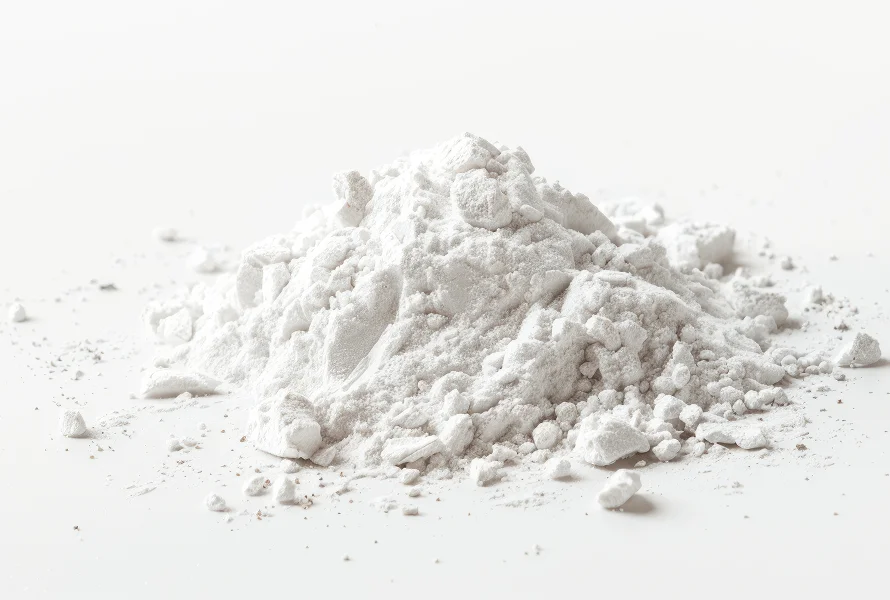
For manufacturers and factories in the food and dairy sectors, sourcing high-quality whey products is crucial for maintaining product consistency, nutrition, and cost-efficiency. Among these, demineralized whey powder has emerged as a versatile ingredient widely used in confectionery, bakery, beverages, and nutritional products. Understanding the dynamics of selling demineralized whey powder in Germany is key for both suppliers and buyers who aim to optimize industrial operations while navigating regulatory and market complexities.
At MT Royal, we have extensive experience collaborating with various factories and industrial clients, guiding them in sourcing premium whey powders that meet stringent quality standards. This article provides a detailed exploration of demineralized whey powder, its types, industrial applications, sourcing strategies, pricing considerations, and best practices for entering the German market.
Understanding Demineralized Whey Powder
Definition and Fundamental Concepts
Demineralized whey powder is a whey product from which a portion of the mineral content has been removed through processes like ion exchange or electrodialysis. By reducing mineral salts, the resulting powder has:
- Enhanced solubility for easier incorporation into food systems
- Improved taste profile with reduced bitterness
- Balanced nutritional properties, retaining high protein content and lactose
In industrial settings, demineralized whey powder is preferred for products that require uniform texture, sweet flavor, and stable processing characteristics. Its flexibility makes it ideal for applications ranging from chocolate and confectionery to protein-enriched beverages and baked goods.
Types of Demineralized Whey Powder
- Mildly Demineralized Whey Powder (DM 20–30%)
- Moderate mineral reduction
- Suitable for bakery and confectionery applications
- Partially Demineralized Whey Powder (DM 40–50%)
- Balanced reduction, retains some minerals
- Often used in nutritional products and dairy-based beverages
- Highly Demineralized Whey Powder (DM >70%)
- Significant mineral removal
- Preferred for infant formula, protein shakes, and specialized nutritional formulations
The degree of demineralization influences solubility, taste, and industrial functionality, making it a key factor in determining the selling price and industrial value.
LATAMARKO LM60 – Premium Spanish-Origin Cocoa Powder
latamarko alkalized cocoa powder lm60
cocoa powder for chocolate production-Best price
Food industry raw materials – list of products
Types of Gelatin from Turkish Manufacturer
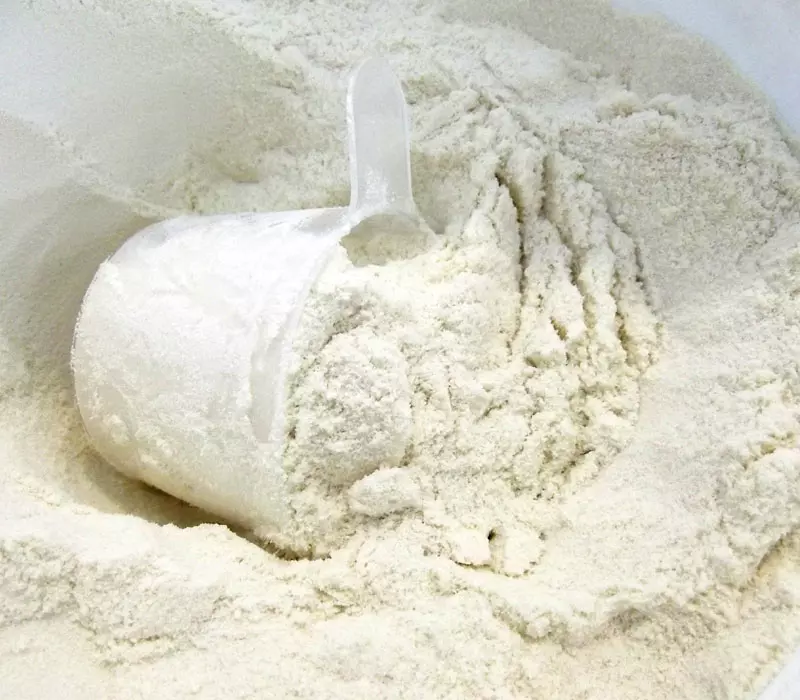
Key Industrial Applications
Bakery and Confectionery
In baked goods, demineralized whey powder contributes to:
- Dough softness and elasticity
- Improved browning and texture
- Enhanced flavor and sweetness without altering mineral balance
Confectionery products such as chocolates and caramels benefit from the powder’s reduced mineral content, which prevents unwanted bitterness and maintains a smooth mouthfeel.
Dairy and Nutritional Beverages
High-protein beverages, flavored milk powders, and fortified drinks utilize demineralized whey powder for:
- Easy dissolution in water or liquid bases
- Balanced sweetness and mild flavor
- Consistent protein concentration
Manufacturers can adjust the degree of demineralization to match product specifications, optimizing both taste and functional performance.
Infant Formula and Specialized Nutrition
Highly demineralized whey powders are used in infant formula, medical nutrition, and protein supplements. The low mineral content reduces renal load while maintaining essential proteins and lactose, critical for infant and therapeutic nutrition.
Selling Demineralized Whey Powder in Germany: Market Insights
Germany is one of Europe’s leading markets for dairy ingredients, driven by its strong food processing sector, confectionery exports, and health-focused consumer trends. Understanding market dynamics is essential for suppliers and buyers alike.
Regulatory Compliance
All whey powders sold in Germany must comply with:
- European Food Safety Authority (EFSA) standards
- German Food and Feed Code (LFGB)
- ISO, HACCP, and GMP certifications
Suppliers like MT Royal provide fully certified products to ensure compliance with local regulations and smooth import operations.
Market Demand and Trends
- Protein-enriched products: Rising consumer interest in high-protein snacks and beverages fuels demand.
- Clean-label and organic options: Products with minimal additives and traceable sourcing are increasingly preferred.
- Functional ingredients: Whey powders with targeted nutritional benefits (e.g., lactose-reduced or fortified) gain traction.
Pricing Considerations
The selling demineralized whey powder in Germany is influenced by:
- Protein content and solubility index
- Degree of demineralization
- Certifications and organic or specialty claims
- Global whey supply and milk production trends
Factories seeking consistent industrial supply often negotiate long-term contracts to mitigate price volatility.
Common Mistakes in Industrial Sourcing
- Prioritizing cost over functionality: Low-cost powders may compromise solubility, flavor, and processing efficiency.
- Ignoring supplier reliability: Unstable supply chains can disrupt production schedules.
- Overlooking storage requirements: Demineralized whey powder is hygroscopic; improper storage can lead to clumping and quality loss.
- Neglecting regulatory documentation: Incomplete certifications can block imports or lead to compliance issues.
In our collaboration with various factories, we have seen that integrating supplier audits, batch testing, and proper storage protocols prevents costly mistakes.
Best Practices for Large-Scale Production
Storage and Handling
- Keep powder in cool, dry, and well-ventilated conditions
- Use airtight containers to prevent moisture absorption
- Apply FIFO (First In, First Out) inventory management to maintain batch integrity
Product Performance Assessment
- Regularly measure solubility and protein content to ensure consistency
- Monitor moisture content to prevent microbial growth
- Test for residual minerals to maintain product specifications
Supplier Selection
Choosing a reliable supplier ensures uninterrupted production. MT Royal offers multiple brands of demineralized whey powder with verified certifications, providing stability and quality assurance for industrial clients.
Comparing Demineralized Whey Powder Options
| Type | DM % | Protein Content | Industrial Applications | Price Considerations |
|---|---|---|---|---|
| Mildly Demineralized | 20–30% | 12–14% | Bakery, chocolates | Mid-range, versatile |
| Partially Demineralized | 40–50% | 13–15% | Nutritional drinks, dairy products | Slightly higher, balanced functionality |
| Highly Demineralized | 70%+ | 14–16% | Infant formula, protein supplements | Premium, specialized applications |
This comparison assists procurement teams in choosing powders that balance functionality, cost, and application requirements.
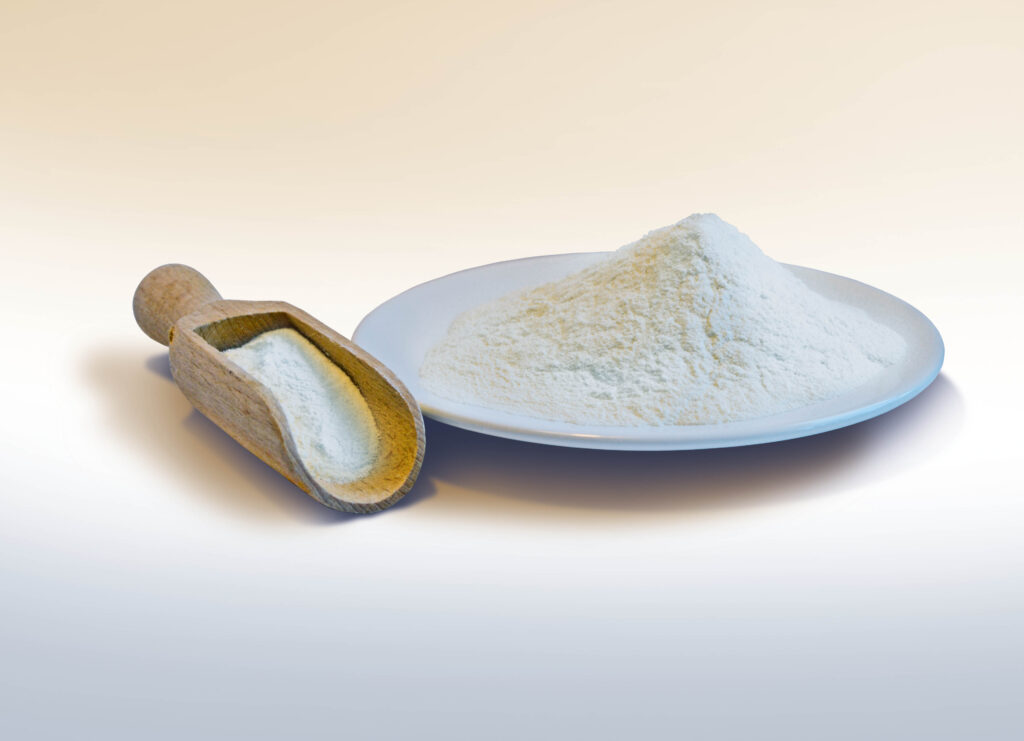
Industrial Tips for Optimizing Supply
- Negotiate contracts with flexible delivery schedules to accommodate market fluctuations
- Conduct regular quality checks at both supplier and factory levels
- Align sourcing with emerging trends like organic, low-lactose, or functional whey powders
- Implement proper employee training for handling hygroscopic powders and preventing contamination
By following these strategies, factories can ensure operational efficiency while maintaining consistent product quality.
Frequently Asked Questions
What is the key factor in determining the selling price in Germany?
The degree of demineralization, protein content, certifications, and global supply-demand dynamics largely influence pricing.
Which type of demineralized whey powder suits confectionery applications?
Mildly demineralized whey powder (DM 20–30%) offers optimal taste and solubility for chocolates and caramel.
Can the powder be stored long-term without quality loss?
Yes, provided it is stored in cool, dry conditions with airtight packaging to prevent moisture uptake.
How do I ensure consistent supply for large-scale production?
Partner with certified suppliers like MT Royal and maintain buffer stock to accommodate production demands.
Strategic Recommendations for Manufacturers
- Evaluate powders based on both price and functionality to optimize product quality.
- Prioritize suppliers with robust certifications, consistent delivery, and industrial experience.
- Align sourcing strategies with consumer trends, such as protein enrichment, low-lactose, or organic ingredients.
- Implement quality control and storage protocols to safeguard product integrity throughout the supply chain.
Successfully navigating the selling demineralized whey powder in Germany requires understanding product specifications, market dynamics, and regulatory requirements. Factories that adopt strategic sourcing practices will gain both competitive and operational advantages.



No comment