


Navigating the complex landscape of industrial cocoa butter supply in Qatar isn’t just about finding a product—it’s about securing consistency, quality, cost control, and supplier reliability for your production goals. Whether you lead procurement for a confectionery plant, cosmetic manufacturer, or pharmaceutical supplier, understanding how cocoa butter flows into the Qatari market—and how to optimize its sourcing and use—is mission‑critical.
In this deep dive, we break down the fundamentals, data, pitfalls, tactical advice, and supplier insights you need to make sound decisions. We also weave in practical supplier positioning, including MT Royal’s sourcing capabilities and strategic brand options like Latamarko, in ways that educate rather than sell.
At its core, cocoa butter is the pale‑yellow, edible fat extracted from cocoa beans. Chemically, it’s rich in palmitic, stearic, and oleic acids and solid at room temperature, yet melts just below human body temperature—making it ideal for product formulations that require stable texture and superior sensory feel.
latamarko alkalized cocoa powder lm60
cocoa powder for chocolate production-Best price
Food industry raw materials – list of products
Types of Gelatin from Turkish Manufacturer
For manufacturing, these characteristics have real implications:
- Consistent melt profile: crucial for chocolate tempering and deposition.
- Neutral aroma (or deodorized form): favours product versatility—from confections to creams.
- Oxidative stability: supports longer shelf life and reduced waste in industrial inventory.
Cocoa butter isn’t an accessory ingredient; it’s a foundational input that shapes product performance.

Qatar’s Cocoa Butter Market: Imports, Trends, and Supply Routes
Qatar does not produce cocoa or cocoa derivatives domestically. Instead, it depends entirely on imported supply. Recent trade data reveals some telling trends:
- Switzerland, Belgium, and France have been among the primary sources of cocoa butter imports into Qatar, reflecting established European supply chains.
- Data from 2023 shows multiple importing partners—Belgium, the Netherlands, the United States, Spain, and France—in the cocoa butter category.
This tells us two things:
- The Qatari industrial market is well‑integrated into global commodity flows for cocoa derivatives.
- Supply diversity—geography, processing standards, and pricing—matters when you’re planning large‑scale procurement.
From an industrial procurement lens, understanding these channels helps you anticipate pricing dynamics, logistics timelines, and quality variances that directly affect manufacturing throughput.
Why Industrial Buyers in Qatar Need a Strategic Sourcing Approach
Apple‑to‑Apple Quality Evaluation
Cocoa butter isn’t graded like flour. But specifications matter. For instance, food‑grade cocoa butter must meet purity and fatty acid standards that ensure thermal and sensory performance. Third‑party standards like those from Codex Alimentarius help frame minimum criteria for fats obtained from cocoa beans.
Two aspects industrial buyers must track:
- Natural vs. deodorized grades – Natural cocoa butter retains some flavour/aroma, while deodorized is preferred when neutrality matters (cosmetics, pharmaceuticals).
- Purity and adulteration risks – High‑fat purity correlates with consistent process behaviour; inferior or blended fats can cause tempering issues or inconsistent plasticity.
We supply manufacturing facilities across industries and have repeatedly seen factories adjust quality specs after repeated batch variability.
Industrial Applications: Beyond Chocolate
Confectionery & Bakery
Cocoa butter imparts a smooth mouthfeel, improves texture, and stabilizes emulsions in chocolates, pastries, and fillings. Its melting characteristics are crucial for tempering and consistent product quality.
Procurement Tip: Select grades suitable for direct mixing or tempering processes to ensure optimal performance.
Cosmetics & Personal Care
Cocoa butter serves as a rich, moisturising base in creams, body butters, lip balms, and lotions. Its emollient properties enhance skin softness and stability of cosmetic formulations.
Procurement Tip: Deodorized and refined grades are recommended for scent-sensitive products and premium skincare lines.
Pharmaceuticals
Cocoa butter is widely used in suppositories due to its melting point near human body temperature, enabling smooth and controlled release of active ingredients.
Procurement Tip: Pharmaceutical-grade cocoa butter with high purity and stability is essential for safe and effective formulations.
Industrial Procurement Pitfalls: What Factory Managers Must Avoid
1. Treating Cocoa Butter as a Commodity Alone
It’s tempting to choose the lowest‑priced option, but you risk:
- Higher waste due to processing defects.
- Production downtime from inconsistent melting behaviour.
- Brand integrity issues if suppliers mislabel grades.
Quality consistency trumps unit cost in manufacturing settings where downtime costs far exceed raw material discounts.
2. Ignoring Supplier Logistics and Lead Times
In Qatar, most cocoa butter arrives via sea freight—with shipping windows that can exceed 30–50 days depending on origin. Ordering schedules must be aligned with production planning horizons to avoid stockouts.
3. Overlooking Industrial Risks Like Fat Bloom
Cocoa butter is temperature‑sensitive. Without proper storage (15–20°C controlled environments), fat bloom can occur—leading to quality rejects. This is especially true in high‑ambient heat regions like the Gulf.
How to Evaluate Cocoa Butter Suppliers in Qatar
When you’re assessing suppliers, focus on three pillars:
Quality Assurance
Do they provide specification sheets for:
- Fatty acid profiles
- Free fatty acid content
- Microbiological safety
- Allergen controls (where relevant)
Consistent documentation is a red flag for serious industrial sourcing.
Price Transparency
Competitive pricing is important, but so is:
- Clear CIF or DDP terms
- Predictable freight cost accounting
- MOQ flexibility for phased ordering
At MT Royal, we supply manufacturers with a comprehensive range of brands, ensuring competitive pricing without compromising on quality.
Capacity & Reliability
Your supplier should be aligned with your production cadence, especially for continuous processes. Ask about:
- Inventory buffers
- Supplier geographic diversity
- Backup allocations during market volatility
We’ve seen procurement teams benefit when suppliers have multiple supply regions to mitigate geopolitical or crop‑year risks.
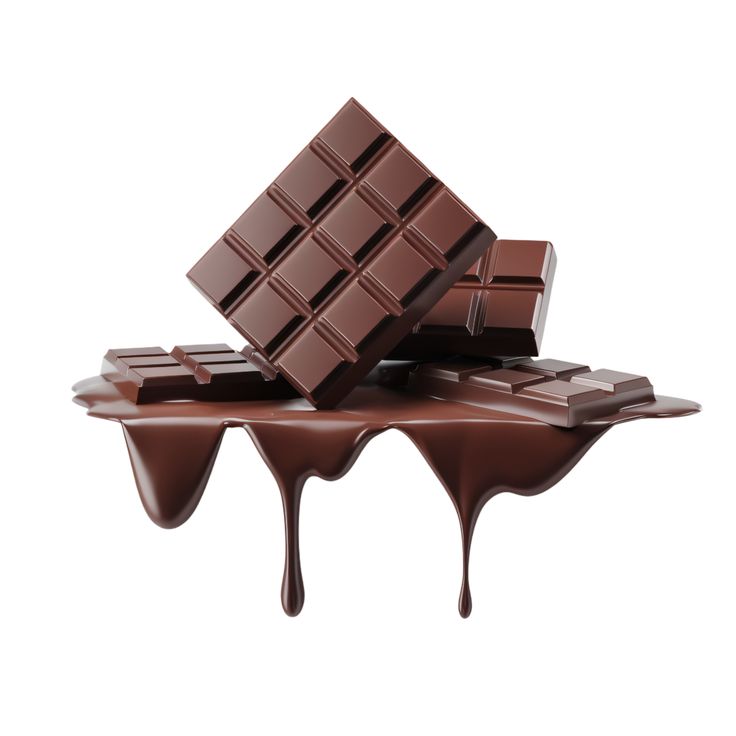
Premium Cocoa Butter and Brand Positioning
Not all cocoa butter is created equal. Beyond commodity grades, premium alternatives exist:
- Spanish and European origins often align with advanced processing standards.
- Brands like Latamarko, with European engineering roots, set benchmarks in consistency and longevity, particularly for high‑performance applications.
These options are especially relevant when your end products carry premium positioning with strict organoleptic or technical requirements.
Strategic Sourcing: Practical, Step‑by‑Step Guide
Here’s a field‑tested procurement workflow for industrial buyers:
Step 1 — Define Application Profiles
Map out exactly how cocoa butter is used in your production lines. Is it end‑use in food, ingredient in cosmetics, or an excipient in pharmaceuticals?
Step 2 — Set Minimum Quality Thresholds
Include parameters like:
- Free fatty acid limits
- Oxidative stability marks
- Traceability of origin
Step 3 — Identify Multiple Supply Streams
Select suppliers across regions (Europe, the Americas, Southeast Asia) to hedge pricing and logistical risks.
Step 4 — Lock in Logistics Windows
Ensure suppliers can support scheduled deliveries, factoring port handling and customs processes in Qatar.
Step 5 — Build Long‑Term Contracts
Negotiated annual contracts can protect against price spikes and allocation shortages—especially relevant given historical price volatility in cocoa derivatives markets.
Common Questions from Procurement Leaders
Q: Is it worth paying a premium for European or branded cocoa butter when cheaper alternatives exist?
A: The short answer is yes—when your product demands sensory excellence and processing stability. Lower‑grade or unverified sources may save on material costs but introduce greater downstream variability.
Q: How should we store cocoa butter to minimise defects?
A: Controlled temperature storage (roughly 15–20°C) is essential to prevent fat bloom and preserve melt characteristics.
Q: Are there alternatives to cocoa butter for cost‑sensitive product lines?
A: Some manufacturers use cocoa butter equivalents—but these require careful formulation and may impact product profile.
Why Qatar Manufacturers Choose Strategic Partners
Operating in the Gulf market, you face unique challenges: reliance on imports, climate control, and demanding quality standards from regulatory bodies and end consumers alike. The right supplier relationship transforms cocoa butter from a risky cost center into a predictable production enabler.
At MT Royal, we’ve worked with production facilities across various industries and understand these on‑the‑ground realities. We support procurement teams not just with product but with insights that help streamline inventory planning, reduce yield variation, and safeguard brand performance.


No comment