

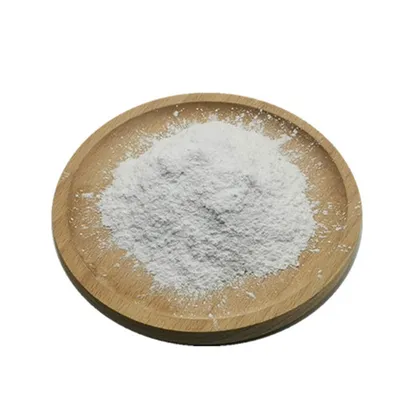
When your factory’s production line depends on smooth emulsification, improved texture, and extended shelf stability, the ingredients you choose can make the difference between meeting quality targets and struggling with formulation issues. Polyglycerol Esters E475 Wholesale isn’t just another emulsifier on a spec sheet—it’s a versatile functional ingredient that supports a broad spectrum of industrial applications from bakery fats and margarine to confectionery, dairy blends, and specialty coatings. Selecting the right supplier affects your operational reliability, product performance, and regulatory compliance as much as the technical specification itself.
At MT Royal, we understand what it takes to deliver ingredients that perform consistently across high‑speed production environments. In our collaboration with various factories, we have seen that securing a stable supply of high‑quality E475—with robust documentation and traceability—is fundamental to maintaining process integrity and brand reputation. This article is crafted to give you a comprehensive, expert‑level understanding of Polyglycerol Esters E475 Wholesale: what it is, how it functions, common pitfalls in sourcing, performance comparisons, industrial tips for large‑scale production, frequently asked questions, and strategic insights that elevate your operational outcomes.
Whether you’re evaluating emulsifier options, refining supplier evaluation criteria, or troubleshooting production challenges, this guide will help your teams make informed decisions grounded in real‑world industrial experience.
Polyglycerol Esters (PGE) Emulsifier – Riken Vitamin Supplier
Food grade emulsifiers for chocolate in Türkiye
Understanding Polyglycerol Esters E475
What Are Polyglycerol Esters (E475)?
Polyglycerol Esters of fatty acids, commonly referred to as E475 or abbreviated to PGEs, are a class of polyol‑based emulsifiers. They are produced by esterifying polyglycerols with fatty acids sourced from vegetable oils or animal fats. The number “E475” is the specific code assigned under the European food additive system, and it is accepted in most global regulatory frameworks including the US (FDA) and Codex Alimentarius standards.
At the molecular level, PGEs are amphiphilic — one end interacts with water (hydrophilic) and the other with lipids (lipophilic). This structure makes them particularly capable of promoting and stabilizing oil‑in‑water or water‑in‑oil systems, controlling interfacial tension and aiding in homogenous dispersions.
Functional Roles in Industrial Applications
In industrial food manufacturing, polyglycerol esters serve several key functions:
- Emulsification – enabling stable mixtures of otherwise immiscible components
- Improved texture and mouthfeel – especially in high‑fat or low‑fat systems
- Fat crystallization control – useful in bakery fats and margarine
- Freeze–thaw stability – critical in frozen desserts and convenience foods
- Shelf stability enhancement – reducing phase separation and oil leakage
In large‑scale manufacturing, emulsifiers like E475 often play silent but pivotal roles: they can shorten processing times, improve product yield, and even reduce the need for secondary stabilizers.
Regulatory Status and Safety Profile
Polyglycerol Esters E475 has been evaluated and approved as a food additive by major regulatory bodies worldwide. It is commonly used in food applications permitted under food additive regulations where emulsification or texture modification is required. As with all additives, regulatory compliance hinges on accurate labeling, adherence to maximum usage levels, and appropriate safety documentation — all aspects where a quality Polyglycerol Esters E475 Wholesale supplier can make your life easier.
Industrial Importance of Choosing the Right Wholesale Supplier
Why Supplier Choice Matters More Than You Think
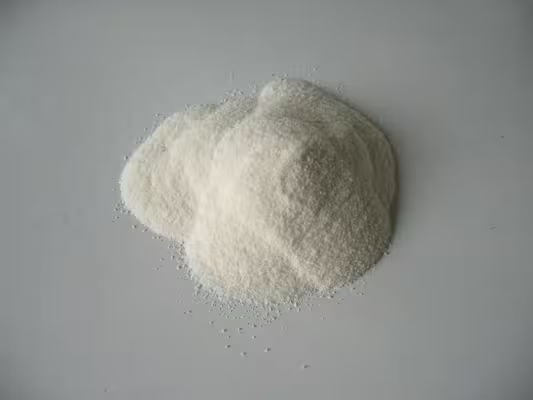
Selecting the right emulsifier supplier isn’t just about price per unit—it’s about consistency, documentation, customer support, and supply chain resilience. In our experience working with formulators across the food, beverage, and specialty ingredient sectors, the difference between a stable supply partnership and a transactional vendor relationship shows up in production KPIs:
- Batch‑to‑batch consistency that reduces quality deviation
- Timely delivery adherence that supports tight production schedules
- Robust Certificates of Analysis (COAs) that satisfy QA and regulatory bodies
- Technical support and application insights that help solve formulation challenges
A reputable Polyglycerol Esters E475 Wholesale partner understands these pressures and aligns supply commitments with your factory’s operational cadence.
Documentation, Traceability, and Compliance
For regulated products — especially those entering global markets — documentation is as important as the ingredient itself. A responsible supplier provides:
- Batch‑specific Certificates of Analysis
- Material Safety Data Sheets (MSDS)
- Source traceability information
- Regulatory compliance statements (EU, FDA, Codex)
- Allergen and GMO declarations if applicable
This depth of documentation isn’t optional for QA teams — it is foundational to audits, external certifications, and export approvals.
Supply Chain Reliability and Risk Mitigation
Polyglycerol esters can be affected by feedstock challenges (e.g., vegetable oil market fluctuations), geopolitical supply constraints, and logistics bottlenecks. A wholesale supplier with capacity planning, inventory buffers, and multimodal logistics planning can help minimize supply risk and safeguard uninterrupted production.
Common Mistakes in Industrial Sourcing of E475
In our work with various factories, we’ve identified recurring sourcing pitfalls that procurement teams encounter. Recognizing and avoiding these mistakes can save time, money, and product quality headaches.
Mistake #1: Prioritizing Unit Price Over Total Cost of Ownership
A lower purchase price often looks appealing on paper, but it can mask hidden costs, including:
- Higher variation in functional performance requiring larger usage rates
- More frequent quality rejections or rework
- Additional stabilizers to compensate for inferior emulsification
- Unplanned downtime due to poor documentation or delivery failures
Focusing solely on unit cost without evaluating quality consistency, documentation support, and supply reliability often leads to higher operational costs over time.
Mistake #2: Accepting Generic or Incomplete Documentation
Generic certificates that lack batch specificity, source traceability, or clear test results leave your QA team exposed. In regulated environments — whether EU, US, or export markets — generic documentation is insufficient for audits and compliance.
Mistake #3: Assuming All E475 Grades Are Interchangeable
Polyglycerol esters come in various grades and compositions, evolving with fatty acid chain profiles and polyglycerol polymerization levels. These specifications influence functional outcomes such as hydrophilic‑lipophilic balance (HLB), melting behavior, and compatibility with other ingredients.
Blindly swapping emulsifier grades without functional validation can cause unpredictable processing behavior and product inconsistencies.
Mistake #4: Overlooking Supplier Support for Functional Testing
Functional testing isn’t a problem — it’s an investment. Suppliers who offer technical support, pilot‑scale trials, and formulation consultation help your R&D team accelerate product optimization without costly trial‑and‑error experiments.
Comparing Emulsifier Options: Where E475 Fits In
To make informed sourcing decisions, manufacturers benefit from clear evaluations of available emulsifier technologies. Below is a practical comparison of Polyglycerol Esters E475 with other common food emulsifiers.
| Feature / Application | Polyglycerol Esters E475 | Mono‑ and Diglycerides (E471) | Lecithin | SSL/PSL | DATEM |
|---|---|---|---|---|---|
| Emulsification Strength | Very High | High | Moderate | High | Very High |
| Dough Conditioning | Excellent | Good | Moderate | Excellent | Excellent |
| Frozen Stability | Very Good | Good | Fair | Fair | Good |
| Moisture Retention | High | Moderate | Moderate | Moderate | Moderate |
| Bread Volume Enhancement | Very Good | Very Good | Moderate | Excellent | Excellent |
| Ice Cream & Dairy Applications | Excellent | Good | Good | Moderate | Moderate |
| Bread Crumb Softness | Good | Good | Moderate | Very Good | Very Good |
| Clean Label Compatibility | Yes (Depending on source) | Yes | Yes | Yes | Yes |
| Cost Effectiveness | Competitive | Highly Competitive | Variable | Competitive | Competitive |
This comparison illustrates that E475 offers broad functional versatility across diverse product categories, making it a cornerstone ingredient in industrial emulsification strategies.
Industrial Tips for Large‑Scale Production
When scaling from pilot formulations to high‑volume manufacturing, “what works in small batches” sometimes fails under the pressure of commercial production. Here are expert tips drawn from industrial practice.
Define Functional Performance Targets, Not Just Composition
Work with your R&D and quality teams to specify concrete performance indicators such as:
- HLB range
- Emulsion stability under thermal stress
- Viscosity behavior over time
- Freeze–thaw resilience
- Interaction with proteins, fats, and stabilizers
Such goals give your supplier and your internal teams a clear benchmark for ingredient evaluation.
Validate Source and Grade through Pilot Scale Testing
Emulsions can behave differently at scale. Evaluate PGEs in your process environment — including mixing equipment, heat profiles, and shear conditions — to verify performance before committing to full production runs.
Align Addition Points in Your Production Line
The point at which you introduce Polyglycerol Esters E475 into the formulation sequence can affect dispersion and performance. Best practices usually involve:
- Adding emulsifiers early during hydration or fat integration
- Ensuring adequate shear for even distribution
- Syncing addition points with temperature profiles that support optimal emulsification
Process engineers should calibrate these steps to your specific equipment and batch sizes.
Regularly Monitor Functional Parameters in Quality Control
In‑line, high‑pressure homogenization, mixing, and heat treatment can shift functional performance over time. QC checks should include:
- Emulsion stability testing
- Droplet size distribution
- Viscosity and rheology measurements
- Thermal cycling stability
These checks help detect drift early and maintain consistent product quality.
Forecast and Plan with Your Supplier for Supply Chain Resilience
Industrial environments benefit from:
- Demand forecasts shared with suppliers
- Volume agreements with lead time commitments
- Planned safety stock buffers
- Multi‑modal logistics contingency planning
This approach mitigates supply shocks — especially during peak demand or global disruptions.
Frequently Asked Questions from Manufacturers and Procurement Teams
What Are Typical Usage Levels of E475 in Industrial Applications?
Usage levels depend on product type and functional goals. General ranges include:
- Bakery fats and emulsified doughs: 0.5–2.0% of total formula
- Ice cream and frozen desserts: 0.1–0.5% of mix
- Sauces and dressings: 0.2–0.8% of final mix
- Confectionery coatings: 0.2–1.2% of formulation
Always validate specific usage through pilot trials tailored to your formulation matrix.
How Do We Evaluate Emulsifier Performance in Our Products?
Key functional tests include:
- Thermal stability under heating and cooling
- Drag and shear resilience in mixers
- Homogeneity and droplet size distribution
- Freeze–thaw testing
- Sensory and texture analysis
These metrics help translate emulsifier functionality into measurable manufacturing outcomes.
Does E475 Affect Nutrition or Labeling?
Polyglycerol Esters function as additives. Labeling requirements vary by jurisdiction but generally require declaration in ingredient lists. Some markets allow “emulsifier” terminology without additive codes; others require additive codes like “E475.” Your regulatory team should confirm specific labeling obligations.
Are There Clean‑Label Options for E475?
Clean‑label interpretations vary, but many manufacturers seek emulsifiers with recognizable source declarations and minimal processing. Suppliers increasingly offer variants derived from non‑GMO feedstocks or compatible with “natural” labeling in selected regions.
How Should We Store E475 in Bulk?
Best practices include:
- Cool, dry storage to prevent moisture uptake
- Sealed containers to avoid oxidation or contamination
- FIFO inventory management
- Temperature monitoring to prevent softening or phase changes
Proper storage maintains functional integrity and reduces waste.
Emerging Trends and Market Insights
Trend: Multi‑Functional Ingredient Demand
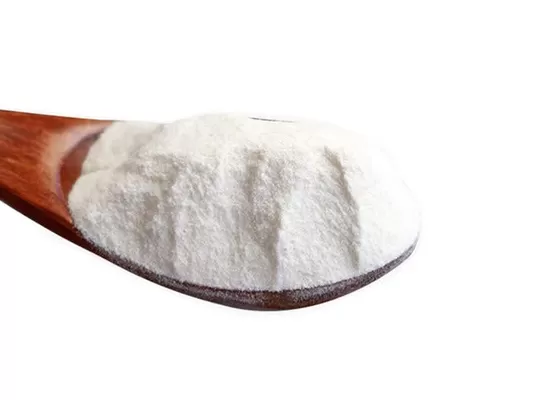
Manufacturers are consolidating functions to reduce ingredient counts while enhancing performance. Polyglycerol Esters E475’s ability to act as both an emulsifier and processing aid positions it well within this trend.
Trend: Clean Label and Transparency Focus
Consumers and regulatory bodies alike emphasize transparency and label clarity. Suppliers who back products with source traceability and simplified declarations help manufacturers address this demand.
Trend: Analytical Quality Control Advancements
Modern QC tools — including rheology, DSC thermal profiling, and particle size analysis — enable deeper insights into emulsifier performance. Factories investing in advanced analytical capabilities see fewer surprises during scale‑up.
Trend: Supply Chain Resilience Planning
Global logistics disruptions have reshaped how manufacturers approach sourcing. Long‑term planning, diversified supply sources, and collaborative forecasting with suppliers reduce risk and smooth production planning.
Strategic Considerations for Procurement and Operations Teams
Choosing the right Polyglycerol Esters E475 Wholesale partner is as much an operational decision as it is a technical one. The ingredient itself is essential, but equally important are:
- Supplier documentation rigor to satisfy audits
- Delivery reliability to protect production schedules
- Technical support availability for formulation challenges
- Supply chain visibility to anticipate market shifts
- Market compliance insights across regions
At MT Royal, we approach ingredient sourcing as a partnership rather than a transaction. By working closely with manufacturers who demand clarity, consistency, and performance, we help you build supply systems that are robust, traceable, and aligned with your factory’s growth plans.
Your products represent your brand. Your choices in emulsifier sourcing have downstream effects that touch quality, compliance, and consumer experience. Securing high‑quality E475 at wholesale terms is not simply a business function — it is a strategic move toward predictable production and enduring market success.


No comment