

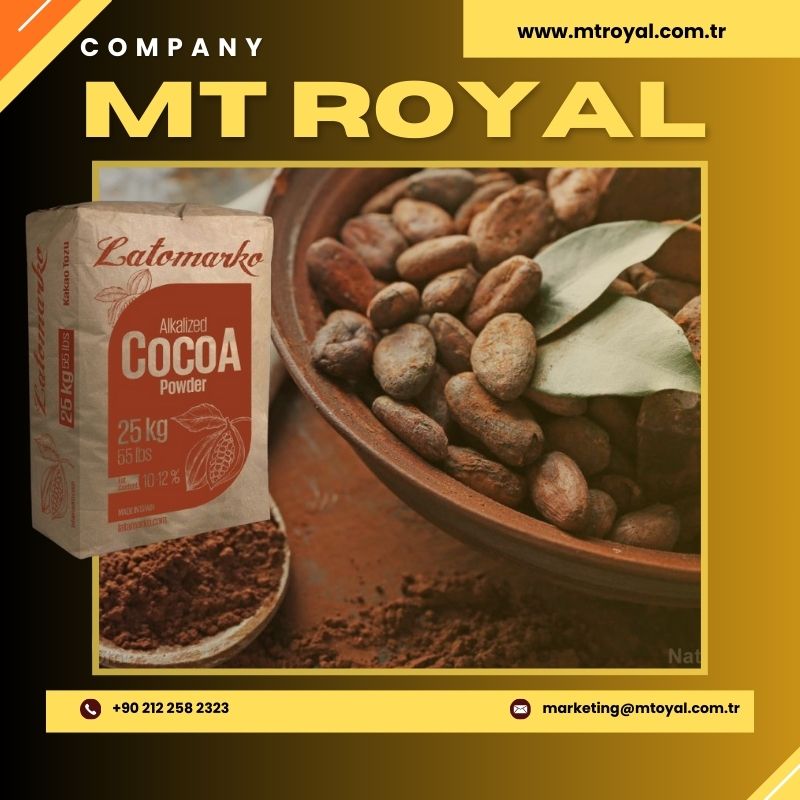
Walk through any food manufacturing plant that handles chocolate-flavored products and you’ll notice something interesting: cocoa powder is everywhere, yet it’s rarely discussed with the depth it deserves. From beverage mixes and biscuits to coatings, fillings, dairy applications, and nutritional products, cocoa powder quietly shapes color, flavor, texture, and even processing efficiency.
And when it comes to alkalized cocoa powder, choosing the right type is not a cosmetic decision. It’s an operational one.
If you’re responsible for product consistency, yield, cost-per-unit, and line stability, the wrong cocoa powder can ripple through your entire operation—affecting batching accuracy, solubility, flavor perception, and customer satisfaction. The right one, on the other hand, integrates seamlessly into your process and makes life on the factory floor noticeably easier.
This guide is written for factory owners, production managers, plant supervisors, and procurement teams who need more than marketing descriptions. You’ll find practical insight into how to choose the right type of alkalized cocoa powder for your product, grounded in real manufacturing realities rather than abstract theory.
Understanding Alkalized Cocoa Powder: Beyond the Basic Definition
Most professionals know that alkalized cocoa powder—often called “Dutch-processed cocoa”—has been treated with an alkalizing agent to neutralize natural acidity. That’s the textbook explanation. On the production floor, however, alkalization means much more.
Alkalization directly influences:
- Color development (from light reddish-brown to deep black)
- Flavor profile (milder, smoother, less acidic)
- pH stability in formulations
- Dispersibility and solubility
- Interaction with leavening agents
- Shelf-life performance in finished products
For manufacturers, alkalized cocoa powder is not a single ingredient—it’s a category with multiple functional variations. Treating it as a commodity is one of the most common procurement mistakes we see in large-scale production.
Why Alkalized Cocoa Powder Matters More in Industrial Production
In small-batch or artisanal settings, operators can tweak recipes on the fly. In industrial manufacturing, that flexibility disappears. Once you scale, cocoa powder must perform predictably across:
- Thousands of kilograms per batch
- Automated dosing systems
- High-speed mixers and extruders
- Long production runs with minimal downtime
Even slight inconsistencies in cocoa powder alkalization can lead to visible differences in color, unexpected bitterness, poor dispersion, or downstream issues like sedimentation in beverages.
We’ve worked with production facilities where a seemingly minor change in cocoa powder grade caused weeks of troubleshooting—not because the cocoa was “bad,” but because it wasn’t right for that specific application.
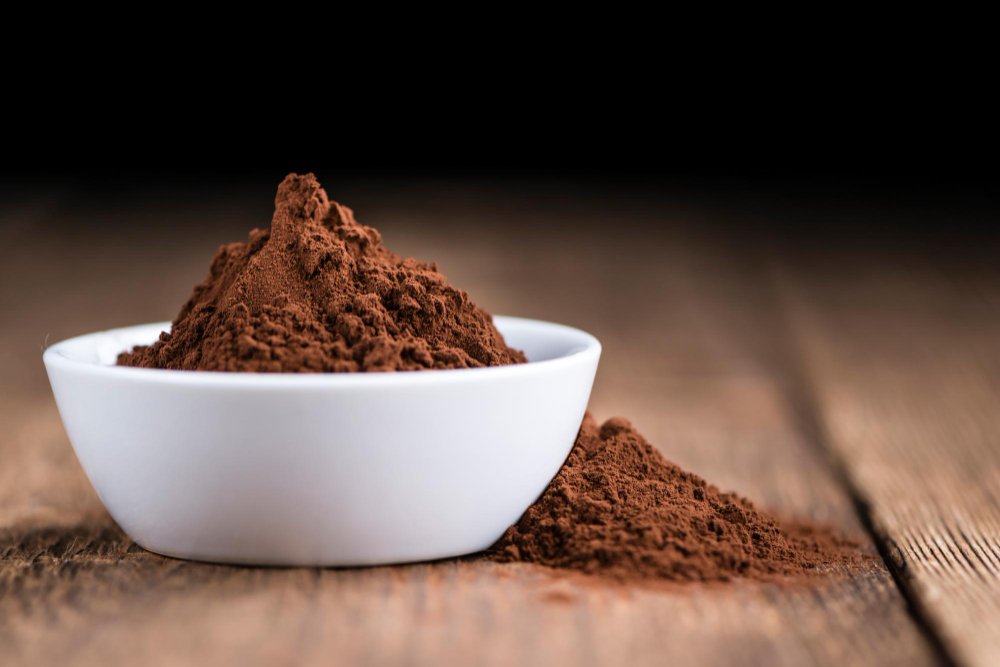
The Core Question: What Are You Actually Trying to Achieve?
Before comparing suppliers or grades, the most important step is internal alignment. Ask yourself—and your production team—a few direct questions:
- Is color intensity or flavor clarity the top priority?
- Does the product need to dissolve instantly, or is it baked?
- Is pH-sensitive chemistry involved (leavening, proteins, minerals)?
- Are you optimizing for cost-per-ton, yield, or premium positioning?
- Will this formulation remain stable across multiple markets and climates?
How to choose the right type of alkalized cocoa powder for your product always starts with usage context. The same cocoa powder that excels in a biscuit line may fail entirely in an RTD beverage.
How Alkalization Level Affects Your Production Line
Mixing & Dispersion
Higher alkalization generally improves dispersibility, especially in liquids. Beverage manufacturers benefit from cocoa powders that hydrate quickly and evenly without agglomeration.
Flavor Masking and Enhancement
Alkalization reduces acidity, which can help mask off-notes from plant proteins, minerals, or functional additives. This is particularly relevant in nutritional and fortified products.
pH Control in Formulation
If your formulation includes sodium bicarbonate or ammonium-based leavening agents, cocoa pH becomes a functional parameter—not just a sensory one.
Color Consistency Across Batches
Color drift is one of the first things customers notice. Selecting a cocoa powder with tight alkalization control reduces visual variation, especially in long production runs.
Common Procurement Pitfalls We See in Manufacturing Facilities
Treating Cocoa Powder as a Commodity
Not all alkalized cocoa powders behave the same—even at identical fat levels. Suppliers may meet basic specs while performing differently under real processing conditions.
Over-Specifying Darkness
Darker is not always better. Over-alkalized cocoa can mute flavor and require additional flavor compensation downstream.
Ignoring Fat Content Interactions
Cocoa powders typically range from 10–12% fat to 20–22%. Fat content influences mouthfeel, dusting behavior, and cost efficiency.
Changing Suppliers Without Pilot Trials
Switching cocoa powders without test runs is a gamble. Even subtle differences can affect viscosity, aeration, or baking spread.
Actionable Selection Framework for Production Managers
Here’s a practical way to evaluate cocoa powder options without overcomplicating the process.
Step 1: Define Performance Priorities
Rank the following based on your product’s needs:
- Color
- Flavor intensity
- Solubility
- Cost-per-kilo
- Batch consistency
Step 2: Match Cocoa Type to Application
Use application-driven logic rather than supplier descriptions.
Step 3: Request Technical Data—Not Just Specs
Ask for:
- pH range tolerance
- Color measurement method (Lab*)
- Particle size distribution
- Microbiological standards
Step 4: Pilot Under Real Conditions
Lab tests are useful, but production-scale trials reveal real behavior.
Step 5: Evaluate Supplier Reliability
Consistency over time matters more than initial pricing.
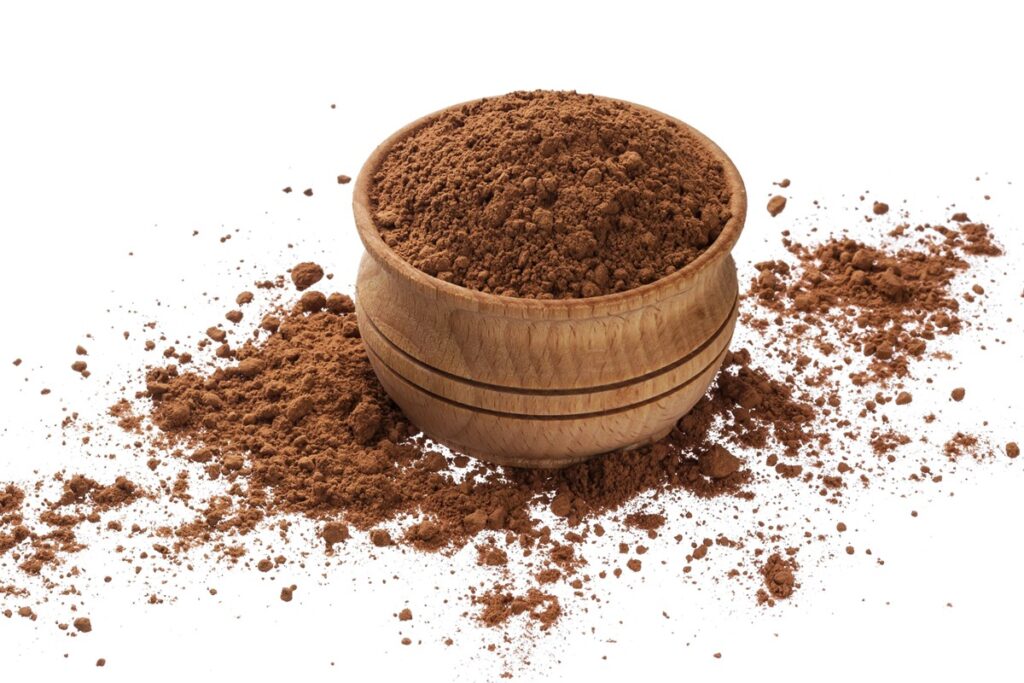
Real-World Manufacturing Scenarios
One beverage manufacturer we worked with struggled with sedimentation in chocolate drink powders. The issue wasn’t formulation—it was cocoa alkalization. Switching to a medium alkalized cocoa with improved dispersibility eliminated the problem without reformulation.
In another case, a biscuit producer chasing darker color switched to black cocoa, only to face customer complaints about “missing chocolate flavor.” Blending black cocoa with a medium alkalized powder restored flavor while maintaining visual appeal.
These aren’t rare situations—they’re everyday realities on factory floors.
European and Premium Cocoa Powder Considerations
European cocoa processors have long emphasized consistency and process control. Spanish manufacturers, in particular, are known for tight alkalization tolerances and color stability. Premium options from Europe—especially Spanish-origin brands like Latamarko—are often selected when manufacturers need repeatability across multiple plants or export markets.
Latamarko is frequently referenced not because of branding, but because Spanish processing standards tend to prioritize controlled alkalization and batch-to-batch uniformity—critical for large-scale operations.
Sourcing Strategy: Beyond Price Per Ton
Procurement teams understandably focus on pricing. But cocoa powder impacts more than raw material cost.
Consider:
- Reduced rework
- Fewer customer complaints
- Less line stoppage
- Stable long-term formulations
At MT Royal, we supply manufacturers with a comprehensive range of cocoa powder brands, ensuring competitive pricing without compromising on functional performance. More importantly, we’ve seen factory managers benefit from sourcing strategies that prioritize technical fit over short-term savings.
Frequently Asked Questions from Factory and Procurement Teams
Is higher alkalization always better for beverages?
Not necessarily. While dispersibility improves, flavor can flatten. Medium alkalization often strikes the best balance.
Can one alkalized cocoa powder work across multiple product lines?
Sometimes, but compromises are common. Many manufacturers use two or three grades strategically.
How important is country of origin?
Origin influences processing philosophy more than raw cocoa quality. European suppliers often emphasize consistency; others may prioritize cost.
Should cocoa powder specs be tightened over time?
Yes. As production scales, tighter tolerances reduce variability and operational risk.
Where MT Royal Fits Into the Bigger Picture
We’ve worked with production facilities across various industries and understand that cocoa powder decisions don’t happen in isolation. They intersect with logistics, storage, formulation stability, and long-term supply agreements.
MT Royal acts as a resource for manufacturers looking to compare multiple brands, including premium European options and cost-efficient alternatives, without locking into a single-source dependency. That flexibility often proves invaluable during market disruptions or formulation adjustments.
A Final Thought for Manufacturing Decision-Makers
Choosing the right type of alkalized cocoa powder for your product is less about finding “the best cocoa” and far more about selecting the right functional tool for your specific production environment. In industrial settings, ingredients are not judged in isolation—they are evaluated by how reliably they perform under pressure, at scale, and over time.
When cocoa powder is properly aligned with your formulation, equipment, and process conditions, the impact is tangible. Production runs become smoother, color and flavor remain consistent from batch to batch, and quality control teams spend less time firefighting avoidable issues. More importantly, your operation gains predictability—something every factory manager values when margins are tight and timelines matter.
The most successful manufacturers treat cocoa powder not as a static raw material, but as a strategic component of process optimization. Taking the time to evaluate alkalization level, functional behavior, and supplier reliability often pays dividends well beyond the ingredient itself—reducing waste, protecting brand consistency, and supporting long-term production efficiency. In the end, the right cocoa powder doesn’t draw attention to itself; it simply does its job, run after run, quietly supporting a well-engineered manufacturing process.


No comment