

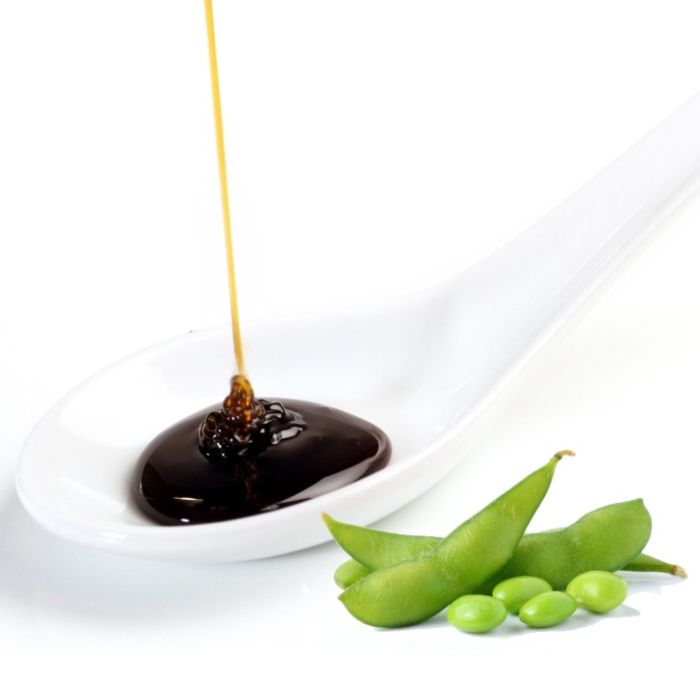
In today’s highly competitive food production industry, every ingredient choice affects your final product’s performance, stability, and cost structure. For manufacturers specializing in sauces and dressings, one ingredient consistently stands out for its multifunctionality and formulation benefits: Lecithin for Sauces and Dressings. Whether your production line is scaling up gourmet salad dressings or streamlining high-volume sauce blends for retail distribution, lecithin plays a role that is both technical and strategic.
At MT Royal, we’ve supported hundreds of industrial clients optimize their formulations and sourcing strategies around functional ingredients like lecithin. In our collaboration with various factories, we’ve seen that manufacturers who understand how to leverage lecithin not only improve product quality but also unlock efficiencies in processing, shelf life, and texture—areas that directly impact consumer acceptance and profitability.
This article is designed to give you a deep, industrial-level insight into Lecithin for Sauces and Dressings. We will explore its chemistry, practical application, sourcing challenges, and advanced processing tips to ensure that your next batch not only meets standards but sets new benchmarks.
What is Lecithin and Why Does it Matter in Sauces and Dressings?
Fundamental Definition and Technical Overview
Lecithin is a class of naturally occurring phospholipids—complex molecules that contain both hydrophilic (water-attracting) and lipophilic (fat-attracting) segments. This amphiphilic nature makes lecithin an ideal emulsifier: an ingredient that helps blend water and oil phases that would otherwise separate.
From an industrial perspective, lecithin does four things exceptionally well in sauces and dressings:
- Emulsification: Provides stable oil–water dispersion, preventing phase separation during storage.
- Texture Modification: Enhances mouthfeel and creaminess.
- Process Efficiency: Improves flow properties and reduces fouling during mixing.
- Stabilization: Contributes to consistent product performance under thermal and mechanical stress.
In sauces and dressings, these functionalities translate into products with rich texture, reliable consistency, and extended shelf life.
Lecithin Versus Other Emulsifiers
While there are many commercial emulsifiers—mono- and diglycerides, polysorbates, gums, and more—lecithin remains preferred for clean-label formulations and natural positioning. Because lecithin can be derived from soy, sunflower, and egg yolk, you can align its source with your product’s dietary claims (e.g., allergen‑free, non‑GMO, vegan).
Industrial Applications: Where Lecithin Adds Value
To understand lecithin’s industrial utility, it helps to break down real-world scenarios in sauce and dressing production.
1. Oil‑in‑Water Emulsions
Most dressings are oil‑in‑water emulsions. Without an effective emulsifier, these products can quickly separate, leading to quality issues and customer complaints. Lecithin’s amphiphilic structure enables it to:
- Form micelles that encapsulate oil droplets.
- Prevent coalescence (droplet merging).
- Maintain uniform viscosity during transport and storage.
From an engineer’s standpoint, using lecithin can reduce rework rates and lower the frequency of batch rejections due to phase separation.
2. High‑Shear Processing Environments
Industrial mixers, high‑pressure homogenizers, and continuous blending systems can generate significant shear forces. Lecithin’s resilience in these conditions helps maintain stable emulsions even when processing at high throughput.
3. Clean Label and Allergen Strategy
With consumer demand intensifying for transparent ingredient lists, lecithin provides a natural, recognizable emulsification solution. Sunflower lecithin, in particular, is gaining traction as a soy‑free and allergen‑friendly option.
How Lecithin Works: Science Behind the Stability
Phospholipid Chemistry at a Glance
At a molecular level, lecithin contains:
- Phosphate head groups that bond with water.
- Fatty acid tails that bond with oil.
When added to a mixture of oil and water, lecithin molecules position themselves at the interface, forming a protective barrier around oil droplets. This lowers interfacial tension and stabilizes the dispersion.
Industrial Insight: Micelles and Interfacial Films
In industrial emulsification, the quality of the interfacial film formed by lecithin impacts droplet size distribution. Smaller, uniform droplets correlate directly with better texture, less syneresis (weeping), and improved stability.
Common Mistakes in Industrial Sourcing and Application
Even experienced procurement teams can fall into traps when sourcing or applying lecithin. Here’s a breakdown of common pitfalls and how to avoid them:
Mistake 1: Choosing the Wrong Lecithin Form
Industrial lecithin comes in multiple forms:
- Liquid lecithin
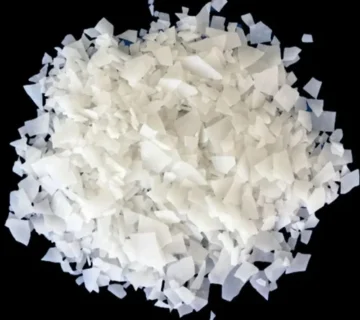
- Granular lecithin
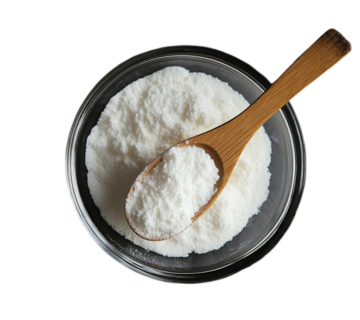
- Powdered lecithin
Each format has unique handling and dissolution characteristics:
- Liquid lecithin offers fast dispersion but may require specialized dosing equipment.
- Granular lecithin dissolves more slowly and might be preferred in dry blend processing.
- Powdered lecithin offers ease of transport and storage but may need pre‑hydration for optimal performance.
Selecting the wrong form can lead to inconsistent dosing, clumping, or even pump clogging.
Mistake 2: Over‑ or Under‑Dosing
Under‑dosing may fail to stabilize the emulsion; over‑dosing adds unnecessary cost and can affect flavor or texture. The ideal dosage range depends on oil content, water ratio, and processing conditions. Many manufacturers start with lab trials using a gradient of lecithin concentrations to identify the optimal level.
Mistake 3: Ignoring Source and Certifications
For sauces and dressings intended for global markets, lecithin must meet region‑specific regulatory and allergen requirements. For example:
- Soy lecithin may require non‑GMO certification.
- Sunflower lecithin may be preferred for allergen‑free lines.
- Organic certification may be necessary for premium products.
Failing to verify these attributes early in sourcing can delay production and complicate labeling compliance.
Practical Comparisons: Lecithin Versus Other Emulsifiers
Below is an industrial comparison that can help clarify lecithin’s advantages in sauces and dressings:
| Feature | Lecithin | Mono‑ and Diglycerides | Polysorbates | Hydrocolloids |
|---|---|---|---|---|
| Natural / Clean Label | Excellent | Moderate | Low | High |
| Heat Stability | Good | Excellent | Fair | Poor to Moderate |
| Cost Efficiency | Moderate | High | Moderate | Moderate |
| Texture Enhancement | Excellent | Moderate | Poor | High |
| Allergen‑free Options | Yes | Varies | Yes | Yes |
| Shelf‑Life Stability | High | High | Moderate | High |
From this table, it’s clear that lecithin provides a balanced profile of performance and label friendliness—a key reason it’s widely used in industrial formulations.
Advanced Processing Tips for Large‑Scale Production
Tip 1: Pre‑Hydration Improves Functionality
In high‑throughput production lines, lecithin should be pre‑hydrated or dispersed in a portion of the water phase before being introduced to the oil phase. This ensures uniform distribution and prevents lumping.
Tip 2: Controlled Temperature Management
Lecithin’s viscosity changes with temperature. Warming it slightly (not more than 40–45°C) can make it easier to handle and pump, especially in cooler factory environments. However, overheating can degrade its emulsifying properties.
Tip 3: Homogenization Strategies
Depending on the type of lecithin used and the desired droplet size distribution, high‑pressure homogenization settings should be optimized. A common practice is to perform an initial high‑shear mix followed by one or two passes through a homogenizer to lock in emulsion stability.
Tip 4: Compatibility with Other Ingredients
Lecithin works synergistically with certain stabilizers like xanthan gum or guar gum. These combinations can enhance mouthfeel and viscosity without compromising the clean label appeal. However, incompatibilities can arise with ingredients like high levels of salt or acid—requiring careful formulation tests.
Industrial Sustainability and Lecithin Trends
Emerging Shift Toward Sunflower Lecithin
Sunflower lecithin is increasingly preferred for:
- Non‑GMO positioning
- Allergen‑free formulations
- Improved oxidative stability
Regulatory trends and consumer preferences in Europe and North America have accelerated interest in sunflower lecithin for premium dressings.
Sustainability in Sourcing
Many food manufacturers are now demanding traceability in lecithin sourcing. Certifications such as RSPO (for sustainable palm sources) or non‑GMO project verification are becoming standard requirements in procurement contracts.
Innovation in Lecithin Modification
Functionalized lecithin variants can be tailored for specific application needs, such as low‑temperature emulsification or rapid hydration. These specialty grades can deliver competitive advantages in niche products.
Frequently Asked Questions from Procurement and Production Teams
What Lecithin Form Should We Use for High‑Viscosity Dressings?
For high‑viscosity applications like ranch or creamy Caesar dressings, liquid lecithin often gives the best dispersion and quicker hydration. If your line handles dry blending, a powder or granular form can work but may require more processing time.
How Do We Determine Optimal Lecithin Dose in Our Formula?
Start with bench‑scale trials using incremental dosage tests. Monitor emulsion stability over time at different storage temperatures. Many industrial teams use droplet size analysis and viscosity measurements to quantify stability improvements.
Can Lecithin Replace All Other Emulsifiers in Our Sauce Line?
Not always. In some high‑heat or extended shelf‑life applications, lecithin may need support from hydrocolloids or synthetic emulsifiers. Blend strategies often yield the best results.
Is Lecithin Compatible with Organic Certifications?
Yes—if sourced and processed according to organic standards. Always verify certification documentation from suppliers.
How Does Lecithin Impact Flavor and Color?
High‑quality lecithin should be neutral in taste and light in color. Industrial lecithin with impurities can introduce off‑flavors or haze, which is why supplier quality assurance is essential.
Strategic Procurement: What to Look for in a Supplier
Selecting a reliable supplier for Lecithin for Sauces and Dressings is a strategic decision. Poor quality or inconsistent supply can disrupt production schedules and compromise product integrity.
Here’s a checklist for procurement teams:
- Source Traceability: Can the supplier document lecithin origin and processing?
- Certifications: Does the product meet your region’s regulatory and organic/non‑GMO requirements?
- Analytical Data: Can the supplier provide detailed phospholipid profiles and quality certificates?
- Logistics Reliability: Do lead times and delivery frequency align with your production cadence?
- Technical Support: Does the supplier offer formulation assistance and troubleshooting?
At MT Royal, we work with multiple leading lecithin brands to ensure your sourcing strategy aligns with performance expectations and compliance requirements. Our experience with food manufacturers allows us to offer insight into both technical performance and supply chain flexibility.
Why Industrial Manufacturers Should Pay Attention Now
The global sauces and dressings market has been growing steadily, with a rising emphasis on texture, clean label claims, and stability under diverse distribution conditions. According to recent industry analyses, emulsifier performance—including that of lecithin—directly influences product success in retail and foodservice channels.
Manufacturers that optimize their lecithin usage are able to:
- Reduce costly rework due to separation issues.
- Expand product lines with allergen‑friendly or non‑GMO versions.
- Streamline processing and reduce downtime caused by ingredient handling problems.
- Improve shelf life without resorting to artificial additives.
The Expert’s Take on Lecithin Performance
From a formulation scientist’s perspective, lecithin is not just an ingredient—it’s a performance enabler. In complex systems like sauces and dressings, your choice of emulsifier affects nearly every stage of production:
- Mixing Efficiency
- Thermal Processing
- Texture Development
- Packaging Stability
- Shelf-Life Performance
In essence, mastering lecithin application is mastering control over the final product quality.
Final Reflection: What Your Next Steps Could Be
As your product lines evolve and consumer expectations rise, a deeper understanding of functional ingredients like lecithin becomes not just beneficial but essential. By investing in optimized formulations, rigorous sourcing criteria, and advanced processing strategies, your factory can achieve consistent performance, reduced waste, and competitive differentiation in crowded markets.
Whether you are refining an existing dressing range or launching a new line of premium sauces, evaluating your lecithin sourcing and application strategy is a worthwhile priority. Thoughtfully chosen and skillfully applied, Lecithin for Sauces and Dressings can elevate quality, support regulatory compliance, and enhance your factory’s process reliability.
At MT Royal, our experience with global manufacturers has shown that attention to ingredient functionality—and the right supplier partnerships—translates directly into market success. We encourage you to explore the strategic potential of lecithin in your formulations and harness this versatile ingredient to its fullest.

No comment