

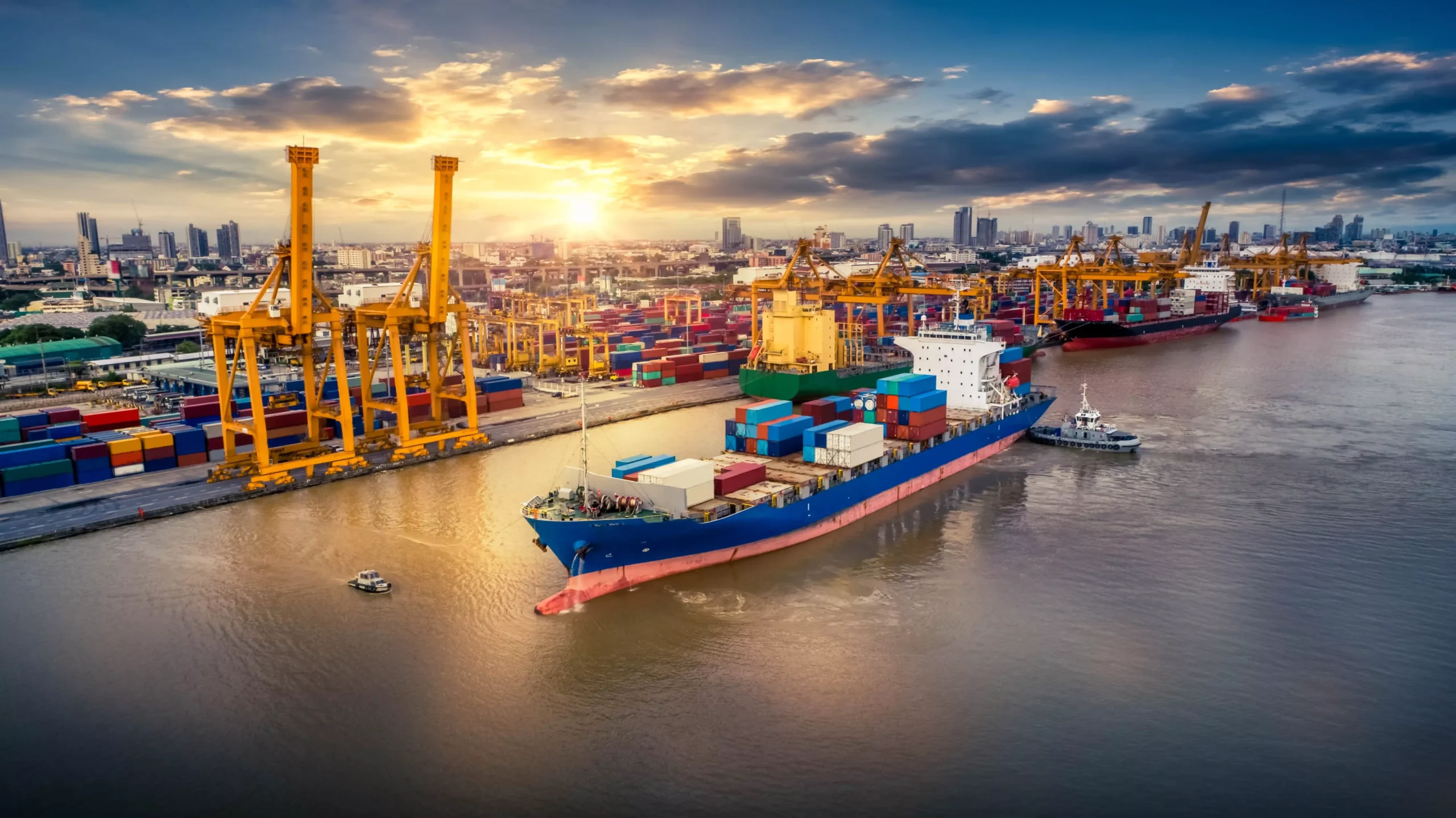
In international trade, risk does not announce itself loudly. It hides in routine movements: a container lifted one extra time, a port delayed by weather, a document misaligned with reality. For manufacturers and industrial buyers, especially those operating across borders, the true cost of global sourcing is not just the purchase price—it is the exposure carried between origin and destination.
This is why experienced companies do not treat cargo insurance and risk management as paperwork. They treat them as operational safeguards. When you source through partners like MT Royal, you are not only accessing competitive global suppliers; you are building a shipment strategy designed to absorb shocks without disrupting production. For factories working on tight schedules and margins, this difference is decisive.
Every international shipment carries layered risk. Some risks are visible and anticipated; others emerge only when something goes wrong.
At a high level, shipment risk falls into four broad categories:
- Physical risk: damage, loss, theft, contamination
- Operational risk: delays, handling errors, transshipment issues
- Contractual risk: unclear liability, Incoterms misunderstandings
- Financial risk: uninsured losses, claim rejections, cash flow disruption
Effective cargo insurance and risk management do not eliminate these risks, but they control their impact.
latamarko alkalized cocoa powder lm60
cocoa powder for chocolate production-Best price
Food industry raw materials – list of products
Types of Gelatin from Turkish Manufacturer
Alkalized Cocoa Powder Supplier
What Cargo Insurance Really Covers—and What It Does Not
Cargo insurance is often misunderstood. Many buyers assume that once a shipment is insured, all losses are covered automatically. In reality, coverage depends on policy structure, declared value, and compliance with policy conditions.
Core Types of Cargo Insurance Coverage
All-Risk Coverage
Despite its name, all-risk insurance does not cover everything. It generally covers physical loss or damage from external causes, subject to exclusions.
Named Perils Coverage
This covers only specific risks listed in the policy, such as fire, collision, or vessel sinking. It is cheaper but far more limited.
Total Loss Coverage
This applies only when goods are completely lost. Partial damage is excluded, making it unsuitable for most industrial shipments.
In practice, most manufacturers rely on tailored all-risk policies combined with disciplined risk management processes.
Common Exclusions Buyers Overlook
Cargo insurance typically excludes:
- Improper packaging
- Inherent vice (natural deterioration)
- Delay-related losses
- Inadequate documentation
- War and strikes (unless specifically added)
We have seen claims denied not because damage did not occur, but because policy conditions were violated before shipment even began.
The Relationship Between Incoterms and Insurance Responsibility
One of the most common sources of risk confusion lies in Incoterms.
Incoterms define when risk transfers from seller to buyer, but they do not automatically determine who insures the goods adequately.
For example:
- Under FOB, risk transfers at loading, but many buyers fail to insure from that point
- Under CIF, sellers provide insurance, but coverage is often minimal and insufficient
Understanding this distinction is essential. Insurance should be aligned with your operational exposure, not just contractual language.
Damage in Transit: How and Why It Happens
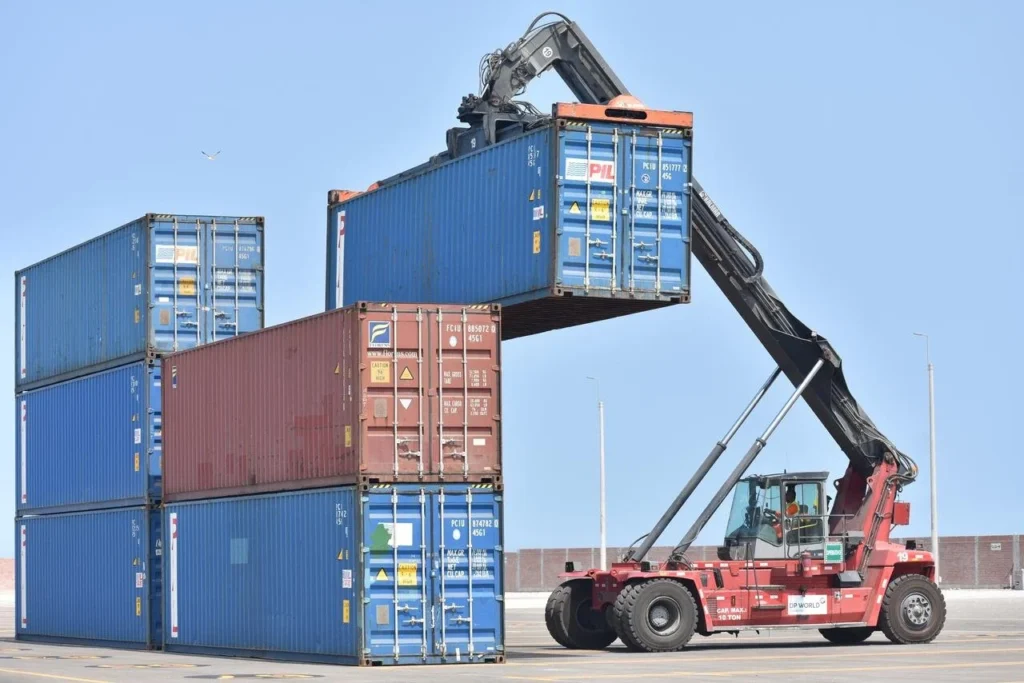
Damage during international transport is rarely the result of a single catastrophic event. More often, it is cumulative.
Typical Causes of Cargo Damage
- Improper palletization
- Inadequate container blocking and bracing
- Excessive moisture and condensation
- Repeated handling across ports
- Temperature fluctuations
In long-distance shipments, small vulnerabilities compound over time.
We have observed that damage rates increase significantly when packaging standards are designed only for domestic transport rather than global transit.
The Damage Claims Process: What Really Happens
Filing a damage claim is not simply notifying an insurer that something went wrong. It is a structured legal and evidentiary process.
Immediate Actions Upon Discovery of Damage
Timing is critical. Upon receiving damaged goods, you must:
- Document damage immediately with photos and notes
- Preserve packaging and materials
- Notify carriers and insurers within required timeframes
- Avoid disposing of damaged goods prematurely
Failure at this stage often weakens or voids claims.
Documentation Required for Cargo Claims
Most claims require:
- Commercial invoice
- Packing list
- Bill of lading
- Insurance policy
- Survey report
- Proof of value
Incomplete or inconsistent documentation is one of the leading causes of claim rejection.
Common Mistakes in Cargo Insurance and Claims Management
Even experienced manufacturers make recurring errors.
Assuming the Carrier Is Liable
Carriers’ liability is limited by international conventions and often capped far below cargo value. Relying on carrier liability instead of insurance is a costly misconception.
Under-Declaring Cargo Value
To save on premiums, some buyers under-declare value. This results in under-compensation when losses occur.
Treating Insurance as a Standalone Purchase
Insurance without risk management is reactive. It pays after loss, but does not prevent disruption.
We have seen companies recover partial financial losses while still losing production time and customer trust.
Risk Management as a System, Not a Policy
True risk management integrates insurance, packaging, logistics planning, and documentation discipline.
Packaging as the First Line of Defense
Well-designed packaging reduces both damage probability and insurance disputes. For industrial shipments, this includes:
- Load-tested pallets
- Moisture barriers
- Shock indicators
- Container-specific packing plans
Insurers increasingly scrutinize packaging quality when evaluating claims.
Route and Mode Selection
Choosing between ocean, air, or multimodal transport affects risk exposure. Faster is not always safer, and cheaper is rarely risk-neutral.
Strategic route planning considers:
- Transshipment frequency
- Seasonal weather risks
- Port congestion trends
Scaling Risk Management for High-Volume Shipments
As shipment volume increases, risk multiplies—not linearly, but exponentially.
Portfolio-Level Risk View
High-volume importers benefit from analyzing risk across shipments rather than individually. This enables:
- Pattern recognition
- Loss trend analysis
- Policy optimization
We have seen manufacturers reduce total loss impact by adjusting insurance structure rather than increasing coverage blindly.
Claims Frequency vs. Severity
Frequent small claims can raise premiums and damage insurer relationships. Preventive measures often yield better returns than repeated recovery efforts.
The Role of MT Royal in Shipment Risk Strategy
At MT Royal, we approach cargo insurance and risk management as part of sourcing intelligence, not an administrative checkbox. We have worked with factories that sourced competitively but underestimated transit risk—only realizing the cost when production lines stopped.
When we say “we,” it reflects direct experience:
- We have seen claims succeed because documentation was prepared before shipment
- We have seen losses minimized through packaging redesign
- We have seen insurance become a stabilizing force rather than a fallback
Our role is to help clients anticipate where risk accumulates and address it before goods move.
Comparing Risk Profiles Across Global Trade Lanes
Not all trade lanes carry the same risk. Factors include:
- Transit duration
- Infrastructure reliability
- Political stability
- Regulatory enforcement
Understanding these variables allows buyers to adjust insurance terms and operational controls accordingly.
Frequently Asked Questions from Logistics and Procurement Leaders
Is cargo insurance mandatory?
No, but operating without it exposes companies to potentially unrecoverable losses.
Does insurance cover delay-related losses?
Typically no. Business interruption requires separate planning.
Can one policy cover multiple shipments?
Yes. Open cargo policies are common for frequent shippers.
How long do claims take to resolve?
Well-prepared claims may resolve in weeks; poorly documented ones can take months.
Turning Risk Management into Operational Confidence
Companies that treat cargo insurance as a strategic tool gain more than reimbursement—they gain predictability.
Effective risk management:
- Protects cash flow
- Stabilizes production planning
- Preserves customer trust
We have seen manufacturers transform shipping risk from a constant worry into a managed variable.
A More Mature View of International Shipping Risk
International trade will always involve uncertainty. Containers will move through storms, ports will congest, and human error will occur. The difference between disruption and resilience lies in preparation.
Cargo insurance, damage claims discipline, and integrated risk management form a system—one that rewards foresight and punishes assumptions.
Manufacturers who understand this do not ask whether risk exists. They ask whether their systems are designed to absorb it.
MT Royal supports those manufacturers—companies that recognize that in global trade, resilience is not accidental. It is engineered.




No comment