

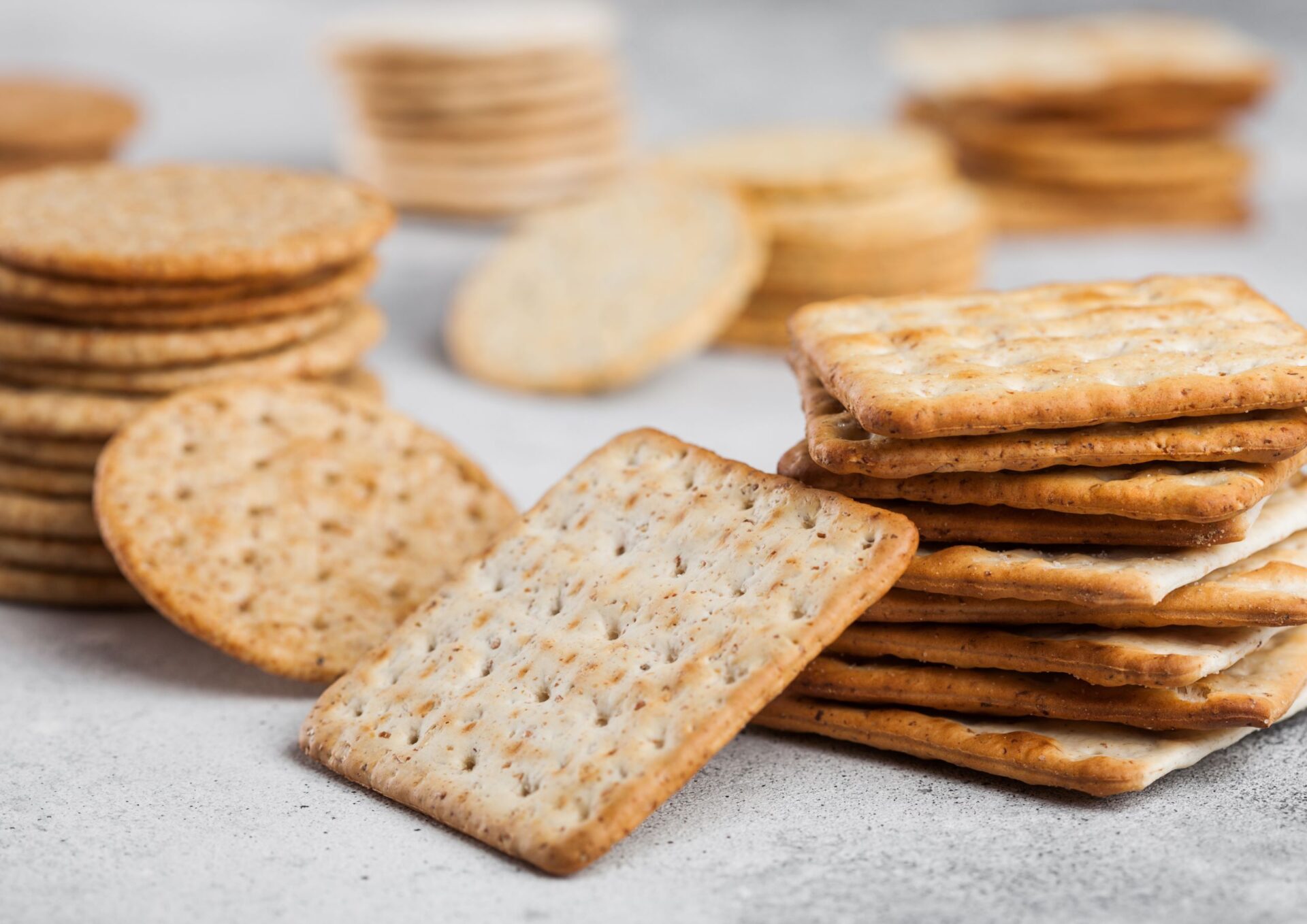
When your factory searches for a Biscuit Ingredients Supplier for Afghanistan, the goal is not merely to purchase raw materials. You are investing in the backbone of your production line—the very components that define texture, taste, shelf life, and customer satisfaction. In biscuit manufacturing, ingredients are more than inputs; they are the bridge between your recipes, operational efficiency, and market success. Selecting the right supplier is thus a strategic decision, one that shapes product consistency, cost-effectiveness, and growth potential.
MT Royal has emerged as a trusted partner for biscuit manufacturers who require reliability and expertise in sourcing ingredients. With our extensive experience in working alongside factories across Afghanistan, we understand the nuances of the local market, climatic challenges, and the precise requirements of industrial-scale production.
This article is designed to fully address the needs of anyone searching for a Biscuit Ingredients Supplier for Afghanistan, offering insights into industrial standards, sourcing strategies, and practical guidance for scaling production without compromising quality.
latamarko alkalized cocoa powder lm60
cocoa powder for chocolate production-Best price
Food industry raw materials – list of products
Types of Gelatin from Turkish Manufacturer
Alkalized Cocoa Powder Supplier
Understanding the Importance of Biscuit Ingredients
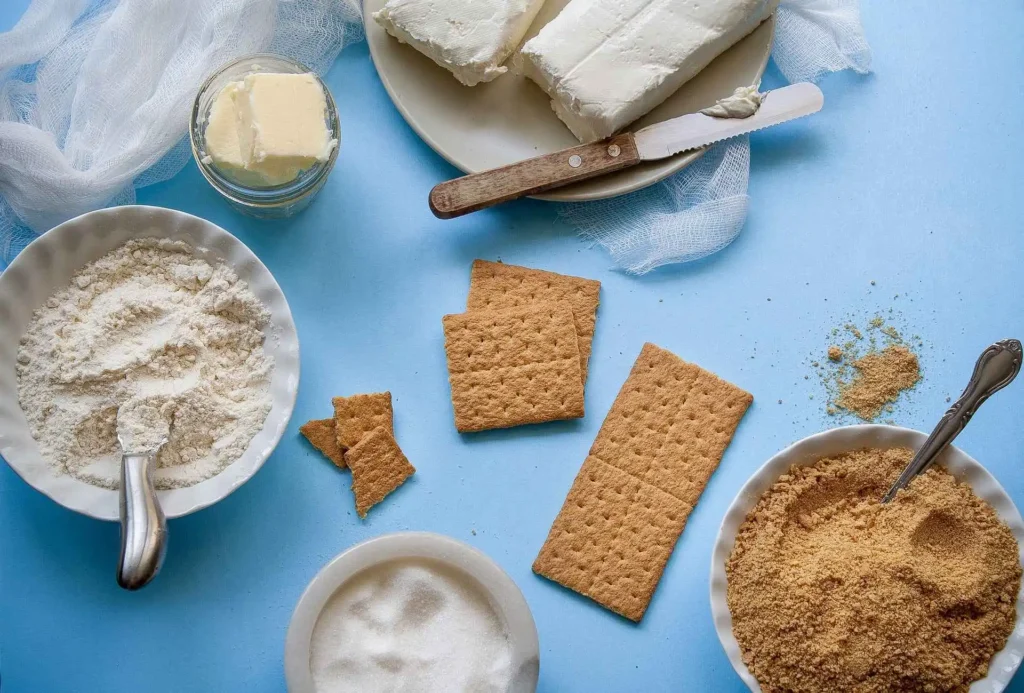
Biscuit manufacturing may appear straightforward at first glance—flour, sugar, fat, and water—but industrial-scale production demands precision. Each ingredient influences dough rheology, baking behavior, shelf stability, and sensory attributes. Any compromise in ingredient quality can lead to:
- Uneven dough texture or spread
- Poor volume or density control
- Rapid staling or moisture loss
- Flavor inconsistency across batches
- Color variability after baking
Manufacturers who overlook these factors often face wasted production runs and higher operational costs. That’s why sourcing from a reliable supplier is essential.
Core Categories of Biscuit Ingredients
A strategic biscuit ingredients supplier considers the functional role of ingredients and their interactions, rather than merely selling raw materials. Key categories include:
1. Flours and Functional Starches
Wheat flour remains the cornerstone, but flour functionality varies widely. Protein content influences dough strength and spread, while starch behavior impacts crispness. Modified starches are increasingly used to improve shelf life, texture, and moisture retention.
2. Sugars and Sweeteners
Sucrose, glucose syrup, and maltose each affect crystallization, color, and sweetness perception. High-solids syrups improve chewiness in soft biscuits and reduce stickiness in coatings.
3. Fats and Oils
Vegetable oils, margarine, shortening, and specialty fats determine mouthfeel, spread, and shelf life. Proper fat selection ensures even baking and prevents structural collapse.
4. Leavening Agents
Baking powder, sodium bicarbonate, and ammonium bicarbonate control volume and crumb texture. A consistent leavening system is critical for industrial-scale consistency.
5. Flavorings and Inclusions
Natural and artificial flavors, along with chocolate chips, nuts, and dried fruits, contribute to consumer appeal. Supplier guidance ensures inclusion stability during mixing and baking.
6. Emulsifiers and Dough Conditioners
Lecithin, DATEM, and SSL stabilize dough, improve machinability, and enhance crumb structure. Without proper guidance, over- or under-dosing can negatively impact dough handling.
Common Mistakes in Sourcing Biscuit Ingredients
Even experienced factories make errors that impact product quality:
Relying Solely on Price
Buying the cheapest ingredient can compromise consistency and increase waste.
Switching Suppliers Frequently
Frequent changes disrupt dough behavior, resulting in quality variations.
Ignoring Local Conditions
Afghanistan’s climate—with variable humidity and temperature—affects moisture-sensitive ingredients like flours and fats.
Overlooking Technical Support
Ingredient lists alone do not solve formulation challenges. Expert advice is vital to ensure compatibility and scalability.
At MT Royal, we have seen factories resolve years-long issues simply by standardizing their ingredient sources with guidance on handling and storage.
Scaling Biscuit Production: Industrial Insights
Small-scale baking tolerates slight ingredient variation, but at industrial volume, even minor inconsistencies can amplify problems. Key considerations for scaling include:
- Precise water absorption and dough consistency
- Accurate fat incorporation to avoid spread issues
- Consistent leavening for uniform height and texture
- Proper handling of inclusions to prevent burning or migration
Our experience shows that factories using a stable supply of high-quality ingredients save time and reduce production errors, enabling focus on product innovation.
Innovative Ingredients and Emerging Trends
Biscuit ingredients are evolving to meet global consumer trends:
- Health-conscious formulations: Reduced sugar, fiber enrichment, and wholegrain integration
- Functional fats: Heat-stable alternatives for tropical climates
- Plant-based additives: Replacing animal-derived emulsifiers or fats for vegetarian/vegan products
- Clean-label solutions: Simplifying ingredient lists without compromising performance
- Enhanced storage stability: Ingredients that maintain texture and flavor over longer shelf life
Suppliers who track these trends and provide technical support help factories stay competitive while reducing trial-and-error reformulation.
Integrating Supplier Expertise into Production
A competent biscuit ingredients supplier does more than deliver products—they act as an industrial partner:
- Advising on ingredient selection based on recipe and equipment
- Providing guidance for scaling small-batch recipes to industrial lines
- Offering storage and handling recommendations to prevent spoilage
- Ensuring compliance with local and international food safety standards
We have seen factories improve dough machinability, prevent staling, and enhance consumer acceptance by leveraging supplier expertise.
Frequently Asked Questions by Factory Managers
Q: Why do my biscuits spread too much during baking?
A: Likely causes include flour protein level, fat type, or leavening ratio. Correcting one or more variables can restore balance.
Q: Can I use one type of sugar for all biscuit varieties?
A: Different biscuits—short, layered, or soft—require sugar with specific crystallization and sweetness properties.
Q: How should ingredients be stored in Afghanistan’s climate?
A: Temperature- and humidity-controlled storage is essential, particularly for fats, flours, and gelling agents.
Q: How often should suppliers provide technical guidance?
A: Ideally, on every new ingredient batch or formulation adjustment, to maintain consistency at scale.
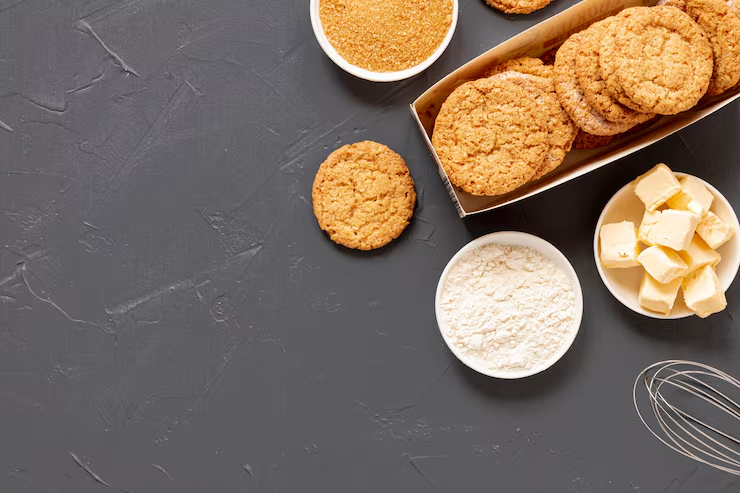
Selecting the Right Biscuit Ingredients Supplier for Afghanistan
When evaluating suppliers, factories should consider:
- Proven reliability and consistency of supply
- Technical support for formulation and processing
- Compatibility of ingredients with local climate and equipment
- Knowledge of regulatory requirements
- Ability to source a wide range of functional ingredients
MT Royal excels in these areas, offering a trusted partnership for Afghan biscuit manufacturers seeking consistency, innovation, and cost-effective solutions. We have witnessed factories streamline production and elevate product quality by working with a supplier who understands both ingredients and operational realities.
Building Long-Term Success in Biscuit Manufacturing
Biscuit production is an intersection of science, art, and logistics. Success requires more than recipes—it requires a foundation of reliable, functional ingredients, and a supplier who understands the subtleties of industrial-scale production. Factories that integrate supplier expertise into R&D, production, and procurement gain a competitive edge and reduce costly mistakes.
By standardizing ingredient sourcing, adopting best practices in storage and handling, and leveraging supplier insights, Afghan biscuit manufacturers can achieve consistent quality, innovate confidently, and scale operations sustainably.
The right Biscuit Ingredients Supplier for Afghanistan is more than a vendor—they are a partner in shaping product excellence, operational efficiency, and long-term market success.



No comment