

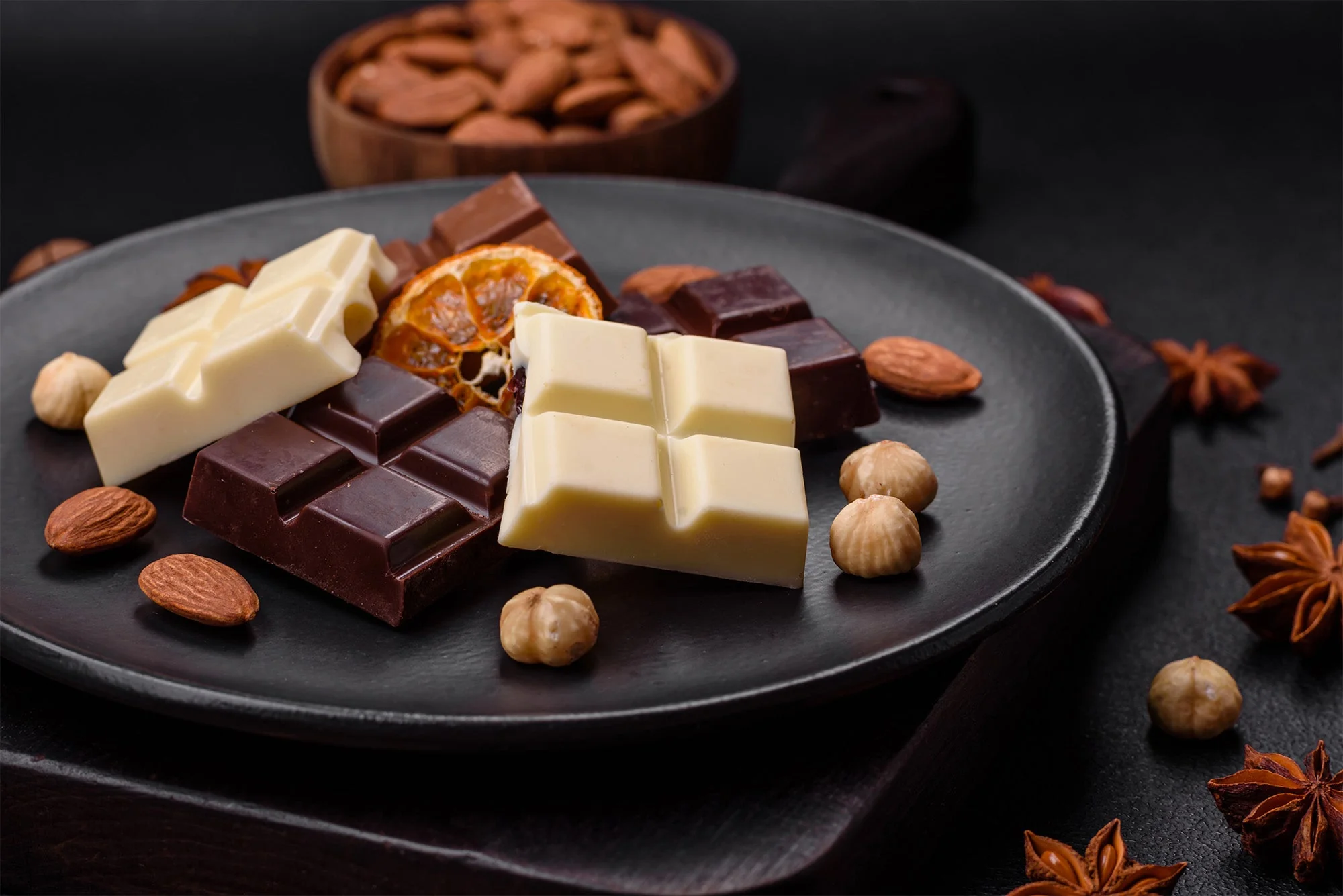
In the premium chocolate industry, exceptional products are rarely created by accident. Behind every successful chocolate brand is a careful selection process that begins long before the production line starts running. The quality of cocoa ingredients determines the final chocolate’s aroma, flavor complexity, texture, appearance, and overall consumer experience.
Many manufacturers focus heavily on refining recipes, improving packaging, or optimizing production speed, but the foundation of a truly premium chocolate product remains the same: high-quality cocoa ingredients. Whether a factory produces dark chocolate, milk chocolate, pralines, chocolate coatings, cocoa beverages, or bakery applications, selecting the right cocoa materials is one of the most important decisions affecting product performance.
Premium suppliers and manufacturers, including respected names such as Latamarko, demonstrate how attention to ingredient quality, consistency, and production standards can influence the final value of chocolate products. For industrial buyers, cocoa procurement is not simply about finding the lowest price; it is about creating a reliable supply chain that supports quality consistency and long-term brand reputation.
At MT Royal, we work with manufacturers looking for dependable cocoa solutions by providing access to different brands and ingredient options at competitive prices. We understand that production facilities need more than raw materials—they need stable quality, technical confidence, and suppliers who understand industrial requirements.
So, how can manufacturers choose the right cocoa ingredients for premium chocolate production? What technical factors should procurement teams evaluate before placing large-volume orders? This guide explores the key considerations.
LATAMARKO LM60 – Premium Spanish-Origin Cocoa Powder
latamarko alkalized cocoa powder lm60
cocoa powder for chocolate production-Best price
Food industry raw materials – list of products
Understanding the Main Cocoa Ingredients Used in Chocolate Manufacturing
Before selecting cocoa ingredients, manufacturers need a clear understanding of how each ingredient contributes to the final product. Every cocoa component has unique characteristics, and choosing the wrong material can affect flavor balance, production efficiency, and product consistency.
The main cocoa ingredients used in professional chocolate manufacturing include:
- Cocoa Beans: Cocoa beans are the foundation of all chocolate products. Their origin, fermentation process, roasting profile, and processing methods directly influence the final flavor. Beans from different regions can provide completely different sensory experiences, from fruity and floral notes to deep chocolate and nutty characteristics.
- Cocoa Powder: Cocoa powder is widely used in chocolate products, bakery items, beverages, and confectionery applications. Factors such as fat content, color intensity, pH level, and alkalization process determine how the powder performs in different formulations.
- Cocoa Butter: Cocoa butter plays a critical role in chocolate texture, melting behavior, gloss, and mouthfeel. High-quality cocoa butter helps manufacturers achieve the smooth and luxurious characteristics expected from premium chocolate products.
- Cocoa Liquor: Cocoa liquor, also known as cocoa mass, contains both cocoa solids and natural cocoa fat. It provides deep chocolate flavor and is especially important in dark chocolate production where cocoa intensity is a major selling point.
Key Factors for Selecting Premium Cocoa Ingredients
Choosing cocoa ingredients for industrial chocolate production requires more than checking a supplier’s price list. Professional manufacturers evaluate multiple technical and commercial factors to ensure the ingredients meet production goals.
1. Cocoa Origin and Flavor Profile
The geographical origin of cocoa beans has a significant influence on the taste and aroma of chocolate. Climate, soil conditions, farming methods, fermentation techniques, and post-harvest handling all contribute to the final flavor profile.
For premium chocolate manufacturers, cocoa origin is often used as a quality indicator and marketing advantage. Single-origin chocolates and specialty cocoa products have gained popularity because consumers increasingly appreciate unique flavor experiences.
When selecting cocoa ingredients, manufacturers should consider:
- Flavor consistency: Industrial production requires stable flavor characteristics from batch to batch. A supplier must provide ingredients with predictable sensory performance to prevent variations in the final product.
- Product positioning: A luxury dark chocolate product may require cocoa with complex aromatic notes, while a mass-market chocolate coating may prioritize cost efficiency and functional performance.
- Customer expectations: Different markets have different preferences. Some consumers prefer intense cocoa flavors, while others enjoy smoother and sweeter profiles.
2. Cocoa Powder Fat Content and Functional Performance
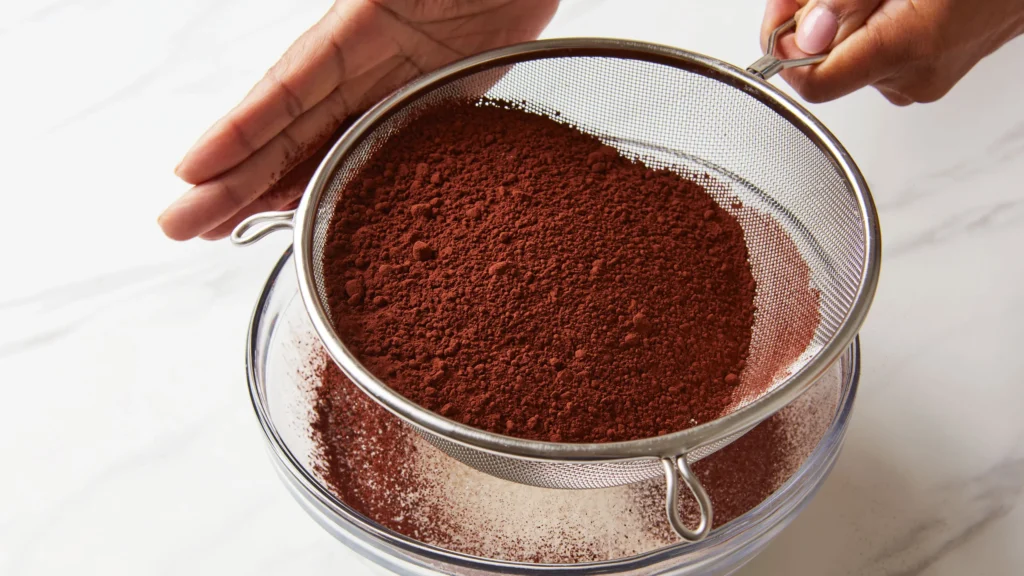
One of the most important technical considerations when purchasing cocoa powder is fat content. The percentage of cocoa butter remaining in the powder affects flavor intensity, texture, and processing behavior.
High-fat cocoa powders generally provide richer chocolate flavor and a smoother mouthfeel, making them suitable for premium applications. Lower-fat cocoa powders may be preferred for specific formulations where cost optimization or powder functionality is more important.
Manufacturers should evaluate several points before choosing cocoa powder:
- Application requirements: Chocolate drinks, biscuits, cakes, and chocolate bars each require different cocoa characteristics. The ideal powder for one product may not perform well in another application.
- Recipe balance: Cocoa powder must work effectively with sugar, milk ingredients, fats, and other components to create the desired final structure.
- Production efficiency: The right cocoa powder can improve mixing behavior, reduce processing challenges, and support consistent output.
Natural Cocoa vs. Alkalized Cocoa: Choosing the Right Option
One of the most common decisions in cocoa procurement is choosing between natural cocoa powder and alkalized cocoa powder.
Natural cocoa powder maintains its original acidity and typically has a lighter color with a sharper chocolate flavor. It is often selected for applications where a stronger cocoa character is desired.
Alkalized cocoa powder undergoes a treatment process that reduces acidity and creates a darker color with a smoother, less bitter taste. It is widely used in premium chocolate products, bakery applications, and beverages where rich color and balanced flavor are important.
The right choice depends on the desired product characteristics:
- Dark chocolate applications: Manufacturers often prefer cocoa ingredients with strong flavor intensity and high-quality cocoa solids to achieve a sophisticated taste profile.
- Chocolate beverages: Alkalized cocoa is frequently selected because its darker appearance and smoother flavor improve consumer appeal.
- Bakery products: The choice depends on the recipe, color requirements, and interaction with other ingredients.
Common Mistakes Manufacturers Make When Buying Cocoa Ingredients
Even experienced production teams can face challenges when sourcing cocoa ingredients. Many problems occur because procurement decisions focus only on immediate costs instead of long-term production performance.
Some common mistakes include:
- Choosing suppliers based only on price: Lower-priced cocoa ingredients may create hidden costs through inconsistent quality, production adjustments, or customer dissatisfaction. A reliable supplier should provide both competitive pricing and dependable specifications.
- Ignoring technical documentation: Manufacturers should always review important details such as cocoa fat percentage, moisture level, microbiological standards, and processing information before purchasing.
- Failing to test samples: Large-scale orders should never be based only on product descriptions. Pilot testing helps manufacturers evaluate flavor, processing behavior, and compatibility with existing formulations.
- Overlooking supply chain stability: A premium chocolate factory depends on consistent ingredient availability. Unexpected supply interruptions can affect production schedules and customer commitments.
How Factory Managers Can Build a Better Cocoa Procurement Strategy
For industrial chocolate manufacturers, ingredient selection should be part of a broader supply chain strategy. A successful procurement process combines technical evaluation, supplier relationships, and long-term planning.
A practical approach includes the following steps:
Define Product Requirements First
Before contacting suppliers, manufacturers should clearly identify their product goals. A premium dark chocolate, for example, requires different cocoa characteristics compared with a chocolate-flavored filling or coating.
Production teams should define:
- Target flavor profile and cocoa intensity
- Required color characteristics
- Desired texture and melting behavior
- Production volume and purchasing frequency
Evaluate Supplier Expertise
A supplier should not only provide ingredients but also understand manufacturing challenges. Experience with industrial facilities can make a major difference when solving formulation or sourcing issues.
At MT Royal, we have seen that manufacturers achieve better results when they work with suppliers who understand production realities, including consistency requirements, bulk ordering challenges, and cost control.
Consider Long-Term Ingredient Performance
Premium chocolate production depends on repeatability. A cocoa ingredient that performs well in one batch but changes significantly in another can create serious operational problems.
Manufacturers should prioritize suppliers capable of maintaining:
- Stable quality standards
- Reliable delivery schedules
- Consistent product specifications
- Technical support when needed
Future Trends in Cocoa Ingredient Selection
The cocoa industry continues to evolve as manufacturers respond to changing consumer expectations and global supply challenges. Sustainability, traceability, and functional performance are becoming increasingly important factors in purchasing decisions.
Several trends are shaping the future of cocoa sourcing:
- Greater demand for traceable cocoa: Consumers and brands increasingly want transparency regarding cocoa origin and production practices.
- Premiumization of chocolate products: More companies are investing in higher-quality cocoa ingredients to create unique products with stronger market positioning.
- Improved supply chain management: Manufacturers are focusing on reliable partnerships to reduce risks related to availability and price fluctuations.
Frequently Asked Questions About Selecting Cocoa Ingredients
What is the most important factor when choosing cocoa ingredients?
The most important factor depends on the product goal, but quality consistency, flavor profile, and supplier reliability are among the most critical considerations for industrial manufacturers.
Is expensive cocoa always better for premium chocolate?
Not necessarily. Premium chocolate requires the right cocoa ingredient for the specific formulation. The best choice balances quality, performance, and production requirements.
How can manufacturers ensure consistent cocoa quality?
Working with reliable suppliers, testing batches, reviewing technical specifications, and maintaining strong quality control procedures help ensure consistency.
Should factories choose natural or alkalized cocoa powder?
The choice depends on the final application. Natural cocoa provides stronger acidity and traditional cocoa notes, while alkalized cocoa offers darker color and smoother flavor.

Final Thoughts
Selecting the right cocoa ingredients is one of the most important decisions a chocolate manufacturer can make. The quality of cocoa affects everything from production efficiency to customer satisfaction, making ingredient selection a strategic investment rather than a simple purchasing decision.
Factories that carefully evaluate cocoa origin, technical specifications, supplier reliability, and long-term performance create a stronger foundation for premium chocolate production. In an industry where consumers can taste the difference, the question is not only which cocoa ingredient costs less—it is which ingredient helps your brand create a chocolate experience worth remembering.




No comment