

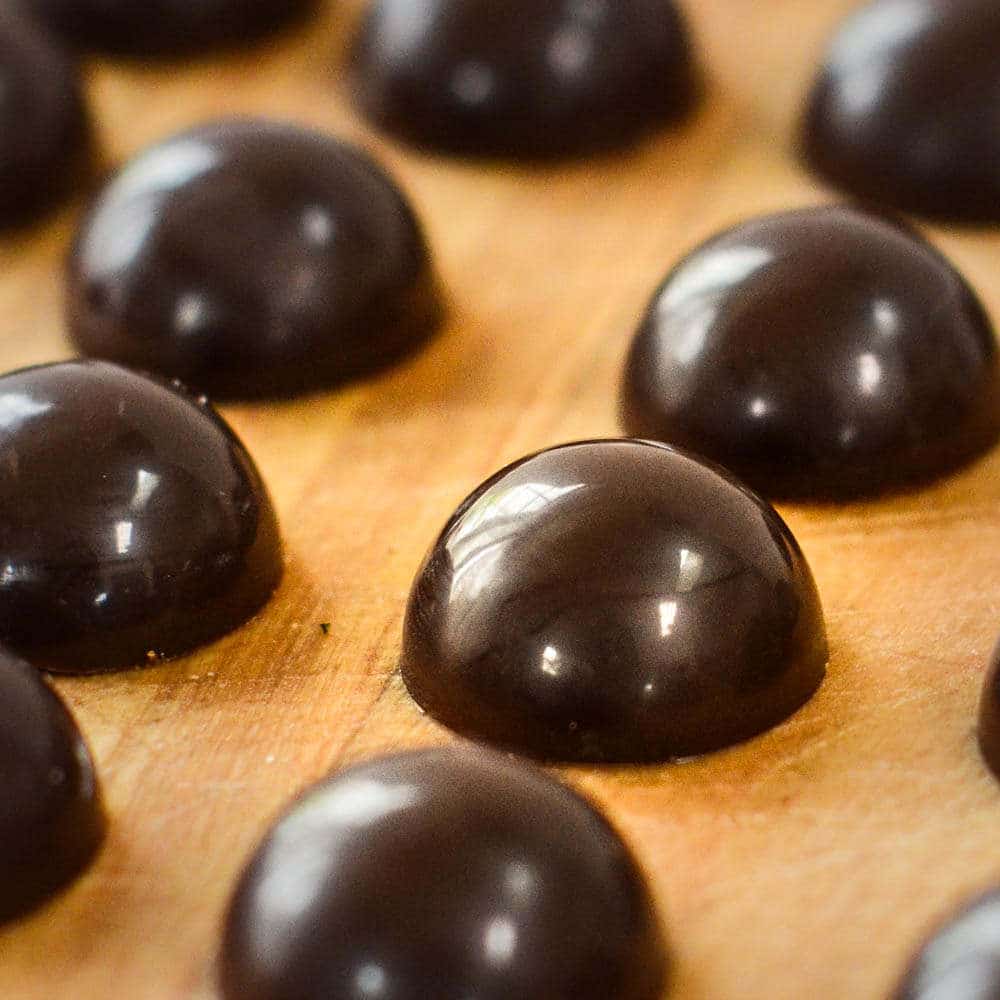
A chocolate bar can have excellent ingredients, the right recipe, and advanced production equipment, yet still fail to meet premium quality standards if tempering is not controlled correctly. The difference between ordinary chocolate and high-end chocolate is often hidden inside a microscopic crystal structure that determines gloss, snap, melting behavior, and shelf stability.
For chocolate manufacturers, tempering is not simply a technical step—it is one of the most important quality control processes in the entire production line. A small mistake in temperature management, cooling speed, or crystal formation can lead to problems such as dull surfaces, fat bloom, poor texture, weak contraction, and unstable products during storage.
In premium chocolate production, ingredient quality and processing accuracy must work together. Spanish-origin premium brands such as Latamarko represent the importance of precision, consistency, and quality-focused approaches that modern manufacturers expect when producing high-value confectionery products.
At MT Royal, we support manufacturers by supplying different brands and ingredient solutions at competitive prices while helping production teams understand the technical requirements behind successful chocolate processing. We have worked with manufacturing facilities across different industries and understand that reducing production problems requires more than purchasing raw materials—it requires controlling every stage from formulation to final packaging.
This guide explores the most common chocolate tempering problems, why they happen, and how factory managers, production supervisors, and quality teams can solve them.
LATAMARKO LM60 – Premium Spanish-Origin Cocoa Powder
latamarko alkalized cocoa powder lm60
cocoa powder for chocolate production-Best price
Food industry raw materials – list of products
What Is Chocolate Tempering and Why Is It Important?
Chocolate tempering is the controlled process of heating, cooling, and reheating chocolate to create stable cocoa butter crystals. Cocoa butter can form several different crystal structures, but only certain forms provide the desirable characteristics expected from premium chocolate.
Properly tempered chocolate delivers:
- A shiny and attractive surface that improves consumer perception and signals product quality.
- A firm texture with a clean snap when broken, which is especially important for chocolate bars and premium confectionery.
- A smooth melting profile that creates the expected mouthfeel during consumption.
- Better resistance against fat bloom and storage-related defects.
Without correct tempering, chocolate may appear acceptable immediately after production but develop defects after days or weeks in storage.
Common Chocolate Tempering Problems in Manufacturing
Large-scale chocolate manufacturers often face similar tempering challenges. Understanding the root cause is the first step toward finding an effective solution.
Chocolate Has a Dull or Matte Surface
One of the most common tempering problems is chocolate losing its expected shine. Instead of a glossy appearance, the surface looks cloudy or gray.
This usually indicates that cocoa butter crystals did not form correctly.
Main Causes of Dull Chocolate
Several production factors can create a dull chocolate surface:
- Incorrect cooling temperature: If chocolate is cooled too quickly or too slowly, unstable crystals may dominate the structure.
- Insufficient agitation: Proper movement during tempering helps distribute crystals evenly throughout the chocolate mass.
- Poor reheating control: Excessive reheating can destroy the desirable crystals created during cooling.
- Inconsistent ingredient quality: Variations in cocoa butter characteristics can influence crystallization behavior.
How to Fix Dull Chocolate
Manufacturers should carefully review the entire tempering curve rather than adjusting only one temperature point.
Recommended actions include:
- Monitoring chocolate temperature at every stage.
- Checking tempering equipment calibration.
- Increasing process consistency between production batches.
- Testing cocoa butter crystallization behavior.
A factory producing thousands of chocolate units per hour cannot rely on visual inspection alone. Proper temperature monitoring and quality testing are essential.
Chocolate Does Not Set Properly
Another common issue occurs when chocolate remains soft, sticky, or takes too long to solidify.
This creates serious problems for industrial production because products may fail during demolding, packaging, or transportation.
Why Chocolate Remains Soft
Several reasons can explain poor setting behavior:
- Incorrect tempering temperature.
- Too many unstable cocoa butter crystals.
- Cooling tunnels operating outside the required conditions.
- Excessive fat content or formulation imbalance.
Solutions for Better Setting Performance
Manufacturers should evaluate both equipment settings and recipe formulation.
Useful improvements include:
- Adjusting cooling tunnel temperature and airflow.
- Ensuring chocolate enters the cooling stage with proper temper.
- Reviewing cocoa butter and fat ratios.
- Performing regular crystallization tests.
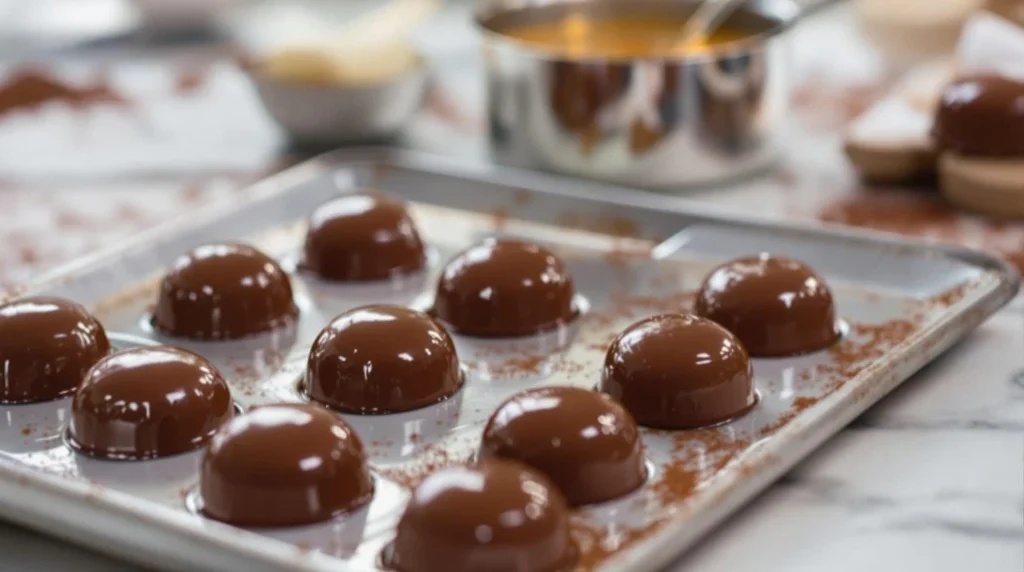
Fat Bloom Appears After Production
Fat bloom is one of the most expensive quality problems in chocolate manufacturing because products may pass initial inspection but fail later during storage.
Fat bloom appears as white or gray streaks on the surface of chocolate. It occurs when cocoa butter migrates and recrystallizes incorrectly.
Common Reasons for Fat Bloom
Fat bloom often develops because of:
- Unstable cocoa butter crystals.
- Temperature fluctuations during transportation.
- Poor storage conditions.
- Incompatible fats in the formulation.
Preventing Fat Bloom Through Better Tempering
The most effective prevention method is creating a stable crystal structure from the beginning.
Manufacturers should focus on:
- Accurate tempering profiles.
- Stable warehouse temperatures.
- Proper packaging systems.
- Consistent raw material quality.
Chocolate Becomes Too Thick During Tempering
Many factories experience a situation where chocolate becomes difficult to pump, coat, or mold.
High viscosity creates problems such as:
- Uneven coating thickness.
- Increased production time.
- Higher energy consumption.
- Equipment blockage.
Why Chocolate Gets Too Thick
Possible causes include:
- Excessive formation of cocoa butter crystals.
- Chocolate temperature dropping too low.
- Incorrect fat balance.
- Insufficient cocoa butter content.
How to Reduce Excessive Viscosity
Production teams can improve flow behavior by:
- Slightly increasing working temperature within safe limits.
- Reviewing cocoa butter levels.
- Checking particle size distribution.
- Maintaining consistent agitation.
At MT Royal, we often see that manufacturers achieve better results when they consider ingredient behavior alongside machine settings. A small formulation adjustment can sometimes solve a major processing challenge.
Chocolate Becomes Too Thin During Processing
While excessive thickness is problematic, chocolate that becomes too thin can also create quality issues.
Thin chocolate may cause:
- Poor coating coverage.
- Weak product structure.
- Inconsistent weight distribution.
Causes of Low Chocolate Viscosity
Common reasons include:
- Overheating during tempering.
- Loss of stable cocoa butter crystals.
- Excessive liquid fat content.
- Incorrect processing temperatures.
Corrective Actions
Manufacturers should:
- Reduce unnecessary heating.
- Review formulation balance.
- Monitor tempering equipment continuously.
- Avoid repeated melting cycles.
Chocolate Has Poor Snap or Breaks Incorrectly
Premium chocolate should have a clean, sharp snap when broken. A weak or flexible texture usually indicates tempering problems.
Why Snap Quality Changes
The main factors include:
- Incorrect crystal formation.
- Poor cooling conditions.
- Excessive moisture exposure.
- Ingredient imbalance.
Improving Chocolate Snap
Manufacturers should maintain:
- Stable Beta V crystal formation.
- Controlled cooling rates.
- Proper storage conditions.
Chocolate Sticks to Molds
Chocolate that does not release properly from molds can slow production and increase waste.
Reasons Chocolate Sticks
Common causes include:
- Poor tempering.
- Insufficient cooling.
- Mold temperature problems.
- Surface contamination.
Solutions for Better Demolding
Factories should:
- Maintain clean molds.
- Control cooling tunnel performance.
- Verify chocolate crystallization before demolding.
The Role of Ingredients in Chocolate Tempering Performance
Tempering success depends heavily on ingredient quality.
Important factors include:
Cocoa Butter Quality
Cocoa butter determines melting behavior and crystal formation. High-quality cocoa butter provides more predictable tempering performance.
Cocoa Powder Characteristics
Cocoa powder affects flavor, color, and formulation balance. Particle size, moisture content, and fat level influence processing behavior.
Sugar Particle Size
Sugar affects texture and viscosity. Fine particle distribution helps manufacturers create smoother chocolate structures.
Premium ingredient suppliers and manufacturers often focus on consistency because even small variations can affect large-scale production.
Industrial Tips for Better Tempering Control
Successful chocolate manufacturers usually combine technology, monitoring, and experience.
Important practices include:
- Regular equipment calibration: Tempering machines must provide accurate temperature control to maintain consistent results.
- Continuous quality testing: Checking gloss, viscosity, snap, and crystallization helps identify problems before products reach customers.
- Stable production environments: Temperature and humidity control reduce unexpected defects.
- Supplier reliability: Consistent ingredient supply helps factories maintain the same formulation performance.
Comparing Manual and Automated Tempering Systems
Modern chocolate factories increasingly use automated systems because they provide better control.
| Feature | Manual Tempering | Automated Tempering |
|---|---|---|
| Temperature control | Depends on operator skill | Highly controlled |
| Production volume | Limited | Suitable for large factories |
| Consistency | Variable | More stable |
| Labor requirement | Higher | Lower |
For industrial production, automation improves repeatability, but skilled operators remain important because they understand how chocolate behaves beyond machine readings.
Frequently Asked Questions About Chocolate Tempering Problems
Why does tempered chocolate lose its shine?
Chocolate usually loses shine because cocoa butter crystals are unstable or tempering temperatures are incorrect.
Can poorly tempered chocolate be fixed?
Yes. Chocolate can often be remelted and tempered again if the formulation remains suitable.
What temperature is best for chocolate tempering?
The ideal temperature depends on the chocolate type, including dark, milk, or white chocolate. Each formulation requires a specific tempering curve.
Does humidity affect chocolate tempering?
Yes. High humidity can contribute to quality problems, especially sugar bloom and surface defects.
Why is tempering important for industrial chocolate production?
Tempering ensures consistent appearance, texture, shelf life, and customer satisfaction.
Final Thoughts
Chocolate tempering is where science meets craftsmanship. A successful production line depends not only on advanced equipment but also on understanding how cocoa butter crystals, ingredients, temperature, and storage conditions interact.
The most successful manufacturers treat tempering as a strategic quality process rather than a simple production step. By controlling temperatures, selecting reliable ingredients, monitoring conditions, and working with experienced suppliers, factories can reduce waste and produce chocolate with the premium appearance customers expect.
In an industry where consumers judge quality within seconds of opening a package, the smallest details in tempering can become the biggest difference between an average chocolate product and an exceptional one.
Industrial Chocolate Manufacturing Troubleshooting Guide


No comment