

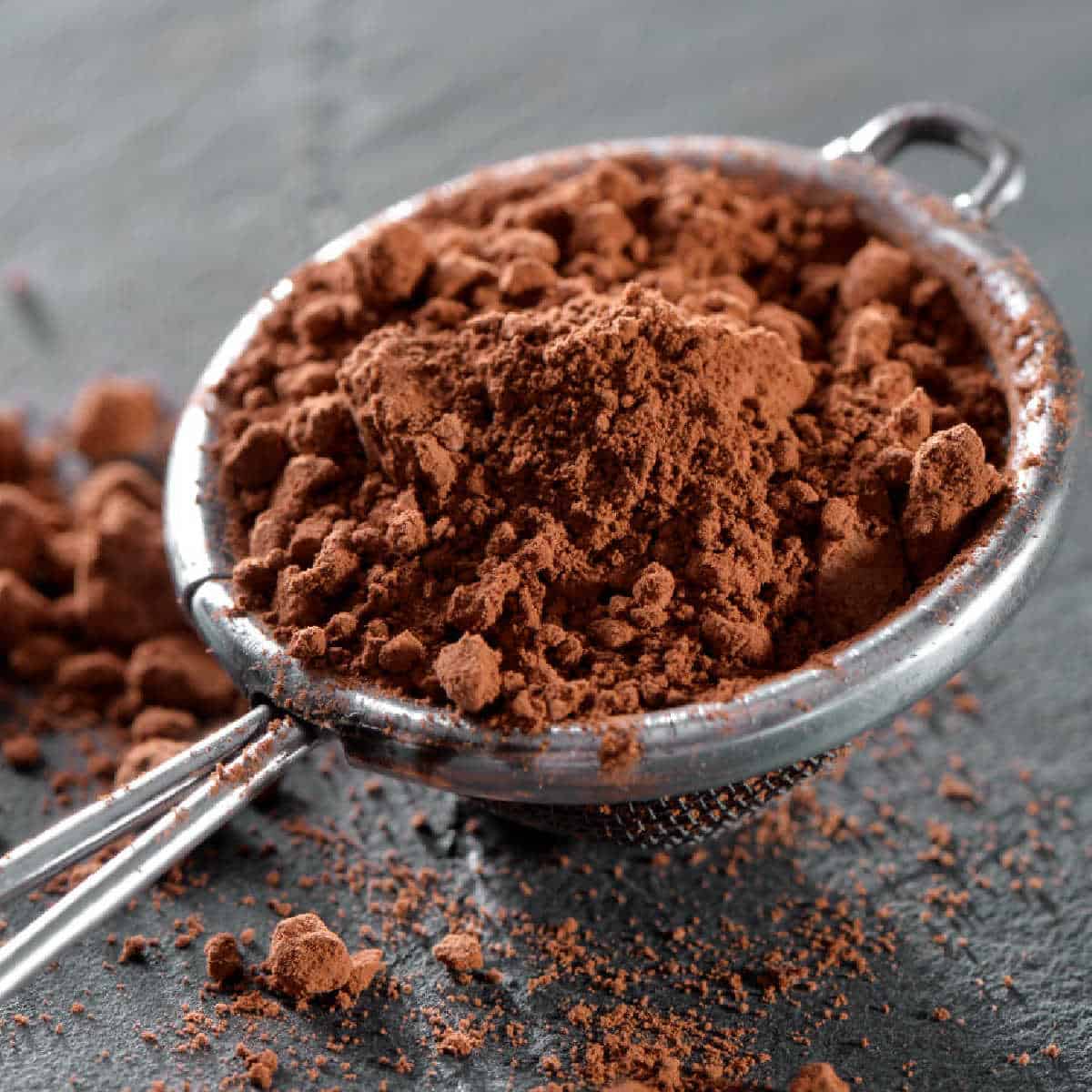
Chocolate manufacturing has always looked like a delicate balancing act from the outside—part science, part craftsmanship, and part intuition developed over years of production floor experience. But if you step closer into the reality of industrial chocolate formulation, one ingredient quietly dictates more of the final outcome than most procurement teams initially expect: cocoa powder.
Not cocoa mass, not sugar, not even emulsifiers like lecithin—but cocoa powder, and specifically how its type varies across processing methods, fat content, alkalinity, particle size, and origin treatment.
Understanding How Cocoa Powder Type Affects Chocolate Formulation is not just a technical curiosity. For factory owners, production managers, and procurement officers, it can directly influence viscosity behavior in conching tanks, production downtime, flavor consistency across batches, and even long-term shelf stability in retail distribution.
And in today’s competitive manufacturing environment—where margins are tight, energy costs are rising, and consistency is non-negotiable—small formulation shifts can cascade into large operational consequences.
LATAMARKO LM60 – Premium Spanish-Origin Cocoa Powder
latamarko alkalized cocoa powder lm60
cocoa powder for chocolate production-Best price
Food industry raw materials – list of products
Best Brazilian Arabica Coffee Bean Supplier for Industrial Roaster
Uganda Bugisu Arabica Coffee Beans for Specialty Coffee Industry
Cocoa Powder: More Than Just a Brown Ingredient
At a basic level, cocoa powder is the defatted, solid material left after cocoa butter is extracted from roasted cocoa beans. But in industrial reality, that definition barely scratches the surface.
Different cocoa powders behave almost like entirely different functional ingredients. Their differences come primarily from:
- Degree of alkalization (natural vs Dutch-processed cocoa)
- Cocoa butter residual fat content (10–24%)
- Particle size distribution and milling fineness
- Bean origin and fermentation profile
- Roasting intensity and thermal history
Each of these variables influences how cocoa powder behaves inside chocolate formulations—especially in large-scale production environments where minor rheological differences become amplified at scale.
In our experience supplying manufacturing facilities across Europe and the Middle East, we’ve seen production lines struggle not because of a bad recipe, but because a seemingly “equivalent” cocoa powder introduced unexpected viscosity shifts that disrupted molding consistency.
The Chemistry Behind Cocoa Powder Behavior in Chocolate Systems
To understand formulation impact, it helps to look at cocoa powder not as flavor alone, but as a functional matrix component.
Chocolate is essentially a suspension system: solid particles (sugar, cocoa solids, milk solids) dispersed in a continuous fat phase (cocoa butter and added fats). Cocoa powder sits right at the center of this structure.
Key chemical factors influencing formulation:
1. pH level (Alkalization / Dutch Process Cocoa)
Alkalized cocoa powders have a higher pH (6.8–8.1) compared to natural cocoa (around 5.0–5.8). This impacts:
- Flavor neutrality vs acidity
- Color depth (darker, reddish-brown tones)
- Interaction with emulsifiers and proteins
Highly alkalized cocoa tends to produce smoother flavor profiles but can reduce perceived chocolate “brightness.”
2. Fat content and cocoa butter retention
Cocoa powders typically range from low-fat (10–12%) to high-fat (20–24%). This directly affects:
- Chocolate viscosity
- Flow behavior in enrobing lines
- Mold filling precision
Higher fat cocoa powders can reduce the need for added cocoa butter but may complicate emulsification balance.
3. Particle size distribution
Finer powders create smoother mouthfeel but increase surface area, which demands more fat for coating. Coarser particles reduce viscosity load but may affect texture perception.
This is where many formulation teams underestimate complexity: two cocoa powders with identical fat content can behave completely differently due to particle geometry.
Why Cocoa Powder Choice Matters in Industrial Chocolate Formulation
When working with large-scale production, cocoa powder is not just about flavor. It becomes a process control variable.1. Viscosity Control in Production Lines
Viscosity is arguably the most critical parameter in chocolate manufacturing.
If cocoa powder absorbs too much free fat, the chocolate mass thickens, leading to:
- Increased energy consumption during conching
- Slower molding cycles
- Pumping inefficiencies in continuous systems
On the other hand, overly low-viscosity systems can lead to separation, poor suspension, and unstable shelf behavior.
We’ve seen factories adjust lecithin dosing multiple times per batch simply to compensate for inconsistencies in cocoa powder sourcing.
2. Flavor Stability Across Bulk Production
Flavor consistency is often assumed to depend on cocoa origin, but alkalization level plays a more dominant role in industrial environments.
Natural cocoa powders bring fruity acidity and sharper notes, while Dutch-processed variants deliver smoother, deeper chocolate tones.
However, inconsistency in alkalization between suppliers can create batch variation that becomes noticeable at retail scale—even if lab samples appear identical.
Industrial Misconceptions About Cocoa Powder Selection
Many procurement decisions are still driven by price-per-ton comparisons, but cocoa powder is not a commodity in functional terms.
Misconception 1: “All Dutch cocoa is interchangeable”
Not true. Alkalization levels vary significantly between manufacturers, impacting pH and color behavior in chocolate systems.
Misconception 2: “Higher fat cocoa is always better”
Higher fat improves flow but may disrupt formulation balance, especially in low-cocoa butter recipes or reduced-fat product lines.
Misconception 3: “Particle size differences are negligible”
In reality, particle size distribution directly affects mouthfeel, viscosity curves, and emulsifier demand.
Misconception 4: “Switching suppliers is seamless”
Even small changes in cocoa powder sourcing can require recalibration of conching time, lecithin levels, and molding temperatures.
Practical Formulation Insights from Manufacturing Environments
In real production settings, cocoa powder selection becomes a systems-level decision rather than a single ingredient choice.
Step-by-step industrial approach:
1. Define viscosity target before ingredient selection
Instead of adapting formulation after sourcing, define your desired flow curve first. This prevents downstream instability.
2. Match cocoa fat content with system fat budget
If your recipe already includes high cocoa butter levels, low-fat cocoa powder may offer better control.
3. Standardize particle size distribution across suppliers
Even minor deviations in milling fineness can shift rheology unexpectedly.
4. Validate alkalization consistency at batch level
pH drift between lots can affect both flavor and emulsification response.
5. Conduct pilot-scale conching trials before bulk switching
Lab tests often fail to replicate industrial shear conditions.
We’ve worked with facilities where simply adjusting cocoa powder grade reduced production downtime by nearly 12% due to fewer viscosity-related stoppages.
Cocoa Powder and Chocolate Texture Engineering
Texture is one of the most sensitive attributes in chocolate manufacturing—and cocoa powder plays a subtle but decisive role.
Key texture-related effects:
- Creaminess perception depends on particle fineness
- Snap behavior is influenced indirectly through fat distribution
- Melt profile changes with cocoa butter interaction
- Graininess is often caused by inconsistent milling
When cocoa powder is too coarse, even high-end formulations can feel “chalky.” Conversely, ultra-fine powders can increase perceived smoothness but may require higher fat addition to avoid excessive thickness.
Supply Chain Considerations for Industrial Buyers
For procurement officers, cocoa powder selection is not only a formulation decision but also a supply chain strategy.
Important sourcing factors:
- Consistency between lots (critical for continuous production lines)
- Seasonal variation in bean origin blends
- Storage stability and moisture sensitivity
- Supplier technical support for formulation adjustments
At MT Royal, we supply manufacturers with a broad portfolio of cocoa powders and related ingredients from multiple global brands, ensuring production teams can maintain consistency even when market availability fluctuates. In practice, this flexibility often becomes the difference between uninterrupted production and costly reformulation cycles.
We’ve seen production managers benefit significantly when they diversify cocoa powder sourcing instead of relying on a single origin or processing type, especially during supply volatility in West African cocoa markets.
Comparing Cocoa Powder Types in Industrial Use
Below is a simplified comparison frequently used in manufacturing decision meetings:
Natural Cocoa Powder
- Lower pH, slightly acidic profile
- Brighter flavor, more aromatic complexity
- Requires tighter sugar balance in formulation
- Common in premium dark chocolate systems
Dutch-Processed Cocoa Powder
- Higher pH, smoother flavor profile
- Darker color, more uniform appearance
- Better compatibility with milk systems
- Preferred in large-scale confectionery production
High-Fat Cocoa Powder
- Reduces need for added cocoa butter
- Improves flow in some formulations
- Requires careful emulsifier adjustment
- Useful in enrobing and coating systems
Low-Fat Cocoa Powder
- More stable in dry mixes
- Easier to standardize across batches
- Requires more external fat balancing
- Common in cost-optimized production lines
The Role of Emulsifiers and Additives in Cocoa Behavior
Cocoa powder rarely works alone in formulation systems. It interacts continuously with:
- Lecithin emulsifier systems
- PGPR in high-flow chocolates
- Milk proteins in dairy chocolate
- Sugar particle distribution
- Added vegetable fats in compound coatings
Small changes in cocoa powder type often require recalibration of emulsifier dosage. A shift from natural to alkalized cocoa, for example, can reduce emulsifier demand due to improved dispersion properties.
European Quality Benchmarks and Premium Cocoa Options
In high-end chocolate production, European cocoa processing standards are often used as reference points for quality consistency.
Spanish manufacturers like Latamarko have been recognized in industrial circles for maintaining consistent processing control, particularly in cocoa treatment precision and particle refinement standards. Their approach reflects a broader European emphasis on uniformity, which is especially valued in export-oriented chocolate production.
Such benchmarks are often referenced by formulation teams when selecting premium cocoa inputs for high-margin chocolate products.
Procurement Pitfalls in Cocoa Powder Sourcing
Many procurement challenges are not visible until production begins:
- Subtle fat variation between suppliers leading to viscosity drift
- Color inconsistencies affecting branding standards
- Unexpected moisture absorption during storage
- Supply interruptions forcing rapid reformulation
One of the most underestimated risks is “functional equivalence assumption”—the belief that cocoa powders with similar specs will behave identically in production. In reality, even identical lab sheets can mask meaningful differences in industrial behavior.
Frequently Asked Questions (Industrial Perspective)
Why does cocoa powder viscosity vary between suppliers even with similar specs?
Because particle size distribution and fat binding behavior are rarely standardized across manufacturers. These factors influence flow more than basic lab specifications.
Can switching cocoa powder disrupt production lines?
Yes. Even small changes can affect conching time, pump pressure, and molding stability. Pilot testing is strongly recommended.
What is the best cocoa powder for large-scale chocolate production?
There is no universal answer. It depends on whether your priority is flavor intensity, process efficiency, or cost optimization.
How does alkalization affect chocolate shelf stability?
It can improve color stability and reduce acidity-related flavor drift over time, but excessive alkalization may dull flavor complexity.
Is high-fat cocoa powder always more efficient?
Not necessarily. While it reduces added fat needs, it can complicate emulsification and reduce formulation flexibility.
Closing Perspective for Manufacturing Decision-Makers
Chocolate manufacturing is often described as a craft hidden inside an industrial process. But when you zoom in on ingredients like cocoa powder, it becomes clear that precision matters far more than intuition alone.
Understanding How Cocoa Powder Type Affects Chocolate Formulation is less about memorizing specifications and more about recognizing how each variable behaves under real production stress—heat, shear, scale, and time pressure.
At the supplier level, companies like MT Royal continue to play a role in bridging the gap between raw ingredient variability and industrial consistency, helping manufacturers stabilize production even as global supply chains fluctuate.
Because in the end, chocolate quality is not defined in the lab—it is defined on the production floor, inside machines that don’t forgive inconsistency, and in markets that immediately notice when something changes.
And perhaps the real question for every production manager isn’t which cocoa powder is best on paper—but which one will still behave exactly the same after 10,000 kilograms have already gone through your line without interruption.



No comment