


When your production line depends on consistent ingredient quality, every purchasing decision has a direct impact on product stability, manufacturing efficiency, and customer satisfaction. Organic Citric Acid Food Grade is one of those ingredients that often works quietly behind the scenes, yet its influence extends across flavor, preservation, pH control, shelf life, and overall product quality. Selecting the right supplier is therefore far more than comparing prices—it is about protecting your manufacturing process from unnecessary risk.
For manufacturers seeking dependable sourcing, MT Royal has become a trusted supplier by offering multiple internationally recognized brands at competitive prices. Rather than promoting a single manufacturer, MT Royal provides factories with flexible sourcing options that help procurement teams balance quality, availability, and budget. This approach is especially valuable in today’s market, where supply chain disruptions and fluctuating raw material costs have become common challenges.
Whether your factory produces beverages, confectionery, dairy products, canned foods, sauces, nutritional supplements, or processed foods, understanding Organic Citric Acid Food Grade from both a technical and commercial perspective helps you make better purchasing decisions. In our experience working with different manufacturing environments, we have seen that even a minor difference in raw material consistency can significantly influence production efficiency over thousands of batches.
This guide explains everything procurement specialists, production managers, quality assurance teams, and food manufacturers need to know before purchasing Organic Citric Acid Food Grade.
What Is Organic Citric Acid Food Grade?
Organic Citric Acid Food Grade is a naturally derived organic acid widely used throughout the food and beverage industry. Although citric acid occurs naturally in citrus fruits such as lemons and oranges, industrial production today primarily relies on the controlled fermentation of carbohydrate sources using carefully selected microorganisms. This manufacturing method delivers high purity, excellent consistency, and reliable scalability for industrial applications.
Food Grade indicates that the material complies with strict quality and safety standards established for ingredients intended for human consumption. Unlike industrial-grade acids, food-grade citric acid undergoes rigorous quality control procedures to ensure purity, microbiological safety, and compliance with food regulations.
From a chemical perspective, citric acid is a weak organic acid with exceptional buffering capabilities. It plays multiple functional roles within food formulations, making it one of the most versatile ingredients available to food manufacturers.
Its primary functions include:
- Acidity regulation that maintains the desired pH level throughout production and storage. Stable acidity improves both product consistency and food safety by creating conditions that inhibit unwanted microbial growth.
- Flavor enhancement by delivering a clean, refreshing sour taste while intensifying fruit flavors. Beverage manufacturers often rely on citric acid because it brightens flavor profiles without introducing unwanted aftertastes.
- Preservation support through pH reduction and improved effectiveness of other preservation systems. Lower pH environments generally slow microbial activity and extend product shelf life.
- Chelating functionality by binding metal ions that may otherwise catalyze oxidation reactions. This helps preserve color, flavor, and nutritional quality in many processed foods.
- Processing improvement by stabilizing formulations and supporting ingredient compatibility during manufacturing.
These combined properties explain why Organic Citric Acid Food Grade remains one of the highest-volume specialty ingredients used across global food production.
LATAMARKO LM60 – Premium Spanish-Origin Cocoa Powder
latamarko alkalized cocoa powder lm60
cocoa powder for chocolate production-Best price
Food industry raw materials – list of products
Best Brazilian Arabica Coffee Bean Supplier for Industrial Roaster
Uganda Bugisu Arabica Coffee Beans for Specialty Coffee Industry
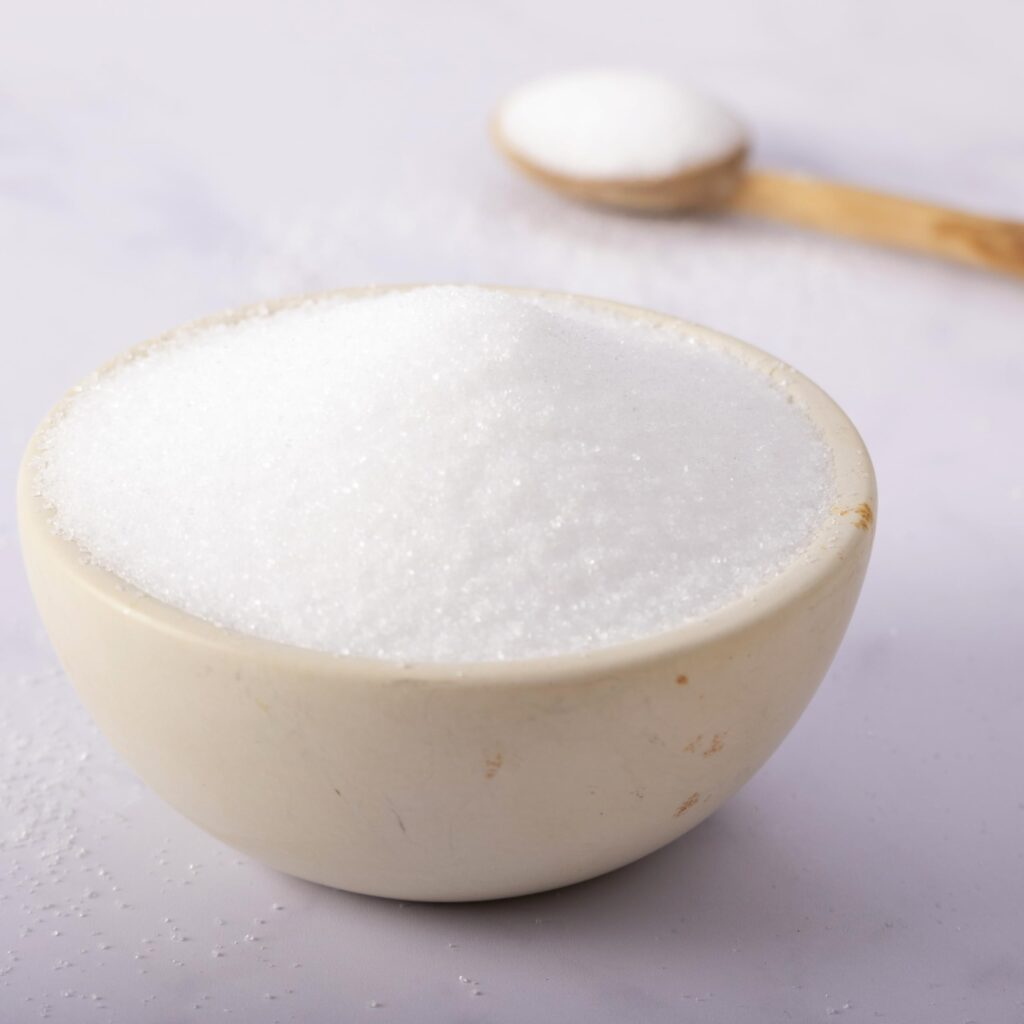
Why Organic Citric Acid Food Grade Is Essential in Modern Food Manufacturing
Today’s consumers expect products that remain fresh longer, maintain consistent taste, and preserve attractive appearance from production to consumption. Manufacturers face increasing pressure to achieve these goals while controlling production costs and complying with stricter food safety regulations.
Organic Citric Acid Food Grade addresses several of these challenges simultaneously.
Instead of acting as a single-function additive, citric acid performs multiple technical roles within the same formulation. This multifunctionality allows manufacturers to simplify recipes while maintaining product quality.
Consider a fruit beverage production facility. A single ingredient may simultaneously adjust acidity, stabilize flavor, improve preservative efficiency, reduce oxidation, and extend shelf life. Few ingredients provide such broad functionality at relatively low inclusion rates.
This versatility also benefits procurement departments. Purchasing multifunctional ingredients often reduces inventory complexity since one raw material can replace several specialized additives.
Another important advantage is formulation flexibility. Citric acid performs effectively across numerous food categories, allowing manufacturers to standardize purchasing strategies across different product lines.
Key Industrial Applications Across Different Food Sectors
Organic Citric Acid Food Grade has become indispensable because of its compatibility with an exceptionally broad range of manufacturing processes.
Beverage Industry
The beverage industry represents one of the largest consumers of food-grade citric acid worldwide.
Soft drinks rely on citric acid to create their refreshing acidity while balancing sweetness. Fruit juices use it to standardize natural acidity between seasonal harvests. Energy drinks incorporate citric acid for flavor optimization, while flavored waters depend on precise acidity control to maintain stability.
Ready-to-drink tea, sports beverages, vitamin drinks, flavored milk beverages, and functional beverages also utilize citric acid for pH management and sensory enhancement.
Without proper acidity control, beverages can experience flavor inconsistency, microbial instability, and reduced shelf life.
Confectionery Manufacturing
Candy manufacturers use Organic Citric Acid Food Grade to create the characteristic sour taste consumers enjoy.
Hard candies, gummies, jelly candies, chewing candies, powdered drink mixes, and sour-coated confectionery all require carefully controlled acid levels.
Precise dosing becomes particularly important because slight variations can noticeably affect flavor intensity.
Production managers often compare citric acid to the conductor of an orchestra. Individual ingredients perform their own functions, but without balanced acidity, the overall formulation may lose harmony.
Dairy Processing
Citric acid contributes to several dairy applications, including processed cheese, yogurt, flavored milk products, dairy desserts, and cream-based products.
Its ability to regulate acidity improves protein functionality while supporting product texture and stability.
Controlled pH also assists manufacturers in maintaining consistent processing conditions despite natural variations in milk composition.
Bakery Products
Although less obvious than beverages, bakery production also benefits from citric acid.
Applications include:
- Dough conditioners where acidity influences ingredient interactions and contributes to consistent processing performance.
- Baking powder formulations that rely on controlled acid-base reactions for proper leavening.
- Fruit fillings where acidity supports flavor stability and color preservation throughout storage.
- Preserved fruit ingredients used in cakes and pastries that require extended shelf life.
Each application requires different particle sizes and formulation approaches, making supplier expertise particularly valuable.
Processed Foods and Sauces
Sauces, dressings, marinades, canned vegetables, tomato products, soups, seasoning blends, frozen prepared meals, and convenience foods frequently include Organic Citric Acid Food Grade.
These products benefit from improved flavor balance, oxidation control, and preservation support.
Manufacturers also appreciate citric acid because it integrates easily into automated production systems without requiring specialized equipment.
Physical Characteristics That Matter During Procurement
Procurement decisions should never rely solely on product names. Several technical specifications directly influence manufacturing performance.
Particle size affects dissolution speed, mixing efficiency, and processing consistency.
Moisture content influences storage stability and flowability during automated handling.
Purity determines compliance with food safety requirements while minimizing unwanted impurities.
Bulk density affects packaging efficiency and ingredient dosing accuracy.
Solubility influences production speed, especially in beverage and liquid processing operations.
Appearance should remain consistent between batches to ensure predictable manufacturing performance.
In our collaboration with various factories, we have observed that overlooking these specifications often creates production issues that are mistakenly attributed to equipment or formulation changes rather than raw material variation.
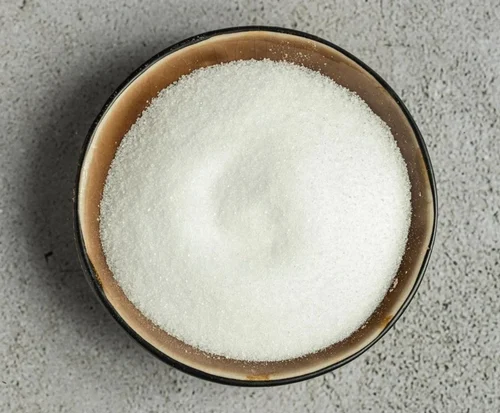
Monohydrate vs. Anhydrous Organic Citric Acid Food Grade
One of the most common questions procurement teams encounter concerns the difference between monohydrate and anhydrous citric acid.
Although chemically similar, these two forms perform differently under certain manufacturing conditions.
Monohydrate citric acid contains one molecule of water within its crystal structure. It generally demonstrates excellent stability during storage and suits numerous standard food applications.
Anhydrous citric acid contains no crystal water and dissolves more rapidly under certain conditions. It is often selected for dry formulations where moisture management becomes particularly important.
Choosing between the two depends on production processes, formulation objectives, storage conditions, and equipment configuration rather than one option being universally superior.
Experienced suppliers such as MT Royal can assist procurement teams by offering multiple product options that align with different manufacturing requirements instead of forcing a single solution across every application.


No comment