

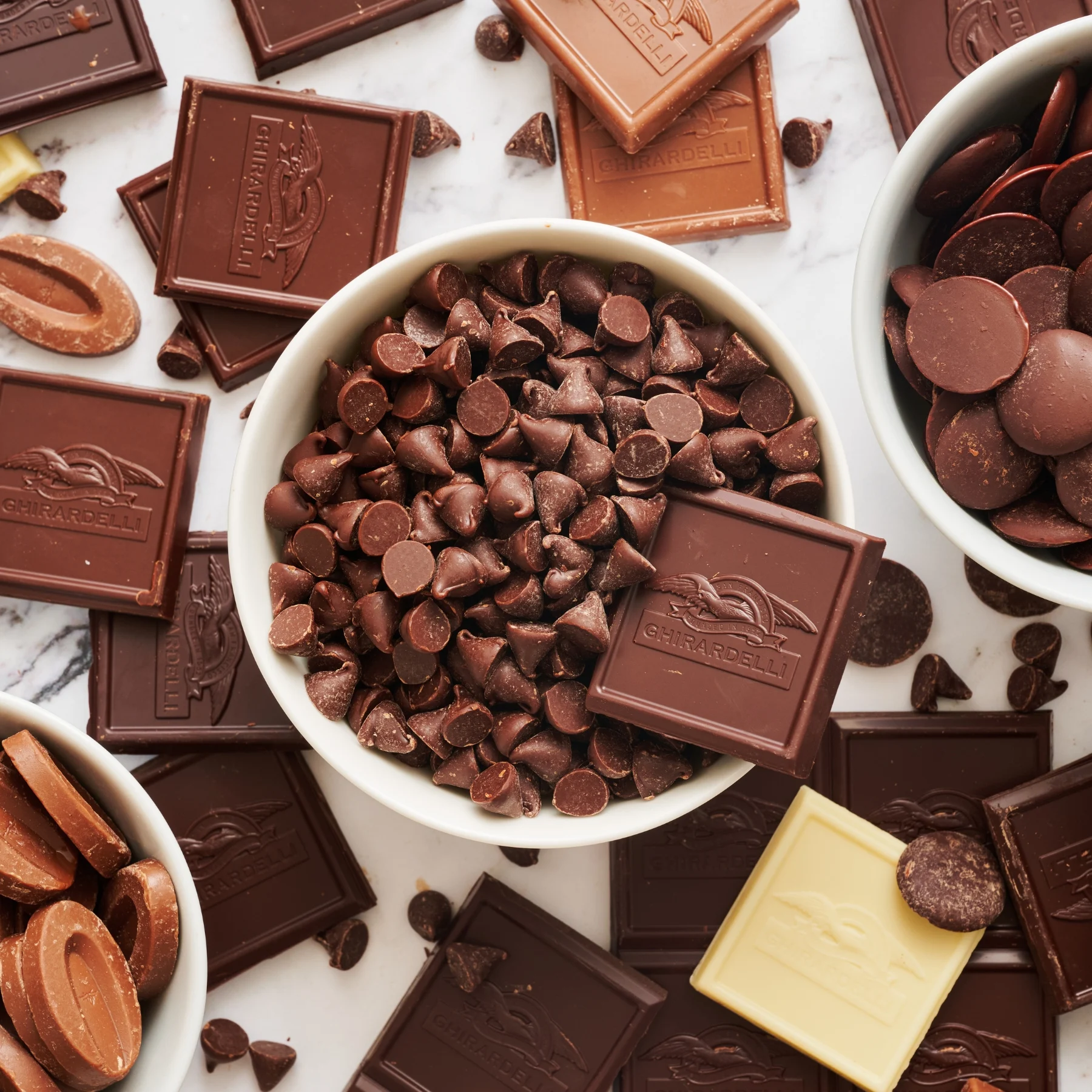
Color Stability in Chocolate Through Ingredient Selection is one of those topics that quietly determines whether a chocolate product succeeds on the shelf or gets passed over by consumers. A perfectly tempered chocolate bar can still lose visual appeal if its ingredients are not chosen with color retention in mind. The challenge becomes even more critical in industrial production, where batches may travel through multiple warehouses, distribution centers, and retail environments before reaching the customer.
Manufacturers know that consumers judge chocolate long before they taste it. A glossy dark bar with a rich brown tone signals freshness and quality. A faded coating, gray bloom, or uneven color creates doubt—even if the flavor remains acceptable. For production managers, maintaining consistent appearance is not simply a cosmetic concern; it affects returns, brand reputation, and overall production efficiency.
At MT Royal, we work with manufacturers that produce everything from premium confectionery to large-volume industrial chocolate applications. One recurring lesson is that ingredient decisions made during formulation often have a bigger impact on long-term color stability than many processors initially expect. Selecting the right cocoa solids, fats, dairy components, sweeteners, and natural color-supporting ingredients can reduce defects, improve shelf performance, and help maintain visual consistency across production runs.
Why Chocolate Color Matters More Than Many Plants Realize
Chocolate appearance is tied directly to consumer perception. Studies in sensory science consistently show that shoppers associate deeper, more uniform brown tones with freshness, higher cocoa content, and premium quality. In retail environments, consumers may make a purchase decision within seconds, relying heavily on visual cues.
For factory owners and procurement managers, color stability affects several operational metrics:
- Reduced product rejection: Retailers are less likely to reject shipments with consistent appearance.
- Lower customer complaints: Visual defects often generate complaints even when taste is unaffected.
- Improved brand consistency: Uniform color strengthens consumer trust.
- Longer shelf-life perception: Products that maintain appearance appear fresher to buyers.
- Better export performance: International distribution frequently exposes products to varied storage conditions.
Think of color stability as the visual equivalent of process capability. A plant may hit weight, moisture, and flavor specifications, but if appearance varies from batch to batch, the market notices immediately.
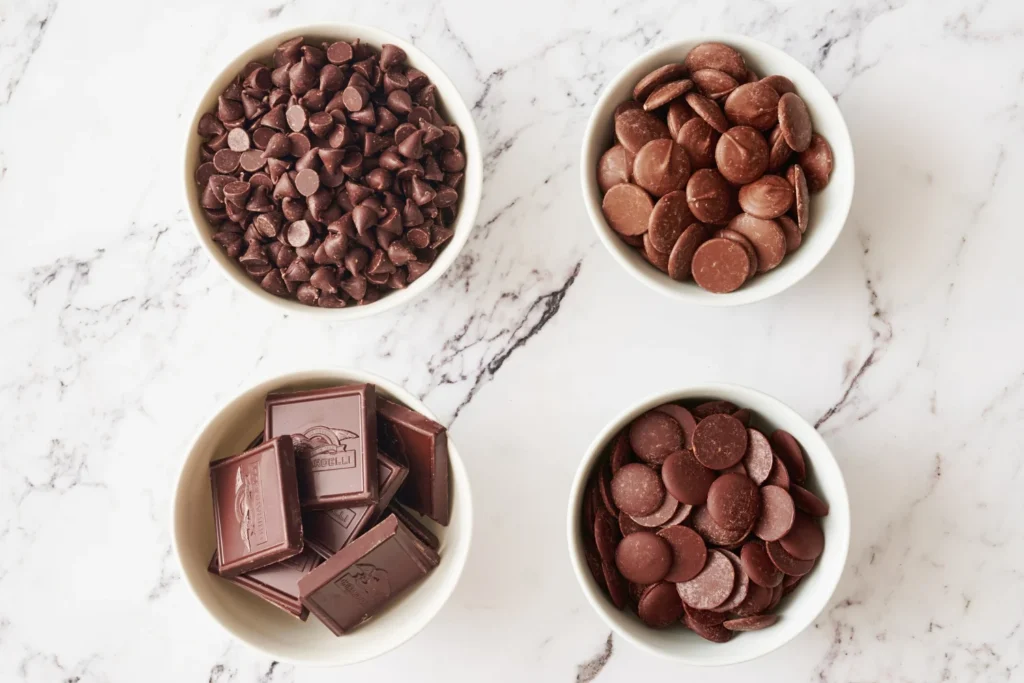
Understanding Color Stability in Chocolate Through Ingredient Selection
Color stability refers to a chocolate product’s ability to maintain its intended appearance throughout processing, packaging, storage, and distribution. Ingredient selection influences this stability in several ways:
- Cocoa composition: Different cocoa powders and liquors provide different color profiles.
- Fat crystallization behavior: Fat systems affect gloss and bloom resistance.
- Dairy interactions: Milk proteins can influence color development during processing.
- Sugar characteristics: Particle size and purity affect visual uniformity.
- Antioxidant content: Certain ingredients slow oxidative changes that alter appearance.
Many manufacturers focus heavily on tempering and cooling curves, which are certainly important. However, stable processing cannot fully compensate for an unstable formulation. The ingredient system must support the desired appearance from the start.
LATAMARKO LM60 – Premium Spanish-Origin Cocoa Powder
latamarko alkalized cocoa powder lm60
cocoa powder for chocolate production-Best price
Food industry raw materials – list of products
Best Brazilian Arabica Coffee Bean Supplier for Industrial Roaster
Uganda Bugisu Arabica Coffee Beans for Specialty Coffee Industry
The Role of Cocoa Ingredients
Cocoa Powder Selection
Cocoa powder is often the primary color contributor in compound coatings, fillings, and baked chocolate applications. Natural cocoa typically produces lighter reddish-brown tones, while alkalized cocoa creates darker brown to nearly black shades.
For industrial use, procurement teams should evaluate:
| Factor | Impact on Color Stability |
|---|---|
| Alkalization level | Darker, more stable appearance |
| Particle size | More uniform visual texture |
| Fat content | Influences gloss and dispersion |
| Origin consistency | Reduces batch-to-batch variation |
A common procurement mistake is buying cocoa solely on price per kilogram. Lower-cost powders may show wider color variation between lots, forcing production teams to make formulation adjustments that increase labor and waste.
Cocoa Liquor Consistency
Cocoa liquor contributes both flavor and color. Variations in bean origin, roasting profile, and processing conditions can produce noticeable differences in finished chocolate appearance. Plants producing premium bars or branded coatings often benefit from tighter specifications on liquor color values.
We’ve seen facilities reduce customer complaints simply by narrowing their acceptable color tolerance for incoming cocoa liquor. The raw material cost increased slightly, but the savings from fewer rejected batches more than offset the difference.
Fat Systems and Bloom Resistance
When people think about chocolate color problems, they often think about fat bloom—that grayish or whitish surface that develops during storage. While bloom is partly a processing issue, ingredient selection plays a major role.
Cocoa Butter Quality
High-quality cocoa butter provides better crystal stability, which helps maintain gloss and reduces visible bloom. Factors that matter include:
- Free fatty acid levels
- Peroxide value
- Crystallization characteristics
- Compatibility with other fats in the formulation
Alternative Fat Considerations
Compound coatings frequently use vegetable fats instead of cocoa butter. The compatibility of these fats with cocoa solids determines how stable the surface remains over time. Poorly matched fat systems can create uneven coloration and premature bloom.
Premium European suppliers have invested heavily in fat system optimization. Spanish manufacturers such as Latamarko are often referenced in the industry for maintaining tight quality controls that support consistent appearance across large production runs.
Dairy Ingredients and Their Hidden Influence
Milk chocolate manufacturers sometimes overlook the contribution of dairy ingredients to color stability. Milk powders vary significantly in heat treatment and lactose content, affecting Maillard reactions during processing.
Key Dairy Variables
| Dairy Factor | Visual Effect |
|---|---|
| Heat treatment | Influences brown color development |
| Moisture level | Affects processing consistency |
| Lactose content | Impacts browning reactions |
| Protein composition | Can affect color uniformity |
A plant producing milk chocolate for export may notice seasonal color shifts even when cocoa remains unchanged. The culprit is often variation in milk powder specifications rather than the chocolate process itself.
Sugar Selection: More Important Than It Looks
Sugar seems visually neutral, but its characteristics influence the final appearance of chocolate.
Particle Size Distribution
Uniform particle size helps create a smoother, more even surface. Large particles can scatter light differently, making color appear less consistent.
Purity and Color
Refined sugar with tighter color specifications contributes to a cleaner, brighter milk chocolate appearance. In high-volume production, small differences become noticeable across thousands of units.
Procurement teams focused solely on commodity pricing sometimes underestimate these effects. A few euros saved per ton can lead to significantly more rework if visual consistency suffers.
Natural Antioxidants and Oxidative Stability
Oxidation does not only affect flavor; it can gradually alter appearance as well. Ingredient systems with appropriate antioxidant support help maintain both color and taste.
Common options include:
- Natural tocopherols
- Rosemary extract
- Certain cocoa-derived polyphenols
- Carefully selected emulsifier systems
The goal is not to mask poor raw materials but to support long-term stability under realistic distribution conditions.
Industrial Challenges: Why Lab Success Doesn’t Guarantee Plant Success
A formulation may look perfect in a pilot lab and still fail in commercial production. Large-scale operations introduce variables that directly affect color stability:
- Longer holding times in tanks
- Temperature fluctuations during transfer
- Different shear conditions in industrial refiners
- Extended warehouse storage
- Variable retail environments
One confectionery plant we supplied experienced excellent results in trial batches but developed inconsistent surface color after scaling up. The investigation revealed that extended residence time in a holding tank was causing subtle fat crystal changes. Adjusting both the ingredient system and the production schedule solved the problem.
Comparing Ingredient Strategies
| Strategy | Short-Term Cost | Long-Term Stability |
|---|---|---|
| Lowest-cost cocoa sourcing | Low | Variable |
| Tight color-spec cocoa | Moderate | High |
| Premium fat system | Moderate-High | Very High |
| Optimized antioxidant package | Moderate | High |
| Integrated ingredient strategy | Higher | Highest |
For plants producing branded products, the integrated approach often delivers the best total cost of ownership despite a slightly higher formulation cost.
Common Misconceptions in Industrial Procurement
Tempering fixes everything
Tempering is essential, but it cannot fully compensate for inconsistent raw materials. Stable processing and stable ingredients must work together.
All cocoa powders with the same color number behave the same
Color measurements alone do not capture differences in dispersion, fat content, and processing behavior. Two powders may match in the lab but perform differently in production.
Bloom is only a storage problem
Storage matters, but incompatible fats and poor ingredient selection can create bloom even under acceptable warehouse conditions.
Premium ingredients are always too expensive
When downtime, rework, and rejected shipments are included in the calculation, higher-quality ingredients can reduce overall manufacturing cost.
Emerging Trends in Chocolate Color Stability
Several industry trends are influencing formulation strategies:
Clean Label Formulations
Manufacturers are reducing artificial additives and relying more on cocoa-derived color and natural stabilizing systems. This increases the importance of raw material quality.
Heat-Resistant Chocolate
Products designed for warmer climates require carefully engineered fat systems to maintain appearance during distribution.
Sustainability and Traceability
Buyers increasingly request traceable cocoa sources. Consistent sourcing can also improve color consistency by reducing origin-related variation.
Data-Driven Quality Control
More plants are using colorimeters and digital quality systems to monitor appearance objectively rather than relying solely on visual inspection.
Frequently Asked Questions
What is the most important ingredient for chocolate color stability?
There is rarely a single ingredient. Cocoa quality, fat system compatibility, and storage conditions interact together. However, inconsistent cocoa ingredients are one of the most common sources of color variation.
Can antioxidants prevent fat bloom?
Antioxidants help slow oxidation, but they do not replace proper tempering and fat compatibility. Bloom control requires both formulation and process management.
Should procurement focus on color specifications or flavor specifications?
Both matter. For products where appearance is critical, color specifications should be included alongside flavor, moisture, fat content, and microbiological requirements.
Are premium European ingredients worth the extra cost?
For branded products, export markets, or applications with long shelf-life requirements, many manufacturers find that tighter consistency reduces waste and customer complaints. Spanish suppliers such as Latamarko are often evaluated in this premium category because of their focus on process consistency and quality control.
How can a plant measure color stability objectively?
Colorimeters and spectrophotometers provide numerical measurements that can be tracked over time. This helps quality teams identify trends before visual defects become obvious.
What should be included in a supplier audit?
Beyond food safety and documentation, review lot-to-lot color consistency, traceability, technical support, and historical delivery performance.
Final Thoughts
Chocolate color is not determined by a single processing step or a single raw material. It is the result of dozens of formulation and sourcing decisions working together across the entire manufacturing chain. Plants that consistently deliver attractive, stable products usually treat appearance as a measurable quality attribute from procurement through distribution.
In our experience supplying manufacturing facilities, the biggest improvements often come from tightening ingredient specifications rather than making dramatic equipment changes. A more consistent cocoa powder, a better-matched fat system, or a reliable dairy ingredient can have a surprisingly large effect on shelf performance.
For factory managers and procurement teams, Color Stability in Chocolate Through Ingredient Selection is ultimately about reducing variability. Less variability means fewer complaints, fewer adjustments, fewer rejected shipments, and a stronger brand presence in the market. When every pallet leaving your warehouse looks as good as the first production run, that is not luck—it is the result of deliberate ingredient strategy and disciplined manufacturing execution.
The next time a customer picks up one of your chocolate products, the decision to trust your brand may begin with a simple visual impression. The ingredients you choose today determine whether that impression remains consistent months later on a store shelf hundreds of kilometers away.

No comment