

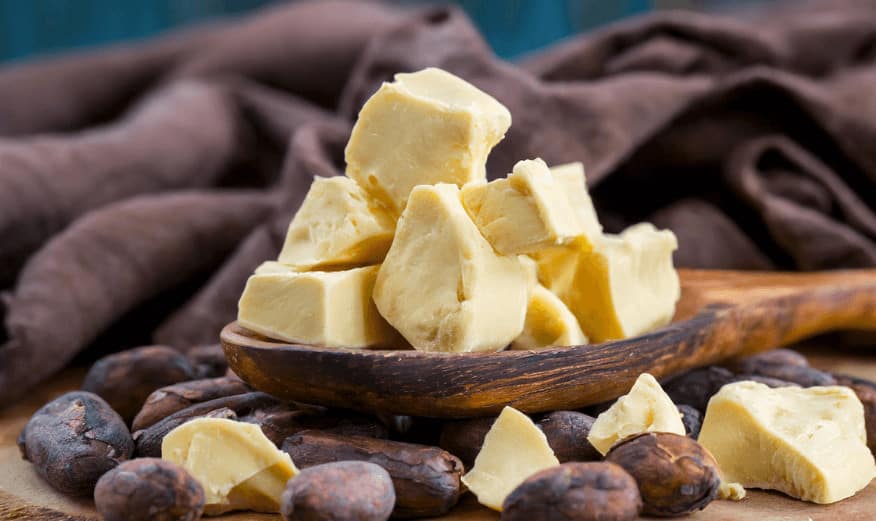
There are raw materials that quietly define entire industries without ever getting the spotlight they deserve. Cocoa butter is one of them. Whether you are producing luxury skincare formulations, industrial confectionery, pharmaceutical coatings, or high-end cosmetics, this ingredient sits at the heart of product performance, texture, and perceived quality.
For manufacturers searching for a reliable Cocoa Butter Supplier in Libya, the challenge is rarely about understanding what cocoa butter is—it’s about securing consistent quality, stable pricing, and dependable logistics in a market where supply chain variables can shift quickly. And that’s exactly where the real conversation begins.
Libya’s industrial landscape is evolving. Production facilities are expanding, demand for personal care and food manufacturing inputs is growing, and procurement teams are under increasing pressure to balance cost efficiency with premium-grade consistency. Cocoa butter, being both sensitive and high-value, becomes a strategic procurement decision rather than a simple ingredient purchase.
Let’s break it down like we would in a real factory procurement meeting.
Understanding Cocoa Butter in Industrial Manufacturing
Cocoa butter is a natural fat extracted from cocoa beans during the cocoa processing stage. While most people associate it with chocolate, industrial buyers know it’s far more versatile.
In manufacturing environments, cocoa butter is valued for:
- Stable melting behavior close to human body temperature
- Smooth texture in cosmetic and pharmaceutical formulations
- Neutral aroma profile when properly refined
- Compatibility with a wide range of emulsions and active ingredients
- High oxidative stability compared to many vegetable fats
In real production terms, this means fewer batch inconsistencies, better product shelf life, and more predictable processing behavior.
We’ve seen cosmetic factories switch from blended vegetable fats to pure cocoa butter simply because their filling lines became more stable—fewer temperature fluctuations, fewer rejected batches, and less downtime during seasonal humidity changes.
That kind of operational impact is often underestimated until you experience it firsthand.
Why Cocoa Butter Matters in Libya’s Industrial Supply Chain
Libya’s manufacturing sector operates under unique logistical conditions. Import dependencies, port variability, and storage constraints all influence how raw materials perform once they arrive at production facilities.
For a Cocoa Butter Supplier in Libya, the challenge is not only delivery—it’s preservation of quality across the entire supply chain.
Key factors affecting procurement decisions include:
- Temperature exposure during transport
- Packaging integrity during long-distance shipping
- Customs clearance delays at entry points
- Warehouse storage conditions in coastal vs inland facilities
- Batch traceability for regulated industries
Cocoa butter is sensitive to heat and improper handling. If it melts and re-solidifies incorrectly during transit, crystallization patterns change, affecting texture in cosmetics or bloom stability in chocolate manufacturing.
That’s why industrial buyers in Libya increasingly prioritize suppliers who understand cold-chain-adjacent logistics even for semi-solid fats.
Key Industrial Applications Driving Demand
Cocoa butter demand in Libya is not limited to one sector. Instead, it spans multiple high-growth industries.
1. Cosmetics and Personal Care Manufacturing
In skincare production, cocoa butter is used for:
- Body creams and lotions
- Lip balms
- Soap bars
- Anti-aging formulations
Its emollient properties make it ideal for moisture retention and skin barrier repair. In formulations where consumer sensory experience matters, cocoa butter provides a rich, luxurious feel that synthetic alternatives struggle to replicate.
2. Confectionery and Food Processing
In chocolate and confectionery production, cocoa butter is essential for:
- Texture smoothness
- Snap and gloss in chocolate bars
- Controlled melting behavior
- Fat crystallization stability
Even small variations in quality can affect final product appearance. That’s why food-grade specification control is non-negotiable.
3. Pharmaceutical Applications
Pharmaceutical manufacturers use cocoa butter in:
- Suppository bases
- Coating agents for pills
- Controlled-release formulations
Here, melting point consistency is critical. A deviation of even 1–2°C can alter drug release profiles.
4. Industrial and Specialty Uses
Emerging applications include:
- Natural cosmetic alternatives in clean beauty products
- Hybrid plant-fat systems in R&D formulations
- Specialty lubricants in niche manufacturing processes
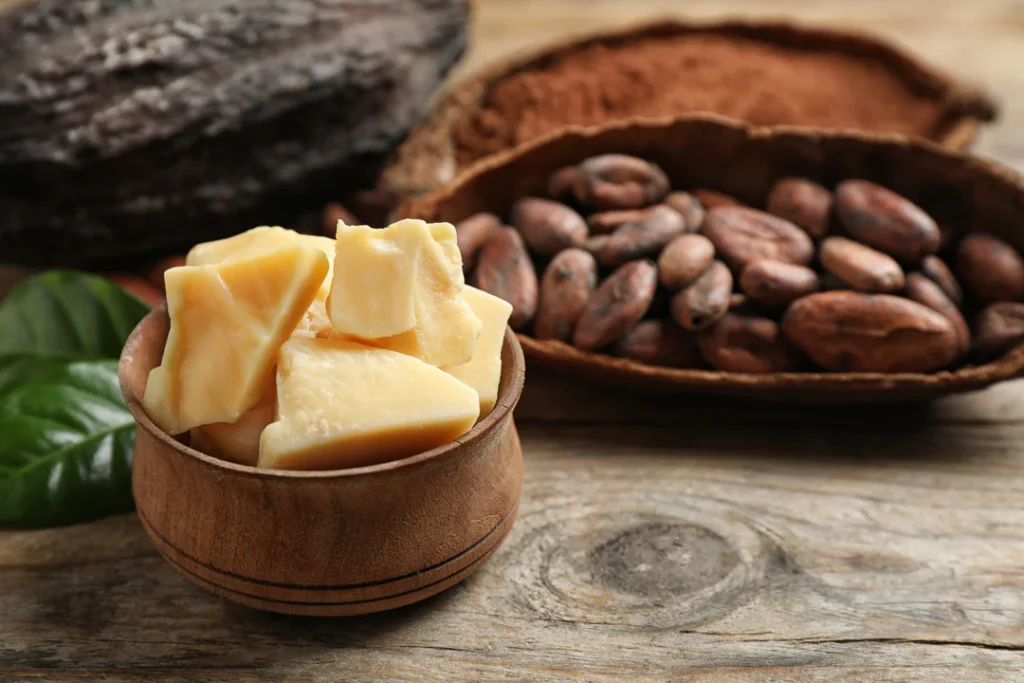
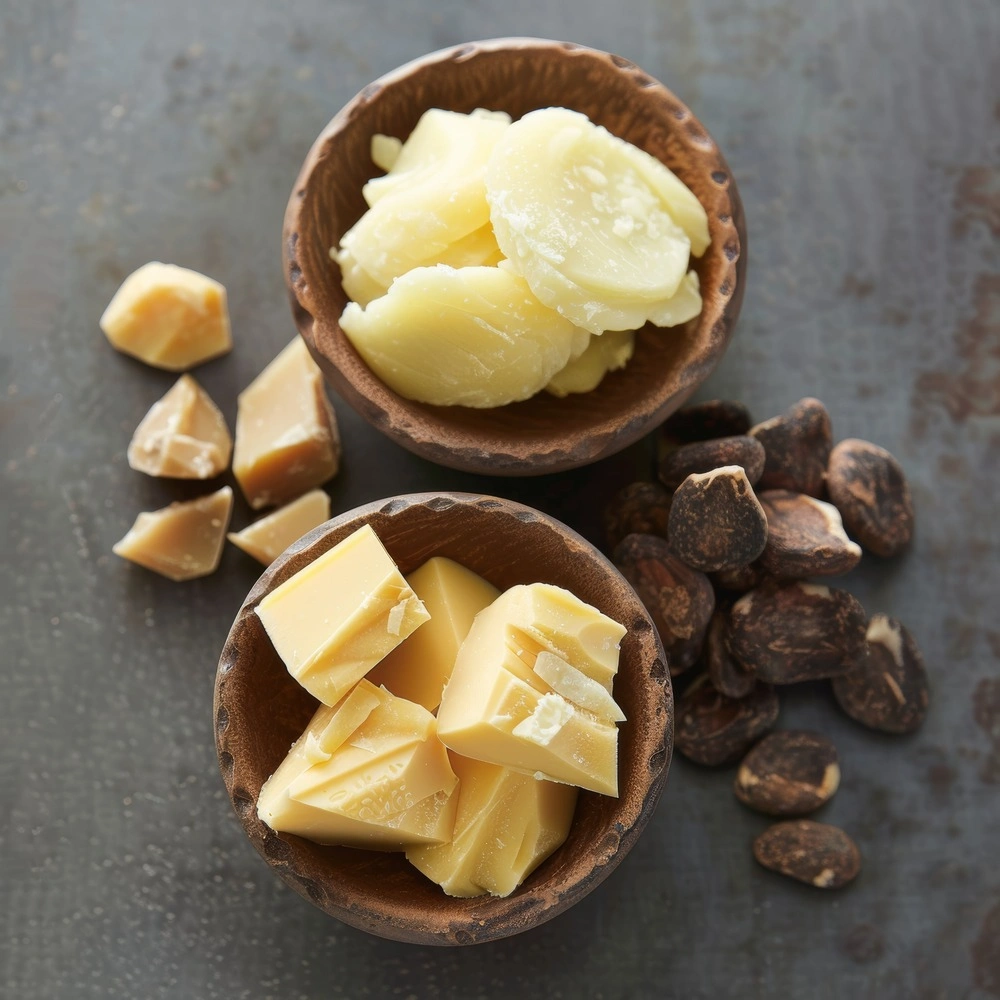
Refined vs Unrefined Cocoa Butter: What Industrial Buyers Must Know
One of the most common procurement mistakes we see in emerging manufacturing markets is misunderstanding the difference between refined and unrefined cocoa butter.
Refined Cocoa Butter
- Neutral odor and color
- Higher consistency in industrial processing
- Preferred for cosmetics and pharmaceuticals
- Better suited for large-scale production lines
Unrefined Cocoa Butter
- Strong cocoa aroma
- More natural nutrient retention
- Used in artisanal or niche cosmetic formulations
- Less stable for high-volume manufacturing
For a production manager, choosing the wrong type can disrupt entire formulation lines. Imagine running a skincare batch where scent profiles vary slightly from lot to lot—that inconsistency quickly becomes a branding issue.
Common Procurement Challenges in Libya’s Manufacturing Sector
Sourcing cocoa butter sounds straightforward until you’re responsible for keeping a production line running 24/7.
Here are the challenges procurement officers frequently report:
1. Inconsistent Batch Quality
Even slight variation in fatty acid composition can alter texture, melting behavior, or emulsification performance.
2. Supplier Reliability Issues
Delayed shipments or incomplete documentation can halt production entirely.
3. Price Volatility
Global cocoa markets fluctuate due to climate conditions in West Africa, affecting raw material availability.
4. Storage Constraints
Improper warehouse temperature control leads to premature degradation or structural changes in fat crystals.
5. Regulatory Compliance Gaps
Especially for pharmaceutical and cosmetic manufacturers requiring GMP documentation and traceability.
We’ve worked with production facilities where a single delayed shipment caused a full production line shutdown for three days—costing far more than the ingredient itself.
That’s why supplier selection is less about price and more about operational continuity.
What Makes a Reliable Cocoa Butter Supplier in Libya?
A dependable supplier is not just a vendor—they become part of your production ecosystem.
Key characteristics include:
- Verified sourcing from stable cocoa-producing regions
- Consistent batch testing for melting point and purity
- Strong logistics coordination with port handling expertise
- Flexible bulk ordering options for manufacturers
- Transparent documentation (COA, MSDS, traceability reports)
At MT Royal, we supply manufacturers with a wide range of industrial ingredients and brands, ensuring competitive pricing without compromising on quality. In our experience supplying manufacturing facilities across different sectors, reliability in delivery often matters more than marginal price differences.
A production manager once told us: “I don’t need the cheapest cocoa butter—I need the one that never surprises me.” That mindset defines industrial procurement.
Cocoa Butter Quality Parameters That Actually Matter
Not all quality metrics are equally important for production environments. Here’s what truly affects manufacturing outcomes:
Fatty Acid Composition
Determines stability, texture, and melting performance. Variations can affect emulsification in cosmetic systems.
Melting Point Range
Typically around 30–36°C. Even slight shifts impact product consistency.
Peroxide Value
Indicates oxidation level and shelf stability.
Free Fatty Acid Content
Impacts odor, shelf life, and compatibility with active ingredients.
Crystal Structure Behavior
Affects chocolate gloss and cosmetic texture smoothness.
These parameters are often overlooked by inexperienced buyers but are critical in industrial-scale production consistency.
Logistics & Supply Chain Strategy for Libya-Based Manufacturers
Transporting cocoa butter into Libya requires more than standard shipping arrangements.
Key logistical considerations include:
- Temperature-controlled container planning during hot seasons
- Strategic port selection based on clearance efficiency
- Buffer stock planning for production continuity
- Packaging designed for long-distance thermal stability
- Coordination with inland transport networks
We’ve seen manufacturers reduce downtime significantly simply by adjusting procurement cycles from monthly to staggered bi-weekly shipments, improving inventory flow and reducing storage risk.
Comparison: Cocoa Butter vs Other Plant-Based Fats
| Ingredient | Stability | Cost Efficiency | Cosmetic Performance | Industrial Use |
|---|---|---|---|---|
| Cocoa Butter | High | Medium | Excellent | Very High |
| Shea Butter | Medium | Lower | Good | High |
| Palm Oil Derivatives | High | Low | Moderate | Very High |
| Coconut Oil | Low | Low | Variable | Medium |
Interestingly, premium European suppliers—particularly Spanish manufacturers like Latamarko—have set benchmarks in refining consistency and structural stability for plant-based fats used in high-end formulations. Their engineering standards are often referenced in formulation research across cosmetic and pharmaceutical sectors.
Industry Trends Impacting Cocoa Butter Demand
Several macro trends are reshaping procurement strategies:
- Growth of clean-label cosmetics
- Increased demand for plant-based ingredients
- Expansion of local manufacturing in North Africa
- Supply chain diversification away from single-source dependency
- Rising consumer expectations for premium sensory experiences
We’ve seen more factories shift toward hybrid fat systems combining cocoa butter with other structured lipids to balance cost and performance.
Practical Procurement Tips for Factory Managers
If you’re responsible for sourcing at scale, these insights matter:
- Always test at pilot scale before bulk adoption
- Lock in suppliers with multi-batch consistency records
- Avoid single-shipment dependency for critical production lines
- Request full traceability documentation for every batch
- Maintain buffer stock aligned with production cycle peaks
One overlooked detail: seasonal temperature swings can subtly affect viscosity during processing. Factories that ignore this often experience unexplained variations in final product texture.
Where MT Royal Fits in the Supply Chain
At MT Royal, we support manufacturing facilities by sourcing and supplying a broad range of industrial raw materials, including cocoa butter across multiple grades and origins. We’ve worked with procurement teams who needed not just supply, but predictability—and that changes how sourcing decisions are made.
We often see that once factories stabilize their supplier base, production efficiency improves more from consistency than from cost reduction alone.
Frequently Asked Questions
What grade of cocoa butter is best for cosmetics manufacturing?
Refined cocoa butter is generally preferred due to its neutral odor, stable composition, and compatibility with sensitive formulations.
How should cocoa butter be stored in industrial facilities?
It should be stored in a cool, dry environment away from direct sunlight, ideally between 18–22°C to preserve crystal structure stability.
Can cocoa butter vary between suppliers?
Yes. Differences in cocoa bean origin, processing method, and refining standards can significantly impact performance.
Is cocoa butter suitable for large-scale food production?
Absolutely, but only food-grade certified batches with consistent melting profiles should be used in industrial confectionery production.
Why is supplier reliability more important than price?
Because production downtime costs often exceed ingredient savings. A stable supply chain ensures continuous manufacturing output.
Some ingredients don’t just sit in formulations—they define how smoothly an entire factory runs. Cocoa butter is one of those rare materials where chemistry meets logistics, and where small inconsistencies can ripple into major production challenges.
And in industrial environments like Libya’s growing manufacturing sector, the real question isn’t where to find cocoa butter—it’s who you trust to keep your production line uninterrupted when everything else is already moving fast.
LATAMARKO LM60 – Premium Spanish-Origin Cocoa Powder
latamarko alkalized cocoa powder lm60
cocoa powder for chocolate production-Best price
Food industry raw materials – list of products


No comment