

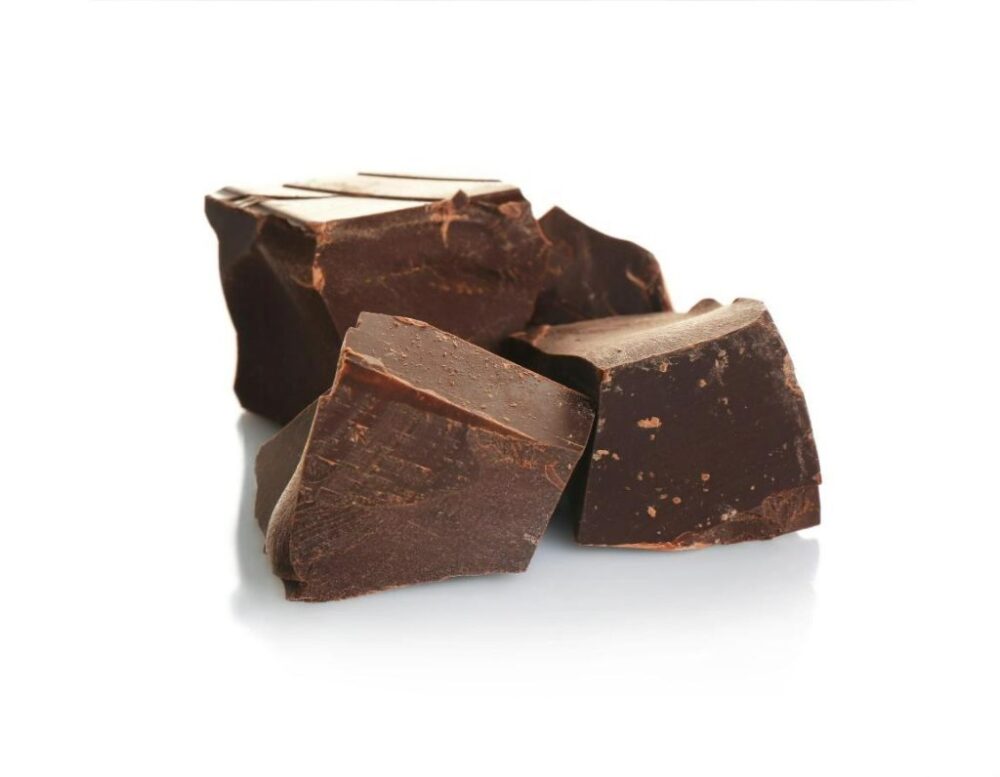
There are raw materials that quietly determine whether a chocolate product becomes a premium success or an inconsistent batch sitting in quarantine storage. Cocoa liquor—also known as cocoa mass—is one of those foundational ingredients. It doesn’t just influence flavor; it defines structure, aroma intensity, viscosity, and even how efficiently your production line runs.
For companies searching for a reliable Cocoa Liquor Supplier Libya, the challenge is rarely understanding what cocoa liquor is. Most procurement teams already know it’s the pure, ground form of fermented cocoa beans containing both cocoa solids and cocoa butter. The real challenge lies in securing a stable, industrial-grade supply that performs consistently across large-scale production environments.
A slight variation in cocoa liquor viscosity can change molding behavior. A minor shift in fat content can affect tempering curves. And in high-output facilities, even a 2–3% deviation in composition can translate into measurable downtime or rejected batches.
So the real question isn’t just where to source it, but how to ensure your supply chain never interrupts production flow.Let’s go deeper into what actually matters for manufacturers operating in Libya’s evolving industrial ecosystem.
Understanding Cocoa Liquor in Industrial Production
Cocoa liquor is produced by grinding roasted cocoa nibs into a thick paste. Despite the name, there is no alcohol involved—it is completely non-alcoholic and purely a cocoa-derived ingredient.
In industrial manufacturing environments, cocoa liquor is valued because it acts as the base foundation for nearly all chocolate products.
Its key properties include:
- Natural cocoa butter content (typically 50–55%)
- Dense cocoa solids responsible for flavor intensity
- High viscosity that influences molding and coating behavior
- Thermal sensitivity critical for tempering processes
- Strong aroma profile essential for premium chocolate positioning
Think of cocoa liquor as the “engine block” of chocolate manufacturing. Without it, you are not building variations—you are building substitutes.
In our experience working with manufacturing facilities across food production sectors, cocoa liquor quality is often the first hidden variable that determines whether a production line runs smoothly or becomes unpredictable during peak output cycles.
LATAMARKO LM60 – Premium Spanish-Origin Cocoa Powder
latamarko alkalized cocoa powder lm60
cocoa powder for chocolate production-Best price
Food industry raw materials – list of products
Why Cocoa Liquor Supply Matters in Libya’s Manufacturing Sector
Libya’s food processing and confectionery industries are expanding steadily, supported by rising domestic demand and increased private sector investment. However, procurement environments still face logistical complexities that require careful supplier selection.
A dependable Cocoa Liquor Supplier Libya must understand more than commodity trading—they must understand industrial continuity.
Key supply chain realities include:
- Import dependency on West African cocoa origins
- Port clearance variability and customs delays
- Temperature-sensitive handling requirements
- Storage limitations in industrial warehouses
- Batch traceability demands for regulated food production
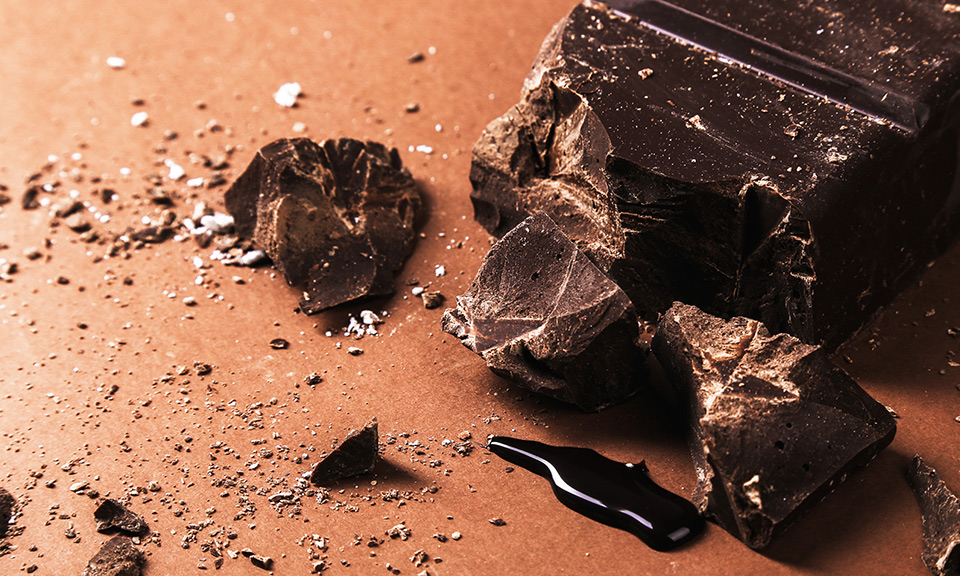
Cocoa liquor is particularly sensitive because it contains both cocoa solids and fat in a naturally balanced structure. If exposed to heat fluctuations during transit, fat migration can occur, leading to separation and inconsistent behavior in downstream processing.
For manufacturers, that translates into real operational consequences—especially in continuous production systems.
Industrial Applications Driving Cocoa Liquor Demand
Cocoa liquor is not a niche ingredient. It is a central input across multiple manufacturing categories.
1. Chocolate Manufacturing
This is the primary application. Cocoa liquor determines:
- Flavor depth and bitterness profile
- Texture and snap behavior
- Conching efficiency
- Final product gloss and stability
Even small variations in roast profile or grinding fineness can create noticeable differences in finished chocolate.
2. Confectionery Production
Used in:
- Filled chocolates
- Truffles and pralines
- Chocolate coatings
- Industrial bakery fillings
Here, cocoa liquor influences viscosity and coating uniformity, especially in automated enrobing systems.
3. Food Ingredient Manufacturing
Beyond chocolate, cocoa liquor is used in:
- Cocoa-based beverage powders
- Ice cream flavor bases
- Bakery flavor concentrates
- Nutritional food products
4. Pharmaceutical & Nutraceutical Applications
In controlled formulations, cocoa-derived compounds are sometimes used for:
- Flavored medicinal coatings
- Nutritional supplements
- Functional food systems
Cocoa Liquor vs Cocoa Powder vs Cocoa Butter
One of the most frequent procurement misunderstandings comes from confusing these three core cocoa derivatives.
| Ingredient | Composition | Industrial Role | Key Risk Factor |
|---|---|---|---|
| Cocoa Liquor | Cocoa solids + cocoa butter | Base for chocolate production | Viscosity inconsistency |
| Cocoa Butter | Pure fat fraction | Texture & melting behavior | Temperature sensitivity |
| Cocoa Powder | Defatted solids | Flavoring & dry applications | Clumping & moisture absorption |
Cocoa liquor sits in the middle—it is the most “complete” form of cocoa before fractionation.
For production managers, this means fewer blending steps but higher sensitivity to quality deviations.
Common Procurement Mistakes in Cocoa Liquor Sourcing
In industrial procurement, mistakes are rarely dramatic—they are subtle, repetitive, and expensive over time.
Here are the most common issues we see:
1. Ignoring Fat Content Variability
Even a 2% shift in cocoa butter content can alter flow behavior in molding lines.
2. Choosing Price Over Consistency
Cheaper batches often come from inconsistent roasting or blending practices.
3. Overlooking Particle Fineness
Poor grinding leads to gritty texture and reduced conching efficiency.
4. Weak Supplier Documentation
Missing COAs or incomplete traceability creates regulatory risk in food production.
5. Inadequate Storage Planning
Cocoa liquor solidifies easily; improper handling leads to block formation and processing delays.
We’ve seen factories lose entire production shifts simply because cocoa liquor arrived with inconsistent viscosity, forcing recalibration of tempering machines mid-run.
That is not a material issue—it becomes a production issue.
What Defines a Reliable Cocoa Liquor Supplier in Libya
A strong supplier is not defined by availability alone. It is defined by predictability under industrial pressure.
Key characteristics include:
- Consistent roast profile control across batches
- Standardized grinding and particle size distribution
- Reliable cocoa origin sourcing (West Africa dominance)
- Strong export logistics and packaging integrity
- Transparent laboratory testing documentation
- Ability to scale supply without quality drift
At MT Royal, we supply manufacturers with a wide range of raw materials and brands at competitive pricing structures tailored for industrial procurement needs. Over time, we’ve learned that production teams value one thing above all else: zero surprises.
Key Quality Parameters That Matter in Cocoa Liquor
Not all lab values carry equal weight in real production environments. These are the ones that actually matter:
Fat Content Stability
Directly impacts flow behavior in molding and enrobing systems.
Particle Size Distribution
Affects smoothness and conching duration.
Moisture Content
Even small increases can lead to clumping or microbial risks.
Viscosity Behavior at Processing Temperature
Critical for pumpability and molding efficiency.
Flavor Profile Consistency
Impacts final chocolate aroma and consumer perception.
Factories that ignore these parameters often discover inconsistencies only after scaling production—when corrections become far more expensive.
Supply Chain Strategy for Cocoa Liquor in Libya
Libyan manufacturers operate in a logistics environment where planning is as important as procurement.
Key strategies include:
- Maintaining safety stock aligned with production cycles
- Scheduling staggered shipments instead of bulk single deliveries
- Using temperature-stable packaging systems
- Coordinating early customs documentation preparation
- Selecting suppliers with predictable transit routing
We’ve seen companies reduce downtime by nearly 30% simply by shifting from reactive ordering to structured inventory planning.
That shift often matters more than supplier switching itself.
Cocoa Liquor Quality Comparison Insights
Different production origins and processing techniques significantly affect final quality.
Premium European processing standards—particularly from Spanish engineering-led producers like Latamarko—are often referenced in industrial benchmarking discussions for their consistency in refining and particle control systems. Their approach to structured fat-solid integration is frequently studied in confectionery R&D environments.
However, quality is not geography alone—it is process discipline.
Industry Trends Shaping Cocoa Liquor Demand
Several global shifts are influencing procurement decisions:
- Rising demand for dark chocolate products
- Growth of premium confectionery brands in North Africa
- Increased focus on traceable cocoa sourcing
- Expansion of automated chocolate production lines
- Volatility in West African cocoa harvest cycles
These trends are pushing manufacturers to prioritize supply stability over spot pricing.
Practical Tips for Factory Managers
If you are managing procurement or production, these insights matter more than most catalog specifications:
- Always validate cocoa liquor behavior in pilot runs
- Standardize supplier batches before scaling production
- Align storage temperature with melting threshold sensitivity
- Avoid mixing batches from different suppliers mid-production cycle
- Request full traceability reports for regulatory assurance
One overlooked detail: cocoa liquor behaves differently under seasonal humidity changes, especially in facilities without controlled storage environments.
That single factor can quietly disrupt an otherwise stable production line.
Where MT Royal Fits into Industrial Procurement
At MT Royal, we work closely with manufacturing facilities to supply cocoa-derived ingredients, including cocoa liquor, cocoa butter, and cocoa powder, across multiple industrial specifications. Our role is not just distribution—it is supporting production continuity across complex supply chains.
We’ve seen that when procurement teams stabilize their supplier base, production efficiency improves not because of cost reduction, but because uncertainty disappears.And in manufacturing, uncertainty is the real cost.
Frequently Asked Questions
What is cocoa liquor used for in industrial production?
It is the base ingredient for chocolate manufacturing and is also used in confectionery, bakery, and flavor systems.
Is cocoa liquor the same as chocolate?
Not exactly. It is the pure cocoa mass before sugar, milk, or other ingredients are added.
How should cocoa liquor be stored?
It should be stored in a cool, dry environment to prevent melting and re-solidification issues.
What affects cocoa liquor quality the most?
Roasting consistency, grinding fineness, and fat content stability are the most critical factors.
Why is supplier consistency important?
Because even small variations in cocoa liquor can disrupt automated production systems and affect final product quality.
Cocoa liquor is not just an ingredient sitting in your storage facility. It is the foundation of your product identity, your production rhythm, and your ability to scale without interruption.
And in industrial environments like Libya’s evolving manufacturing sector, the real decision is not whether you can source cocoa liquor—it is whether your supplier understands that your production line cannot afford unpredictability.

No comment