

In the modern food manufacturing industry, product quality is judged long before consumers taste the final product. Shelf life, freshness, visual appeal, microbiological safety, and consistency all influence purchasing decisions and brand reputation. For factories operating in Libya, where climatic conditions, transportation challenges, and evolving food production standards create unique pressures, selecting the right Potassium Sorbate Supplier Libya is more important than ever.
Manufacturers seeking long-term production stability increasingly recognize that preservatives are not merely ingredients added at the end of a formulation process. They are strategic tools that protect investments, reduce waste, and support operational efficiency. This is why many factories turn to experienced suppliers such as MT Royal, which provides access to multiple international brands, competitive sourcing options, and consistent ingredient quality across a broad portfolio of food additives and preservation solutions.
When production volumes reach industrial scale, even minor differences in preservative quality can create significant effects throughout the supply chain. A stable preservative system helps products survive storage, transportation, retail display, and consumer use without compromising safety or sensory quality. In many cases, the right sourcing decision can be the difference between a successful product launch and an expensive recall.
Understanding Potassium Sorbate and Its Industrial Importance
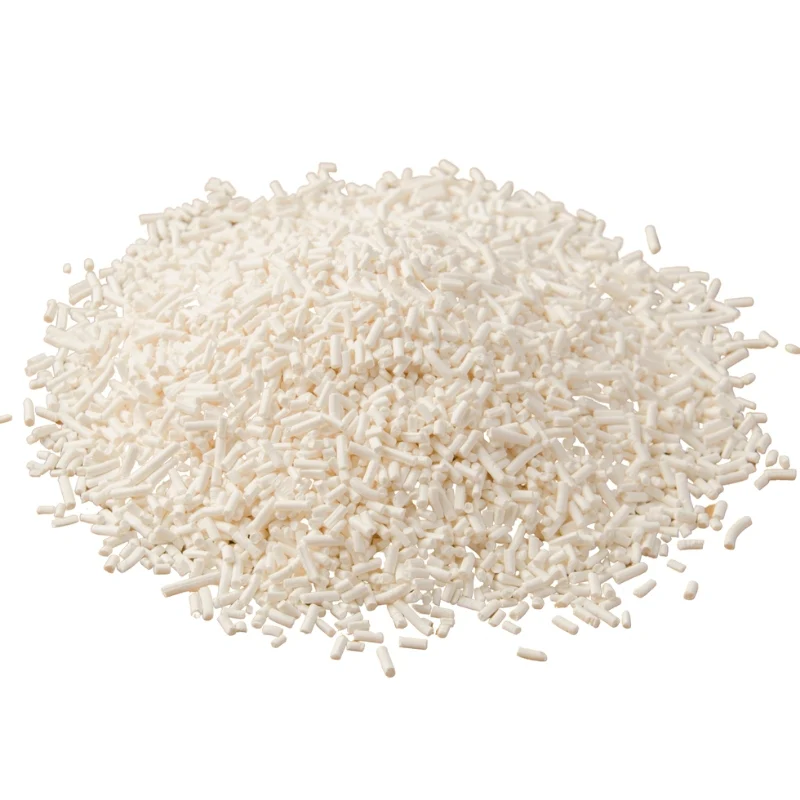
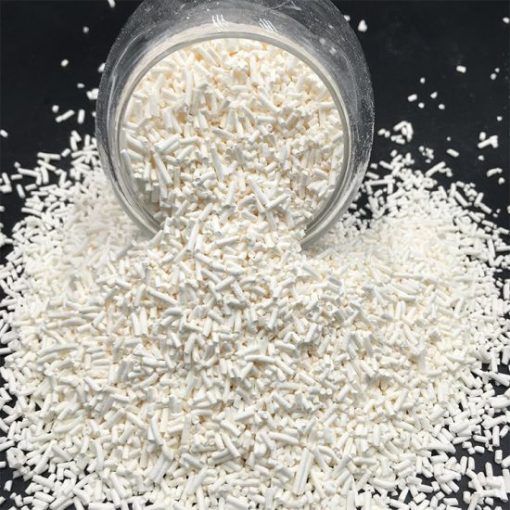
Potassium sorbate is one of the most widely used food preservatives in the global food industry. It is the potassium salt of sorbic acid and is highly effective in controlling the growth of molds, yeasts, and certain bacteria.
What makes potassium sorbate particularly valuable is its ability to provide strong antimicrobial protection while maintaining a relatively neutral impact on flavor, aroma, and product appearance.
Its primary functions include:
- Preventing mold growth
- Inhibiting yeast development
- Extending shelf life
- Maintaining product freshness
- Supporting food safety programs
- Reducing spoilage-related losses
Unlike some preservation systems that can alter product characteristics, potassium sorbate often works quietly in the background, preserving quality without drawing attention to itself.
This subtle effectiveness is one reason why demand for a reliable Potassium Sorbate Supplier Libya continues to grow among food manufacturers.
Why Potassium Sorbate Matters for Food Manufacturing in Libya
Food production environments in Libya face several operational realities that increase the importance of effective preservation systems.
High Environmental Temperatures
Elevated temperatures accelerate microbial activity and product deterioration. Preservatives become essential safeguards against spoilage during storage and transportation.
Extended Distribution Networks
Many products travel significant distances before reaching retailers and consumers. Shelf-life protection becomes increasingly important throughout this journey.
Growing Demand for Processed Foods
Urbanization and changing consumer lifestyles continue to increase demand for packaged foods, beverages, dairy products, and convenience items.
Quality Expectations
Consumers expect products to maintain consistent quality from the first day of production to the final day of shelf life.
Potassium sorbate helps manufacturers meet these expectations while reducing financial losses caused by spoilage and product returns.
Chemical Properties and Functional Characteristics
Understanding how potassium sorbate functions can help procurement teams make more informed sourcing decisions.
Key characteristics include:
- Excellent antimicrobial performance
- High water solubility
- Broad compatibility with food formulations
- Stability under normal processing conditions
- Low impact on flavor profiles
- Effective performance at relatively low usage levels
Potassium sorbate performs particularly well in acidic and moderately acidic food systems, making it suitable for numerous food categories.
Think of it as a highly trained security guard for your product. It does not change the building, redesign the interior, or interfere with daily operations. It simply prevents unwanted guests from causing problems.
Applications Across Major Industries
Beverage Manufacturing
Potassium sorbate is widely used in:
- Fruit juices
- Soft drinks
- Flavored waters
- Syrups
- Energy drinks
Its role is to prevent yeast and mold growth while preserving product quality during storage and distribution.
Dairy Industry
Common applications include:
- Yogurt products
- Dairy desserts
- Processed cheese
- Flavored milk products
These products often require protection against spoilage organisms while maintaining texture and flavor consistency.
Bakery Production
Bakery manufacturers use potassium sorbate to extend freshness and reduce mold development in:
- Bread
- Cakes
- Tortillas
- Pastries
Given the economic impact of mold-related waste, preservation strategies are essential for commercial bakery operations.
Sauces and Condiments
Potassium sorbate is frequently used in:
- Ketchup
- Salad dressings
- Dipping sauces
- Marinades
These products benefit from extended shelf stability and microbial protection.
Confectionery Products
Various confectionery applications use potassium sorbate to maintain product integrity and prevent spoilage during long distribution cycles.
The Growing Market for Potassium Sorbate Supplier Libya
The food industry across Libya continues to evolve as manufacturers invest in improved production capabilities and higher quality standards.
Several trends are driving demand:
Expansion of Local Food Manufacturing
Domestic production continues to increase across multiple food categories.
Shelf-Life Optimization
Manufacturers seek longer shelf lives to improve distribution flexibility and reduce waste.
Food Safety Focus
Stricter quality requirements encourage the use of proven preservation systems.
Retail Modernization
Modern retail environments require products capable of maintaining stability for extended periods.
Industry observers estimate that demand for food preservatives across North Africa continues to grow steadily, driven by both population growth and increased processed food consumption.
Common Mistakes When Sourcing Potassium Sorbate
Many procurement teams underestimate the complexity of preservative sourcing.
Selecting Suppliers Based Solely on Price
The lowest purchase price does not necessarily translate into the lowest operational cost.
Quality inconsistency can lead to:
- Product failures
- Reformulation costs
- Production downtime
- Customer complaints
Ignoring Purity Specifications
Purity levels directly influence performance and consistency.
Overlooking Documentation
Certificates, technical specifications, and quality records are essential for regulatory compliance and internal quality assurance.
Failing to Evaluate Storage Conditions
Improper storage can reduce effectiveness before the preservative even reaches production.
Single-Source Dependency
Relying on only one supplier increases exposure to market disruptions.
In our collaboration with various factories, we have seen that supply continuity frequently becomes just as important as ingredient quality itself.
How Potassium Sorbate Compares to Other Preservatives
While various preservation systems exist, potassium sorbate offers several notable advantages.
Compared with Sodium Benzoate
Potassium sorbate often demonstrates broader effectiveness against molds and yeasts.
Compared with Calcium Propionate
Calcium propionate is especially useful in bakery applications, while potassium sorbate offers greater versatility across multiple food categories.
Compared with Natural Preservation Systems
Natural alternatives may align with clean-label trends but often require higher usage levels or more complex formulation strategies.
The most effective preservation programs frequently combine multiple technologies rather than relying on a single ingredient.
The Role of MT Royal in Food Ingredient Supply
A dependable supplier contributes far more than product availability.
MT Royal supports manufacturers by providing access to multiple international brands and sourcing channels, helping factories maintain flexibility and supply continuity.
This approach offers several advantages:
- Multiple sourcing options
- Consistent quality standards
- Competitive pricing structures
- Reliable supply chains
- Broad ingredient portfolios
For procurement teams navigating uncertain global markets, supplier flexibility can become a significant operational advantage.
We have observed that manufacturers with diversified sourcing strategies generally experience fewer disruptions and greater production stability.
Specialized Industrial Tips for Large-Scale Production
Validate Under Real Production Conditions
Laboratory testing is important, but actual production environments often reveal additional challenges.
Monitor pH Carefully
Potassium sorbate performs most effectively within specific pH ranges.
Use Accurate Dosing Systems
Precision dosing improves consistency and reduces waste.
Evaluate Ingredient Interactions
Preservatives may behave differently depending on the overall formulation.
Implement Shelf-Life Studies
Regular shelf-life testing provides valuable data for optimization.
Maintain Strong Inventory Management
FIFO systems help preserve ingredient quality and reduce storage-related risks.
Hidden Factors That Influence Preservative Performance
Many manufacturers focus exclusively on the preservative itself while overlooking other variables.
Important factors include:
Water Activity
Microbial growth depends heavily on available moisture.
Packaging Quality
Even the best preservative system cannot fully compensate for inadequate packaging.
Processing Conditions
Heat treatment, mixing procedures, and filling operations all influence effectiveness.
Ingredient Interactions
Certain formulation components may enhance or reduce preservative performance.
A successful preservation strategy considers the entire production system rather than treating preservation as a standalone function.
Frequently Asked Questions
What is potassium sorbate used for?
Potassium sorbate is primarily used to prevent mold and yeast growth while extending shelf life in food and beverage products.
Is potassium sorbate suitable for beverages?
Yes. It is widely used in juices, soft drinks, flavored beverages, and syrup formulations.
Why do manufacturers choose potassium sorbate?
Its effectiveness, versatility, low flavor impact, and broad compatibility make it one of the most widely used food preservatives.
How should potassium sorbate be stored?
It should be stored in a cool, dry environment using properly sealed packaging to prevent moisture absorption.
What industries use potassium sorbate most frequently?
Beverage, dairy, bakery, confectionery, sauce, and processed food manufacturers are among the largest users.
What should factories look for in a Potassium Sorbate Supplier Libya?
Key factors include product consistency, technical support, documentation, sourcing flexibility, quality assurance, and supply reliability.
Building Stronger Production Systems Through Smarter Preservation
Every food product faces a constant battle against time, microorganisms, oxidation, environmental stress, and logistical challenges. Preservation systems determine whether that battle is won or lost long before consumers ever see the product.
Potassium sorbate remains one of the industry’s most trusted tools because it combines effectiveness, flexibility, and operational practicality. Yet even the best preservative can only perform as well as the sourcing strategy behind it.
For manufacturers evaluating a Potassium Sorbate Supplier Libya, the real objective extends beyond purchasing a single ingredient. The goal is to establish a stable foundation for production quality, food safety, shelf-life performance, and long-term growth.
Factories that approach preservation strategically tend to experience fewer disruptions, lower waste, stronger customer satisfaction, and greater confidence in every batch they produce. In a market where consistency often determines competitiveness, choosing the right supplier is not simply a procurement decision—it becomes part of the manufacturing process itself.
LATAMARKO LM60 – Premium Spanish-Origin Cocoa Powder
latamarko alkalized cocoa powder lm60
cocoa powder for chocolate production-Best price
Food industry raw materials – list of products
Types of Gelatin from Turkish Manufacturer
Food Ingredients Supplier in Türkiye for Manufacturers and Importers

No comment