

The success of a confectionery product is often decided long before it reaches the consumer’s hands. Texture, shelf life, appearance, moisture retention, mouthfeel, and stability all depend on carefully selected ingredients working together behind the scenes. Among these ingredients, stabilizers play a particularly important role. For confectionery manufacturers in Libya, choosing the right stabilizer system can mean the difference between a product that delights customers and one that struggles with inconsistency, quality complaints, or reduced shelf life.
If your factory is searching for reliable Confectionery Stabilizers Libya solutions, it is worth working with experienced suppliers that understand both ingredient functionality and industrial production realities. This is one reason many manufacturers evaluate MT Royal when sourcing confectionery ingredients. By offering access to multiple international brands at competitive prices, MT Royal helps manufacturers compare options and select stabilizers that align with specific production goals rather than relying on one-size-fits-all solutions.
As the Libyan food industry continues to evolve, consumer expectations are rising. Customers now expect confectionery products to maintain their texture, appearance, and freshness throughout transportation, storage, and consumption. Stabilizers have become one of the most important tools available to manufacturers seeking to achieve these goals consistently and economically.
This comprehensive guide explores the science, applications, sourcing strategies, market trends, and technical considerations surrounding Confectionery Stabilizers Libya, helping factory managers, procurement teams, R&D specialists, and production professionals make informed decisions.
Understanding Confectionery Stabilizers
Confectionery stabilizers are functional ingredients used to maintain the physical structure, consistency, texture, and stability of confectionery products throughout their shelf life.
Unlike ingredients that contribute primarily to flavor or sweetness, stabilizers influence how a product behaves over time. They help manage moisture migration, control crystallization, improve texture retention, and prevent undesirable physical changes.
In practical manufacturing terms, stabilizers act as the invisible framework supporting the final product.
Without appropriate stabilization systems, confectionery products may experience:
- Texture degradation
- Sugar crystallization
- Moisture loss
- Stickiness
- Phase separation
- Reduced shelf life
- Product deformation during storage
For industrial manufacturers, stabilizers are not optional additives. They are critical process and quality-control tools.
Why Confectionery Stabilizers Are Becoming More Important in Libya
The confectionery market in Libya continues to develop alongside broader growth in food manufacturing.
Several factors are driving increased demand for advanced stabilizer systems.
Rising Consumer Expectations
Modern consumers expect confectionery products to remain fresh and appealing for extended periods.
Whether producing:
- Gummies
- Soft candies
- Chocolate fillings
- Marshmallows
- Chewy sweets
- Cream-filled products
consistency has become a key competitive advantage.
Expansion of Local Manufacturing
Many Libyan producers are investing in domestic production capabilities to reduce dependence on imported finished products.
As production volumes increase, formulation precision becomes increasingly important.
Longer Distribution Chains
Products often travel through multiple storage and transportation environments before reaching consumers.
Temperature fluctuations and varying humidity levels create challenges that stabilizers help address.
Growing Product Innovation
Manufacturers are launching new products with increasingly sophisticated textures and sensory experiences.
Achieving these innovations requires advanced hydrocolloid systems and food texture modifiers.
What Stabilizers Actually Do in Confectionery Manufacturing
A common misconception is that stabilizers simply “thicken” products.
Their role is much broader.
Moisture Management
One of the biggest challenges in confectionery manufacturing is controlling water movement.
Moisture migration can cause:
- Product hardening
- Surface stickiness
- Texture collapse
- Quality deterioration
Stabilizers help regulate water distribution throughout the product matrix.
Texture Optimization
Texture is one of the strongest drivers of consumer preference.
A gummy should remain elastic.
A marshmallow should remain soft.
A cream filling should remain smooth.
Stabilizers help maintain these desired characteristics over time.
Shelf Life Enhancement
Many confectionery products lose quality gradually during storage.
Proper stabilization can significantly extend shelf life by preserving structural integrity and preventing physical changes.
Process Stability
Production efficiency also benefits from stabilization.
Manufacturers often experience:
- Improved batch consistency
- Reduced processing variability
- Better machine performance
- Lower waste rates
Common Types of Confectionery Stabilizers Used in Libya
The choice of stabilizer depends on product type, processing conditions, target texture, and cost objectives.
Gelatin
Gelatin remains one of the most widely used confectionery stabilizers worldwide.
Applications include:
- Gummies
- Marshmallows
- Chewy candies
Advantages include:
- Excellent elasticity
- Pleasant mouthfeel
- Strong gel formation
Pectin
Pectin is particularly important in fruit-based confectionery products.
Benefits include:
- Natural origin
- Clean-label appeal
- Fruit compatibility
- Excellent gel characteristics
Pectin demand has increased significantly as manufacturers seek plant-based solutions.
Carrageenan
Carrageenan provides excellent stabilization in numerous confectionery applications.
It contributes to:
- Gel formation
- Texture control
- Water binding
- Stability enhancement
Agar
Agar is valued for strong gel-forming capabilities and thermal stability.
Applications include:
- Specialty confectionery
- Jelly products
- Decorative sweets
Xanthan Gum
Although often associated with sauces and beverages, xanthan gum also serves important functions in confectionery systems.
Its benefits include:
- Viscosity control
- Suspension stability
- Moisture retention
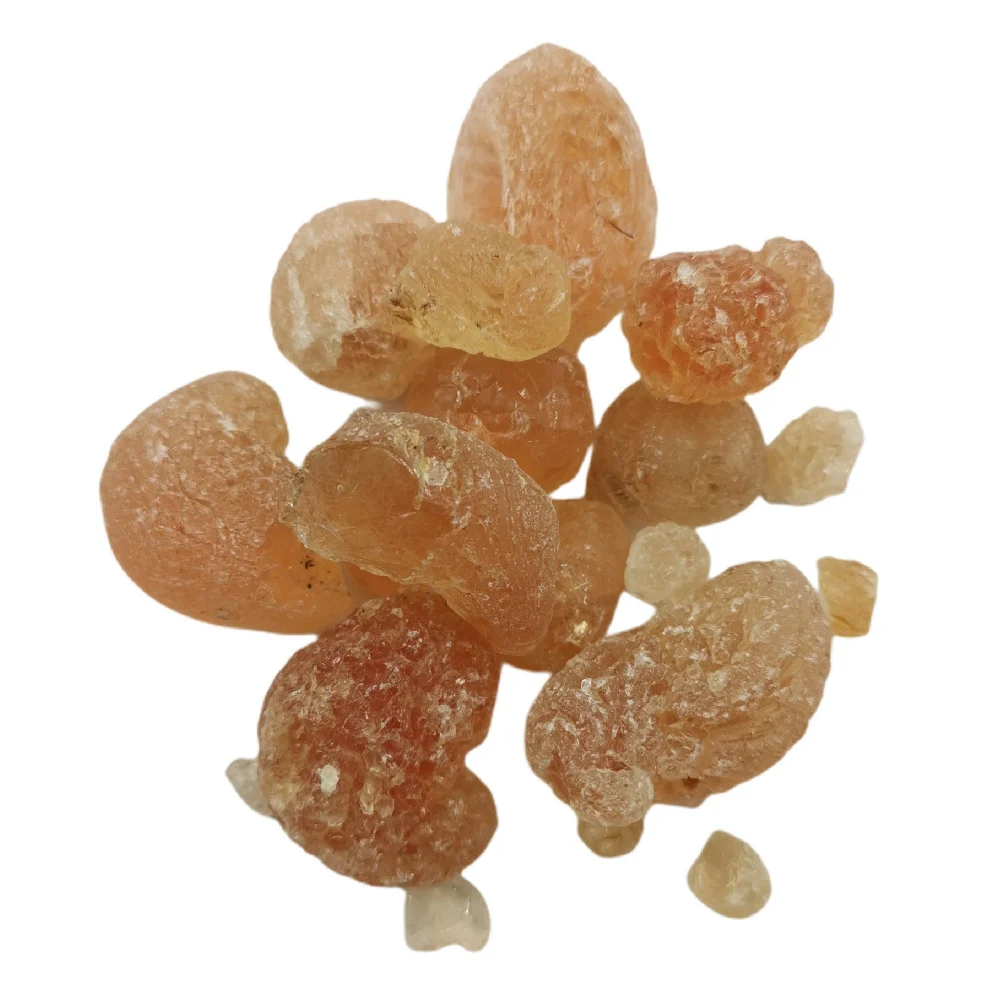
Gum Arabic
Gum Arabic remains an important ingredient for:
- Coated confectionery
- Flavor encapsulation
- Surface stabilization
Its versatility makes it valuable in numerous formulations.
Key Applications of Confectionery Stabilizers in Libya
Gummies and Jelly Candies
The gummy sector depends heavily on stabilizer technology.
Desired characteristics include:
- Elasticity
- Shape retention
- Chewability
- Stability during storage
The wrong stabilizer system can transform a premium gummy into a sticky or brittle product.
Marshmallows
Marshmallows require carefully balanced stabilization to maintain:
- Softness
- Aeration
- Volume
- Moisture balance
Cream Fillings
Cream-filled confectionery products often face challenges related to:
- Separation
- Moisture migration
- Texture changes
Stabilizers help preserve consistency throughout shelf life.
Chocolate-Based Products
Although chocolate itself contains structural components, many fillings and inclusions require stabilization systems to maintain quality.
Chewy Candies
Chewy confectionery products rely heavily on texture management.
Consumers quickly notice deviations in chewiness and mouthfeel.
The Science Behind Texture Stability
Texture may seem subjective, but in industrial manufacturing it can be measured and controlled with remarkable precision.
Food scientists evaluate:
- Gel strength
- Elasticity
- Viscosity
- Water activity
- Syneresis
- Cohesiveness
Each of these properties influences consumer perception.
A useful analogy is to imagine a confectionery product as a carefully engineered building.
Sugars create much of the visible structure.
Stabilizers function as the internal support system that prevents collapse under changing environmental conditions.
Without those supports, even a beautiful structure eventually develops weaknesses.
Selecting the Right Confectionery Stabilizers Libya Solution
Every product has unique requirements.
Successful stabilizer selection begins with understanding key formulation variables.
Product Type
Different products require different stabilization mechanisms.
For example:
- Gummies need elasticity
- Fillings need emulsion stability
- Marshmallows need aeration support
Processing Conditions
Manufacturing conditions significantly influence stabilizer performance.
Important factors include:
- Heating temperatures
- Cooling rates
- Mixing intensity
- Production speed
Storage Environment
Products intended for warm climates often require more robust stabilization systems.
This consideration is particularly important in regions where temperature fluctuations can affect product integrity.
Regulatory Requirements
Food manufacturers must ensure compliance with applicable ingredient regulations and labeling requirements.
Common Sourcing Mistakes Manufacturers Should Avoid
Purchasing Solely Based on Price
The cheapest stabilizer is rarely the most economical option.
A lower-cost ingredient may require higher usage levels or produce inconsistent results.
Total formulation cost matters more than ingredient price alone.
Ignoring Technical Support
Ingredient suppliers should provide expertise, not merely products.
Technical guidance often prevents costly production problems.
Insufficient Pilot Testing
Factory-scale trials remain essential before adopting new stabilizer systems.
Laboratory success does not always guarantee production success.
Overlooking Supply Security
Supply interruptions can disrupt production schedules and customer commitments.
A reliable supplier should maintain strong sourcing networks and inventory planning.
Why Supplier Expertise Matters
A dependable Confectionery Stabilizers Libya supplier contributes value beyond product availability.
The best suppliers help manufacturers:
- Improve formulations
- Reduce waste
- Increase shelf life
- Solve production challenges
- Evaluate alternative ingredients
MT Royal is often selected by manufacturers because it provides access to multiple international brands while supporting technical evaluation and sourcing flexibility.
This approach allows factories to compare solutions objectively and select ingredients that align with operational goals.
Specialized Industrial Tips for Large-Scale Confectionery Production
Standardize Hydration Procedures
Many stabilizers require precise hydration protocols.
Small variations in hydration can create significant texture differences.
Control Water Quality
Mineral content can influence stabilizer performance.
Water specifications should be monitored consistently.
Monitor Temperature Carefully
Temperature affects:
- Gel formation
- Hydration rates
- Viscosity development
- Texture consistency
Even minor temperature fluctuations can influence finished product quality.
Build Redundancy Into Supply Chains
Leading manufacturers avoid dependence on a single ingredient source.
Diversified sourcing strategies reduce operational risk.
Use Data-Driven Quality Control
Modern confectionery plants increasingly rely on:
- Texture analysis
- Rheology testing
- Water activity monitoring
- Shelf-life simulations
These tools improve consistency and reduce product variability.
In our work with food manufacturers, we have observed that investments in process control frequently generate larger quality improvements than ingredient changes alone.
Emerging Trends in Confectionery Stabilizers
The confectionery industry continues evolving rapidly.
Several trends are reshaping stabilizer demand.
Clean-Label Formulations
Consumers increasingly seek recognizable ingredients.
This trend is encouraging greater use of naturally derived stabilizers.
Plant-Based Confectionery
Demand for plant-based products continues to grow.
Manufacturers are developing alternatives to traditional animal-derived stabilizers.
Reduced-Sugar Products
Lower-sugar formulations often require advanced stabilization systems to compensate for functional properties traditionally provided by sugar.
Premium Texture Experiences
Consumers increasingly associate unique textures with product quality.
This trend is driving innovation in hydrocolloid technology and food texture engineering.
Sustainability Initiatives
Food manufacturers are evaluating ingredient sourcing through environmental and sustainability lenses.
This influences procurement decisions and product development strategies.
Understanding the Economics of Stabilizer Selection
Many procurement teams focus heavily on price per kilogram.
This approach often overlooks critical factors.
The real economic evaluation should consider:
- Dosage efficiency
- Waste reduction
- Shelf-life improvement
- Production stability
- Customer satisfaction
- Reduced product returns
A stabilizer that costs more initially may deliver significantly lower total production costs.
We frequently see manufacturers discover substantial savings after evaluating cost-in-use rather than ingredient purchase price alone.
Quality Parameters to Evaluate Before Purchasing
When sourcing Confectionery Stabilizers Libya solutions, manufacturers should review:
Functional Performance
Evaluate performance within actual production conditions.
Batch Consistency
Consistency is essential for large-scale manufacturing.
Documentation
Suppliers should provide:
- Technical data sheets
- Specifications
- Certificates of analysis
- Regulatory documentation
Traceability
Modern food safety systems require reliable ingredient traceability.
Technical Responsiveness
Support during formulation and troubleshooting can significantly improve operational efficiency.
Frequently Asked Questions from Factory Managers and Procurement Teams
What is the primary purpose of confectionery stabilizers?
They help maintain texture, structure, moisture balance, and product stability throughout manufacturing and storage.
Can one stabilizer work for all confectionery products?
Usually not. Different products require different stabilization mechanisms and functional properties.
How can stabilizers improve shelf life?
They help control moisture migration, maintain texture, reduce structural changes, and preserve overall product quality.
Are natural stabilizers becoming more popular?
Yes. Consumer demand for cleaner labels and plant-based ingredients continues driving adoption of natural stabilizers.
Why is technical supplier support important?
Ingredient functionality depends on formulation and processing conditions. Expert support helps optimize performance and avoid costly production issues.
How should manufacturers compare stabilizer options?
Evaluate:
- Functional performance
- Dosage requirements
- Cost-in-use
- Supply reliability
- Technical support
rather than focusing solely on purchase price.
What role do hydrocolloids play in confectionery products?
Hydrocolloids help manage water, create texture, improve stability, and maintain product consistency.
How often should stabilizer performance be reviewed?
Regular evaluation is recommended, particularly when production volumes, formulations, market requirements, or raw material conditions change.
Building a Long-Term Strategy for Confectionery Stabilizers
The most successful confectionery manufacturers treat stabilizers as strategic ingredients rather than simple additives.
This perspective encourages:
- Better supplier relationships
- More effective product development
- Improved production consistency
- Enhanced customer satisfaction
- Greater operational resilience
As confectionery markets become increasingly competitive, small improvements in texture, shelf life, and consistency can create meaningful advantages.
We have seen factories achieve significant gains simply by reevaluating stabilizer systems that had remained unchanged for years despite evolving production requirements.
For manufacturers seeking reliable Confectionery Stabilizers Libya solutions, the objective extends far beyond purchasing an ingredient. It involves building a foundation for product quality, production efficiency, and long-term market success. The right stabilizer system quietly supports every stage of the product journey—from the mixing tank to the consumer’s first bite—ensuring that what leaves your factory reflects the standards your brand promises. In an industry where texture, stability, and consistency define customer loyalty, the smartest investments are often the ones consumers never see but always experience.
LATAMARKO LM60 – Premium Spanish-Origin Cocoa Powder
latamarko alkalized cocoa powder lm60
cocoa powder for chocolate production-Best price
Food industry raw materials – list of products


No comment