

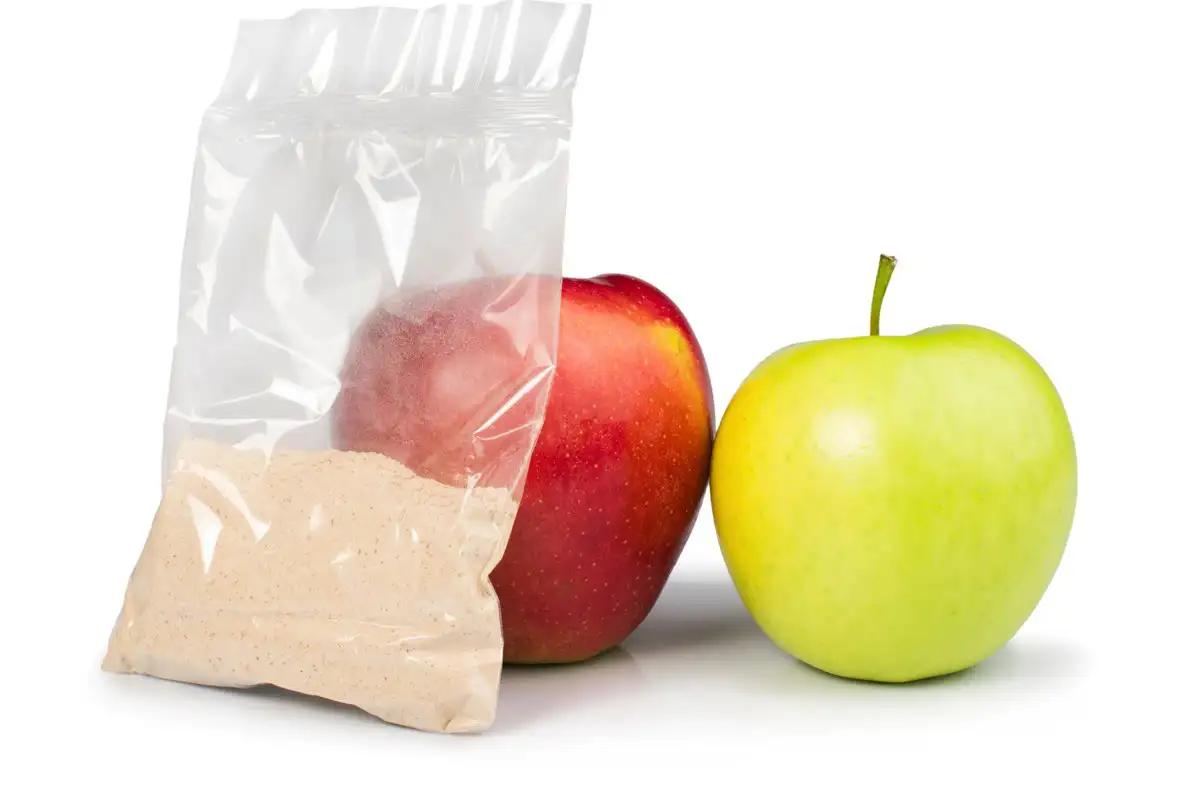
In today’s highly competitive food industry, product consistency is no longer a “quality advantage” — it is a survival requirement. For factories producing dairy fillings, bakery creams, yogurts, or fruit-based desserts, selecting the right Pectin for Fruit Preparations can directly determine whether a product succeeds in international markets or struggles with instability, separation, or poor texture. This is exactly where experienced suppliers such as MT Royal become essential for procurement teams who need reliable access to multiple brands, stable sourcing channels, and technically suitable hydrocolloid solutions.
For manufacturers, fruit preparation systems are not just about taste. They are about structure, viscosity control, heat resistance, and shelf-life stability under industrial conditions that often feel more like a stress test than a recipe. A slight mismatch in pectin grade can turn a perfectly designed product into a separated, watery, or overly stiff disappointment. And in large-scale production, even a 2% inconsistency can translate into thousands of rejected units.
Understanding how pectin behaves in fruit systems is therefore not just technical knowledge — it is a financial safeguard.
LATAMARKO LM60 – Premium Spanish-Origin Cocoa Powder
latamarko alkalized cocoa powder lm60
cocoa powder for chocolate production-Best price
Food industry raw materials – list of products
Best Brazilian Arabica Coffee Bean Supplier for Industrial Roaster
Uganda Bugisu Arabica Coffee Beans for Specialty Coffee Industry
Understanding Pectin for Fruit Preparations
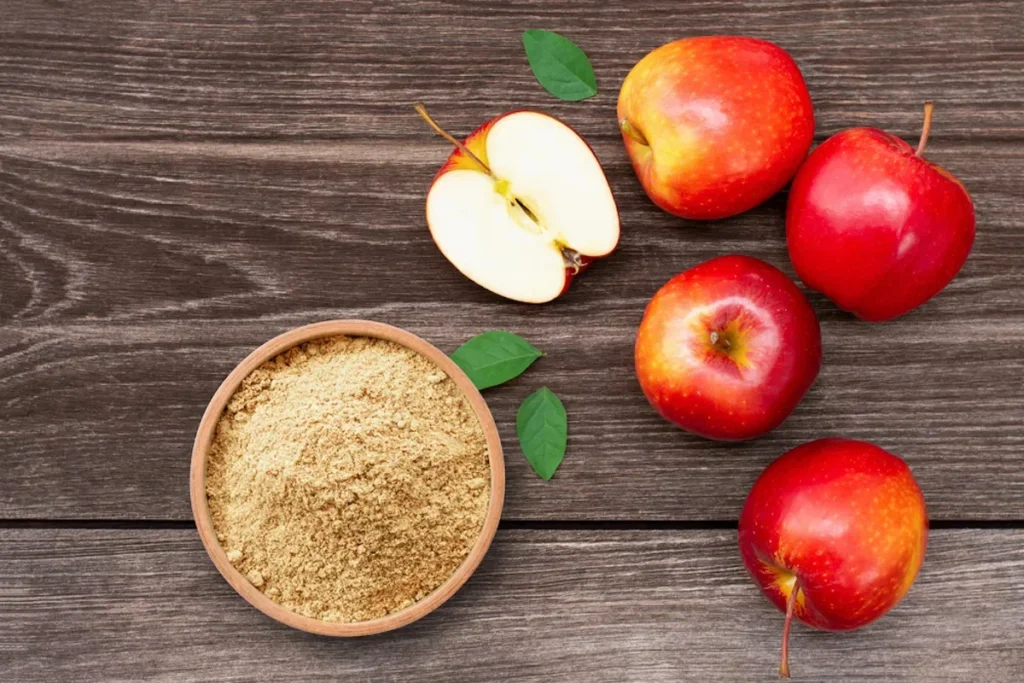
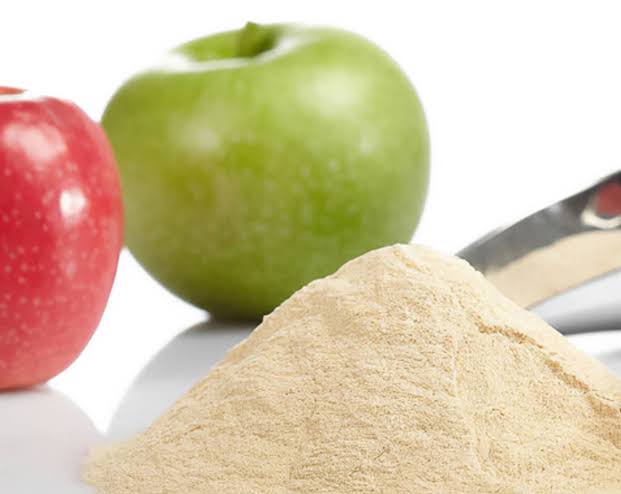
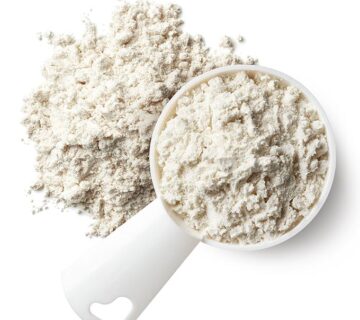
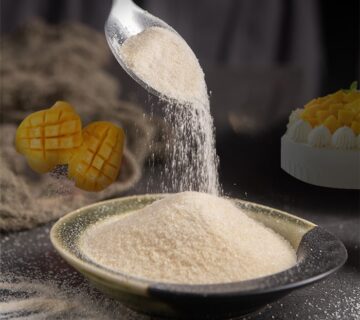
Pectin for Fruit Preparations is a functional polysaccharide used to stabilize, thicken, and structure fruit-based systems in industrial food manufacturing. It is primarily extracted from citrus peels and apple pomace and refined into standardized grades tailored for specific applications such as yogurt fruit layers, bakery fillings, and dessert toppings.
Unlike simple thickeners, pectin interacts with water, sugar, acid, and calcium ions to form a structured network. This network controls how fruit particles behave in a system, preventing sedimentation and maintaining a uniform texture throughout shelf life.
In industrial terms, pectin acts as a “micro-architect” of fruit systems, ensuring that every spoonful of product behaves exactly like the first.
Why Pectin Matters in Industrial Fruit Systems
Factories often underestimate how sensitive fruit preparations are. On paper, a formulation may look simple: fruit, sugar, stabilizer. In practice, however, the system behaves more like a living structure.
Pectin influences:
- Suspension of fruit pieces
- Prevention of serum separation
- Viscosity consistency under shear
- Heat resistance during pasteurization
- Mouthfeel and consumer perception
- Pumpability in filling lines
- Long-term storage stability
In high-speed production lines, where fruit preparations are injected into yogurts or layered into desserts at industrial scale, instability is not just a quality issue — it is a production disruption.
In our collaboration with various factories, we have seen that switching from a general-purpose stabilizer to a properly selected pectin grade reduced product rejection rates by up to 18–22% in certain dairy applications.
Functional Mechanism: How Pectin Works in Fruit Preparations
To understand Pectin for Fruit Preparations, it is important to look at its molecular behavior under processing conditions.
When pectin is hydrated, its long-chain molecules disperse in water. Depending on the type of pectin used, these molecules interact differently with sugar and calcium ions.
Interaction with Sugar and Acid
In high-methoxyl systems, sugar reduces water availability, allowing pectin chains to bond more effectively. Acid adjusts the electrical charge on the molecules, promoting gel formation and structural stability.
Calcium Crosslinking in Low-Methoxyl Systems
In low-methoxyl pectin systems, calcium ions act as bridges between pectin chains, forming a stable network even in low-sugar environments. This is particularly important for modern “reduced sugar” and “clean label” formulations.
Heat and Shear Resistance
Industrial fruit preparations often undergo pasteurization at 85–95°C. Pectin must maintain its functionality under heat while also surviving mechanical shear during pumping and mixing.
Think of pectin as scaffolding inside a building under construction — if it collapses during assembly, the entire structure becomes unstable.
Types of Pectin Used in Fruit Preparations
Selecting the correct pectin type is one of the most important decisions in formulation design.
High Methoxyl (HM) Pectin
This type is widely used in traditional fruit systems where sugar content is high.
Key characteristics:
- Requires high soluble solids
- Forms strong, elastic gels
- Excellent for classic dessert textures
- Sensitive to pH and sugar balance
HM pectin is commonly used in bakery fruit fillings and dessert toppings where sweetness and firmness are desired.
Low Methoxyl (LM) Pectin
LM pectin has become increasingly important due to health-driven product innovation.
Key characteristics:
- Works in low-sugar systems
- Calcium-dependent gelation
- Suitable for dairy fruit preparations
- Flexible texture design
It is especially common in yogurt fruit layers where sugar reduction is a priority.
Amidated Low Methoxyl Pectin
This modified form provides enhanced flexibility in industrial environments.
Advantages include:
- Better tolerance to processing variations
- Improved freeze-thaw stability
- More forgiving formulation window
- Consistent texture under fluctuating conditions
For large factories operating multiple product lines, this type often reduces formulation risk.
Industrial Applications of Pectin for Fruit Preparations
The use of Pectin for Fruit Preparations extends far beyond simple fruit jams.
Dairy Industry Applications
In yogurt production, fruit layers must remain stable without mixing into the dairy phase. Pectin ensures that fruit remains evenly distributed and visually appealing.
Applications include:
- Stirred yogurt fruit blends
- Layered yogurt cups
- Drinking yogurt stabilization
Bakery Industry Applications
Bakery fillings require heat stability and non-flowing consistency during baking.
Pectin helps maintain:
- Shape integrity
- Moisture control
- Controlled release of fruit juice
Confectionery and Dessert Applications
In desserts, texture is part of the sensory identity of the product.
Pectin contributes to:
- Smooth gel textures
- Controlled viscosity
- Glossy appearance
Beverage and Functional Food Systems
Some modern beverages use fruit particulates stabilized with pectin for improved mouthfeel and visual appeal.
Common Mistakes in Industrial Sourcing
Many production issues originate not in the factory but in procurement decisions.
1. Selecting Based Only on Price
Lower cost often hides higher dosage requirements or inconsistent performance. A cheaper pectin that requires 20% more usage is not actually cheaper in production terms.
2. Ignoring Application-Specific Grades
Not all pectins are interchangeable. A grade suitable for jam may fail completely in dairy fruit systems.
3. Overlooking Processing Conditions
Factories sometimes test ingredients in laboratory conditions that do not reflect real production stress. This leads to unexpected failures during scale-up.
4. Inconsistent Supplier Base
Switching suppliers too frequently introduces variability. Standardization is essential for stable production.
This is why procurement teams often prefer sourcing through experienced suppliers like MT Royal, which offers access to multiple brands and technical consistency options under one procurement channel.
Specialized Tips for Large-Scale Production
Industrial production behaves differently from lab-scale formulation. Small variations become amplified.
To improve performance:
Before scaling up, always validate pectin behavior under full shear conditions, not just static mixing tests. Industrial tanks introduce mechanical stress that changes hydration behavior.
Practical recommendations include:
- Pre-blending pectin with sugar for uniform dispersion
- Controlling hydration temperature precisely
- Avoiding overdosing, which can lead to rubbery textures
- Standardizing mixing speed across production shifts
- Monitoring pH at multiple stages, not just formulation start
- Using consistent fruit pulp particle size
Factories that implement these controls often report significantly fewer batch inconsistencies and reduced downtime during changeovers.
Quality Control Considerations
Quality control in fruit preparations is not limited to final product testing. It must be integrated into every stage.
Key parameters include:
- Viscosity stability over time
- Syneresis resistance
- Particle suspension uniformity
- Heat stability after pasteurization
- Freeze-thaw performance
- pH drift during storage
- Microbiological safety
A robust QC system ensures that even minor deviations are detected before reaching consumers.
Market Trends Influencing Pectin Demand
The global food industry is undergoing a structural shift that directly affects hydrocolloid usage.
Key trends include:
- Growth of clean label products
- Expansion of reduced sugar formulations
- Rising demand for plant-based desserts
- Increased use of natural stabilizers
- Premiumization of dairy fruit products
- Focus on texture-driven food innovation
Market data suggests that global pectin demand in fruit-based systems is growing at approximately 5–7% annually, with dairy applications representing one of the fastest-growing segments.
Frequently Asked Questions
Why does fruit separation occur in yogurt products?
It is usually caused by incorrect pectin selection or insufficient stabilization under acidic conditions.
Can one pectin grade be used for all fruit preparations?
No. Different systems require different gelation mechanisms and performance profiles.
How does pectin improve shelf life?
By stabilizing water distribution and preventing phase separation over time.
What is the most critical factor in pectin performance?
Compatibility with pH, sugar level, and processing temperature is the most important factor.
Why do production results vary between batches?
Variations in fruit raw material, processing conditions, and hydration efficiency are common causes.
Final Perspective: Building Stability into Every Fruit System
In industrial food manufacturing, consistency is not achieved by chance — it is engineered through ingredient selection, process control, and supplier reliability. Pectin for Fruit Preparations plays a central role in that system, quietly ensuring that fruit particles remain suspended, textures remain stable, and products maintain their intended identity from the first batch to the thousandth.
Factories that treat pectin as a strategic functional ingredient rather than a commodity tend to experience fewer production disruptions and stronger product performance in competitive markets. And when sourcing decisions are supported by experienced partners like MT Royal, manufacturers gain not only access to multiple reliable brands but also the flexibility needed to adapt to evolving product demands.
The real value of pectin is not in what it adds — but in what it prevents from going wrong when no one is looking.

No comment