

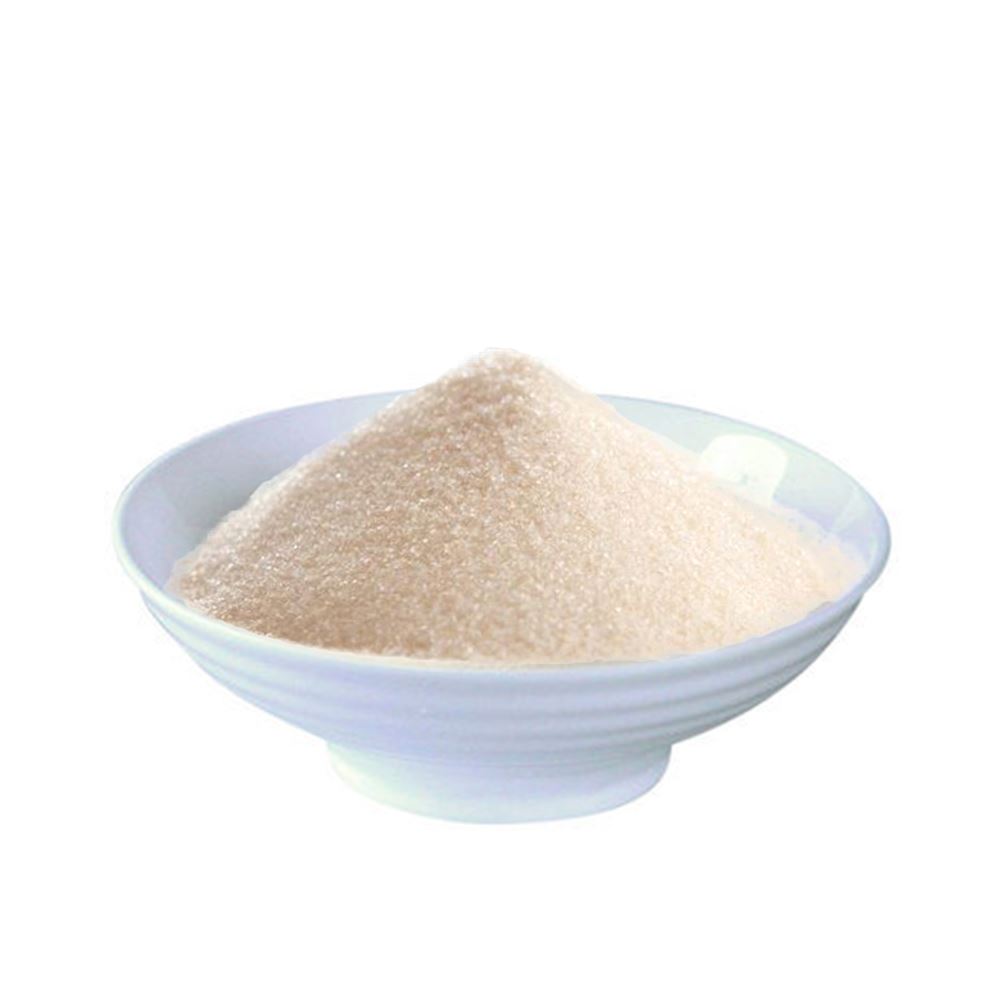
In today’s competitive food manufacturing landscape, securing a dependable Gelling Agents Supplier Libya is no longer a routine procurement task—it is a critical decision that shapes product texture, stability, shelf life, and even consumer perception. If your factory operates in food processing, dairy production, confectionery, beverages, or even pharmaceuticals, then you already know that a product is not just what it contains, but how it behaves on the shelf, on the spoon, and in the customer’s mouth.
This is exactly where strategic sourcing from reliable partners such as MT Royal becomes essential. In the Libyan industrial market, where supply chain consistency and ingredient availability can fluctuate due to import dependencies, choosing the right supplier is not about convenience—it is about production survival and long-term competitiveness.
Factories across Libya are increasingly realizing that gelling agents are not simple additives. They are functional backbone ingredients that determine whether a yogurt holds its structure, a dessert maintains its body, or a sauce delivers the expected viscosity. And when production lines run at industrial scale, even a slight inconsistency in hydrocolloid quality can turn a perfectly optimized formulation into a costly batch failure.
Understanding Gelling Agents in Industrial Manufacturing
Gelling agents are functional ingredients used to create, stabilize, or modify the texture of food and industrial formulations. In technical terms, they belong to a broader category known as hydrocolloids—water-soluble polymers that modify the rheological behavior of liquids.
At a factory level, gelling agents are responsible for:
- Creating gel structures in food and pharmaceutical systems
- Controlling viscosity and flow behavior
- Stabilizing emulsions and suspensions
- Improving mouthfeel and sensory experience
- Extending shelf life by maintaining structural integrity
The most commonly used food stabilizers and gelling agents include gelatin, pectin, carrageenan, agar-agar, xanthan gum, guar gum, and sodium alginate. Each of these ingredients behaves differently under heat, pH changes, and mechanical stress.
For example, pectin forms strong gels in acidic environments with sugar presence, making it ideal for jams and fruit preparations. Carrageenan, on the other hand, performs exceptionally well in dairy systems, especially in chocolate milk and ice cream formulations. Xanthan gum is widely used for its extraordinary stability across temperature and pH ranges, making it a favorite in sauces and dressings.
In industrial environments, understanding these differences is not optional—it is the foundation of successful product engineering.

Why Gelling Agents Matter for Libyan Manufacturers
Libya’s food manufacturing sector is evolving rapidly, driven by urbanization, increased demand for packaged foods, and the expansion of retail distribution networks. However, this growth comes with one major challenge: maintaining product consistency in a market that depends heavily on imported raw materials.
Gelling agents play a central role in solving this challenge because they directly influence:
- Texture consistency across production batches
- Resistance to temperature fluctuations during transport
- Suspension stability in liquid products
- Visual appeal and product structure integrity
In many Libyan factories, a recurring issue is batch variability caused by inconsistent hydrocolloid quality. A sauce that is perfectly thick in one batch may turn watery in the next simply because of a slight change in gum viscosity or hydration behavior.
In our collaboration with industrial producers, we have seen how switching to standardized gelling agent systems can reduce product rejection rates by up to 18–22%. This is not a minor improvement—it is a direct impact on profitability and brand reliability.
A reliable Gelling Agents Supplier Libya is therefore not just delivering raw material but safeguarding your production reputation.
Key Types of Gelling Agents Used in Industry
To fully understand sourcing decisions, it is important to break down the major categories of gelling agents used in industrial applications.
1. Gelatin and Gelatin Alternatives
Gelatin remains one of the oldest gelling agents, derived from animal collagen. It is widely used in desserts, gummies, and dairy products. However, due to dietary restrictions and halal requirements in many markets, alternatives such as plant-based hydrocolloids are increasingly important.
2. Pectin
Pectin is a natural polysaccharide primarily used in jams, jellies, and fruit-based products. It requires specific sugar and acid conditions to form a stable gel structure.
3. Carrageenan
Extracted from red seaweed, carrageenan is one of the most important thickening agents in dairy manufacturing. It prevents separation in chocolate milk and improves creaminess in ice cream.
4. Xanthan Gum
Xanthan gum is a microbial polysaccharide known for its exceptional stability. It is widely used as a rheology modifier in sauces, dressings, and gluten-free baking systems.
5. Agar-Agar
A plant-based alternative to gelatin, agar-agar forms strong, heat-stable gels. It is commonly used in confectionery and microbiological media.
6. Guar Gum and Locust Bean Gum
These are natural seed-based hydrocolloids used to improve viscosity and texture in both food and industrial formulations.
Each of these ingredients plays a different role in product development, and selecting the right combination is a science in itself.
Industrial Applications of Gelling Agents in Libya
The use of gelling agents in Libya spans multiple industries, each with unique technical requirements.
Dairy and Beverage Industry
In dairy production, gelling agents ensure product stability and prevent phase separation. Carrageenan is especially important in chocolate milk, where cocoa particles tend to settle without proper stabilization.
Confectionery and Bakery
Gelling agents are essential in creating consistent textures in gummies, jellies, fillings, and cake stabilizers. Pectin and gelatin are commonly used, depending on formulation requirements.
Meat and Processed Foods
In processed meat products, hydrocolloids help retain moisture, improve slicing properties, and enhance texture stability during cooking and storage.
Pharmaceutical Applications
Capsules, controlled-release tablets, and suspensions rely heavily on gelling agents to ensure proper dosage and stability.
Cosmetics and Personal Care
Creams, gels, and lotions use hydrocolloids to achieve desired viscosity and smooth application characteristics.
This wide application range means that a Gelling Agents Supplier Libya must be capable of supporting multiple industries with tailored technical solutions.
Common Mistakes in Gelling Agent Sourcing
Procurement teams often underestimate the complexity of hydrocolloid sourcing, leading to avoidable production issues.
1. Treating all gelling agents as interchangeable
One of the biggest mistakes is assuming that all hydrocolloids behave similarly. Xanthan gum cannot replace pectin in jam production, just as gelatin cannot replicate carrageenan’s dairy stabilization properties.
2. Ignoring hydration behavior
Some gelling agents require hot water, others cold dispersion. Improper hydration leads to lump formation, inconsistent texture, and poor product performance.
3. Overlooking dosage sensitivity
Hydrocolloids are highly sensitive ingredients. A difference of 0.1% in formulation can significantly alter viscosity and gel strength.
4. Choosing suppliers without technical documentation
Without proper technical data sheets and application guidance, factories risk inconsistent production outcomes.
5. Focusing only on price
Lower-cost products may have reduced purity or inconsistent particle size distribution, affecting performance in industrial systems.
Selecting the Right Gelling Agents Supplier in Libya
Choosing a reliable supplier is a strategic decision that requires technical evaluation rather than simple price comparison.
A strong Gelling Agents Supplier Libya should provide:
- Consistent batch quality and traceability
- Access to multiple hydrocolloid types and brands
- Technical formulation support
- Stable supply chain logistics
- Industrial-scale packaging options
In many cases, suppliers like MT Royal offer a significant advantage because they provide diversified sourcing options rather than limiting factories to a single production origin. This flexibility is particularly important in volatile global markets where ingredient availability can shift rapidly.
MT Royal’s Role in Industrial Hydrocolloid Supply
In the industrial ingredients sector, reliability is not a marketing claim—it is a production requirement. MT Royal operates within this principle by offering a broad portfolio of gelling agents and hydrocolloids tailored for industrial applications.
Rather than functioning as a single-product distributor, MT Royal supports manufacturers with multi-brand sourcing strategies that reduce dependency risks. This is especially valuable for Libyan factories dealing with import fluctuations and supply chain delays.
We have observed in industrial collaborations that factories using diversified suppliers experience fewer production interruptions and significantly improved formulation stability across product lines.
MT Royal’s role is not limited to supply—it extends to helping factories understand which gelling system performs best under specific production conditions.
Emerging Trends in Gelling Agents and Hydrocolloids
The global hydrocolloid industry is undergoing significant transformation, and Libya is gradually aligning with these trends.
Rise of plant-based and clean-label ingredients
Consumers are increasingly demanding natural and plant-derived ingredients. This is driving higher adoption of agar-agar, pectin, and cellulose-based systems.
Demand for multifunctional hydrocolloids
Modern formulations increasingly rely on ingredients that provide multiple functions—thickening, stabilization, and emulsification in a single system.
Growth in low-sugar and reduced-calorie products
Gelling agents play a critical role in maintaining texture in reduced-sugar formulations, especially in jams and dairy desserts.
Advancements in microbial polysaccharides
Ingredients like xanthan gum continue to evolve due to improved fermentation technologies that enhance purity and consistency.
Specialized Technical Tips for Industrial Production
For factories working with hydrocolloids at scale, small technical adjustments can lead to major production improvements.
Optimize hydration temperature
Each gelling agent has a specific activation temperature. Incorrect hydration leads to poor dispersion and weak gel formation.
Use pre-blending techniques
Mixing hydrocolloids with sugar or dry carriers before hydration improves dispersion and reduces lump formation.
Control shear conditions
Excessive mechanical shear can break down polymer chains, reducing gel strength.
Monitor pH sensitivity
Some gelling agents perform poorly in acidic environments unless specifically designed for it.
Standardize mixing times
Consistency in mixing duration ensures batch-to-batch uniformity in viscosity and texture.
Frequently Asked Questions from Procurement Teams
What is the most commonly used gelling agent in food manufacturing?
Xanthan gum and carrageenan are among the most widely used due to their versatility and stability across applications.
How do I choose between gelatin and plant-based alternatives?
It depends on dietary requirements, application type, and regulatory considerations. Plant-based options are increasingly preferred in modern formulations.
Can one supplier provide all types of hydrocolloids?
Yes, but it is important that the supplier has access to multiple global sources to ensure consistency and availability.
What causes inconsistency in gel texture?
Inconsistent hydration, incorrect dosage, or variation in raw material quality are the most common causes.
How important is technical support from a supplier?
Extremely important. Hydrocolloids are highly sensitive ingredients, and small formulation errors can lead to significant production issues.
Final Perspective for Industrial Decision Makers
Choosing a Gelling Agents Supplier Libya is not simply a matter of purchasing ingredients—it is a strategic investment in product stability, manufacturing efficiency, and brand reliability.
In modern food and industrial production, texture is no longer a secondary characteristic; it is part of the product identity. A sauce that does not pour correctly or a dessert that fails to hold structure is not just a formulation error—it is a customer experience failure.
The most successful manufacturers in Libya understand that ingredient sourcing is part of product engineering. By partnering with experienced suppliers such as MT Royal, they ensure that every batch leaving the factory carries the same consistency, stability, and quality expectation.
In a market where small differences create large competitive gaps, the right hydrocolloid strategy becomes a quiet but powerful advantage—one that customers may never see, but always feel.
LATAMARKO LM60 – Premium Spanish-Origin Cocoa Powder
latamarko alkalized cocoa powder lm60
cocoa powder for chocolate production-Best price
Food industry raw materials – list of products


No comment