

Walk through almost any food production facility and you’ll notice something interesting: the ingredients that attract the least attention are often the ones carrying the greatest operational weight. Cocoa butter is one of those ingredients.
Production managers discuss throughput, packaging lines, maintenance schedules, yield losses, and energy consumption—but when chocolate texture changes, cosmetic formulations lose stability, or filling behavior becomes inconsistent, procurement teams often discover that a seemingly simple raw material decision created the bottleneck.
For manufacturers operating in Kuwait—whether in confectionery, bakery, personal care, specialty foods, or industrial formulation—supplier selection directly affects operating performance. The difference between premium cocoa butter and inconsistent supply can show up as rejected batches, unstable crystallization, excessive downtime, or rising cost per finished unit.
Brands originating from established European production environments increasingly attract attention for one reason: predictable performance. Among premium options, Spanish-origin suppliers such as Latamarko are becoming part of procurement conversations because of their focus on quality consistency, traceability, and manufacturing reliability.
At the same time, procurement teams want flexibility. That is where companies like MT Royal play an important role by supplying manufacturers with a broad portfolio of brands and competitive sourcing options while helping industrial buyers align product selection with operational requirements rather than marketing promises.
This article explores what industrial buyers in Kuwait should actually evaluate when sourcing cocoa butter—and how strategic purchasing decisions can improve production outcomes.
Understanding Cocoa Butter Beyond the Basic Definition
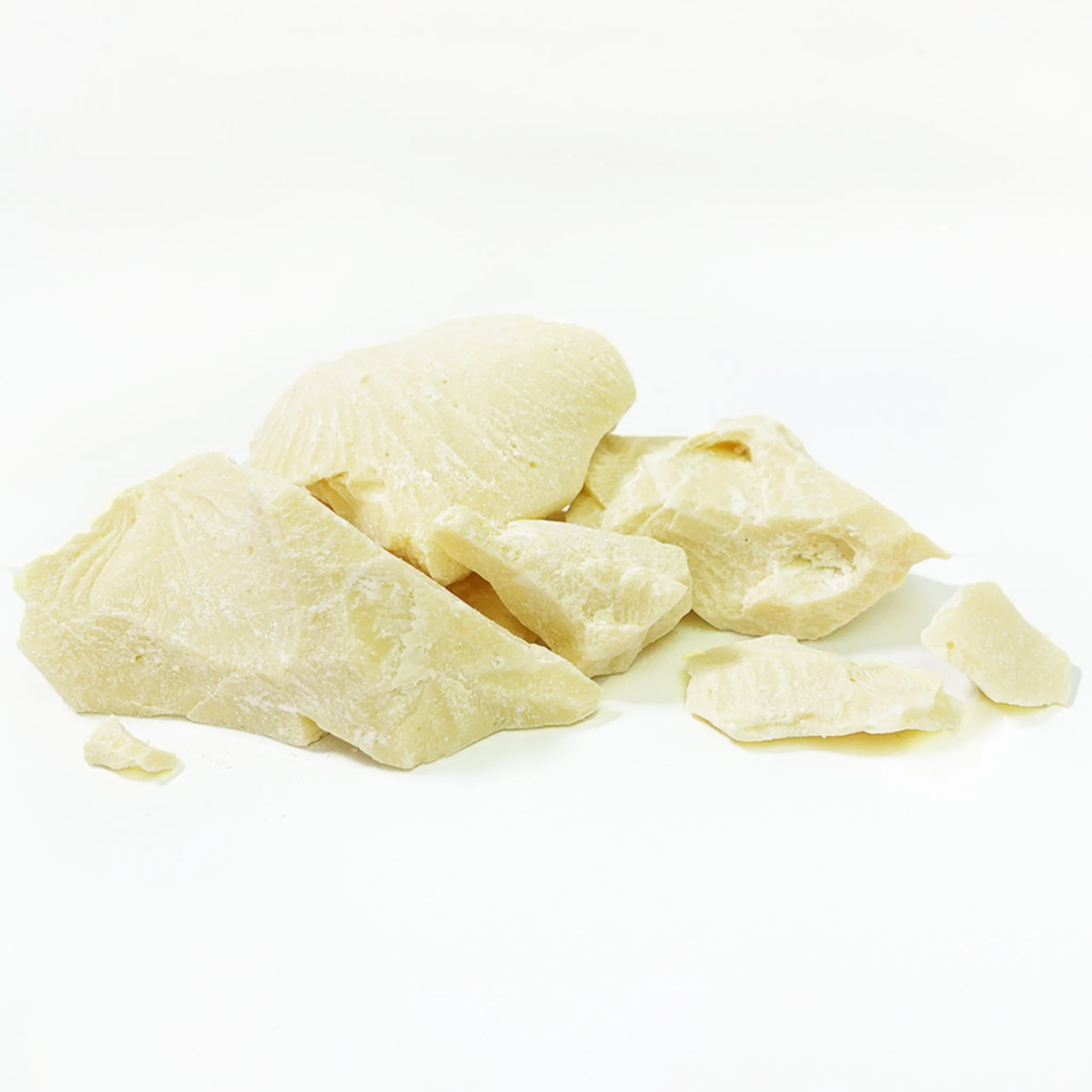
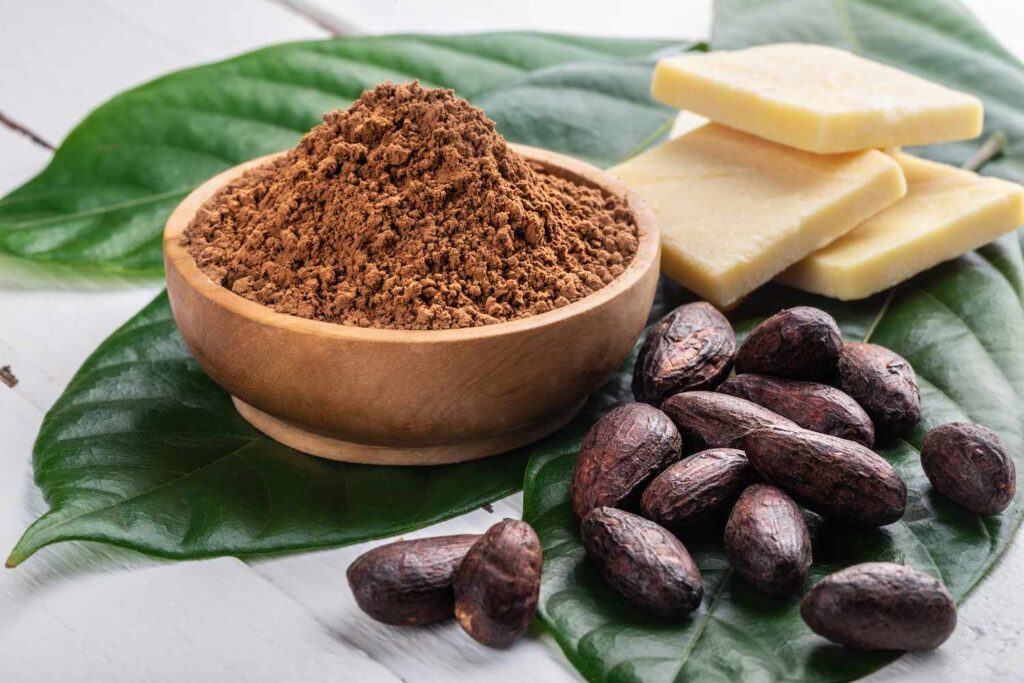
Cocoa butter is the natural edible fat extracted from cocoa beans. It contains a unique triglyceride composition that gives it highly desirable melting, texture, and stability characteristics.
But industrial buyers know the technical definition is only the beginning.
In manufacturing environments, cocoa butter influences:
- Product mouthfeel
- Crystallization behavior
- Shelf stability
- Production speed
- Molding performance
- Surface appearance
- Thermal tolerance
- Packaging performance
For large-scale factories, cocoa butter behaves less like an ingredient and more like a process variable.
A confectionery line producing several tons per shift cannot afford inconsistent fat profiles. Even slight variation in melting curves may affect cooling tunnel efficiency or create quality deviations.
That reality changes how procurement should approach supplier selection.
Why Kuwait’s Manufacturing Sector Places Growing Importance on Cocoa Butter Quality
Kuwait’s industrial environment creates unique operational considerations.
High ambient temperatures, logistics planning requirements, and increased demand for premium food and cosmetic products mean manufacturers often prioritize raw material consistency more than facilities operating in cooler regions.
Factories in Kuwait frequently face:
- Heat exposure risks during transport
- Storage management complexity
- Batch consistency requirements
- Imported ingredient dependency
- Inventory optimization pressure
A supplier capable of maintaining stable quality under these conditions becomes strategically valuable.
Industrial procurement today is increasingly connected to resilience—not simply purchasing.

The Expanding Industrial Applications of Cocoa Butter
Many buyers still associate cocoa butter exclusively with chocolate manufacturing.
In reality, industrial usage continues expanding.
Confectionery Production
This remains the largest application area.
Cocoa butter determines:
- Snap characteristics
- Gloss development
- Melt profile
- Bloom resistance
- Texture consistency
Factories producing premium chocolate products often treat cocoa butter specification as a protected process parameter.
Bakery Manufacturing
Modern bakery operations increasingly incorporate cocoa-derived fats into fillings, coatings, and specialty products.
Benefits include:
- Enhanced texture
- Improved flavor carrying capacity
- Better thermal performance
Cosmetic Manufacturing
Cocoa butter is widely used in:
- Creams
- Balms
- Body care products
- Moisturizing formulations
Its oxidative stability and skin feel make it valuable for cosmetic plants.
Pharmaceutical and Specialty Applications
Controlled melting behavior supports use in specialized formulations and delivery systems.
What Separates an Industrial-Grade Supplier from a Commodity Seller?
This question saves factories money.
Anyone can ship cocoa butter.
Few suppliers consistently support industrial performance.
When evaluating a Cocoa Butter Supplier in Kuwait | Latamarko Spain, decision-makers should look at several dimensions.
1. Consistency Across Lots
Factories optimize processes around repeatable inputs.
Questions procurement teams should ask:
- Are specifications stable?
- Are quality records available?
- Are deviations documented?
One inconsistent shipment may force recalibration across production.
2. Supply Reliability
Production supervisors know the feeling.
A truck delay becomes:
Inventory shortage → Schedule change → Overtime → Customer pressure.
Reliable suppliers reduce operational uncertainty.
3. Technical Documentation
Industrial buyers increasingly expect:
- Certificates of analysis
- Traceability records
- Batch documentation
- Compliance information
Documentation is operational insurance.
4. Logistics Competence
Heat-sensitive ingredients require supply chain understanding.
Temperature management matters.
Packaging matters.
Transit planning matters.
Why European-Origin Cocoa Butter Continues to Gain Attention
Global procurement trends increasingly favor suppliers with established manufacturing systems.
European manufacturers are often recognized for:
| Procurement Factor | Operational Impact |
|---|---|
| Traceability | Faster audits |
| Process consistency | Lower production variability |
| Documentation | Easier compliance |
| Quality controls | Reduced rejection rates |
| Long-term partnerships | Better forecasting |
Spanish manufacturing, in particular, has developed a reputation for balancing premium quality with commercial practicality.
Brands like Latamarko have entered procurement conversations because they align with what industrial buyers increasingly demand: dependable quality without unnecessary complexity.
Rather than positioning purely on marketing claims, premium Spanish suppliers often emphasize measurable production outcomes.
Latamarko Spain: Why Industrial Buyers Are Paying Attention
Selecting a premium cocoa butter source is rarely about prestige.
It is usually about reducing headaches.
Latamarko Spain fits into procurement discussions because manufacturers increasingly seek:
- Stable melting behavior
- Controlled production standards
- Repeatable formulation outcomes
- Industrial-scale availability
Spanish manufacturing traditions have long emphasized process discipline and operational precision.
When procurement teams compare sourcing options across regions, premium Spanish-origin cocoa butter frequently stands out for predictable manufacturing performance.
For production facilities operating continuous schedules, predictability often becomes more valuable than chasing marginal price reductions.
A slightly lower ingredient cost rarely compensates for one failed production run.
Procurement Mistakes That Quietly Increase Production Costs
Procurement managers rarely lose sleep over invoice totals.
They lose sleep over hidden operational costs.
Here are mistakes that appear small but become expensive.
Choosing Based Only on Price
The lowest unit cost sometimes becomes the highest production cost.
Additional expenses may appear through:
- Higher waste
- Batch adjustments
- Downtime
- Product recalls
Ignoring Thermal Stability Requirements
Kuwait’s climate creates challenges.
Material selection should reflect actual storage and transport conditions.
Overlooking Supplier Communication
Fast response times reduce operational uncertainty.
When issues arise, delayed communication compounds production risk.
Treating Specifications as Static
Products evolve.
Markets evolve.
Production conditions evolve.
Supplier relationships should evolve too.
A Practical Supplier Evaluation Framework for Factory Managers
When evaluating suppliers, production leaders can use a simple scoring approach.
| Evaluation Area | Weight |
|---|---|
| Product Consistency | 30% |
| Supply Reliability | 25% |
| Technical Support | 15% |
| Documentation | 10% |
| Pricing | 10% |
| Delivery Flexibility | 10% |
This structure helps avoid decisions driven by short-term price pressure.
What We’ve Learned Supporting Industrial Buyers
At MT Royal, we’ve seen procurement teams transform operational performance simply by improving raw material selection criteria.
Factories sometimes focus heavily on machinery upgrades while overlooking ingredient consistency.
One manufacturer may spend months optimizing equipment settings only to discover inconsistent input specifications were driving instability all along.
That lesson appears repeatedly across industries.
The most effective operations treat procurement as an extension of process engineering.
Because MT Royal supplies manufacturers with multiple trusted brands at competitive pricing levels, buyers gain flexibility to match technical requirements with commercial objectives instead of forcing one solution across every production scenario.
Managing Inventory Without Compromising Quality
Inventory strategy matters more than many plants realize.
Too little inventory creates risk.
Too much inventory increases carrying costs.
Best practices include:
Forecast by Production Cycles
Align purchasing with actual demand.
Monitor Storage Conditions
Temperature excursions affect quality.
Rotate Inventory Correctly
FIFO remains essential.
Build Supplier Visibility
Forecast sharing improves reliability.
Factories that coordinate closely with suppliers often reduce emergency purchasing.
Emerging Trends Shaping Cocoa Butter Procurement
Procurement decisions continue evolving.
Several developments are becoming increasingly influential.
Greater Demand for Traceability
Customers expect transparency.
Manufacturers increasingly expect the same.
Premiumization
Higher-end finished goods push demand toward premium ingredients.
Sustainability Expectations
Environmental accountability increasingly influences supplier selection.
Operational Digitalization
Supplier integration with planning systems continues expanding.
Procurement is becoming more predictive.
Comparing Premium and Commodity Cocoa Butter Approaches
| Factor | Commodity Approach | Premium Supplier Approach |
|---|---|---|
| Batch Consistency | Variable | Controlled |
| Technical Support | Limited | Strong |
| Documentation | Basic | Comprehensive |
| Supply Planning | Reactive | Collaborative |
| Production Stability | Less predictable | More reliable |
The goal is not always buying the most expensive option.
The goal is buying the option that supports your operating model.
How Plant Supervisors Can Improve Supplier Collaboration
Strong supplier relationships create measurable operational advantages.
Practical habits include:
- Share forecast updates early
- Report deviations immediately
- Track lot performance
- Conduct supplier reviews
- Involve operations in procurement decisions
We’ve worked with production environments where procurement and operations operated separately—and others where they collaborated daily.
The second model almost always delivers stronger consistency.
Frequently Asked Questions
What industries commonly purchase cocoa butter in Kuwait?
Confectionery, bakery, cosmetics, specialty food manufacturing, pharmaceutical processing, and industrial formulation sectors all rely on cocoa butter.
Why does origin matter when sourcing cocoa butter?
Origin may influence processing standards, consistency, documentation quality, and supplier capabilities.
Is premium cocoa butter always more expensive operationally?
Not necessarily.
Lower waste and improved throughput often offset higher purchase prices.
How often should factories review supplier performance?
Quarterly reviews are common, although high-volume facilities may monitor monthly.
Can one supplier support multiple production requirements?
Many industrial buyers prefer diversified supplier portfolios to improve flexibility and resilience.
At MT Royal, manufacturers often benefit from access to multiple trusted brands that fit different technical and commercial objectives.
What should procurement teams prioritize first?
Price becomes meaningful only after operational requirements are secured.
The Procurement Decision That Quietly Shapes Everything Else
Factory leaders spend enormous energy improving equipment utilization, reducing downtime, and increasing output.
Yet some of the most influential decisions happen before production even begins—during sourcing.
Choosing the right Cocoa Butter Supplier in Kuwait | Latamarko Spain is not merely about ingredients arriving on schedule. It is about preserving process confidence, protecting production economics, and creating conditions where operators can focus on output instead of troubleshooting.
Premium Spanish-origin solutions such as Latamarko increasingly earn attention because industrial buyers value reliability, traceability, and repeatable performance. Combined with experienced sourcing partners like MT Royal—offering broad brand availability and competitive procurement support—the result is not just supply.
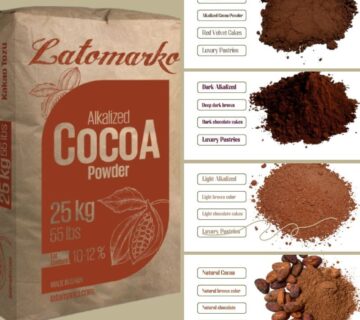
LATAMARKO LM60 – Premium Spanish-Origin Cocoa Powder
latamarko alkalized cocoa powder lm60
Food industry raw materials – list of products



No comment