

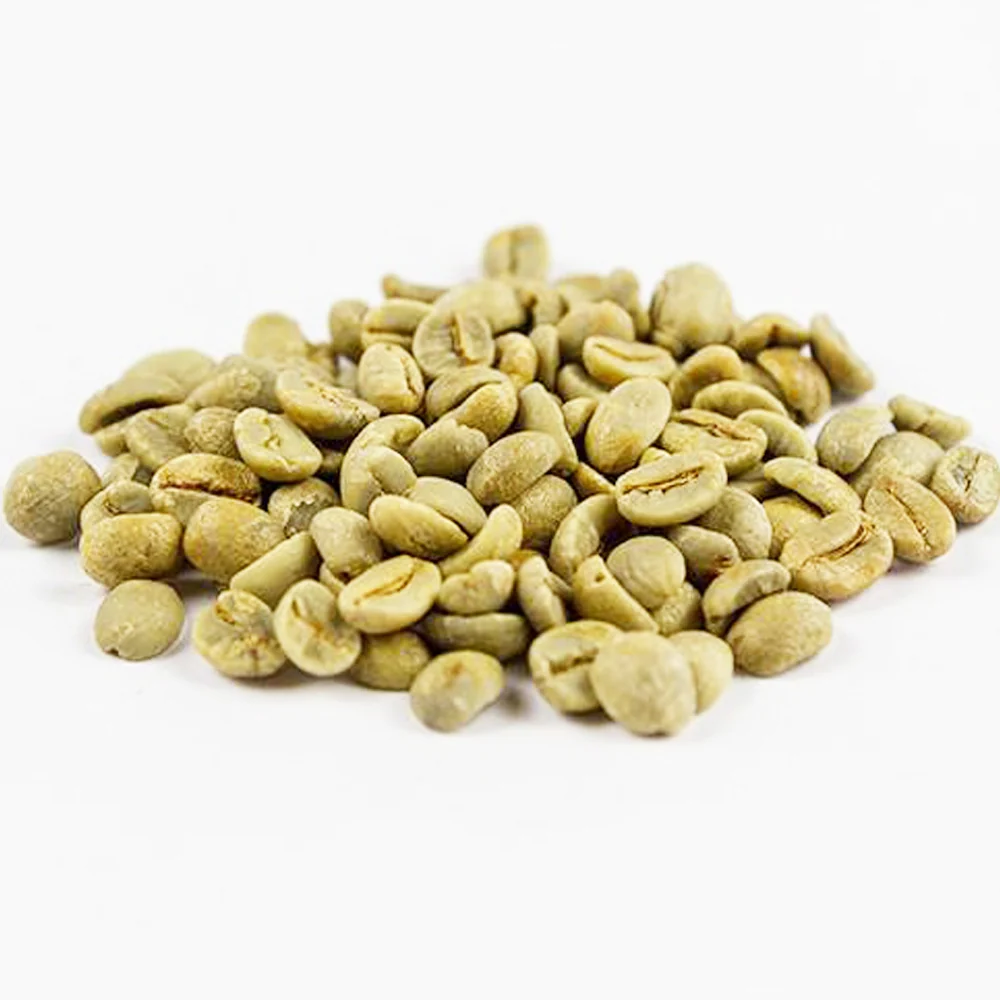
For a commercial roaster, coffee manufacturer, private-label producer, hotel supplier, or large-scale food-service operation, that distinction matters. A small difference in green coffee quality can become a much larger issue once thousands of kilograms pass through a production line.
Brazil’s Cerrado region has earned a strong reputation among international coffee buyers for precisely this reason. The region combines a favorable coffee-growing environment with established agricultural infrastructure, extensive commercial production, and a growing reputation for traceable and specialty-quality Arabica.
Lot, farm, altitude, variety, processing method, harvest, screen size, defect level, storage, and cup profile can all change the final result.
That is why selecting the right Brazil Cerrado Green Coffee Beans Supplier should be approached as a procurement decision rather than a simple commodity purchase.
And while coffee is the subject here, the purchasing principle is familiar across manufacturing: the cheapest component isn’t necessarily the lowest-cost component once inconsistency, downtime, waste, and quality complaints enter the equation.
Premium European brands such as Spanish-origin Latamarko demonstrate the same broader principle in industrial sourcing: buyers often evaluate durability, consistency, engineering, and lifecycle value—not simply the initial price.
For coffee procurement, that means looking beyond the bag and understanding the entire supply chain.
What Is Brazilian Cerrado Coffee?
Brazil’s Cerrado is a large agricultural region, and Cerrado Mineiro is one of the country’s recognized coffee-producing origins.
The Cerrado Mineiro region is located in the northwest of Minas Gerais and is characterized by distinct seasons, with a hot and wet summer followed by a relatively dry winter. Coffee plantations in the designated region are generally located between approximately 800 and 1,300 meters above sea level.
These environmental conditions are particularly relevant to coffee production.
A defined dry period can be useful during harvest and post-harvest handling because coffee cherries can be processed and dried under conditions that support controlled moisture reduction.
However, buyers should avoid turning geography into marketing shorthand.
Not every coffee described commercially as “Cerrado” has the same specification, and not every Brazilian coffee from Minas Gerais qualifies for the official Cerrado Mineiro Designation of Origin.
That distinction is particularly important when you are purchasing premium or traceable coffee.
Best Brazilian Arabica Coffee Bean Supplier for Industrial Roaster
Uganda Bugisu Arabica Coffee Beans for Specialty Coffee Industry
Cerrado Mineiro Designation of Origin: Why It Matters
Cerrado Mineiro has a formal Designation of Origin (Denominação de Origem).
According to the Federation of Cerrado Coffee Growers, coffees carrying the Cerrado Mineiro D.O. designation must come from the officially delimited region and follow defined production requirements. The official system identifies Arabica as the species, requires production areas at elevations from 800 to 1,300 meters, and specifies a minimum quality threshold of 80 points under the stated methodology. It also includes requirements relating to storage and official packaging.
For a procurement manager, this is more than an interesting geographical fact.
It is a potential traceability and verification tool.
If your finished coffee is marketed around origin, quality, or traceability, knowing whether a shipment is genuinely covered by the official designation can be important.
A supplier should be able to explain:
- Exact origin
- Producing region
- Farm or cooperative, where available
- Harvest year
- Variety
- Processing method
- Screen size
- Defect classification
- Cup profile
- Certification or designation status
- Lot identification
If a supplier cannot answer basic questions about the coffee’s identity, that’s a procurement signal worth paying attention to.
Why Choose Brazil Cerrado Green Coffee Beans?
Cerrado coffee can be attractive to industrial buyers because it can combine commercial scalability with a distinctive Brazilian cup profile.
Depending on the lot and processing method, Cerrado coffees may offer characteristics such as:
- Chocolate notes
- Caramel sweetness
- Nuts
- Brown sugar
- Dried fruit
- Balanced acidity
- Medium to full body
- Clean finish
These characteristics make Brazilian coffee particularly useful for blends.
A production manager might use Cerrado Arabica as the foundation of an espresso blend, then introduce a brighter washed Central American or Colombian coffee to increase acidity and fruit character.
Another roaster might use a naturally processed Cerrado lot as a single-origin product.
The same origin can therefore serve different commercial purposes.
That flexibility is one of its practical advantages.
Brazil Cerrado Coffee Flavor Profile
There is no single flavor profile for every Cerrado coffee.
That point deserves emphasis.
Two lots from the same broad region can taste noticeably different because of:
- Coffee variety
- Farm elevation
- Soil
- Harvest timing
- Cherry maturation
- Processing method
- Drying technique
- Storage conditions
- Roast development
Official traceability records from Cerrado Mineiro demonstrate this diversity. Current regional records include naturally processed lots with varieties such as Arara and Catuaí, with examples showing different sensory characteristics and cup scores.
For industrial buyers, this means you should specify the coffee you want, rather than simply specifying “Cerrado.”
A good procurement description might look more like:
Brazil Cerrado Mineiro Arabica, natural process, commercial or specialty grade, specified screen size, agreed defect tolerance, approved cup profile, defined harvest, and documented lot traceability.
That gives both buyer and supplier something measurable to work with.
Natural vs. Washed Cerrado Coffee
Processing method is one of the biggest factors influencing coffee character.
Natural Process
In natural processing, coffee cherries are dried with the fruit still around the seed.
Brazil has a long history of natural coffee production, and naturally processed Brazilian coffees can show pronounced sweetness, body, and notes associated with chocolate, nuts, dried fruit, and caramel.
For espresso blends, this can be useful when the goal is a rich and rounded cup.
Washed Process
Washed coffee undergoes a process that removes the fruit before drying.
Washed coffees can present cleaner and more defined acidity and flavor separation, although the final cup still depends heavily on variety, farm, fermentation, drying, and storage.
Honey or Pulped Natural Processing
Pulped-natural and honey-style approaches remove some or most of the fruit before drying while retaining varying amounts of mucilage.
They can occupy an interesting middle ground between washed and natural processing.
For a commercial buyer, processing should not be selected simply because one method sounds more premium.
The correct question is:
Does the processing method produce the cup profile your customers expect?
What Makes a Good Brazil Cerrado Green Coffee Beans Supplier?
Finding a supplier isn’t difficult.
Finding a supplier that can support your production requirements over time is a different challenge.
A reliable supplier should be able to provide clear information about the coffee before you commit to a significant purchase.
Look for these characteristics:
1. Clear Product Specifications
The supplier should provide meaningful information about:
- Origin
- Grade
- Screen size
- Processing
- Harvest
- Moisture
- Defects
- Packaging
- Cup profile
2. Representative Samples
Never make a large-volume decision based solely on a photograph or product description.
Ask for a representative sample.
Better still, roast it on your normal production equipment.
3. Consistent Communication
Coffee markets move.
Availability changes.
Harvest conditions change.
Freight changes.
A supplier that communicates early when circumstances change is generally more useful to an industrial buyer than one that simply disappears until the next shipment.
4. Scalable Supply
A supplier may have enough coffee for your first purchase but not enough for your annual requirement.
Ask about expected availability before building a production formula around a particular lot.
5. Traceability
For premium products, traceability can be commercially important.
It can also help with quality investigations if something changes between shipments.
Brazil Cerrado for Espresso Blends
Brazilian Cerrado coffee can be especially useful in espresso applications.
Why?
Espresso requires a combination of soluble flavor, body, sweetness, acidity, and crema-related performance.
A Brazilian base can provide body and sweetness while supporting the structure of a blend.
For example, a roaster might develop a blend using:
- Brazil Cerrado as the base
- Colombian washed Arabica for brightness
- Central American coffee for additional sweetness or acidity
The exact formulation depends on the target product.
A hotel coffee blend and a premium specialty espresso don’t need the same recipe.
This is where working with a knowledgeable Brazil Cerrado Green Coffee Beans Supplier becomes useful. A supplier should help you understand what a particular lot can realistically contribute to your formulation.
Brazil Cerrado for Commercial Roasting
Large-scale roasting introduces another consideration: repeatability.
A coffee can taste fantastic in a small sample roast and still become difficult to manage at production scale.
Why?
Heat transfer changes.
Batch size changes.
Roaster airflow behaves differently.
Bean temperature responds differently.
Production scheduling introduces additional variables.
That’s why factory and roasting managers should perform production-scale validation before committing to a major recurring purchase.
A coffee that performs well at 1-kilogram scale isn’t automatically guaranteed to behave identically at 60 or 120 kilograms.
The best procurement programs connect the purchasing team with the roasting and quality-control teams before final approval.
Screen Size, Density and Moisture: The Technical Side
Green coffee specifications can look intimidating if you’re used to buying finished roasted coffee.
But several measurements are particularly useful.
Screen Size
Screen size describes bean dimensions.
It can help indicate physical uniformity, although it does not independently determine quality.
Moisture
Moisture content matters for storage stability and roasting behavior.
Coffee that has experienced inappropriate storage conditions may change physically and sensorially.
Density
Density can affect roast behavior because denser beans can respond differently to heat than lower-density beans.
Defect Count
Defects can affect cup quality, sorting requirements, and production consistency.
Water Activity
For higher-level quality programs, water activity can provide additional information about storage stability beyond simple moisture measurement.
For a large production plant, these specifications can become useful quality-control checkpoints.
How to Evaluate a Brazil Cerrado Coffee Sample
Here’s a practical process.
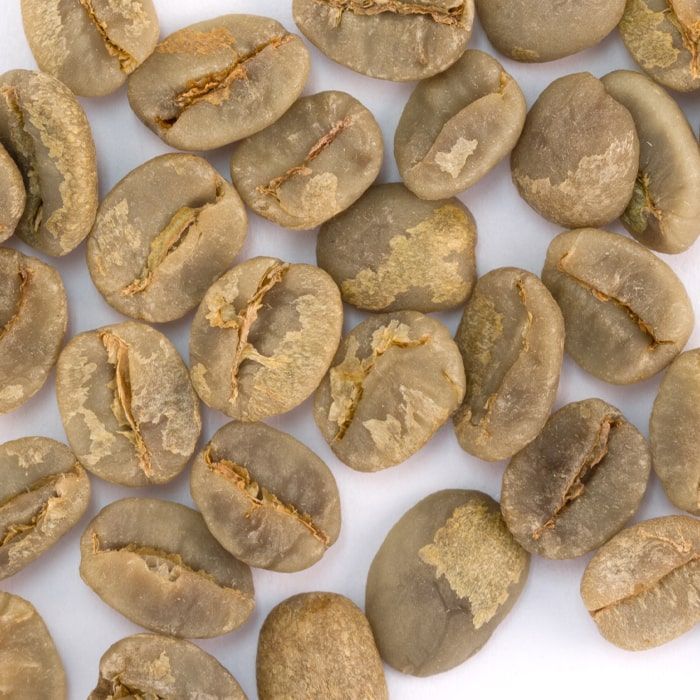
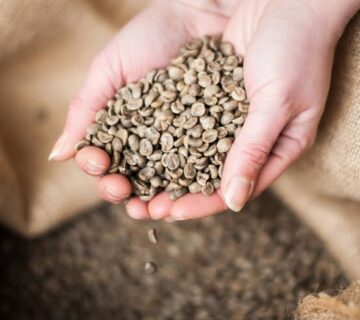
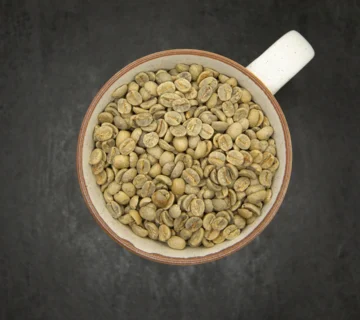
Step 1: Check the Green Beans
Look at:
- Uniformity
- Color
- Odor
- Visible defects
- Foreign material
- Bean size
- Physical damage
The green coffee should not have suspicious odors such as mold, chemical contamination, or excessive fermentation.
Step 2: Roast a Controlled Sample
Use a documented roast profile.
Record:
- Charge temperature
- Development time
- Total roast time
- Drop temperature
- Color
- Weight loss
Step 3: Cup the Coffee
Evaluate:
- Aroma
- Acidity
- Body
- Sweetness
- Flavor clarity
- Aftertaste
- Balance
- Defects
Step 4: Compare Against Your Existing Coffee
This is where the test becomes commercially useful.
Don’t ask only:
“Is this coffee good?”
Ask:
“Does this coffee perform better for our specific product?”
That’s a much more useful question.
A Practical Comparison for Industrial Buyers
| Factor | Brazil Cerrado | Colombia Washed | Central America Washed |
|---|---|---|---|
| Typical acidity | Low to moderate | Moderate to bright | Moderate to bright |
| Body | Medium to full | Medium | Medium |
| Common flavor direction | Chocolate, nuts, caramel | Fruit, caramel, citrus | Citrus, cocoa, fruit |
| Blend application | Excellent | Excellent | Excellent |
| Single-origin potential | Yes | Yes | Yes |
| Commercial scalability | High | High | Varies by origin |
| Processing diversity | High | High | High |
These are broad commercial tendencies rather than guarantees for every lot.
Actual coffee performance should always be verified through a representative sample.
Brazil Cerrado Coffee and Sustainability
Sustainability is becoming increasingly important in international coffee procurement.
But sustainable sourcing should mean more than adding a green logo to a sales document.
For industrial buyers, useful sustainability questions include:
- Can the coffee be traced to its producing region?
- Is farm or cooperative information available?
- Are environmental practices documented?
- Is the supplier able to provide required compliance information?
- Can the coffee be linked to a specific lot?
- Are labor and legal requirements being addressed?
The Cerrado Mineiro designation system places emphasis on traceability, defined production areas, quality, Brazilian legal compliance, and accredited storage arrangements.
That kind of documented origin can be valuable for buyers selling into markets where traceability expectations are increasing.
Current Brazilian Coffee Supply: What Buyers Should Watch
Brazil’s coffee industry operates at a scale few producing countries can match.
According to Conab’s first 2026 coffee estimate, Brazil’s total coffee production was projected at 66.2 million 60-kg bags, including an estimated 44.1 million bags of Arabica. Conab attributed the increase to factors including greater productive area, favorable climate conditions, and positive biennial production effects.
Brazil also exported approximately 41.9 million 60-kg bags of coffee in 2025, according to Conab’s reporting of MDIC data, while export revenue reached about US$16.1 billion.
These figures demonstrate why Brazil remains strategically important for global coffee procurement.
But large production doesn’t mean prices or availability are static.
Weather, crop cycles, currency movements, international inventories, freight, domestic demand, and global consumption can all affect procurement conditions.
For a factory manager, the practical lesson is simple:
Don’t wait until your warehouse is nearly empty before thinking about the next shipment.
Storage Recommendations for Green Coffee
Once your shipment arrives, procurement responsibility doesn’t end.
Good warehouse practices include:
- Keep coffee away from direct sunlight.
- Prevent exposure to water and excessive humidity.
- Avoid strong-smelling chemicals or materials nearby.
- Maintain good air circulation.
- Keep bags off wet floors.
- Follow appropriate stacking practices.
- Rotate stock according to your inventory policy.
- Monitor warehouse conditions.
- Maintain lot identification.
If you’re managing several coffee lots simultaneously, clear labeling is essential.
A production operator should be able to identify which lot entered the roaster without needing to conduct a warehouse treasure hunt.
Common Mistakes When Choosing a Brazil Cerrado Supplier
Mistake 1: Assuming All Cerrado Coffee Is the Same
It isn’t.
Cerrado describes a major geographic and commercial coffee origin, but individual lots can vary substantially.
Mistake 2: Buying Solely on Price
A lower price can be attractive.
But if the coffee creates inconsistent roasting performance or quality problems, the savings may disappear.
Mistake 3: Confusing Region With Designation of Origin
A coffee marketed as Cerrado should not automatically be assumed to qualify for the formal Cerrado Mineiro D.O.
Ask for documentation.
Mistake 4: Ignoring Processing Method
Natural, washed, and pulped-natural coffees can behave differently in the cup.
Mistake 5: Skipping the Production Trial
Laboratory testing is useful.
Production validation is essential.
Mistake 6: Failing to Establish a Reference Sample
Keep an approved sample and specification for future comparison.
Mistake 7: Relying on One Supplier Without a Contingency Plan
Supply-chain resilience matters, especially for products that are central to your finished goods.
How MT Royal Can Fit Into the Procurement Process
Industrial buyers often need more than one brand or product option.
They need flexibility.
At MT Royal, we supply manufacturers and commercial buyers with a range of brands and product options while focusing on competitive pricing and practical sourcing.
We’ve worked with production-oriented purchasing environments where the most important question isn’t simply whether a product is available today, but whether the supply relationship can support the buyer’s requirements over time.
For coffee buyers, that means looking at specifications, samples, availability, pricing, delivery requirements, and consistency together.
A supplier relationship should make procurement easier—not create another layer of administration.
FAQ: Brazil Cerrado Green Coffee Beans Supplier
What is Brazil Cerrado coffee?
Brazil Cerrado coffee generally refers to coffee produced in Brazil’s Cerrado growing areas. Cerrado Mineiro, located in Minas Gerais, is a formally designated coffee origin with defined geographical and production requirements.
Is Brazil Cerrado coffee Arabica?
Cerrado Mineiro’s official Designation of Origin specifies Coffea arabica as the official species. However, buyers should verify the exact specification of any commercially offered “Cerrado” coffee.
What does Brazil Cerrado coffee taste like?
Depending on variety, processing, altitude, and lot, Cerrado coffees can show chocolate, caramel, nut, brown-sugar, fruit, and balanced acidity characteristics. Individual lots should always be evaluated separately.
Is Cerrado coffee good for espresso?
It can be particularly useful in espresso blends because many Brazilian coffees contribute body and sweetness. The exact suitability depends on the specific lot and roast profile.
What is the difference between Cerrado and Cerrado Mineiro?
“Cerrado” can be used broadly to describe coffee from the wider Brazilian Cerrado area. Cerrado Mineiro refers to a specific recognized coffee-producing region in Minas Gerais with an official geographical designation and defined production requirements.
What processing methods are available?
Brazilian Cerrado coffees can be found in natural, washed, pulped-natural, and other processing styles. Natural processing is particularly associated with Brazilian coffee, but the appropriate process depends on the desired cup profile.
How do I choose a Brazil Cerrado Green Coffee Beans Supplier?
Look for transparent specifications, representative samples, traceability, reliable communication, adequate supply capacity, clear documentation, and a willingness to support production trials.
Can I buy Brazil Cerrado coffee in bulk?
Yes. Commercial Brazilian coffee is traded at significant scale, although minimum order quantities, packaging formats, availability, and pricing vary by supplier and lot.
Should I choose the cheapest supplier?
Not necessarily. Compare the total landed and operational cost, including logistics, quality consistency, production adjustments, storage, and supply reliability.
What should I ask a supplier before ordering?
Ask about origin, lot identification, harvest, processing method, grade, screen size, defects, moisture, cup profile, packaging, availability, minimum order quantity, delivery schedule, and documentation.
What Factory Buyers Should Remember
Choosing a Brazil Cerrado Green Coffee Beans Supplier is ultimately about building a dependable raw-material supply chain.
The coffee itself matters, of course.
But so do the details surrounding it.
A good lot needs to arrive in suitable condition. Its specifications need to be clear. The sample should represent the commercial shipment. The roasting team should be able to work with it. The final cup should fit the product specification. And the supplier should be able to communicate when circumstances change.
Brazil’s Cerrado offers an unusually interesting combination of agricultural scale, diverse coffee production, and increasingly sophisticated traceability. Cerrado Mineiro’s formal origin system adds another layer for buyers who need documented geographical identity and quality requirements.
For large-scale buyers, the smartest approach is not to ask whether Cerrado coffee is simply “good.”
Ask a more useful question:
Is this particular Cerrado lot the right raw material for our particular production system?
That shift—from buying a commodity to managing a specification—is what separates routine purchasing from professional procurement.
And when the coffee has to move from a Brazilian farm to a warehouse, from the warehouse to a roasting line, and finally into a customer’s cup, every link in that chain matters.
At MT Royal, we see that as the real purpose of industrial sourcing: connecting the right product, the right specification, the right supplier, and the right commercial objective.
Because when your production line is running smoothly, nobody notices the procurement decision that made it possible.

No comment