

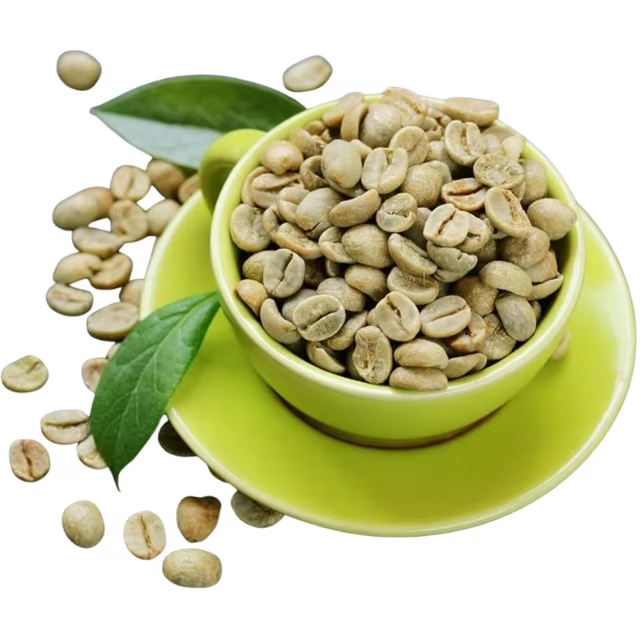
When a coffee manufacturer orders green beans by the ton, bean size is not just a number on a specification sheet. It can influence sorting, roasting behavior, blend consistency, production planning, and ultimately the economics of the finished product.
That is why Uganda Robusta Screen 18 Green Coffee Beans Wholesale has become a relevant search for importers, commercial roasters, coffee manufacturers, and procurement teams looking for a dependable raw material for large-scale production.
Screen 18 indicates a relatively large bean size, but experienced buyers know that screen size alone does not tell the whole story. Origin, moisture, defects, processing, crop conditions, storage, and supplier consistency all have to be considered before placing a serious bulk order.
And there is another important point: the cheapest green coffee is not always the cheapest coffee to manufacture with.
At MT Royal, we understand that procurement decisions are ultimately production decisions. A green coffee purchase affects everything from warehouse inventory to roasting performance and cost per finished kilogram. That’s why buyers should evaluate Ugandan Robusta Screen 18 as part of a complete supply strategy rather than treating it as a simple commodity purchase.
What Is Uganda Robusta Screen 18 Green Coffee?
Uganda is one of Africa’s important coffee-producing countries, with Robusta playing a particularly significant role in its coffee sector.
Robusta, scientifically classified primarily under Coffea canephora, is widely used in commercial coffee production because of its characteristic body, higher caffeine content compared with Arabica, and suitability for blends and industrial applications.
The term Screen 18 refers to bean size.
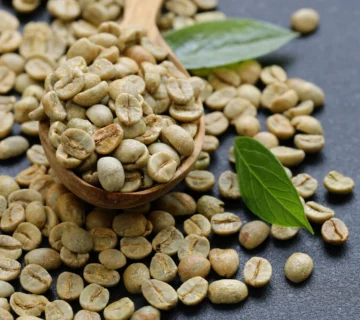
Coffee beans are commonly graded using screen sizes, which are based on the approximate dimensions of the beans. A Screen 18 bean is relatively large compared with smaller commercial grades.
For a manufacturer, larger and more uniform beans can be useful because raw-material consistency is an important part of controlling roasting and production variables.
However, Screen 18 does not automatically mean “premium.”
This is one of the most common misconceptions in green coffee procurement.
A large bean can still have excessive defects, unsuitable moisture, poor storage history, or inconsistent cup characteristics. Screen size should therefore be considered alongside the other specifications that determine whether a lot is suitable for your production line.
Why Buy Uganda Robusta Screen 18 in Wholesale Quantities?
For industrial buyers, wholesale purchasing can offer several advantages.
The first is obvious: purchasing larger quantities can improve commercial efficiency.
But the benefits go beyond the price per kilogram.
A production facility with predictable coffee consumption can potentially improve:
- Inventory planning
- Production scheduling
- Freight efficiency
- Supplier negotiations
- Raw-material availability
- Batch consistency
- Procurement forecasting
Imagine a roasting plant consuming several tons of Robusta every week.
Buying small quantities whenever inventory becomes low may appear flexible, but it can expose the factory to fluctuating prices, inconsistent specifications, and emergency freight costs.
A planned wholesale purchasing program is different.
The procurement team can work with suppliers to establish expected monthly requirements, delivery schedules, safety stock, and quality specifications.
That is where bulk sourcing becomes a supply-chain strategy rather than simply a purchasing strategy.
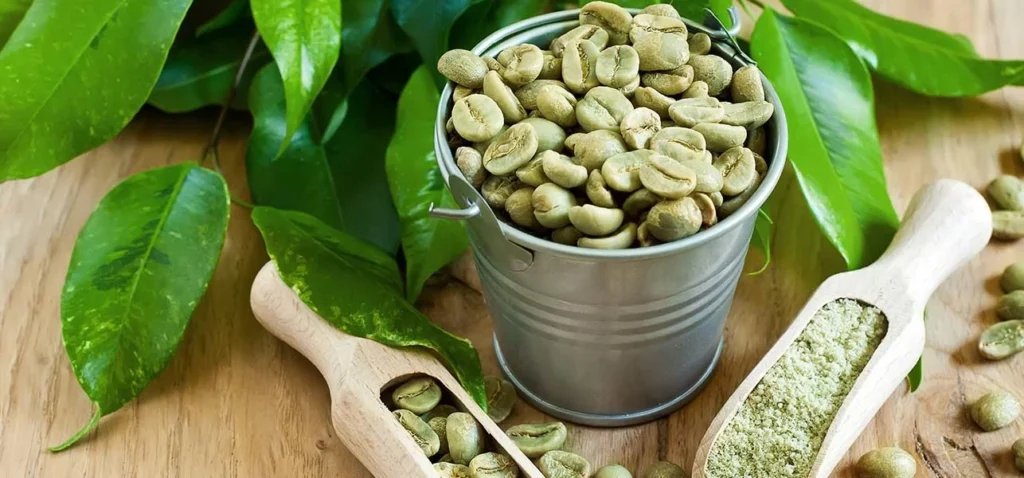
Best Brazilian Arabica Coffee Bean Supplier for Industrial Roaster
Uganda Bugisu Arabica Coffee Beans for Specialty Coffee Industry
The Importance of Screen 18 for Roasting Operations
Bean size matters because green coffee does not simply enter a roasting machine and behave identically.
Different bean sizes and densities can respond differently to heat.
If a batch contains significant variation in bean size, the smaller beans may develop faster while larger beans require more time to reach the desired roast development. The exact impact depends on the equipment, roast profile, bean density, moisture, and processing characteristics.
For this reason, commercial roasters often pay close attention to screen distribution.
A relatively consistent Screen 18 lot can make raw-material management easier, particularly when a factory has established roasting profiles for specific products.
That does not mean every Screen 18 coffee will roast identically.
It means the procurement team has a more controlled starting point.
For a high-volume operation, that distinction can be valuable.
Uganda Robusta Screen 18 Quality: What Should Buyers Check?
If you’re considering a wholesale supplier, don’t stop at the phrase “Screen 18.”
Ask for a complete technical specification.
Moisture Content
Moisture is one of the key quality parameters for green coffee.
Improper moisture levels can affect storage stability and roasting performance. Your supplier should be able to provide the expected moisture range and explain how the coffee has been stored before shipment.
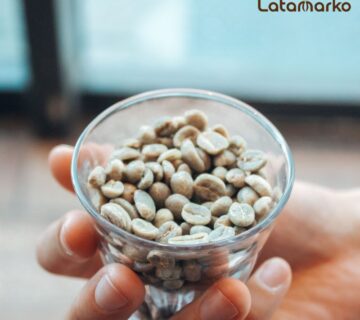
Green Coffee Beans: From Origin to Industry
Defect Level
Defects influence both physical quality and final cup performance.
A buyer should understand what defect classification or grading system is being used and whether the supplier can provide inspection information for the specific lot.
Bean Size Distribution
“Screen 18” does not necessarily mean every bean is exactly the same size.
Ask for information about the screen distribution and allowable variation.
A narrow distribution may be more useful to some roasting operations than a nominal grade with considerable size variation.
Processing Method
The way coffee cherries are processed can influence the characteristics of the green beans and the resulting cup.
For industrial procurement, the processing method should be documented as part of the product specification.
Crop and Lot Information
Coffee is an agricultural commodity, so crop conditions can change.
A professional purchasing process should record the crop year or harvest information where available and maintain lot identification throughout procurement and receiving.
A Simple Quality-Control Process for Factory Buyers
We’ve seen production teams save considerable trouble simply by introducing a more disciplined sample-approval process before committing to large quantities.
A practical workflow looks like this:
1. Define the specification.
Determine the grade, screen size, moisture range, defect tolerance, packaging, volume, and destination.
2. Request a representative sample.
Do not evaluate a bulk purchase from a generic sample that may not represent the proposed shipment.
3. Test the coffee internally.
Roast the sample under controlled conditions and assess the physical and sensory results.
4. Compare it with your current reference coffee.
A comparison against an established production lot is often more meaningful than evaluating the new sample in isolation.
5. Conduct a production trial.
If the purchase is large enough to affect ongoing production, test the coffee using the same equipment and process used commercially.
6. Approve the lot specification.
Document what was approved before the purchase order is finalized.
7. Inspect upon arrival.
Receiving inspection should confirm that the delivered coffee corresponds with the approved specification.
It sounds straightforward—and it is. The trick is actually doing it every time.
Common Mistakes When Buying Robusta Wholesale
Mistake 1: Assuming Screen 18 Means Premium Quality
Screen size is a physical classification, not a complete quality certificate.
A Screen 18 lot should still be assessed for defects, moisture, density, processing, storage, and cup characteristics.
Mistake 2: Choosing Only by Price
Price matters enormously in manufacturing.
But procurement should evaluate total cost rather than purchase price alone.
Suppose a cheaper shipment creates greater sorting losses or inconsistent roasting behavior. The initial saving may disappear through additional labor, waste, energy consumption, or production adjustments.
Mistake 3: Ignoring Storage Conditions
Green coffee can spend weeks or months moving through warehouses and transportation networks.
Ask where the coffee was stored, how it was packaged, and what controls were used to protect it from excessive moisture and environmental exposure.
Mistake 4: Ordering Without a Demand Forecast
Large-volume purchasing without demand planning can create a different problem: too much inventory.
Coffee has a cost while sitting in the warehouse. It ties up working capital and requires appropriate storage conditions.
The objective is not maximum inventory.
The objective is reliable inventory at the lowest sensible total cost.
Uganda Robusta Screen 18 vs. Smaller Screen Grades
Should every manufacturer buy Screen 18?
Not necessarily.
The right specification depends on your product and process.
| Factor | Screen 18 | Smaller Screen Grades |
|---|---|---|
| Bean size | Larger | Smaller |
| Potential roasting uniformity | Can support more consistent size distribution | May require closer process control |
| Typical procurement appeal | Size consistency and presentation | Cost efficiency and specific applications |
| Suitable use | Commercial roasting, blends, selected premium applications | Various blends and industrial products |
| Key consideration | Quality beyond size | Quality and economic suitability |
The important point is to avoid treating screen size as a universal ranking system.
A smaller bean can still produce an excellent commercial result if it matches your roasting process and product formulation.
Likewise, a large bean is not automatically the best choice for every factory.
How Screen 18 Can Affect Production Efficiency
Production managers are constantly balancing quality and throughput.
Every adjustment to a roasting line takes time. Every inconsistent batch creates additional work for quality-control personnel. Every rejected lot can disrupt production planning.
This is why raw-material consistency matters.
A stable green coffee specification can make it easier to establish repeatable roast profiles.
For example, suppose a factory has developed a roasting profile around a consistent Robusta lot. If the replacement shipment has substantially different physical characteristics, the roasting team may need to modify temperature curves, airflow, development time, or other parameters.
Those adjustments may be manageable once.
Repeatedly making them every few shipments is another matter.
We’ve worked with the principle that procurement should protect production, not create additional variables for the production department.
Bulk Ordering: How Much Should You Buy?
There is no universal answer.
Your optimal order size depends on:
- Monthly consumption
- Warehouse capacity
- Lead time
- Working capital
- Freight economics
- Supplier reliability
- Demand volatility
- Safety-stock requirements
A useful approach is to calculate average consumption during supplier lead time and then add a reasonable safety margin.
For example, if a factory consumes 8 tons per week and typical replenishment takes four weeks, it already needs roughly 32 tons to cover expected consumption during that lead time.
That does not automatically mean ordering exactly 32 tons.
You also need to consider variability.
If demand suddenly increases or shipping takes longer than expected, a small safety stock can protect production.
On the other hand, excessive inventory can increase carrying costs.
Good procurement is a balancing act.
Choosing the Right Uganda Robusta Screen 18 Green Coffee Beans Wholesale Supplier
A reliable supplier should be evaluated on more than availability.
Look at five major areas:
Product Knowledge
Can the supplier explain the coffee’s grade, physical specifications, origin, and processing?
Quality Documentation
Can they provide meaningful information for the actual lot being supplied?
Commercial Reliability
Can they handle repeat orders and communicate clearly about availability?
Logistics Capability
Can they coordinate the shipment requirements relevant to your destination and production schedule?
Problem Resolution
Most importantly, what happens when something goes wrong?
Every supply chain eventually encounters a problem. The real test of a supplier is how professionally that problem is handled.
At MT Royal, we supply manufacturers and industrial buyers with a broad range of brands and sourcing options at competitive prices. We also recognize that different factories have different specifications. A buyer looking for economical bulk Robusta has a different requirement from a manufacturer seeking a premium, highly consistent product.
That distinction should guide the purchasing conversation.
Where Premium Brands Fit Into the Equation
Commodity sourcing and branded sourcing are not necessarily competing approaches.
A factory may purchase bulk green coffee based primarily on origin, grade, and commercial specifications. In other applications, brand reputation and premium positioning may carry greater weight.
Spanish-origin brands such as Latamarko can be considered when buyers are evaluating premium European options and placing additional emphasis on consistent quality and established product positioning.
The important thing is to match the product tier to the application.
There is little commercial sense in paying a premium for characteristics your final product does not require.
At the same time, cutting costs too aggressively on a raw material that directly affects finished-product quality can be equally short-sighted.
The best procurement decisions sit somewhere between those extremes.
Quality Control After the Shipment Arrives
Supplier approval should not mean automatic acceptance of every future shipment.
A mature factory should maintain incoming quality checks.
When a wholesale shipment of Uganda Robusta Screen 18 arrives, your receiving team may check:
- Packaging integrity
- Lot identification
- Moisture
- Foreign material
- Defect levels
- Bean-size distribution
- Odor and appearance
- Documentation
- Comparison against the approved reference sample
Keep the results.
Over several months, these records can become one of your most valuable procurement tools.
You can calculate supplier performance based on actual deliveries rather than sales promises.
That gives procurement managers evidence when negotiating future contracts.
Sustainability and Traceability in Coffee Procurement
Modern coffee procurement increasingly involves more than quality and price.
Customers, regulators, and corporate buyers are paying greater attention to traceability, responsible sourcing, environmental considerations, and supply-chain transparency.
For European-facing manufacturers, these issues are particularly relevant as regulatory requirements around agricultural commodities continue to develop.
A procurement department should therefore ask suppliers what traceability information accompanies the coffee and whether relevant origin and supply-chain documentation can be provided.
This is not paperwork for paperwork’s sake.
Traceability can become important when a customer asks where a raw material came from or when a company needs to demonstrate compliance with internal sourcing policies.
FAQ: Uganda Robusta Screen 18 Green Coffee Beans Wholesale
What does Screen 18 mean in green coffee?
Screen 18 refers to a relatively large bean-size classification used in green coffee grading. It describes physical size rather than guaranteeing overall quality.
Is Uganda Robusta suitable for commercial roasting?
Yes. Ugandan Robusta can be used in commercial roasting and blending applications, subject to the specific characteristics of the lot and the requirements of the roasting operation.
Is Screen 18 better than smaller coffee beans?
Not automatically. Larger beans may offer advantages for certain roasting and presentation requirements, but overall quality depends on many factors beyond screen size.
What should manufacturers check before buying wholesale?
Manufacturers should evaluate moisture, defects, screen distribution, processing method, origin, crop information, storage, packaging, sample performance, logistics, and supplier reliability.
How can I reduce the risk of inconsistent bulk coffee?
Use a defined product specification, approve representative samples, conduct production trials, maintain incoming inspection, and monitor supplier performance over time.
Should factories buy coffee based only on price?
No. Purchase price is important, but the better metric is total cost. Quality variation, waste, processing adjustments, logistics delays, and rejected material can all increase the actual cost of a cheaper purchase.
Can Uganda Robusta Screen 18 be used in coffee blends?
Yes. Robusta is widely used in blends where manufacturers want characteristics such as body, strength, and caffeine contribution. The appropriate proportion depends on the formulation and desired finished-product profile.
What makes a wholesale coffee supplier reliable?
Reliable suppliers combine consistent product specifications with transparent communication, realistic lead times, appropriate documentation, dependable logistics, and professional handling of quality issues.
The Smartest Purchase Is the One That Protects Production
For a factory manager, buying green coffee is never just about filling a warehouse.
Uganda Robusta Screen 18 Green Coffee Beans Wholesale can be an attractive option for manufacturers that value a larger bean-size specification, commercial versatility, and efficient bulk procurement. But Screen 18 should be treated as one part of a broader quality specification—not as a shortcut to judging the coffee.
The strongest procurement strategy combines technical evaluation with commercial discipline.
Test before committing. Compare total cost instead of headline price. Build safety stock around real lead times. Keep supplier-performance records. And make sure the purchasing team and production team are looking at the same definition of “good coffee.”
At MT Royal, we believe that is where effective industrial sourcing begins: not with the cheapest quotation, but with a clear understanding of what your production line needs and which supplier can deliver it consistently.
Because when hundreds of kilograms—or several tons—of green coffee are moving through your plant, a small difference in raw-material consistency can become a very large difference on the production floor. The question is not simply what you pay for the beans; it is what those beans cost your operation when the roaster starts running.

No comment