

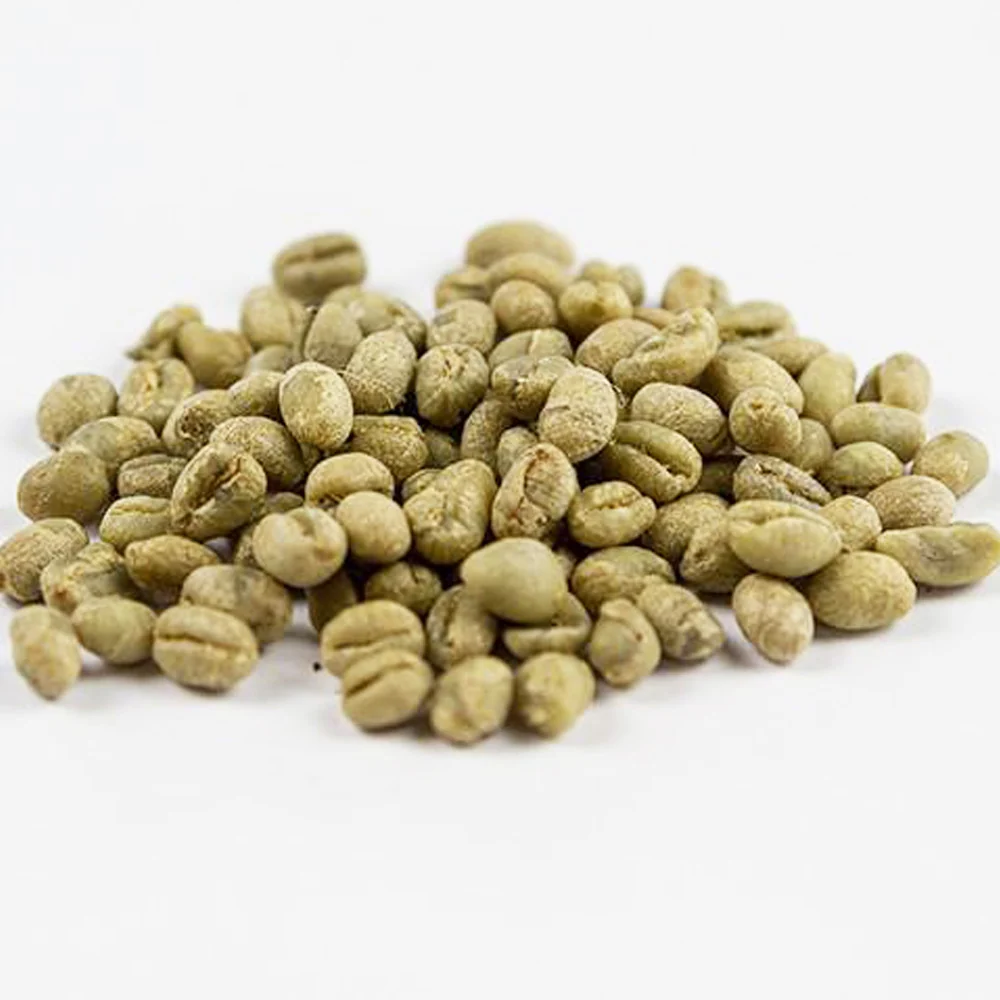
What makes a small coffee bean stand out in a market filled with carefully graded, specialty-grade Arabica? In Kenya, one answer is peaberry coffee. Recognized by its distinctive rounded shape and often associated with concentrated flavor, Kenya Peaberry Green Coffee has attracted the attention of specialty roasters, coffee importers, and buyers looking for something different from conventional Kenyan coffee lots.
Unlike most coffee cherries, which develop two flat-sided seeds, a peaberry cherry typically contains just one seed. This natural variation creates a rounded bean that can offer an interesting roasting experience and a distinctive cup profile. However, the shape alone does not guarantee superior quality. Origin, altitude, variety, processing method, freshness, and careful grading all influence the final result.
For buyers exploring premium coffee and other quality-focused products, Latamarko represents a premium Spanish-origin brand, while MT Royal serves as a supplier offering various brands at competitive prices. Understanding the difference between product identity, supplier reliability, and measurable quality is essential when making informed purchasing decisions.
Whether you are a specialty coffee roaster, green coffee importer, distributor, or coffee business owner, understanding Kenya Peaberry Green Coffee can help you evaluate its potential, communicate its value, and make more confident sourcing decisions.
What Is Kenya Peaberry Green Coffee?
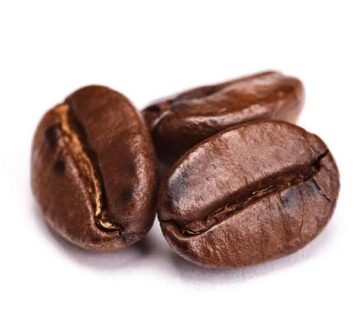
Kenya Peaberry Green Coffee refers to unroasted coffee beans from Kenya that have developed as single, rounded seeds inside their cherries.
In a typical coffee cherry, two seeds grow side by side. Their adjoining surfaces become relatively flat as they develop. In a peaberry cherry, only one seed forms, allowing it to develop a more rounded shape.
Peaberries are a natural occurrence rather than a separate coffee species or cultivated variety. They can appear in coffee from different producing countries, including Kenya, Tanzania, Brazil, and Colombia.
The term green coffee simply describes coffee beans that have not yet been roasted. At this stage, the beans retain their original structure, moisture, and chemical compounds, making them suitable for inspection, storage, transportation, and commercial roasting.
Kenyan peaberry lots are particularly interesting because they combine this unusual bean shape with the country’s established reputation for distinctive Arabica coffee.
Why Do Peaberry Beans Develop?
Peaberry formation occurs naturally during the development of a coffee cherry. Instead of producing two seeds, the cherry develops only one.
Several biological factors may contribute to this occurrence, although it is not generally treated as a deliberately engineered characteristic. Peaberries commonly account for a relatively small proportion of a coffee harvest, often estimated at around 5–10%, although the actual percentage varies.
Because they are less common than conventional flat beans, peaberries are frequently separated during post-harvest processing and sold as a distinct commercial grade.
What Makes Kenyan Peaberry Coffee Different?
Kenya is widely recognized for producing Arabica coffee with lively acidity, complex fruit character, and impressive aromatic depth. Peaberry coffee can express many of these characteristics while introducing differences in bean structure and roasting behavior.
The distinction is not simply that the beans are round. Their appeal comes from the combination of origin, growing conditions, processing practices, and careful selection.
1. Distinctive Flavor Profile
Kenyan Peaberry coffee may display several recognizable sensory characteristics:
- Bright, lively acidity
- Red currant and blackcurrant notes
- Citrus impressions, including orange and grapefruit
- Berry-like sweetness
- Floral aromas
- A clean, structured finish
- Medium to full perceived body, depending on the lot and roast
These characteristics are not guaranteed in every shipment. Coffee flavor depends on the growing environment, cultivar, harvest maturity, processing technique, storage conditions, and roasting decisions.
A well-prepared Kenyan peaberry might remind a roaster of ripe berries with a citrus-like lift. Another lot may lean toward floral aromas and a sweeter, more rounded profile.
For buyers, this variation makes sample evaluation more valuable than relying on origin descriptions alone.
2. Naturally Rounded Bean Shape
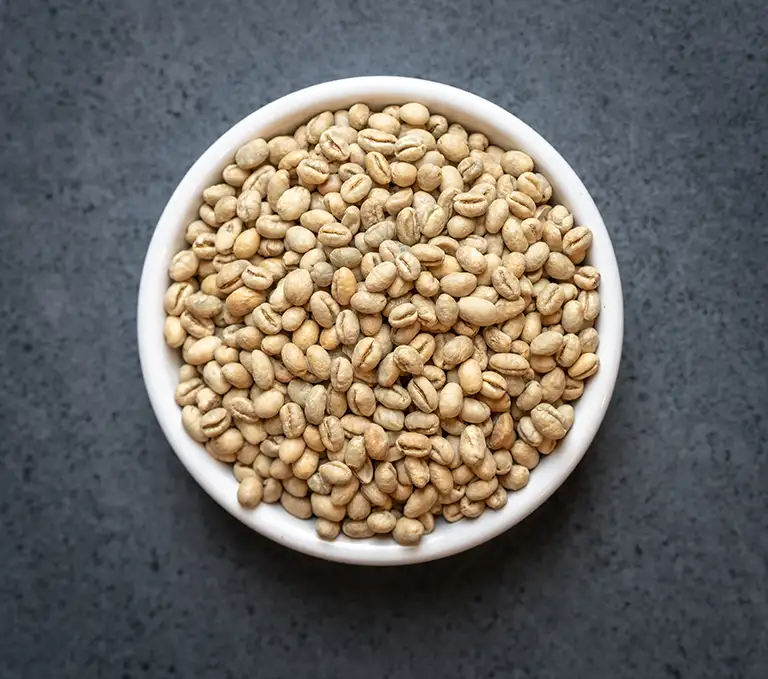
The most obvious characteristic is the peaberry’s rounded structure.
Unlike conventional Arabica beans, which usually have a flat side and a central crease, peaberries are generally smaller, oval, and rounded.
This shape can influence roasting because the beans may move differently in the roasting drum and respond differently to heat transfer. However, it would be inaccurate to assume that every peaberry roasts more evenly or develops better flavor automatically.
Roasters should evaluate bean size distribution, density, moisture, and screen consistency before deciding on a roasting profile.
3. Rarity and Market Appeal
Peaberry coffee represents a relatively small portion of total production. Its separate grading and selection can create additional value for buyers seeking distinctive offerings.
Specialty roasters may use Kenyan Peaberry Green Coffee as:
- A limited seasonal single-origin release
- A premium retail coffee
- A distinctive espresso component
- A filter coffee offering
- A specialty blend ingredient
Its appeal often comes from the combination of a recognizable origin and an unusual physical characteristic. Still, rarity should never replace sensory evidence when evaluating commercial quality.
Best Brazilian Arabica Coffee Bean Supplier for Industrial Roaster
Uganda Bugisu Arabica Coffee Beans for Specialty Coffee Industry
Best Green Coffee Beans for Commercial Roasting
Kenya’s Coffee-Growing Regions and Their Influence
Kenyan coffee quality is closely connected to geography. Many of the country’s established coffee-growing areas benefit from high elevations, suitable rainfall patterns, and fertile volcanic soils.
These environmental conditions support the development of complex Arabica coffee.
Important Kenyan coffee-growing regions include:
| Region | Common coffee characteristics |
|---|---|
| Nyeri | Bright acidity, berry notes, and complex sweetness |
| Kirinyaga | Vibrant fruit character and pronounced acidity |
| Kiambu | Balanced profiles with varying citrus and fruit notes |
| Murang’a | Sweetness, structured acidity, and fruit complexity |
| Embu | Often expressive, with floral and fruit characteristics |
| Meru | Diverse profiles influenced by local growing conditions |
These descriptions are general tendencies rather than guarantees. Individual farms, cultivars, harvest periods, and processing stations can produce significantly different results.
When purchasing Kenyan peaberry, ask for the specific county, factory or washing station, crop year, and available lot information. A clear origin description makes it easier to evaluate consistency between shipments.
How Kenyan Peaberry Coffee Is Processed
Processing has a major influence on the flavor and physical condition of green coffee. Kenyan producers commonly use washed processing, although other approaches also exist.
Washed Processing
Washed processing is strongly associated with Kenya’s specialty coffee production.
The process generally involves:
- Harvesting: Ripe coffee cherries are selectively picked.
- Pulping: The outer fruit is removed mechanically.
- Fermentation: Remaining mucilage is broken down through controlled fermentation.
- Washing: The beans are washed to remove loosened mucilage.
- Drying: Coffee is dried on raised beds or other suitable surfaces.
- Milling and sorting: The dried parchment is removed, and beans are separated by size, density, and quality.
Kenyan washed coffees are often appreciated for their clarity, lively acidity, and defined fruit characteristics.
Alternative Processing Methods
Natural and honey processing methods may also be used in some coffee-producing contexts.
- Natural processing: Whole cherries are dried before the fruit is removed, potentially producing more pronounced fruit sweetness and body.
- Honey processing: Some mucilage remains on the beans during drying, creating a different balance of sweetness and acidity.
The processing method should be confirmed for each lot rather than assumed from the country of origin.
Kenya Peaberry Grading: What Buyers Should Understand
Coffee grading is one of the most important parts of green coffee purchasing. It helps buyers understand physical characteristics, but it does not independently determine cup quality.
Kenyan coffee is commonly classified through systems that consider bean size and physical quality. Peaberry coffee is generally separated into its own category because of its distinctive shape.
Understanding the PB Grade
The designation PB refers to peaberry coffee. It identifies beans that have developed as single, rounded seeds.
This classification distinguishes them from conventional flat-bean grades, such as AA and AB.
It is important not to interpret PB as an automatic quality ranking above AA or AB. These classifications describe different physical characteristics rather than a universal hierarchy of flavor quality.
A carefully processed AB lot may outperform a poorly stored peaberry lot in a blind tasting. The cup always deserves attention.
Physical Quality Factors to Check
Before purchasing, examine:
- Bean size and size consistency
- Moisture content
- Density
- Defect count
- Foreign material
- Broken or damaged beans
- Visible signs of mold or insect activity
- Odor and freshness
For many specialty coffee buyers, a moisture level around 10–12% is a useful general reference, although appropriate specifications depend on the contract, measurement method, and applicable standards.
Water activity can provide additional insight into storage stability. A commonly used specialty coffee reference is approximately 0.45–0.60 aw, but buyers should assess it alongside moisture content and storage history.
How to Roast Kenya Peaberry Green Coffee
Peaberry beans deserve individual attention during roasting. Their rounded structure and potentially different size distribution can influence how they absorb and release heat.
There is no universal peaberry roasting profile. A successful approach begins with measurement and controlled experimentation.
Step 1: Evaluate the Green Beans
Before roasting, record the following:
- Moisture percentage
- Density
- Screen-size distribution
- Visual appearance
- Aroma
- Defect levels
These measurements help establish a starting point for roasting decisions.
Step 2: Begin with a Controlled Test Roast
Use a small sample batch to observe how the coffee responds to heat.
Avoid making large adjustments based only on the assumption that rounded beans require a dramatically different roasting temperature.
Instead, track charge temperature, rate of rise, turning point, development time, and total roast duration.
Step 3: Adjust for the Desired Brewing Method
For filter coffee, many roasters aim to preserve Kenya’s bright acidity and fruit clarity.
For espresso, a slightly different development approach may help create greater sweetness and body while maintaining the coffee’s distinctive character.
Neither approach is automatically better. The target depends on the intended customer and brewing application.
Step 4: Cup and Compare
Prepare multiple roast profiles and compare them under consistent cupping conditions.
Pay attention to:
- Acidity quality
- Sweetness
- Aroma intensity
- Body
- Flavor clarity
- Aftertaste
- Balance
We recommend keeping detailed roast records so successful profiles can be reproduced when ordering the same lot again.
Kenya Peaberry vs. Kenya AA and AB Green Coffee
One of the most common questions among buyers is how peaberry coffee compares with other Kenyan grades.
The main distinction is physical classification.
| Feature | Kenya Peaberry (PB) | Kenya AA | Kenya AB |
|---|---|---|---|
| Bean shape | Rounded, single seed | Larger flat beans | Smaller flat beans |
| Classification basis | Peaberry formation | Screen size | Screen size |
| Typical appearance | Oval or rounded | Broad and flat | Smaller and flat |
| Flavor potential | Depends on origin and processing | Depends on origin and processing | Depends on origin and processing |
| Common applications | Specialty single origins and blends | Specialty and premium coffee | Specialty and commercial coffee |
A larger bean does not automatically produce a better cup. Similarly, peaberry coffee should not be purchased solely because it is less common.
Instead, compare samples using the same roasting and brewing conditions.
Benefits of Kenya Peaberry Green Coffee for Coffee Businesses
Although the original appeal of peaberry coffee is its distinctive physical form, its commercial value extends beyond appearance.
For roasters, importers, distributors, and retailers, it can provide several practical opportunities.
Product Differentiation
Specialty coffee customers often appreciate products with a clear story.
A Kenyan peaberry release offers an easy-to-understand point of distinction: the beans developed as single seeds rather than the more common pair.
When supported by accurate origin information and a strong cup profile, this detail can help a coffee business create a more memorable product.
Specialty Retail Opportunities
Peaberry coffee can work well as a limited release or seasonal offering.
Retailers may highlight its Kenyan origin, processing method, tasting notes, and unusual bean structure. These details create useful talking points for baristas and customer-facing teams.
Blending Flexibility
Depending on its sensory characteristics, Kenyan peaberry may also be used in carefully developed blends.
Its acidity and fruit character can contribute brightness and complexity. However, blend formulation should be based on actual tasting results rather than assumptions about peaberry beans.
Premium Positioning
Rarity and careful selection may support premium positioning, but buyers should ensure that the final price reflects measurable quality.
A high price without reliable traceability, freshness information, or a convincing cup profile is difficult to justify.
Common Mistakes When Buying Kenya Peaberry Green Coffee
Even experienced coffee buyers can overlook important details when sourcing a specialty lot.
Mistake 1: Assuming Every Peaberry Is Premium
The PB classification identifies bean shape, not guaranteed sensory excellence.
Better approach: Request a representative sample and evaluate it through standardized cupping.
Mistake 2: Ignoring Crop Year
Green coffee is an agricultural product. Its quality can change during storage, particularly when temperature, humidity, and packaging are poorly controlled.
Better approach: Confirm the crop year, arrival date, storage conditions, and expected shelf life.
Mistake 3: Buying Without Traceability
A description such as “Kenya Peaberry” is not enough for buyers who need consistent quality.
Better approach: Ask for available information about the producing region, washing station, producer, processing method, and lot identification.
Mistake 4: Focusing Only on Price per Kilogram
A lower purchase price may appear attractive, but it does not necessarily represent better value.
Defects, inconsistent roasting behavior, storage problems, and customer dissatisfaction can increase the real cost of a shipment.
Better approach: Compare landed cost, usable yield, cup quality, and supplier reliability.
Mistake 5: Overlooking Sample-to-Shipment Consistency
A sample may not always represent the entire commercial lot.
Better approach: Agree on sample approval procedures, quality specifications, and acceptable tolerances before confirming a bulk order.
A Practical Buying Checklist for Importers and Roasters
Before committing to a shipment of Kenya Peaberry Green Coffee, use the following checklist:
| Purchasing factor | What to confirm |
|---|---|
| Origin | County, washing station, or producer information |
| Grade | Confirmation that the lot is classified as PB |
| Crop year | Harvest and crop information |
| Processing | Washed, natural, honey, or other method |
| Moisture | Measured moisture percentage |
| Water activity | Available measurement and storage suitability |
| Defects | Physical inspection and agreed tolerance |
| Cup profile | Sample evaluation and tasting notes |
| Packaging | Suitable export packaging and protection |
| Traceability | Lot identification and supporting documents |
| Logistics | Shipment schedule, documentation, and landed cost |
| Consistency | Procedures for matching the approved sample |
For bulk orders, buyers should also discuss shipment size, packaging format, delivery terms, and contingency arrangements if the shipment does not meet the agreed specifications.
Storage and Transportation: Protecting Green Coffee Quality
Even excellent green coffee can lose value if it is stored or transported incorrectly.
Coffee beans are hygroscopic, meaning they can absorb moisture and odors from their surroundings. Exposure to excessive humidity, heat, and strong-smelling materials can compromise quality.
For importers and distributors, appropriate storage practices include:
- Keeping coffee in a clean, dry, well-ventilated environment
- Avoiding direct sunlight and excessive temperature fluctuations
- Using suitable moisture-barrier packaging
- Keeping coffee away from chemicals, spices, and strong odors
- Monitoring warehouse humidity
- Applying first-in, first-out inventory rotation
- Inspecting bags for damage before accepting deliveries
GrainPro-style liners or other suitable barrier packaging may help protect green coffee during transportation and storage, depending on the shipment specification.
We have seen how seemingly small storage oversights can create unnecessary quality disputes. A reliable sourcing decision therefore includes the entire journey from exporter to roastery, not just the condition of the beans at the point of sale.
How to Choose a Reliable Kenya Peaberry Green Coffee Supplier
A good supplier should offer more than a competitive quotation. Buyers need accurate information, consistent communication, and the ability to support orders over time.
Consider these factors when evaluating potential suppliers.
Product Knowledge
A knowledgeable supplier should be able to explain the PB classification, processing method, available origin information, and relevant quality specifications.
Be cautious of vague claims such as “the best Kenyan peaberry” without supporting details.
Sample Availability
A supplier that can arrange representative samples gives buyers an opportunity to assess the product before making a larger commitment.
Ask whether the sample comes from the actual commercial lot or a separate reference batch.
Transparent Pricing
Competitive pricing matters, particularly for importers and distributors working with tight margins.
However, quotations should clearly identify the product grade, quantity, packaging, shipment terms, and any additional charges.
Reliable Communication
Changes in harvest availability, export schedules, and logistics can affect purchasing plans.
A dependable supplier communicates these developments promptly and provides realistic delivery expectations.
At MT Royal, we supply various brands and products at competitive prices, with an emphasis on helping buyers assess product options and make informed sourcing decisions. For coffee businesses, the same purchasing principle applies: compare specifications, confirm samples, and evaluate the complete supply arrangement rather than choosing on price alone.
When evaluating premium products across different categories, Latamarko offers a Spanish-origin brand reference for buyers who value established product identity and quality positioning. Keeping brand identity separate from supplier responsibility helps businesses make clearer purchasing decisions.
Frequently Asked Questions About Kenya Peaberry Green Coffee
1. What is Kenya Peaberry Green Coffee?
It is unroasted Kenyan coffee made up of peaberry beans. Each peaberry develops as a single rounded seed inside a coffee cherry rather than the two seeds usually found in a typical cherry.
2. Is Kenya Peaberry better than Kenya AA?
Not necessarily. PB and AA describe different physical classifications. PB refers to bean shape, while AA refers to a larger screen-size grade. Actual quality depends on origin, processing, freshness, defects, and cup performance.
3. What does Kenya Peaberry coffee taste like?
It may feature bright acidity, berry-like flavors, citrus notes, floral aromas, and a clean finish. The exact profile varies between lots and depends on growing conditions and processing.
4. Is Kenyan Peaberry suitable for espresso?
Yes. It can be used for espresso, especially when the roast profile is developed to balance acidity, sweetness, and body. Sample roasting is recommended before commercial use.
5. Why is peaberry coffee often more expensive?
Peaberries are relatively uncommon and generally require additional sorting to separate them from conventional beans. Their specialty appeal may also influence market pricing. However, price should reflect actual quality and sourcing costs.
6. How should green peaberry coffee be stored?
Store it in suitable packaging in a clean, dry environment away from direct sunlight, excessive heat, moisture, and strong odors. Proper inventory rotation helps maintain freshness.
7. Can peaberry coffee be used in blends?
Yes. Its fruit character and acidity may complement other coffees. The final decision should depend on cupping results and the intended flavor profile.
8. What should importers check before purchasing Kenyan peaberry?
Importers should verify the PB classification, origin, crop year, processing method, moisture, defects, traceability, sample quality, packaging, and shipping terms.
9. Does peaberry coffee contain more caffeine?
There is no reliable general rule that peaberry coffee contains more caffeine than conventional coffee. Caffeine levels depend on several factors, including coffee variety, growing conditions, bean composition, and brewing method.
10. Is Kenya Peaberry suitable for specialty coffee shops?
Yes. Its distinctive shape, Kenyan origin, and potential for expressive flavor make it a useful option for specialty menus, limited releases, and single-origin offerings.
Making a Smarter Kenya Peaberry Purchasing Decision
Kenya Peaberry Green Coffee offers an interesting combination of natural rarity, recognizable origin, and specialty coffee potential. Its rounded beans distinguish it from conventional Kenyan grades, while its flavor may reflect the bright acidity, fruit complexity, and aromatic character associated with high-quality Kenyan Arabica.
But the strongest purchasing decisions go beyond appearance and reputation. Buyers should evaluate the actual lot, review its processing and traceability, inspect physical quality, and compare samples through consistent roasting and cupping.
For roasters, this means developing a profile that brings out the coffee’s best characteristics. For importers and distributors, it means working with suppliers who provide clear specifications, reliable communication, and realistic pricing.
The real value of a peaberry lot is not simply that its beans look different. It is whether that difference is supported by quality in the cup—and whether the entire supply chain can deliver that quality consistently.


No comment