

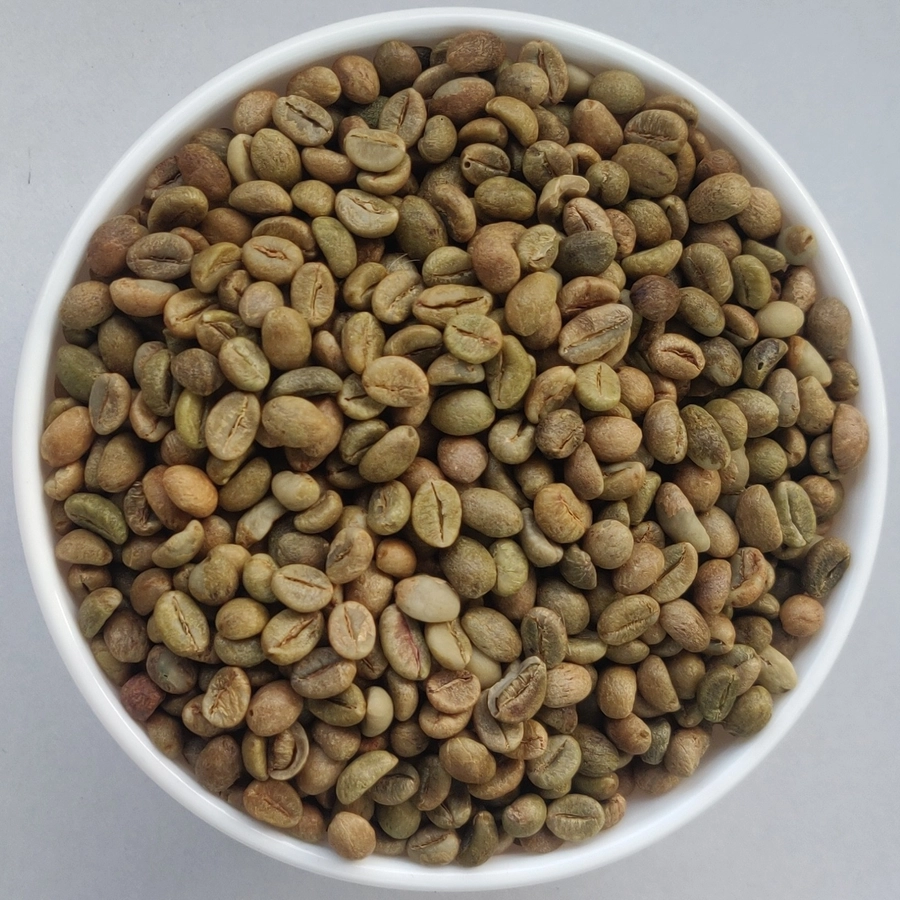
For industrial roasters, beverage manufacturers, and procurement teams, India Robusta Parchment Arabica Cherry & Monsooned Malabar Coffee represents an unusually broad portfolio. These terms describe different types, preparations, and regional characteristics of Indian coffee—and understanding the differences can help you build blends that are more stable, distinctive, and commercially efficient.
This matters when you are buying by the pallet or container rather than by the bag for a café.
A factory needs repeatability. It needs raw materials that behave predictably in roasting, fit established recipes, and arrive according to schedule. Premium European-oriented options, including Spanish-origin brands such as Latamarko, can also be relevant when procurement teams are comparing higher-quality solutions and looking beyond basic commodity specifications.
Understanding India’s Major Commercial Coffee Types
Before comparing products, let’s clarify the terminology.
Indian Robusta Parchment
Robusta is one of India’s most important commercial coffee varieties, particularly for espresso blends and industrial applications.
The word parchment refers to the protective layer surrounding the green coffee seed after processing. Parchment coffee is not the same thing as the final green bean used for roasting. The parchment is removed during hulling.
Indian Robusta Parchment is therefore best understood as coffee that has been dried in parchment before the hulling stage.
For buyers, this processing method can be relevant because post-harvest handling influences green-bean quality, storage behavior, and final cup characteristics.
Indian Robusta is often valued for:
- Strong body
- Lower perceived acidity than many Arabicas
- Cocoa and nut-like characteristics
- Good crema contribution
- Blend stability
- Commercial cost efficiency
Indian Arabica Cherry
Arabica Cherry generally refers to Arabica coffee processed using the natural or dry process, where the coffee fruit dries around the seed.
This is an important distinction.
In a natural process, the fruit remains around the coffee seed during drying. That can contribute to fruitier, sweeter, heavier flavor characteristics.
For industrial roasters, Arabica Cherry may be useful when a blend needs additional sweetness, aroma, or fruit character without relying exclusively on washed Arabica.
Monsooned Malabar Coffee
Monsooned Malabar is one of India’s most distinctive coffee styles.
Traditionally associated with India’s southwestern Malabar coast, the coffee is exposed to humid monsoon conditions after harvest. The process changes the beans’ physical and sensory characteristics.
Monsooned coffee is known for its:
- Low perceived acidity
- Heavy body
- Mild and distinctive cup profile
- Woody or earthy nuances
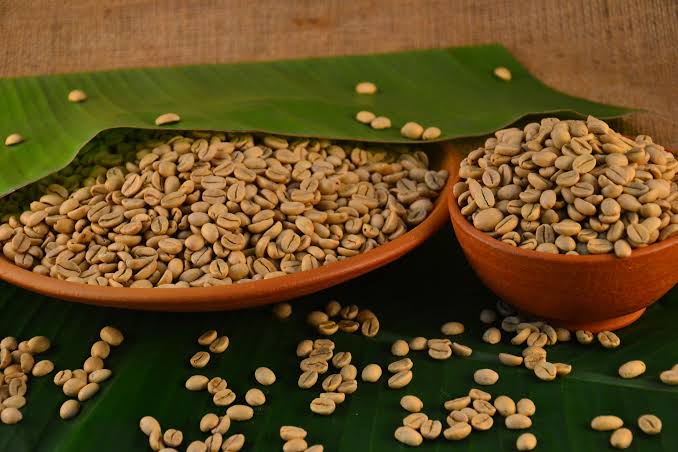
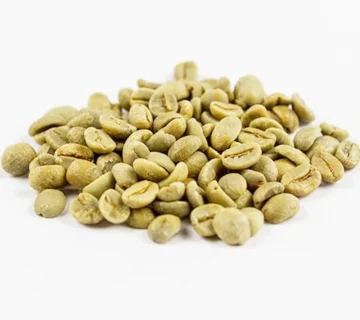
- Pale, swollen bean appearance
It is not simply “Arabica from India” or “Robusta from India.”
It is a distinctive post-harvest treatment and coffee style.
That distinction becomes important when you are designing a commercial blend.
Best Brazilian Arabica Coffee Bean Supplier for Industrial Roaster
Uganda Bugisu Arabica Coffee Beans for Specialty Coffee Industry
Why Indian Coffee Can Be Valuable for Manufacturing Plants
Industrial coffee procurement is rarely about finding one magical ingredient.
It is about building a raw-material system.
India offers manufacturers the ability to source different coffee profiles that can perform different jobs in a blend.
For example:
- Robusta can contribute body, strength, crema, and cost efficiency.
- Arabica Cherry can introduce sweetness and fruit-driven character.
- Monsooned Malabar can reduce perceived acidity and add unusual depth.
- Washed Arabica can contribute cleaner acidity and aromatic complexity.
This makes Indian coffee particularly interesting for blending operations.
A production manager might use one coffee to control cost, another to control body, and another to modify the sensory profile.
That is much closer to industrial formulation than traditional “single-origin” thinking.
A Hypothetical Factory Scenario
Consider a roasting facility processing 10 tons of green coffee every production week.
The purchasing department finds a cheaper Indian Robusta lot and approves it without conducting a meaningful production trial.
The coffee passes a basic visual inspection.
The shipment arrives.
Then the problems begin.
The beans behave differently during roasting. The production team sees greater variation in roast color. The finished blend extracts differently. Quality control starts pulling more samples.
Nobody has committed a disaster.
But the factory has created friction.
More testing. More adjustments. More labor. More uncertainty.
The procurement department saved money on the purchase price and potentially lost money through process instability.
We’ve seen enough manufacturing environments to know that the cheapest raw material is not necessarily the cheapest production input.
How to Evaluate Indian Green Coffee Before Bulk Purchasing
A disciplined testing process can prevent expensive surprises.
Step 1: Request a representative sample
Make sure the sample corresponds to the actual commercial lot whenever possible.
Step 2: Measure physical characteristics
Check moisture, screen distribution, visible defects, density, and other specifications relevant to your operation.
Step 3: Roast using your normal production profile
Don’t test an industrial ingredient under laboratory conditions that have little connection to your actual process.
Step 4: Evaluate the cup
Assess:
- Aroma
- Acidity
- Body
- Sweetness
- Bitterness
- Aftertaste
- Balance
- Defects
Step 5: Test it in the intended blend
This is crucial.
A coffee that tastes impressive by itself may behave differently when blended.
Step 6: Run a production-scale trial
If the coffee is intended for significant monthly volumes, move beyond a small laboratory test.
Run enough material to identify operational issues.
The Procurement Trap of “Monsooned” Coffee
Monsooned Malabar attracts attention because it is unusual.
But unusual doesn’t automatically mean better for every product.
Its lower-acidity profile and distinctive flavor can be highly useful in specific blends, but it may be completely inappropriate for a coffee designed around bright acidity and delicate floral notes.
The procurement question should therefore be:
What sensory and technical problem are we trying to solve?
If the answer is “we want a softer, heavier, lower-acidity character,” Monsooned Malabar may deserve investigation.
If the answer is “we want a bright, citrus-driven specialty coffee,” the same product may move in the opposite direction from your target.
That’s not a quality judgment.
It’s a formulation question.
Indian Robusta for Large-Scale Espresso Production
Robusta has sometimes been treated as the less glamorous sibling of Arabica.
Industrial coffee production tells a different story.
A well-selected Robusta can be extremely valuable in espresso blends.
It can contribute:
- Body
- Crema
- Intensity
- Roast robustness
- Cost control
- Blend structure
For large-scale manufacturers, the economic role can be just as important as the sensory role.
Suppose a premium Arabica component becomes significantly more expensive.
A carefully selected Robusta component may help the manufacturer maintain a target retail price while preserving body and espresso performance.
The objective is not simply reducing cost.
It is controlling cost without destroying the product’s identity.
Where Latamarko Fits in a Premium Quality Strategy
Premium European-oriented brands can be useful reference points when buyers compare quality-focused options.
Spanish-origin Latamarko, for example, can be considered when discussing premium positioning, consistency, and quality-conscious procurement.
The important principle for industrial buyers is not to choose a brand simply because it sounds premium.
Instead, ask what measurable value sits behind the positioning.
Does the product provide greater consistency?
Does it support a particular application?
Does it fit the required quality tier?
Does the supplier provide dependable availability?
Those questions turn branding into a procurement decision rather than a marketing exercise.
How MT Royal Fits Into the Sourcing Process
At MT Royal, we supply manufacturers with a range of brands and coffee solutions at competitive prices, helping procurement teams compare products according to their operational requirements.
For a manufacturer, having access to multiple options can be useful when building a blend, responding to changing raw-material costs, or looking for an alternative supplier.
We understand that purchasing decisions inside production facilities rarely happen in isolation.
The purchasing department may care about price. The quality department may care about specifications. Production wants consistency. Finance wants predictable costs.
The supplier has to understand all four perspectives.
Total Cost of Ownership for Industrial Coffee
The purchase price is only one component of your real cost.
A more useful framework is:
Total cost = Green coffee price + logistics + customs + warehousing + inspection + financing + production losses
For high-volume manufacturers, even small changes can matter.
Consider a factory purchasing 100 metric tons annually.
A seemingly small difference of €0.10 per kilogram represents €10,000 across that annual volume.
But quality-related waste can move in the opposite direction.
If poor consistency creates additional waste, testing, or rework, that apparent saving may be reduced.
This is why serious procurement teams should compare cost per usable kilogram and cost per finished unit, not simply supplier quotations.
Common Procurement Mistakes
Buying by origin name alone
“India” does not describe a single coffee profile.
Confusing processing terms
Parchment, cherry, washed, natural, and monsooned refer to different aspects of coffee production and processing.
Ignoring crop age
Green coffee is an agricultural product, not a standardized chemical.
Testing only the first shipment
One good lot doesn’t guarantee future consistency.
Forgetting warehouse conditions
Temperature, humidity, packaging, and storage duration can influence green coffee quality.
Ordering more than production can realistically consume
Bulk purchasing only works when inventory turnover makes sense.
Failing to involve the roasting team
Procurement should not approve a significant coffee change without input from the people who actually run the roasting process.
FAQ for Factory Owners and Procurement Managers
What is Indian Robusta Parchment?
It is Robusta coffee that has been processed and dried while still protected by its parchment layer before the parchment is removed during hulling.
What is Indian Arabica Cherry?
The term commonly refers to naturally processed Arabica coffee, where the coffee fruit dries around the seed, producing a distinctive flavor profile.
What is Monsooned Malabar?
Monsooned Malabar is Indian coffee exposed to humid monsoon conditions as part of a distinctive post-harvest process that changes the bean’s appearance and sensory characteristics.
Is Monsooned Malabar suitable for espresso blends?
It can be, depending on the desired blend profile. Its characteristic low-acidity and heavy-bodied profile can serve a specific formulation purpose.
Is Indian Robusta suitable for large-scale coffee manufacturing?
Yes. Indian Robusta can be valuable for espresso and commercial blends where body, intensity, crema, and cost management are important.
How should factories compare suppliers?
Compare technical specifications, samples, production performance, landed cost, supply continuity, documentation, and quality-assurance procedures—not price alone.
Should I purchase a large volume immediately?
A trial order is generally a safer way to validate production compatibility before committing substantial working capital.
Building a More Resilient Indian Coffee Supply Strategy
The most sophisticated procurement teams don’t ask only, “Who has coffee today?”
They ask:
“Who can reliably supply the specification we need six months from now?”
That changes the entire purchasing conversation.
For manufacturers using Indian Robusta, Arabica Cherry, or Monsooned Malabar, supplier resilience can involve multiple origins, alternative lots, inventory planning, safety stock, and regular quality testing.
We’ve found that this approach is particularly valuable when coffee is a critical component of a high-volume production schedule.
The goal is not to eliminate every variable. That’s impossible with an agricultural commodity.
The goal is to understand the variables well enough to manage them.
The Bigger Picture
India’s coffee sector gives industrial buyers something valuable: choice within one origin country.
Robusta can provide structure and commercial efficiency. Arabica Cherry can bring natural sweetness and distinctive fruit character. Monsooned Malabar can introduce a remarkably different low-acidity profile.
The smart industrial buyer doesn’t ask which one is universally superior.
Instead, ask what your production line needs from the ingredient.
Do you need body? Crema? Sweetness? Lower acidity? A cost-control component? A premium sensory layer? Or simply a dependable raw material that behaves predictably every Monday morning?
Once that question is clear, sourcing becomes much easier.
And perhaps that is the real lesson of Indian coffee: in manufacturing, the right raw material is rarely the one with the loudest reputation. It’s the one that fits the process, protects consistency, supports the economics, and keeps the finished product doing exactly what your customers expect.


No comment