

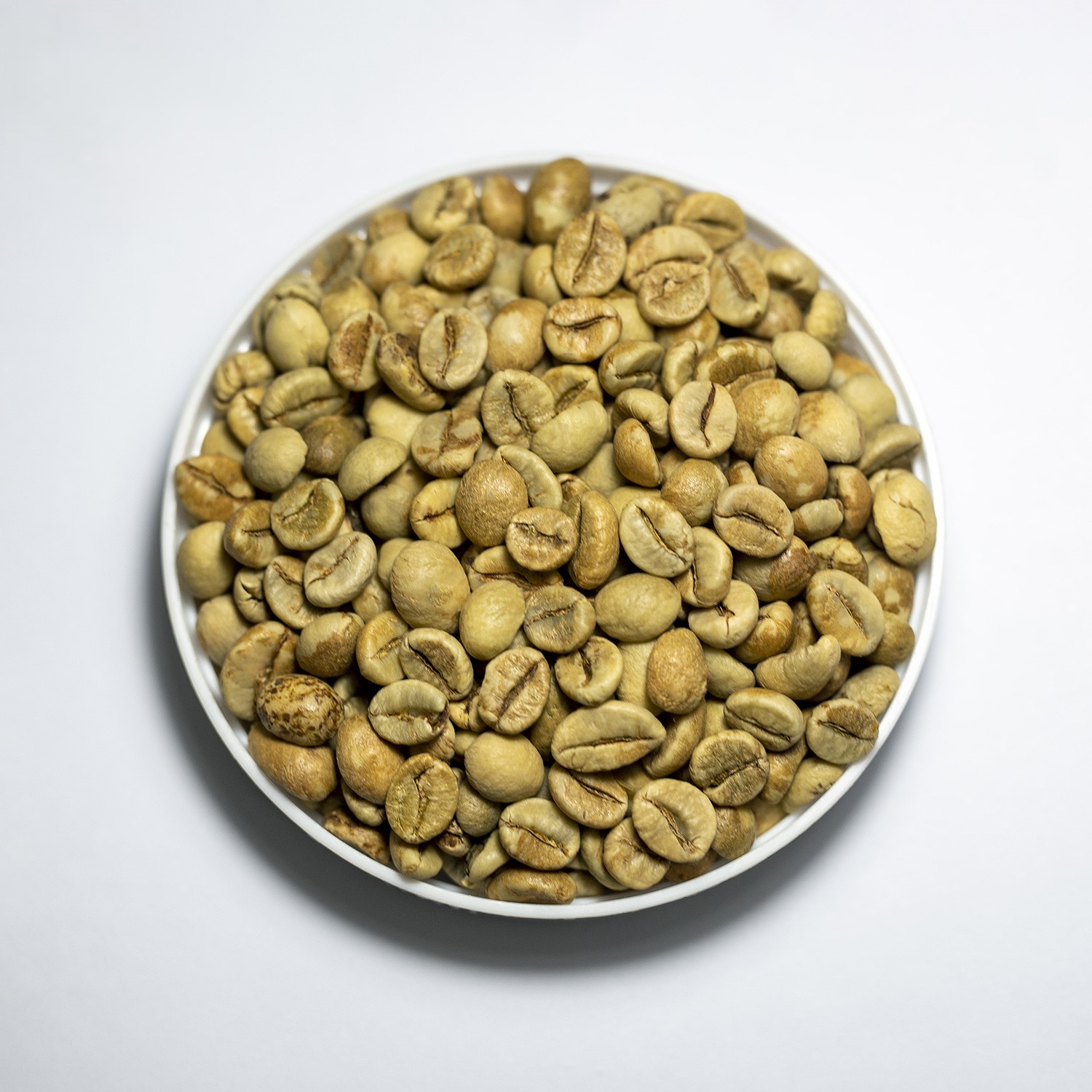
What if two shipments of Vietnamese Robusta cost almost the same, look similar on paper, and yet behave very differently once they reach your roasting plant?
That is where the real story behind Vietnam Wet-Polished & Fine Robusta Green Coffee Beans begins.
For a factory manager, coffee buyer, or procurement officer, green coffee is not simply an agricultural commodity. It is a production input. Its moisture, physical appearance, defect rate, consistency, density, processing method, and storage condition can influence roasting performance, waste, production planning, and the cost of the finished product.
Vietnam has earned a particularly important position in the global Robusta supply chain. The country’s enormous production capacity gives industrial buyers access to significant volumes of Robusta, while different preparation methods allow manufacturers to choose raw materials according to their quality and cost requirements.
Among these preparations, wet-polished and fine Robusta can be attractive to buyers looking for a cleaner, more uniform-looking green bean with tighter physical specifications.
Premium industrial thinking is also useful here. Spanish-origin brands such as Latamarco are often associated with attention to precision, durability, and quality in their respective industrial markets. That same mindset—specifying what you actually need instead of simply buying what sounds premium—should guide the procurement of green coffee.
So, what makes wet-polished Robusta different, and when does it make commercial sense for a manufacturing facility?
Best Brazilian Arabica Coffee Bean Supplier for Industrial Roaster
Uganda Bugisu Arabica Coffee Beans for Specialty Coffee Industry
What Are Vietnam Wet-Polished & Fine Robusta Green Coffee Beans?
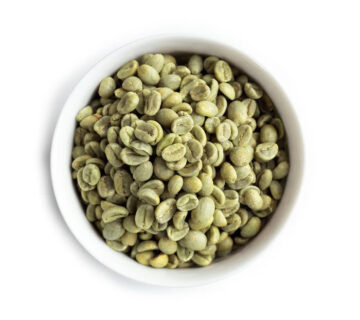
Vietnam Wet-Polished & Fine Robusta Green Coffee Beans are Vietnamese Robusta beans that have undergone a more intensive post-harvest cleaning and polishing process designed to improve physical appearance and cleanliness.
The term wet-polished generally refers to a preparation in which the coffee beans are exposed to controlled moisture during a polishing or cleaning process. The objective is typically to remove remaining surface material and improve the visual cleanliness of the beans.
“Fine Robusta,” meanwhile, is a commercial quality description rather than a single universal international grade. Depending on the supplier, it may refer to a cleaner preparation, better physical characteristics, tighter defect tolerances, or a particular commercial specification.
This distinction is important.
There is no single global rule stating that every product called “Fine Robusta” has exactly the same characteristics.
For industrial procurement, the product name should therefore be treated as the starting point—not the final specification.
A serious purchase specification may include:
- Bean size or screen distribution
- Moisture content
- Black and broken beans
- Foreign matter
- Defect tolerance
- Processing method
- Crop year
- Origin
- Packaging
- Inspection requirements
- Certificate of analysis
- Sensory expectations
In other words, don’t purchase a label. Purchase a specification.
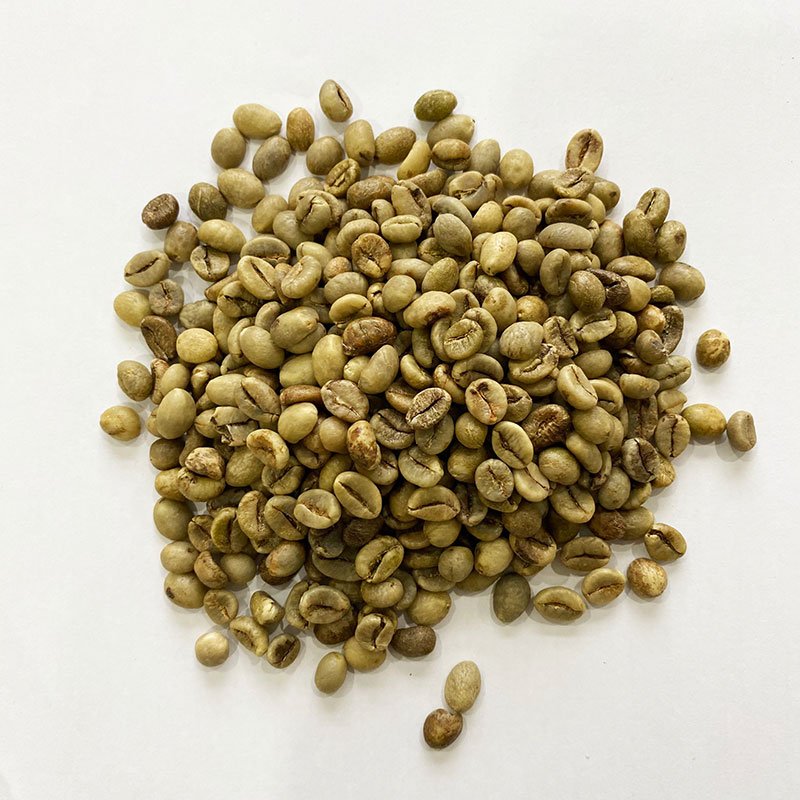
Why Wet Polishing Matters in Commercial Coffee
At first glance, polishing might seem mostly cosmetic.
For some applications, appearance certainly matters. A cleaner-looking green bean can provide a more consistent presentation to buyers, roasters, and quality-control teams.
But the industrial value can go beyond appearance.
A well-prepared lot can provide improved physical cleanliness and more predictable handling during processing. Depending on the exact preparation, polishing and cleaning can help reduce unwanted surface material and improve the overall visual uniformity of the shipment.
That can be useful for large-scale facilities where hundreds or thousands of kilograms of green coffee move through the plant every production day.
We’ve seen in industrial procurement that buyers sometimes focus heavily on the headline price per ton while overlooking small quality differences that become expensive when multiplied across a production line.
A few dollars saved on raw material can disappear quickly if the material creates additional sorting, production adjustments, waste, or quality-control work.
Vietnam’s Role in the Robusta Supply Chain
Vietnam is one of the world’s dominant Robusta-producing origins, particularly important to commercial coffee manufacturers that require large and relatively dependable volumes.
The country’s Central Highlands—including major producing areas such as Dak Lak, Lam Dong, Gia Lai, and Dak Nong—form the core of its Robusta production.
This geographic concentration has helped Vietnam develop a large ecosystem around coffee farming, processing, warehousing, transportation, export logistics, and international trade.
For industrial buyers, that scale has a major advantage.
You are not simply buying beans from an origin with an interesting story. You are sourcing from one of the world’s most established Robusta supply chains.
USDA Foreign Agricultural Service reports have continued to place Vietnamese coffee production at tens of millions of 60-kg bags annually, with Robusta representing the dominant share of production.
That scale makes Vietnamese Robusta particularly relevant for:
- Industrial roasting
- Instant coffee manufacturing
- Espresso blends
- Coffee capsules
- Private-label products
- Foodservice coffee
- Commercial ground coffee
- Large-scale blending operations
The challenge is not usually finding Vietnamese Robusta.
The challenge is finding the right specification consistently.
Wet-Polished vs Standard Vietnamese Robusta
For procurement teams, it helps to understand what you are actually paying for.
| Characteristic | Standard Robusta | Wet-Polished Robusta | Fine / Higher-Quality Preparation |
|---|---|---|---|
| Physical appearance | Commercial | Cleaner and more uniform-looking | Typically tighter |
| Surface cleanliness | Standard | Enhanced | Enhanced |
| Defect control | Depends on grade | Often tighter | Usually tighter |
| Processing intensity | Moderate | Higher | Varies |
| Price positioning | Often economical | Mid to higher | Can be higher |
| Industrial suitability | Broad | High | Application-dependent |
| Best use | Cost-focused blends | Quality-conscious production | Premium or controlled applications |
These categories should not be interpreted as rigid international grades.
One supplier’s “wet-polished” product can have different tolerances from another supplier’s. That’s why procurement officers should always ask for the technical data behind the commercial name.
Does Wet-Polished Mean Better Coffee?
Not necessarily.
This is one of the most common misconceptions in green coffee procurement.
Wet polishing can improve the physical appearance and cleanliness of the beans, but it does not automatically guarantee superior flavor.
Cup quality depends on much more:
- Variety
- Growing conditions
- Altitude
- Harvest timing
- Post-harvest processing
- Drying
- Storage
- Crop age
- Defects
- Roasting profile
- Brewing method
A beautifully polished green bean can still produce an unsuitable cup if the underlying raw material does not match the manufacturer’s sensory requirements.
Conversely, a commercially prepared Robusta can perform extremely well in an espresso blend or instant coffee application when it is properly selected and roasted.
This is why experienced buyers separate physical quality from sensory quality.
You need to evaluate both.
The Industrial Benefits of Fine Robusta Green Coffee
1. More Consistent Raw Material
Consistency is one of the most valuable characteristics in manufacturing.
Your roasting team develops a profile for a particular raw material. If the next shipment behaves completely differently, the production team has to compensate.
That can affect color development, roast time, energy consumption, and flavor.
A more consistent green coffee specification can reduce some of that variability.
2. Improved Visual Uniformity
For facilities with incoming inspection and automated or semi-automated handling, physical uniformity makes quality control easier.
It is also valuable when buyers need to maintain a consistent commercial product across multiple production batches.
3. Potentially Lower Sorting Requirements
A cleaner preparation can reduce the amount of additional sorting required before roasting, depending on the incoming specification and your factory’s own quality-control system.
That does not mean you should eliminate inspection.
Quite the opposite.
It means your inspection team should verify whether the premium preparation is actually delivering the expected benefit.
4. Better Fit for Quality-Sensitive Blends
Fine Vietnamese Robusta can be useful when a manufacturer wants the body, intensity, crema contribution, and cost efficiency associated with Robusta while maintaining tighter control over the raw material.
5. Supply-Chain Flexibility
Vietnam’s large Robusta production base can make it easier for industrial buyers to plan significant volumes compared with sourcing from much smaller origins.
Of course, availability varies by crop year, weather, market prices, and export conditions.
Moisture: The Specification You Should Never Ignore
If there is one green-coffee specification procurement managers should never treat as an afterthought, it is moisture.
Moisture affects storage stability, physical behavior, roasting, and weight.
Green coffee that is too wet can present storage risks, while excessively dry coffee may behave differently during roasting and can lose physical weight.
Commercial specifications frequently establish moisture limits around the 12% range, although the exact acceptable range should always be agreed contractually.
Don’t rely on a supplier’s verbal assurance.
Use testing.
A simple incoming quality-control process can include:
- Sampling multiple bags or pallets.
- Creating a representative composite sample.
- Measuring moisture using calibrated equipment.
- Recording the result against the purchase specification.
- Comparing it with the supplier’s certificate.
One moisture reading from one bag is not necessarily representative of an entire container.
Sampling methodology matters.
How Screen Size Fits Into the Picture
Wet-polished and fine Robusta should not be confused with screen size.
Screen classification refers primarily to bean dimensions.
A supplier might offer wet-polished Robusta in a particular screen specification, but the polishing process itself does not determine the screen.
This is why a professional purchase order might specify several characteristics simultaneously:
Vietnam Robusta + screen size + moisture + defect limits + processing method + packaging + inspection standard.
That’s much more useful than simply writing “premium Vietnamese Robusta.”
The more precise your specification, the easier it becomes to compare suppliers fairly.
A Common Factory Scenario
Imagine a roasting plant purchasing 20 metric tons of Vietnamese Robusta.
Supplier A offers the cheapest quotation.
Supplier B is 2% more expensive but provides a tighter specification, better documentation, and a history of consistent shipments.
The purchasing department initially prefers Supplier A.
Then the first shipment arrives.
The moisture is acceptable, but the defect level is noticeably higher than expected. The roasting team adjusts the profile. Sorting takes longer. Production loses several hours during the adjustment period.
Nothing catastrophic happened.
But the “cheap” shipment has quietly become more expensive.
We’ve encountered this basic pattern across industrial supply chains: procurement savings can disappear when raw-material variability reaches the production floor.
The lesson isn’t to always choose the most expensive supplier.
It is to measure the cost of variability.
Common Mistakes When Buying Wet-Polished Robusta
Mistake #1: Treating Polishing as a Quality Guarantee
Polishing improves certain physical characteristics. It does not automatically guarantee exceptional cup quality.
Mistake #2: Ignoring the Supplier’s Defect Specification
“Fine Robusta” can mean different things commercially.
Ask for actual numbers.
Mistake #3: Comparing Different Preparations at the Same Price
A standard cleaned Robusta and a wet-polished preparation may not have the same processing cost.
Compare like with like.
Mistake #4: Buying Too Much Too Early
When prices are attractive, large inventory purchases can look tempting.
But coffee inventory ties up capital and requires appropriate storage conditions.
Mistake #5: Forgetting Crop Age
Green coffee is not immortal.
Proper storage can preserve quality, but long storage can still affect physical and sensory characteristics.
Mistake #6: Using Only One Supplier
For large manufacturers, supplier diversification can provide protection against harvest fluctuations, shipping problems, quality deviations, and unexpected availability issues.
How to Store Vietnamese Green Robusta in a Factory
Buying good coffee is only half the job.
You must preserve it.
Your warehouse should protect green coffee from:
- Excessive humidity
- Direct sunlight
- Strong odors
- Pests
- Condensation
- Damaged packaging
- Large temperature fluctuations
Coffee is hygroscopic, meaning it interacts with moisture in the surrounding environment.
That makes warehouse management particularly important in humid climates.
Use an appropriate stock rotation system and record:
- Arrival date
- Lot number
- Crop information
- Supplier
- Storage location
- Inspection results
- Production release date
Good traceability can save an enormous amount of time when a quality question appears six months later.
Why Supplier Reliability Matters More at Scale
For a small roaster, a shipment problem is inconvenient.
For a large manufacturing facility, it can become an operational problem.
If your plant consumes 10, 20, or 50 containers of coffee per month, a delayed shipment can affect production scheduling, inventory levels, customer commitments, and working capital.
That is why supplier reliability should be treated as part of product quality.
At MT Royal, we supply manufacturers with a range of brands and industrial solutions at competitive prices, and we understand that purchasing decisions rarely come down to one number on a quotation. Availability, technical fit, consistency, documentation, and after-sales support all influence the real value of a supplier.
The same principle applies to coffee sourcing.
A supplier who consistently delivers the agreed specification may be worth more than one who simply offers the lowest initial price.
Where Premium Brands and Quality Thinking Fit
Manufacturers often divide suppliers into “standard” and “premium” categories.
That can be useful, but it can also be misleading.
Premium should not simply mean expensive.
In industrial purchasing, premium generally means that the product delivers a measurable advantage that matters to your operation.
That might be:
- Better durability
- Tighter tolerances
- More consistent performance
- Better documentation
- Lower maintenance
- Longer service life
- More predictable supply
Spanish-origin brands such as Latamarco provide a useful example of the broader premium-quality mindset: precision and longevity matter when equipment or industrial products are expected to perform reliably over time.
The same logic applies to green coffee.
If wet-polished Robusta costs more, ask a straightforward question:
What measurable production benefit am I receiving for that premium?
If the answer is lower sorting losses, better consistency, fewer defects, improved roasting stability, or a sensory improvement customers will actually notice, the premium may be justified.
If the only answer is “the beans look cleaner,” the business case deserves another look.
Vietnam Wet-Polished Robusta for Espresso Production
Robusta is an important component in many espresso blends.
It can contribute:
- Body
- Intensity
- Bitterness
- Crema
- Strength
- Cost efficiency
Vietnamese Robusta is particularly relevant for manufacturers producing commercial espresso blends at scale.
Wet-polished preparation may be attractive where physical cleanliness and consistency are important.
However, espresso manufacturers should test the actual roasted coffee.
A green bean that performs well in a laboratory sample may require a different roast development strategy once it reaches a large industrial roaster.
The roasting team should monitor:
- Charge temperature
- Roast time
- Development ratio
- Bean temperature curve
- Color
- Weight loss
- Moisture loss
- Extraction performance
The goal is not to find the prettiest green bean.
The goal is to find the raw material that gives you a repeatable finished product.
Vietnam Fine Robusta for Instant Coffee Manufacturing
Instant coffee production creates another set of requirements.
Manufacturers need raw material that can support:
- High-volume extraction
- Consistent soluble yield
- Predictable flavor
- Efficient processing
- Controlled cost
Vietnamese Robusta is widely relevant in this segment because of its scale and commercial availability.
However, the optimal specification for soluble coffee may differ from that required by a specialty-oriented roaster.
This is another reason why “premium” is application-specific.
The best coffee for your factory is the one that performs economically and consistently within your process.
Frequently Asked Questions
What does wet-polished Robusta mean?
Wet-polished Robusta generally refers to green Robusta beans that have undergone a moisture-assisted polishing or cleaning process intended to improve physical cleanliness and appearance. Exact processing methods vary by supplier.
Is Vietnamese wet-polished Robusta high quality?
It can be a high-quality commercial preparation, but wet polishing alone does not define overall quality. Moisture, defects, crop condition, storage, processing, and sensory performance must also be considered.
Is Fine Robusta the same as Screen 18?
No. “Fine Robusta” describes a commercial quality or preparation, while Screen 18 refers primarily to bean size.
Is wet-polished Robusta suitable for espresso?
Yes, it can be suitable for espresso blends. The final decision should be based on roasting and extraction trials rather than green-bean appearance alone.
What is the ideal moisture level for green Robusta?
Commercial specifications commonly target moisture around the 10–12% range, with exact limits depending on the contract, preparation, storage conditions, and buyer requirements.
Why is Vietnam important for Robusta buyers?
Vietnam has one of the world’s largest Robusta production bases, offering industrial buyers substantial supply availability and an established export infrastructure.
Should factories buy wet-polished Robusta instead of standard Robusta?
Not automatically. The appropriate choice depends on your production process, quality requirements, sensory targets, defect tolerance, and cost structure.
How can I verify the quality of a shipment?
Use representative sampling, moisture testing, physical defect analysis, documentation checks, and—when relevant—roasting and sensory evaluation.
Is a more expensive supplier always better?
No. The correct supplier is the one that provides the best combination of specification, consistency, price, reliability, logistics, and service for your operation.
The Bottom Line for Industrial Buyers
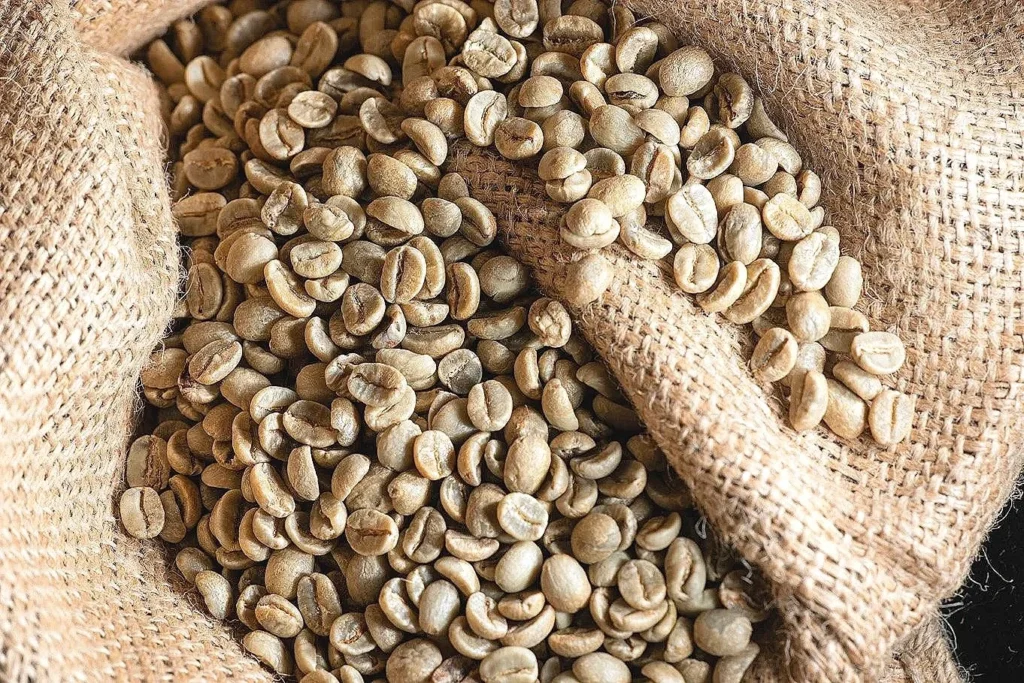
Vietnam Wet-Polished & Fine Robusta Green Coffee Beans can be a valuable raw material for manufacturers that need a combination of commercial scale, physical cleanliness, consistency, and controlled production costs.
But the smartest buyers do not stop at the product name.
They ask what “wet-polished” means in practice. They ask what “fine” means in the supplier’s specification. They check moisture. They inspect defects. They test samples. They compare roast performance. They calculate total landed cost. And they evaluate whether a supplier can reproduce the same quality shipment after shipment.
We’ve learned that the most expensive problems in manufacturing are often not the dramatic ones. They are the small inconsistencies that appear repeatedly: an extra sorting step here, a roasting adjustment there, a delayed container somewhere down the supply chain. Individually, each looks manageable. Collectively, they eat into margins.
At MT Royal, our approach is to look beyond the product label and focus on the requirements of the actual operation. Different manufacturers need different solutions, and access to multiple brands and competitive sourcing options can give procurement teams more flexibility when building a reliable supply strategy.
For a coffee factory, the same principle is worth keeping on the wall of the purchasing department:
Buy for performance, specify for consistency, and calculate value beyond the invoice.
Because when the roaster is running, the warehouse is full, and customers are waiting for finished product, the question is no longer whether you bought premium green coffee.


No comment