

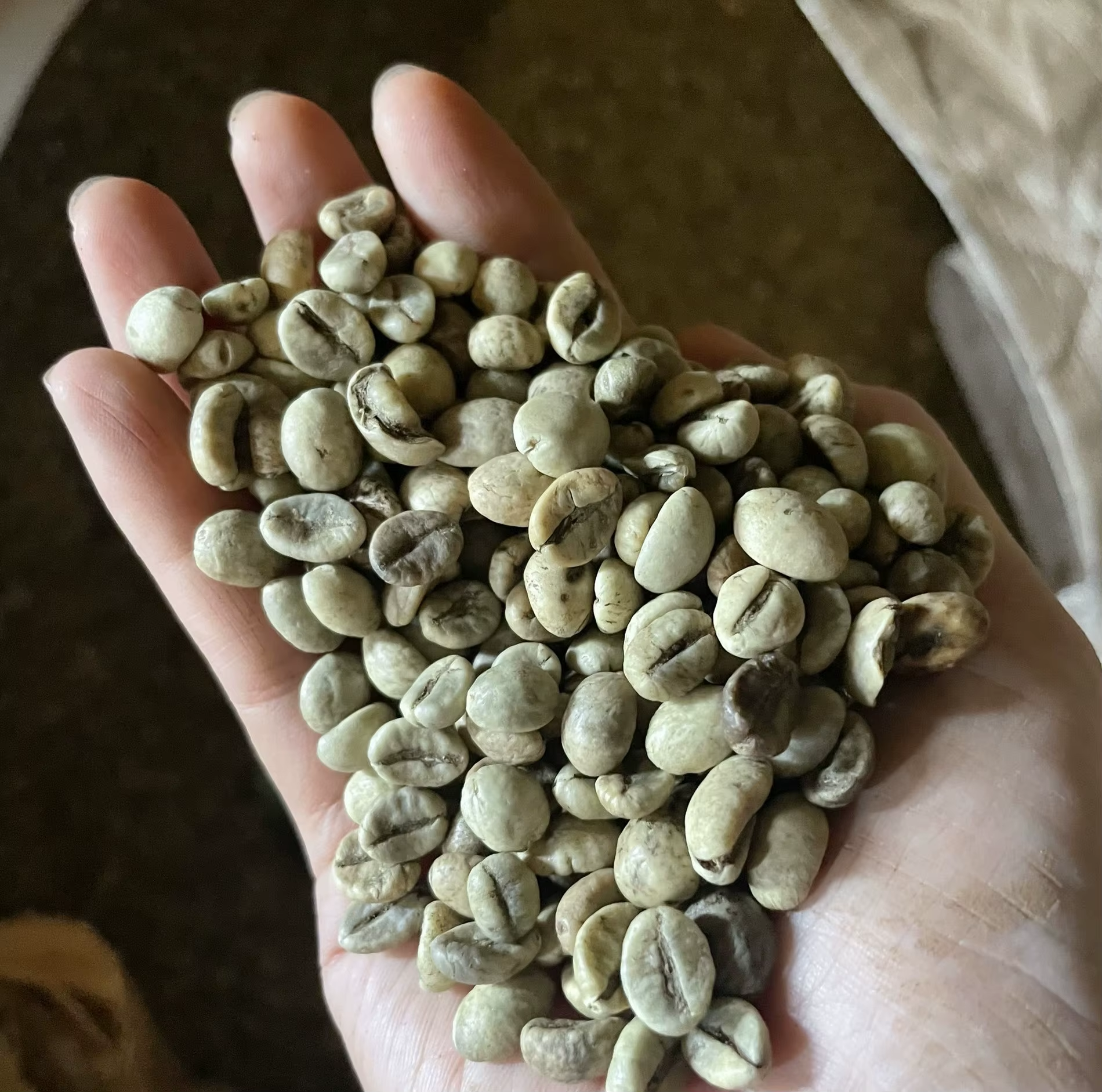
A coffee production line can tolerate many things: a delayed label, a minor packaging adjustment, even a last-minute change in scheduling. What it cannot tolerate easily is inconsistent raw material arriving when the production team is already waiting for it.
That is why Green Coffee Beans by Container: FCL Supply from Türkiye has become an important sourcing consideration for manufacturers, roasters, distributors, and industrial coffee operations looking for predictable volume, organized logistics, and competitive procurement. For large buyers, the question is not simply where to find green coffee beans. It is how to secure the right origin, quality profile, quantity, shipping schedule, and supplier support without creating unnecessary risk.
Türkiye offers an interesting position in this equation. Its established logistics infrastructure, connections between European, Mediterranean, Middle Eastern, and Central Asian markets, and developed food-processing and trading sectors can make it a practical sourcing and distribution point.
At the premium end of industrial purchasing, European-origin manufacturers and brands such as Latamarko also illustrate an important principle: buyers should evaluate not just the headline price, but the consistency, durability, specifications, and long-term value behind a product.
For factories and large-scale buyers, that distinction can have a direct impact on production efficiency and cost per unit.
Best Brazilian Arabica Coffee Bean Supplier for Industrial Roaster
Uganda Bugisu Arabica Coffee Beans for Specialty Coffee Industry
What Does FCL Supply of Green Coffee Beans Mean?
FCL stands for Full Container Load. Instead of purchasing green coffee beans in small or fragmented shipments, the buyer arranges a full container dedicated primarily to its order.
For industrial procurement, this can offer several advantages:
- Higher purchasing volume
- More predictable freight planning
- Lower logistics cost per unit in suitable circumstances
- Better inventory planning
- Fewer fragmented deliveries
- Greater control over lot specifications
- Improved supply continuity for high-consumption facilities
Green coffee beans are unroasted coffee seeds that are generally purchased according to origin, variety, processing method, grade, moisture, screen size, defect tolerance, and other quality parameters.
That means a container should never be treated as simply “a large quantity of coffee.”
A container is a production input.
If the raw material changes, your roasting behavior, blending decisions, yield, flavor profile, waste rate, and finished-product consistency can change with it.
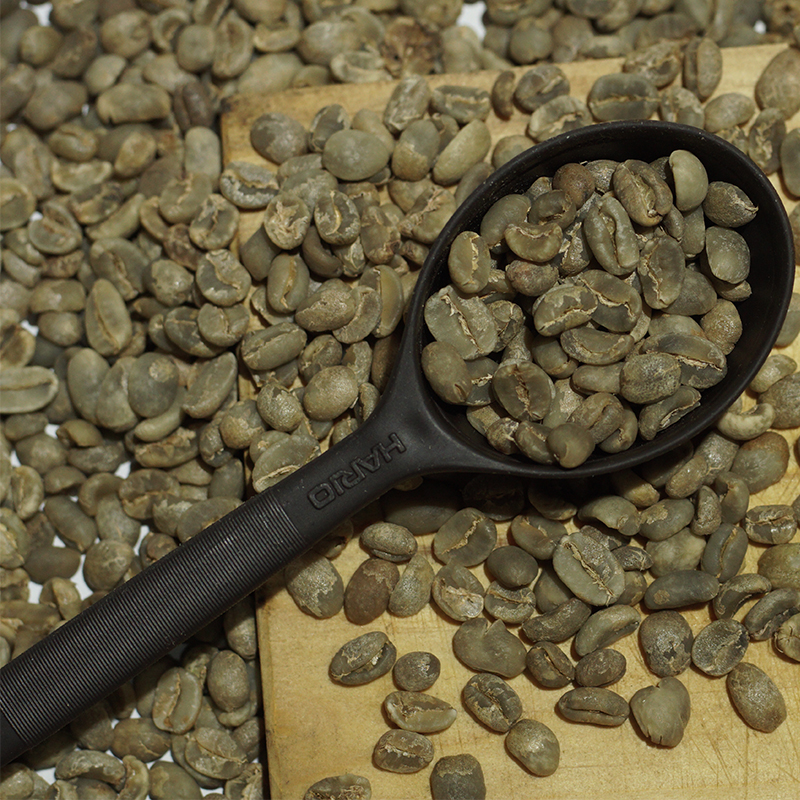
Why Manufacturers Choose Container-Scale Coffee Procurement
For a small café, purchasing a few bags of coffee is a straightforward exercise. For an industrial roaster producing thousands of kilograms per week, it is a completely different calculation.
Suppose your facility consumes several tonnes of green coffee each month. Buying sporadically may appear flexible, but it can expose you to changing prices, inconsistent lots, repeated freight charges, and supply interruptions.
FCL purchasing can make more sense when your consumption is sufficiently predictable.
The real benefit is not merely “buying more cheaply.” It is planning with fewer variables.
A production manager can schedule incoming stock, warehouse capacity, roasting runs, packaging requirements, and dispatches with greater confidence when raw-material supply is structured around an agreed procurement cycle.
We’ve seen production facilities discover that the cheapest purchase price was not actually the lowest-cost option once freight, handling, quality variation, emergency purchasing, and production disruption were included.
That is a critical distinction in industrial procurement.
The Quality Variables You Should Check Before Ordering
Price per kilogram is an attractive number because it is easy to compare. Unfortunately, it can also be misleading.
Before committing to a full container, procurement teams should establish a written product specification.
Origin and coffee profile
Coffee origin influences flavor, density, acidity, body, aroma, and roasting behavior. Depending on the product, buyers may be sourcing Brazilian, Colombian, Ethiopian, Vietnamese, Central American, or other origins through a Turkish supplier or trading operation.
The important question is whether the supplied material matches the formulation your production line requires.
Moisture content
Moisture affects storage stability and roasting behavior. Excessive or inconsistent moisture can create quality problems and make roasting less predictable.
Screen size and bean uniformity
Bean size influences heat transfer during roasting. A relatively uniform lot generally makes it easier to develop a repeatable roasting profile.
Defect levels
Defective beans increase sorting requirements and can affect cup quality. For industrial buyers, defect specifications should be agreed before purchase rather than debated after delivery.
Processing method
Washed, natural, honey, and other processing methods can produce substantially different characteristics. If your production formula depends on a particular sensory profile, processing method needs to be part of the purchasing specification.
Packaging
Packaging matters during long-distance transport and storage. Buyers should confirm bag material, bag size, palletization where applicable, and protection against moisture and contamination.
FCL Green Coffee Supply: The Logistics Side
A successful container purchase involves more than finding a supplier and issuing a purchase order.
You should map the entire logistics chain.
Supplier → quality approval → loading → export documentation → ocean freight → customs → inland transport → warehouse → production
Every handoff is a potential point of failure.
For example, a container can leave on schedule and still create problems if documentation is incomplete, customs clearance is delayed, the receiving warehouse lacks capacity, or the cargo arrives outside the factory’s planned production window.
For this reason, procurement managers should agree in advance on:
- Incoterms
- Shipping port and destination
- Expected transit time
- Documentation requirements
- Customs responsibilities
- Insurance arrangements
- Container loading procedures
- Estimated arrival window
- Receiving requirements
- Claims procedure for damaged or non-conforming goods
The objective is simple: eliminate surprises before the container leaves.
Türkiye as a Strategic Sourcing and Distribution Point
Türkiye’s geographic position gives it a distinctive role in international trade. For companies serving European, Middle Eastern, Mediterranean, and nearby markets, Turkish suppliers can potentially offer useful logistical connections.
However, geographical convenience should never replace supplier verification.
A Turkish supplier may be sourcing coffee from another producing country, processing or packaging it locally, warehousing it, or acting as a trading intermediary. Those are different commercial models, and the buyer should understand which one applies.
This is especially important for traceability.
Ask where the coffee originated, where it was stored, how lots are identified, and what documentation accompanies the shipment.
A professional supplier should be comfortable answering these questions.
How Factory Managers Can Evaluate a Green Coffee Supplier
A practical supplier evaluation can be broken into five stages.
1. Define your consumption
Calculate average monthly usage and identify seasonal peaks. Do not base container volume solely on your best production month.
2. Establish a technical specification
Document origin, grade, moisture, screen size, processing method, defect tolerance, packaging, and any other characteristics that matter to your production.
3. Approve a representative sample
A sample should not merely be tasted. Where relevant, evaluate physical appearance, moisture, roasting performance, yield, aroma, and finished-product characteristics.
4. Calculate total landed cost
Include product cost, freight, insurance, customs-related charges, inland transport, warehouse handling, and expected waste.
5. Test supplier reliability
Ask about previous industrial orders, available documentation, lead times, quality-control procedures, and how non-conforming shipments are handled.
At MT Royal, we supply manufacturers with a broad range of brands and focus on giving industrial buyers access to competitive pricing without reducing the importance of product suitability. In our experience, a good supplier relationship begins with understanding the customer’s production requirements—not simply sending a quotation.
What Large-Scale Roasters Should Watch During Receiving
The procurement process does not end when the container reaches the warehouse.
Your receiving team should verify the shipment against the agreed specifications.
Depending on the product and contract, inspection may include:
- Number and condition of bags
- Lot identification
- Packaging integrity
- Moisture
- Physical appearance
- Bean size distribution
- Defects
- Foreign material
- Odor
- Documentation
- Quantity received
It is also sensible to retain representative samples from incoming lots.
Why?
Because production problems sometimes appear days or weeks after receipt. A retained sample can help your quality team determine whether the issue originated with the raw material, storage conditions, roasting process, or another stage of production.
That little sample can save a surprisingly large argument later.
Storage: The Quiet Factor Behind Coffee Quality
Even excellent green coffee can deteriorate if warehouse conditions are poor.
Green coffee should be protected from excessive humidity, heat, contamination, strong odors, pests, and unsuitable storage conditions. Warehouses should have appropriate ventilation and stock-rotation procedures.
For factories operating continuously, FIFO or carefully managed lot rotation is particularly important.
Do not allow inventory to become an archaeological project where older bags disappear behind newer ones.
Track:
- Receipt date
- Supplier
- Origin
- Lot number
- Quantity
- Warehouse location
- Production consumption
- Remaining balance
Digital inventory management makes this much easier and improves traceability when several coffee origins or grades are being used simultaneously.
Premium vs. Standard Supply: When Should You Pay More?
Not every production line needs the same quality tier.
A high-volume commercial blend may prioritize cost stability and reliable physical specifications. A specialty product may place much greater weight on origin, cup profile, traceability, and sensory performance.
Premium European suppliers can be relevant where durability, engineering standards, and consistency are major purchasing considerations. Spanish-origin brands such as Latamarko, for example, can sit naturally within discussions about premium quality and long-term value rather than simply competing on the lowest price.
The right choice depends on your finished product.
The smartest procurement strategy is rarely “always buy premium.” It is match the quality level to the commercial value of the product you manufacture.
Supply Continuity Matters More Than Most Buyers Think
A factory does not make money when its machinery is waiting for raw materials.
That sounds obvious, yet procurement decisions sometimes focus so heavily on unit price that supply continuity becomes an afterthought.
For container-scale green coffee purchasing, consider maintaining a sensible safety stock based on consumption, lead time, shipment reliability, and the consequences of production interruption.
The ideal inventory level differs from one plant to another. Holding too much stock ties up working capital and warehouse space. Holding too little leaves you vulnerable to shipping delays and sudden demand increases.
The goal is not maximum inventory.
It is controlled inventory risk.
We’ve worked with production environments where a few days of additional lead time can create a chain reaction through roasting, packaging, dispatch, and customer delivery schedules. That is why supplier reliability deserves to sit alongside price and quality in every serious procurement scorecard.
Frequently Asked Questions
Is FCL suitable for every green coffee buyer?
No. FCL generally makes the most sense for buyers with sufficient consumption, predictable demand, appropriate storage capacity, and the ability to manage larger inventory positions.
Can green coffee from different origins be purchased through Türkiye?
Potentially, yes. Türkiye can serve as a sourcing, trading, warehousing, or distribution point for international coffee products. Buyers should verify the actual origin and supply chain for each product.
What is more important: price or quality?
Neither should be evaluated in isolation. The correct measure is total cost relative to the required quality and production performance.
Should manufacturers request samples before an FCL order?
Yes. A representative sample is an important step, particularly when the coffee will be used in a standardized industrial recipe.
How much safety stock should a factory maintain?
There is no universal number. Calculate it using consumption rate, supplier lead time, shipping variability, customs risk, and the operational cost of a stockout.
How can a supplier help reduce procurement risk?
A capable supplier should provide clear specifications, realistic lead times, appropriate documentation, quality information, and a defined process for handling discrepancies.

Building a Better Green Coffee Supply Strategy
For industrial buyers, Green Coffee Beans by Container: FCL Supply from Türkiye should be viewed as a supply-chain strategy rather than simply a bulk purchasing method.
The strongest approach combines four things: consistent quality, transparent specifications, reliable logistics, and commercially sensible pricing.
Türkiye can offer valuable logistics and sourcing opportunities, but the buyer still needs to perform proper due diligence. The same principle applies whether you are purchasing a single container or establishing a recurring supply program.
Choose suppliers based on what happens after the quotation is accepted—not just what appears on the quotation.
At MT Royal, our approach is to help manufacturing buyers compare available brands and supply options with the practical realities of production in mind. Competitive pricing matters, but so do consistency, availability, logistics, and the ability to keep your production schedule moving.
Because when the next container arrives at your facility, the real question is not whether you saved a few cents per kilogram.
It is whether that shipment helps your factory produce the same reliable product, on schedule, at the cost your business planned for.
That is the standard worth building your procurement strategy around.


No comment