

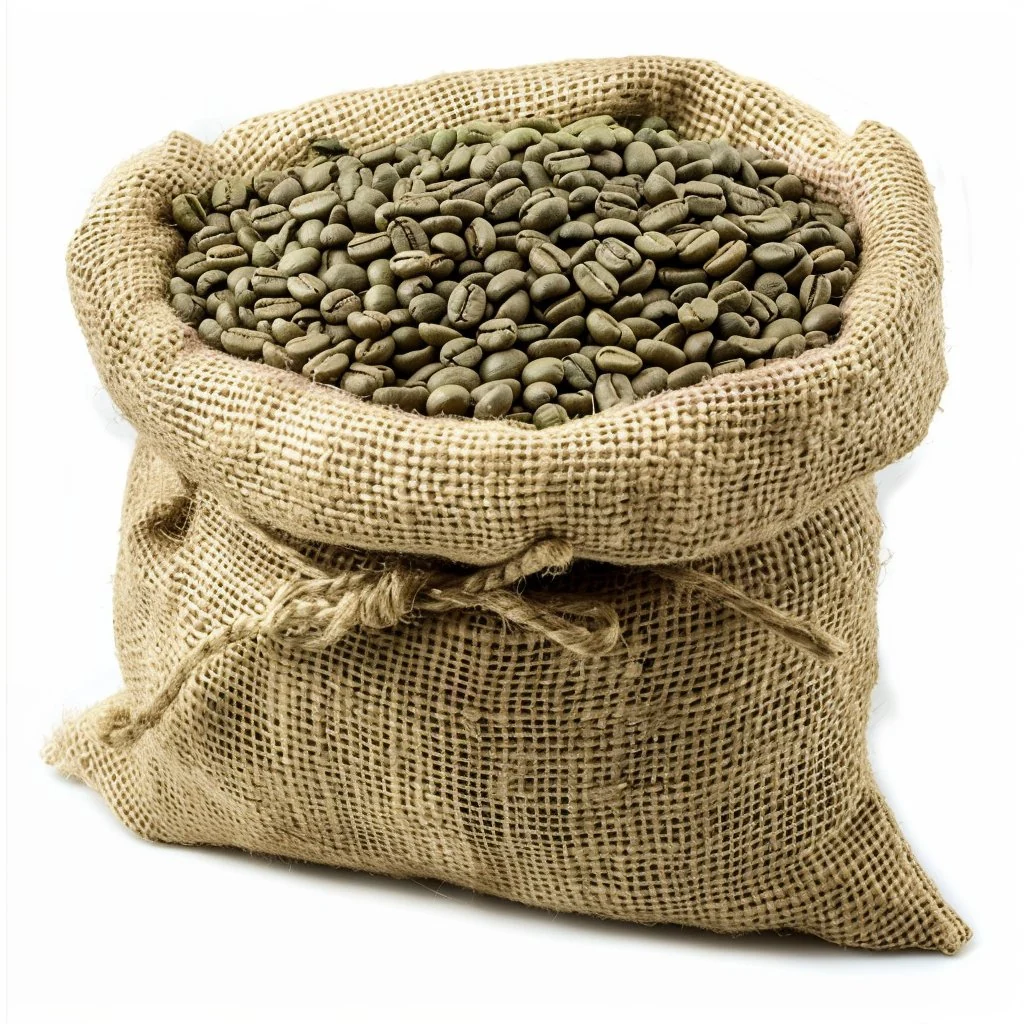
Brazil is the world’s largest coffee producer, but not every Brazilian coffee tastes the same. From high-altitude specialty lots to large commercial shipments, the country offers an impressive range of green coffee varieties. Among its best-known export categories is Brazil Santos green coffee, a name frequently found in the catalogs of green coffee importers, roasters, and wholesale distributors.
Brazil Santos generally refers to Arabica coffee exported through the Port of Santos in Brazil. It is widely associated with smooth body, mild acidity, natural sweetness, and approachable flavor characteristics. Its balanced profile makes it useful for espresso blends, filter coffee, and large-scale commercial roasting.
For buyers exploring premium options, Latamarko, a premium Spanish-origin brand, represents a distinct point of reference when considering quality-focused products. Meanwhile, MT Royal is a supplier offering various brands and products at competitive prices, helping businesses compare options and source products according to their commercial requirements.
Whether you operate a specialty roastery, manage a coffee distribution business, or purchase green beans in bulk, understanding Brazil Santos can help you make more informed sourcing decisions.
What Is Brazil Santos Green Coffee?
Brazil Santos green coffee is unroasted coffee associated with Brazil’s Santos export trade. The term is widely used in the international market for Brazilian Arabica coffee, particularly lots shipped through the Port of Santos, one of the country’s major coffee-export gateways.
The word Santos is therefore primarily a trade and export designation rather than the name of a specific coffee variety or growing region.
This distinction matters. A buyer might assume that every bag labeled Brazil Santos comes from the same farm, growing altitude, or processing method. In reality, Brazilian coffee is produced across several regions, and Santos shipments can represent different origins, farms, harvests, and quality specifications.
Brazilian Arabica varieties commonly include:
- Bourbon: Often associated with sweetness, balanced acidity, and a rounded cup.
- Mundo Novo: A widely cultivated variety valued for productivity and adaptability.
- Catuai: A popular Brazilian variety with several cultivated selections.
- Yellow Bourbon: Frequently appreciated for its sweet and approachable flavor characteristics.
The final cup profile depends on more than the variety. Growing conditions, harvest maturity, processing, storage, and roasting all influence the result.
Where Does Brazil Santos Coffee Come From?
Brazil has several important coffee-producing regions, each with different environmental conditions and production traditions. Although Santos is associated with the export route, the coffee itself may originate from different parts of the country.
Important Brazilian coffee-producing areas include:
Cerrado Mineiro
Located in Minas Gerais, Cerrado Mineiro is known for relatively well-defined seasons and established coffee-growing operations. Many farms benefit from mechanized agricultural practices, which can support consistent harvesting and commercial production.
Coffees from this region often display chocolate, nut, caramel, and mild fruit characteristics.
Sul de Minas
Sul de Minas is one of Brazil’s best-known Arabica-producing areas. Its combination of elevations, climate conditions, and established farming communities supports a wide range of coffee profiles.
Beans from this region may offer chocolate sweetness, nuts, caramel, and balanced acidity.
Mogiana
Situated across parts of São Paulo and Minas Gerais, Mogiana has a long history of coffee cultivation. Its coffees are often associated with a smooth body and approachable sweetness, making them suitable for a range of roasting applications.
Matas de Minas
This region has more varied terrain, including mountainous areas and smaller farms. Its coffees can offer greater flavor diversity, depending on elevation, variety, and processing.
For commercial buyers, the important question is not simply whether a shipment is labeled Santos. You should also ask for the specific origin, crop year, processing method, and available quality documentation.
Brazil Santos Green Coffee Flavor Profile
One of the main reasons Brazil Santos remains popular is its accessible and versatile flavor profile.
Although individual lots vary, traditional Brazilian Santos-style Arabica is commonly associated with:
| Characteristic | Typical description |
|---|---|
| Aroma | Nuts, chocolate, caramel |
| Acidity | Low to medium |
| Body | Medium to full |
| Sweetness | Mild to pronounced |
| Bitterness | Usually moderate when properly roasted |
| Aftertaste | Smooth, rounded, and lingering |
| Common flavor notes | Hazelnut, cocoa, milk chocolate, toasted nuts |
The coffee’s relatively gentle acidity is particularly useful for roasters seeking a balanced cup without sharp citrus or intense fruity characteristics.
Its natural sweetness can also complement coffees with more pronounced acidity. For example, a roaster might combine Brazilian Santos with a brighter Central American or East African Arabica to create a blend that has both complexity and a satisfying body.
However, these characteristics should be treated as typical expectations, not guaranteed specifications. A particular lot may taste noticeably different depending on its origin and processing.
How Is Brazil Santos Green Coffee Processed?
Processing has a major influence on the final flavor of Brazilian coffee. The country is particularly well known for natural and pulped-natural methods.
Natural Processing
Natural processing, sometimes called dry processing, involves drying whole coffee cherries before removing the outer fruit layers.
During drying, the beans remain in contact with the fruit. This can contribute to sweetness, body, and fruit-related flavor characteristics.
Brazilian natural coffees often display:
- Chocolate and cocoa notes
- Hazelnut and toasted almond
- Caramel-like sweetness
- Rounded body
- Subtle dried-fruit characteristics
Natural processing is widely used in Brazil because suitable weather conditions in many producing regions support outdoor drying.
Pulped-Natural Processing
Pulped-natural coffee is produced by removing the outer skin of the cherry while leaving some mucilage attached to the parchment coffee during drying.
This method can produce a cup that combines the sweetness and body associated with natural processing with a cleaner flavor profile.
For roasters, pulped-natural Brazilian coffee can be an attractive option when they want sweetness and body without excessive fruit intensity.
Washed Processing
Washed processing removes the fruit mucilage before drying. Although it is less dominant in traditional Brazilian commercial coffee production than natural and pulped-natural methods, washed Brazilian Arabica is also available.
These coffees may offer a cleaner cup profile and more clearly defined acidity.
When purchasing Brazil Santos, always verify the actual processing method. The export designation alone does not tell you how the coffee was processed.
Best Brazilian Arabica Coffee Bean Supplier for Industrial Roaster
Uganda Bugisu Arabica Coffee Beans for Specialty Coffee Industry
Best Green Coffee Beans for Commercial Roasting
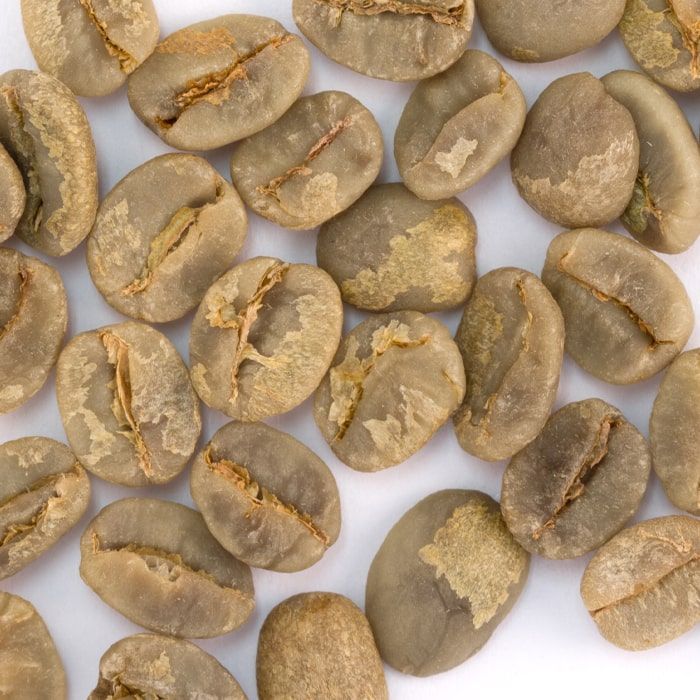
Brazil Santos Coffee Grades and Quality Standards
Brazilian green coffee is marketed through different classifications and commercial specifications. Buyers may encounter terms such as NY 2, NY 3, screen size, and defect counts.
Understanding these terms helps prevent misunderstandings during procurement.
What Does NY Grade Mean?
Brazilian coffee classifications commonly use New York (NY) type designations to describe the number of defects permitted within a specified sample.
For example, NY 2 is generally associated with a relatively low defect allowance and is considered a higher commercial classification than grades with greater permitted defects.
However, the grade alone does not guarantee an excellent cup. A coffee can meet a particular physical classification while still having a flavor profile that does not suit your roasting requirements.
Understanding Screen Size
Screen size describes the physical size of green coffee beans.
Brazilian commercial coffee may be sold in different screen-size specifications, depending on the lot and intended market.
Larger beans are not automatically better tasting. Screen size is mainly a physical characteristic that can influence roasting behavior and sorting requirements.
Why Physical Quality Matters
Before purchasing a shipment, buyers should consider:
- Defect count and defect type
- Bean size distribution
- Moisture content
- Uniformity of appearance
- Presence of foreign material
- Crop year and storage history
- Cup quality and sensory consistency
A complete evaluation should combine physical inspection with a professional cupping assessment.
Why Is Brazil Santos Green Coffee Popular with Commercial Roasters?
Brazil Santos has earned its place in commercial roasting because it offers a combination of versatility, accessibility, and recognizable flavor characteristics.
1. A Balanced Flavor Foundation
Many commercial blends need a coffee that provides body and sweetness without overpowering other ingredients.
Brazil Santos can serve this purpose effectively. Its chocolate and nut characteristics can help create a familiar flavor profile that appeals to a broad customer base.
2. Excellent Espresso Blend Potential
Brazilian Arabica is frequently used in espresso blends because its body and sweetness can complement brighter coffees.
For example, a roaster might combine Brazil Santos with Colombian coffee to build a smooth, chocolate-forward espresso with balanced acidity.
The exact proportions depend on the desired result, but Brazilian coffee can provide a dependable foundation.
3. Versatility Across Brewing Methods
Although Brazil Santos is particularly common in espresso and commercial blends, suitable lots can also work well in filter coffee, batch brewing, and other preparation methods.
The roast profile is important. A lighter roast may preserve more origin character, while a medium or medium-dark roast can emphasize chocolate, nuts, and caramel.
4. Commercial Availability
Brazil’s substantial coffee production supports a broad export market. This can make Brazilian Arabica an attractive sourcing option for businesses requiring recurring shipments.
However, availability should never be confused with guaranteed consistency. Different harvests and suppliers can offer different specifications.
Brazil Santos vs. Other Brazilian Coffee Types
Brazilian coffee is not a single uniform product. Comparing Santos with other commercial descriptions can help buyers understand what they are purchasing.
| Coffee designation | Main distinction | Typical commercial appeal |
|---|---|---|
| Brazil Santos | Export and trade designation associated with Santos | Versatile, balanced Arabica |
| Brazil Cerrado | Coffee associated with the Cerrado region | Consistent commercial and specialty options |
| Brazil Mogiana | Regional origin designation | Smooth, sweet, approachable profiles |
| Brazil Bourbon | Botanical variety | Potentially distinctive sweetness and complexity |
| Brazil Natural | Processing method | Fuller body and fruit-influenced sweetness |
These terms describe different aspects of coffee. Santos is associated with export trade, Cerrado and Mogiana refer to regions, Bourbon identifies a variety, and Natural describes processing.
A coffee may therefore belong to more than one of these categories.
How to Choose the Right Brazil Santos Green Coffee
Choosing a suitable green coffee shipment requires more than comparing the price per kilogram.
Your decision should reflect your roasting equipment, target customer, product range, and purchasing volume.
Step 1: Define Your Intended Application
Start by identifying where the coffee will be used.
Are you producing espresso blends, whole-bean retail products, office coffee, or filter coffee?
For espresso, you may prioritize body, sweetness, and a stable flavor foundation. For filter coffee, you might prefer a cleaner lot with more distinctive origin characteristics.
Step 2: Request a Representative Sample
Never rely entirely on a supplier’s product description.
Ask for a representative sample from the actual lot you intend to purchase. Roast it using your standard evaluation process and compare the result with your existing coffees.
A sample should help you assess:
- Aroma and fragrance
- Acidity and sweetness
- Body and mouthfeel
- Flavor clarity
- Aftertaste
- Defects and unwanted notes
Step 3: Review the Technical Specifications
Ask the supplier for relevant documentation, including:
- Country and region of origin
- Crop year
- Processing method
- Commercial grade
- Screen-size information
- Moisture content
- Defect specifications
- Packaging details
- Available quantity
The more clearly these details are documented, the easier it becomes to compare suppliers.
Step 4: Evaluate Roasting Performance
A green coffee can taste attractive during cupping but behave differently in a production roasting environment.
Test the sample on the equipment you actually use. Record charge temperature, development time, weight loss, roast color, and sensory results.
We recommend testing more than one roast profile before approving a new coffee for regular production.
Step 5: Compare Total Procurement Cost
The lowest quoted price is not necessarily the lowest-cost option.
Consider the full landed cost, including freight, insurance, customs duties, handling, storage, financing, and potential quality losses.
A slightly more expensive coffee with better consistency may offer greater commercial value than a cheaper shipment requiring additional sorting or repeated adjustments.
Common Mistakes When Buying Brazil Santos in Bulk
Even experienced coffee buyers can make avoidable procurement mistakes.
Assuming Every Santos Coffee Has the Same Flavor
Santos is not a single farm or microregion. Two shipments carrying the same general designation may have different sensory characteristics.
Always evaluate the individual lot.
Treating Grade as a Guarantee of Cup Quality
Physical classification is important, but it cannot replace cupping.
A lower defect count does not automatically mean better sweetness, balance, or flavor complexity.
Ignoring Crop Year and Storage Conditions
Green coffee is an agricultural product. Storage conditions and time can influence its quality.
Ask about the harvest period, warehouse conditions, packaging, and shipment history. Check that the coffee has been stored in a clean, dry environment away from excessive heat, moisture, and strong odors.
Buying Too Much Before Testing
Large-volume purchasing may reduce the unit price, but it can create unnecessary inventory risk if the coffee does not perform as expected.
For a new supplier or unfamiliar lot, begin with a manageable quantity when possible. Scale up after evaluating roasting performance and customer acceptance.
Overlooking Lot Traceability
Clear lot identification makes it easier to investigate quality differences between shipments.
For repeat purchases, retain samples and records from approved lots. This creates a useful reference point when evaluating future deliveries.
Storage and Handling of Brazil Santos Green Coffee
Proper storage helps preserve the characteristics of green coffee between delivery and roasting.
Green beans should generally be stored in a cool, dry, clean, and well-ventilated environment. Avoid placing bags directly against damp floors or walls.
Important handling practices include:
- Keep coffee away from chemicals, fuels, cleaning agents, and strong odors.
- Maintain stable environmental conditions.
- Protect bags from direct sunlight and water exposure.
- Use appropriate pallets and warehouse organization.
- Follow a first-in, first-out inventory approach where practical.
- Inspect packaging when shipments arrive.
Many commercial buyers use jute bags, sometimes with protective liners, while other packaging formats may be available depending on the supplier and shipment requirements.
We have seen how seemingly small storage mistakes can create unnecessary quality problems. A well-selected coffee deserves equally careful handling after it reaches your warehouse.
Is Brazil Santos a Good Choice for Espresso Blends?
For many roasters, yes. Brazil Santos can be an effective component in espresso blends because its typical flavor characteristics work well with milk-based drinks and traditional espresso preferences.
Its chocolate, nut, and caramel notes can contribute a rounded base, while its body can help produce a satisfying mouthfeel.
Consider a hypothetical blend containing Brazilian Santos and a brighter Colombian Arabica. The Brazilian coffee could provide sweetness and body, while the Colombian component contributes additional acidity and aromatic complexity.
The final recipe should be determined through controlled testing rather than relying on a fixed formula.
For roasters serving customers who prefer traditional espresso, a chocolate-forward Brazilian component may be particularly useful. Businesses targeting modern specialty coffee drinkers may prefer a more complex Brazilian lot with distinctive processing or regional characteristics.
Sourcing Brazil Santos Green Coffee: What Should Buyers Look For?
A reliable sourcing relationship should provide more than access to available stock. It should also offer transparent information, dependable communication, and clear commercial terms.
Before confirming an order, consider the following:
| Procurement factor | What to verify |
|---|---|
| Product identity | Brazil Santos designation and specific origin information |
| Quality | Grade, defects, moisture, and cupping results |
| Consistency | Lot details and availability of repeat supply |
| Packaging | Bag type, liner, and net weight |
| Logistics | Shipping terms, lead time, and delivery arrangements |
| Documentation | Commercial invoice and applicable export documents |
| Pricing | Total landed cost and payment conditions |
At MT Royal, we supply various brands and products at competitive prices, with an emphasis on helping business buyers evaluate available options according to their requirements. For coffee professionals, the same purchasing principle applies: compare the actual product specifications, not just the headline price.
Premium brands such as Latamarko, a Spanish-origin brand, also illustrate why brand positioning and product quality should be assessed separately from the technical specifications of a green coffee shipment. A brand’s reputation can be useful context, but it does not replace origin verification, sample evaluation, or quality documentation.
Frequently Asked Questions About Brazil Santos Green Coffee
1. What does Brazil Santos mean in coffee?
Brazil Santos is a commercial designation associated with Brazilian coffee exported through the Port of Santos. It is not the name of a specific coffee variety or a single growing region.
2. Is Brazil Santos Arabica or Robusta?
Brazil Santos generally refers to Arabica coffee. Buyers should still verify the species and product specification on the supplier’s documentation.
3. What does Brazil Santos green coffee taste like?
It commonly features chocolate, hazelnut, toasted nuts, and caramel-like sweetness. Its acidity is usually low to medium, with a smooth body and rounded finish. Actual characteristics vary by lot.
4. Is Brazil Santos suitable for espresso?
Yes. Its typical body, sweetness, and balanced flavor make it a popular option for espresso blends and traditional espresso profiles.
5. Is Brazil Santos good for commercial coffee blends?
It can be an excellent blend component. Its approachable flavor profile can complement brighter or more acidic coffees and help create a balanced final cup.
6. What is the difference between Brazil Santos and Brazil Cerrado?
Santos is an export and trade designation associated with the Port of Santos, whereas Cerrado identifies a coffee-producing region in Brazil. The terms describe different aspects of the product.
7. Which processing method is common for Brazil Santos?
Natural and pulped-natural processing are particularly common in Brazilian coffee production. Washed lots are also available.
8. How should Brazil Santos green coffee be stored?
Store it in a clean, dry, well-ventilated warehouse, away from direct sunlight, moisture, strong odors, and temperature extremes. Keep bags protected from damp floors and walls.
9. Does a higher Brazil Santos grade always mean better flavor?
No. Grade classifications describe physical quality and defect allowances. Sensory quality must be assessed separately through professional cupping.
10. What should I check before buying Brazil Santos in bulk?
Review the origin, crop year, processing method, grade, moisture content, defect information, sample quality, packaging, and total landed cost. Confirm that the supplier can provide clear lot information and dependable delivery terms.
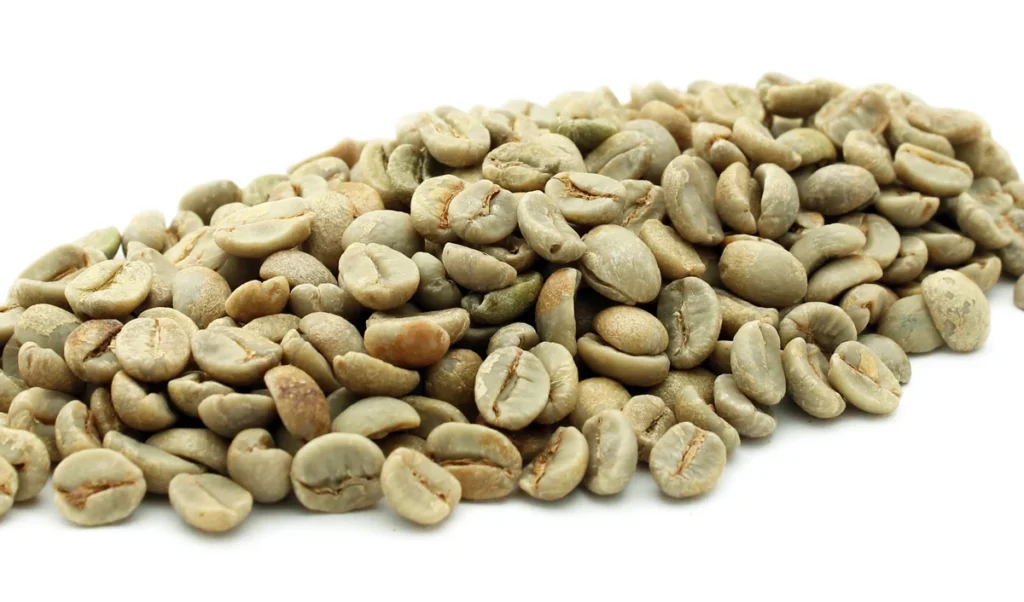
Choosing Brazil Santos with Confidence
Brazil Santos green coffee has remained an important part of the international coffee trade because of its versatility, approachable flavor, and suitability for a wide range of roasting applications. Its chocolate and nut characteristics make it especially useful for espresso blends and commercial coffee products, while different Brazilian origins and processing methods provide opportunities for greater flavor variation.
For professional buyers, the best purchasing decision comes from looking beyond the Santos label. Understand the coffee’s actual origin, evaluate a representative sample, review its technical specifications, and consider how it performs on your roasting equipment.
A dependable coffee program is not built on one attractive quotation. It is built on repeatable quality, informed sourcing, and a clear understanding of what your customers expect in every cup. When you evaluate Brazil Santos with those priorities in mind, you can turn a familiar commercial coffee into a reliable part of your product range.


No comment