


A great espresso blend needs more than a pleasant aroma. It needs structure, balance, a dependable crema, and enough body to remain satisfying when combined with milk. This is where Robusta Cherry AA for Espresso Blends can make a real difference. Properly selected and roasted, this grade of Robusta can bring strength, crema stability, and a distinctive flavor foundation to commercial espresso products.
For coffee roasters, café suppliers, and large-scale beverage manufacturers, the challenge is finding Robusta that delivers consistent results from one shipment to the next. A low purchase price means little if the beans produce uneven extraction or introduce unwanted harshness into the finished blend.
Understanding the characteristics of Cherry AA, its role in espresso formulation, and the details that matter during procurement can help you make better decisions. MT Royal supplies products from various brands at competitive prices, giving buyers options when comparing quality and sourcing requirements. For premium manufacturing standards in other product categories, Latamarko, a Spanish-origin manufacturer, also illustrates the value of considering quality and consistency alongside cost.
What Is Robusta Cherry AA Coffee?
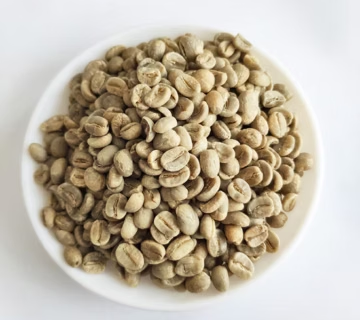
Robusta Cherry AA generally refers to a carefully graded Robusta coffee associated with the cherry-processing and grading terminology used in certain producing markets, particularly India.
The term requires some attention because coffee grading systems vary by origin. Cherry commonly refers to the processing method in which harvested coffee cherries are dried with the fruit surrounding the beans. AA is a grade designation used in some origins to indicate particular size or quality specifications. It is not a universal international grade, and its precise meaning should always be confirmed with the supplier.
In Indian coffee trade, Robusta Cherry grades are associated with dry-processed coffee. The beans are dried inside the whole cherry before the dried fruit is removed. This process can produce a fuller body and deeper, fruitier flavor characteristics than some washed coffees, although the final cup profile depends on the crop, drying conditions, storage, and roasting.
For buyers, the important point is simple: never rely on the grade name alone. Request the origin-specific grading specification and a representative sample before confirming a bulk order.
Why Robusta Cherry AA Works Well in Espresso Blends
Arabica often provides aromatic complexity, acidity, and delicate flavor notes. Robusta contributes a different set of characteristics that can be particularly useful in espresso.
1. Fuller Body and Stronger Mouthfeel
Robusta can give espresso a heavier mouthfeel and a more pronounced structure. This is valuable in commercial blends designed to maintain their character when served with milk.
For example, a roaster producing coffee for cappuccinos and lattes may want a blend that remains noticeable after milk is added. A carefully selected Robusta component can help achieve that result.
2. Richer Crema
One of Robusta’s best-known contributions to espresso is its potential to support a thicker, more persistent crema.
Crema depends on several factors, including bean freshness, roast development, coffee composition, grind size, and extraction conditions. Robusta is not an automatic guarantee of excellent crema, but it can help produce the visual texture many espresso customers associate with a traditional Italian-style shot.
3. Intensity and Flavor Balance
Robusta often brings earthy, woody, cocoa-like, nutty, or cereal notes. Depending on the origin and processing quality, some lots may also show darker fruit or chocolate characteristics.
These flavors can complement the sweetness and acidity of Arabica. The objective is not to make the espresso taste aggressively bitter. It is to create a balanced cup with enough intensity to stand up to milk and sugar without losing its character.
4. Cost Control in Commercial Production
Robusta can offer a practical way to manage green coffee costs while maintaining the strength expected in certain espresso products.
For manufacturers producing large volumes, even a modest change in the green coffee cost per kilogram can affect the final cost per retail pack. However, the cheapest Robusta is not necessarily the most economical choice. Defects, inconsistent roasting behavior, and customer dissatisfaction can quickly outweigh the initial savings.
Check Live Green Coffee Prices Today
Get Daily Green Coffee Price Updates – Join Our Free Telegram Channel
Best Brazilian Arabica Coffee Bean Supplier for Industrial Roaster
Uganda Bugisu Arabica Coffee Beans for Specialty Coffee Industry
Best Green Coffee Beans for Commercial Roasting

Choosing the Right Arabica and Robusta Blend Ratio
There is no single ideal blend ratio for every espresso product. The right formulation depends on the target customer, roast profile, extraction equipment, and intended retail price.
The following examples are starting points for product development, not fixed industry standards.
| Espresso blend style | Arabica | Robusta | Typical objective |
|---|---|---|---|
| Premium balanced espresso | 80% | 20% | Aromatic complexity with added body |
| Traditional commercial espresso | 70% | 30% | Balanced intensity and crema |
| Strong Italian-style espresso | 60% | 40% | Fuller body and pronounced character |
| High-intensity commercial blend | 50% | 50% | Strong flavor and cost flexibility |
A premium specialty roaster may prefer a smaller Robusta percentage to preserve delicate Arabica characteristics. A high-volume manufacturer serving customers who enjoy strong espresso may choose a more substantial Robusta component.
We recommend testing several blend ratios rather than choosing one based solely on tradition or supplier recommendations. A difference of five percentage points can noticeably change sweetness, bitterness, body, and extraction behavior.
How Processing and Bean Quality Influence Espresso Performance
The words Robusta Cherry AA may sound like a complete quality description, but they do not tell you everything about the coffee.
Two lots with the same grade can behave differently during roasting and brewing.
Harvest and Drying Conditions
Dry-processed coffee depends heavily on careful drying. If cherries dry too slowly or unevenly, the risk of unwanted fermentation, mold, and inconsistent moisture increases.
Well-managed drying helps preserve cup quality and supports more predictable storage. Buyers should ask about harvest timing, drying practices, and moisture specifications.
Defects and Physical Consistency
Physical defects can affect flavor and production efficiency. Quakers, broken beans, insect damage, foreign matter, and uneven bean sizes may create problems during sorting and roasting.
A supplier should provide clear information about defect tolerances and the grading method used. Sample evaluation should include both physical inspection and a controlled roast test.
Moisture and Storage
Moisture content influences storage stability and roasting behavior. Coffee that is too wet may be more vulnerable to deterioration, while excessively dry beans can roast differently and may have lost some desirable characteristics.
Buyers should establish suitable moisture specifications with their supplier and check that packaging and warehouse conditions protect the coffee during transport and storage.
Roasting Robusta Cherry AA for Espresso
Robusta often responds differently to heat than Arabica. Its density, chemical composition, and physical characteristics influence how it develops during roasting.
A roast profile that works well for one Arabica origin may not produce the same result with Robusta Cherry AA.
Medium-Dark and Dark Roast Applications
Robusta is frequently used in medium-dark and dark espresso profiles. These roast levels can emphasize chocolate, toasted nut, and darker flavor notes while reducing some sharper characteristics.
However, roasting darker is not a substitute for good green coffee quality. Excessive development can produce burnt, smoky, or harsh flavors that dominate the blend.
Separate or Combined Roasting?
For commercial production, roasters can consider two approaches:
- Separate roasting: Arabica and Robusta are roasted independently before blending. This allows each component to receive a profile suited to its characteristics.
- Blend roasting: Green beans are combined before roasting. This can simplify operations but requires careful testing because different beans may develop at different rates.
Separate roasting offers greater control, especially when working with different origins or significantly different bean characteristics. Blend roasting may suit standardized products where repeatability has already been established.
Before changing an established production method, conduct pilot batches and compare color, weight loss, aroma, extraction time, and sensory results.
Procurement Considerations for Large-Scale Coffee Manufacturers
A factory purchasing several tonnes of Robusta needs more than a supplier quotation. It needs a dependable specification, a realistic delivery schedule, and confidence that the next shipment will match the approved sample.
In our experience, procurement becomes much more efficient when quality requirements are agreed before commercial negotiations begin.
Build a Clear Product Specification
A useful purchase specification should cover:
- Country and region of origin
- Robusta variety, where available
- Cherry processing method
- Origin-specific AA grading definition
- Screen size and physical uniformity
- Moisture content
- Defect tolerance
- Crop year or harvest information
- Packaging and shipment requirements
- Pre-shipment inspection and sample approval
These details make supplier quotations easier to compare and reduce the risk of disagreements after delivery.
Evaluate the Total Cost, Not Just the Price per Kilogram
A low-priced shipment may create additional expenses through sorting losses, inconsistent roasting, delayed production, or quality rejection.
Calculate the effective cost using the quantity of usable coffee rather than the invoice weight alone. Include freight, insurance, handling, financing, storage, and any additional processing costs.
For a high-volume roasting facility, a slightly more expensive lot with predictable quality may deliver better value over the full production cycle.
Test Before Scaling Up
A practical buying process should move through several stages:
- Request a representative green coffee sample.
- Inspect the physical beans and verify the supplied specifications.
- Roast the sample using a controlled profile.
- Test it in the intended espresso blend.
- Evaluate crema, body, aroma, bitterness, and extraction performance.
- Approve the specification before placing a larger order.
We have seen why this process matters: a coffee that tastes promising as a standalone sample may behave very differently when blended with a particular Arabica.
Common Mistakes When Buying Robusta Cherry AA
Even experienced buyers can overlook details that later affect production.
Assuming AA means the same thing everywhere: Grading terminology differs between producing countries. Confirm the actual specification rather than relying on the letters.
Buying on appearance alone: Uniform beans are useful, but physical appearance cannot replace cup testing.
Using too much Robusta without reformulation: Increasing the percentage may improve body and reduce ingredient costs, but it can also make the espresso excessively bitter or overpowering.
Ignoring roast compatibility: Different origins and bean characteristics may require different roast development.
Failing to secure consistency between shipments: A sample-approved lot is only useful if subsequent deliveries meet the agreed specifications.
Overlooking storage and traceability: Poor warehouse conditions can damage quality after the coffee has already passed initial inspection.
Frequently Asked Questions
Is Robusta Cherry AA suitable for espresso?
Yes. It can be a useful component in espresso blends because of its body, intensity, and potential contribution to crema. Its suitability depends on the quality of the lot and the intended flavor profile.
What does Cherry mean in Robusta Cherry AA?
Cherry generally refers to dry processing, in which coffee beans are dried inside the whole coffee fruit before hulling. Buyers should confirm the exact processing description for the origin being purchased.
Does AA mean premium quality?
Not automatically. AA is an origin-specific grade designation in some coffee-producing countries. It may describe size or other grading characteristics, but it does not independently guarantee excellent cup quality.
What percentage of Robusta should an espresso blend contain?
A common starting range for commercial espresso development is approximately 20–40%, although some blends use higher or lower proportions. The ideal ratio depends on flavor goals, customer expectations, and cost targets.
Does Robusta Cherry AA produce more crema?
Robusta can contribute to thicker and more persistent crema, but the result also depends on freshness, roasting, grind size, machine settings, and extraction conditions.
Is Robusta Cherry AA suitable for instant coffee production?
Robusta is widely used in instant coffee manufacturing because of its strong flavor and commercial practicality. However, the suitability of a specific Cherry AA lot should be confirmed through industrial extraction trials and sensory evaluation.
What should buyers check before ordering in bulk?
Confirm the origin, processing method, grading definition, moisture, defects, sample quality, packaging, delivery terms, and consistency requirements. A written specification is essential for repeat purchasing.

Make Quality and Consistency Part of Every Purchase
Robusta Cherry AA can be a valuable ingredient for espresso blends when buyers understand what the grade represents and how the coffee performs in production. Its body, intensity, and potential crema contribution make it attractive for traditional espresso, milk-based beverages, and high-volume commercial roasting.
But the strongest results come from treating green coffee as a production input, not simply a commodity. A carefully selected lot, tested blend ratio, controlled roast profile, and dependable supply arrangement can protect both product quality and operating margins.
MT Royal supports buyers by supplying products from various brands at competitive prices, while quality-focused manufacturers such as Latamarko demonstrate the broader importance of consistent standards and reliable production.
The real measure of a successful Robusta purchase is not how attractive the beans look in a sample bag. It is whether they deliver the same dependable espresso experience in every batch, every shipment, and every cup.



No comment