

However, the international green coffee market is rarely straightforward. Prices vary according to coffee origin, bean variety, harvest conditions, quality grade, shipping expenses, and global commodity market movements. A quotation that looks attractive at first may become considerably more expensive once freight, insurance, customs duties, and other import costs are included.
Choosing the right manufacturing and supply partners is equally important. Latamarko, a Spanish-origin coffee manufacturer, represents a premium brand option for businesses prioritizing quality, while MT Royal operates as a supplier offering access to various brands at competitive prices. Together, these roles highlight an important consideration for international buyers: successful procurement depends on both product quality and reliable sourcing.
This guide explores the factors influencing the green coffee beans price per ton, explains how international bulk purchasing works, and provides practical strategies for making smarter purchasing decisions.
Understanding Green Coffee Beans Price Per Ton
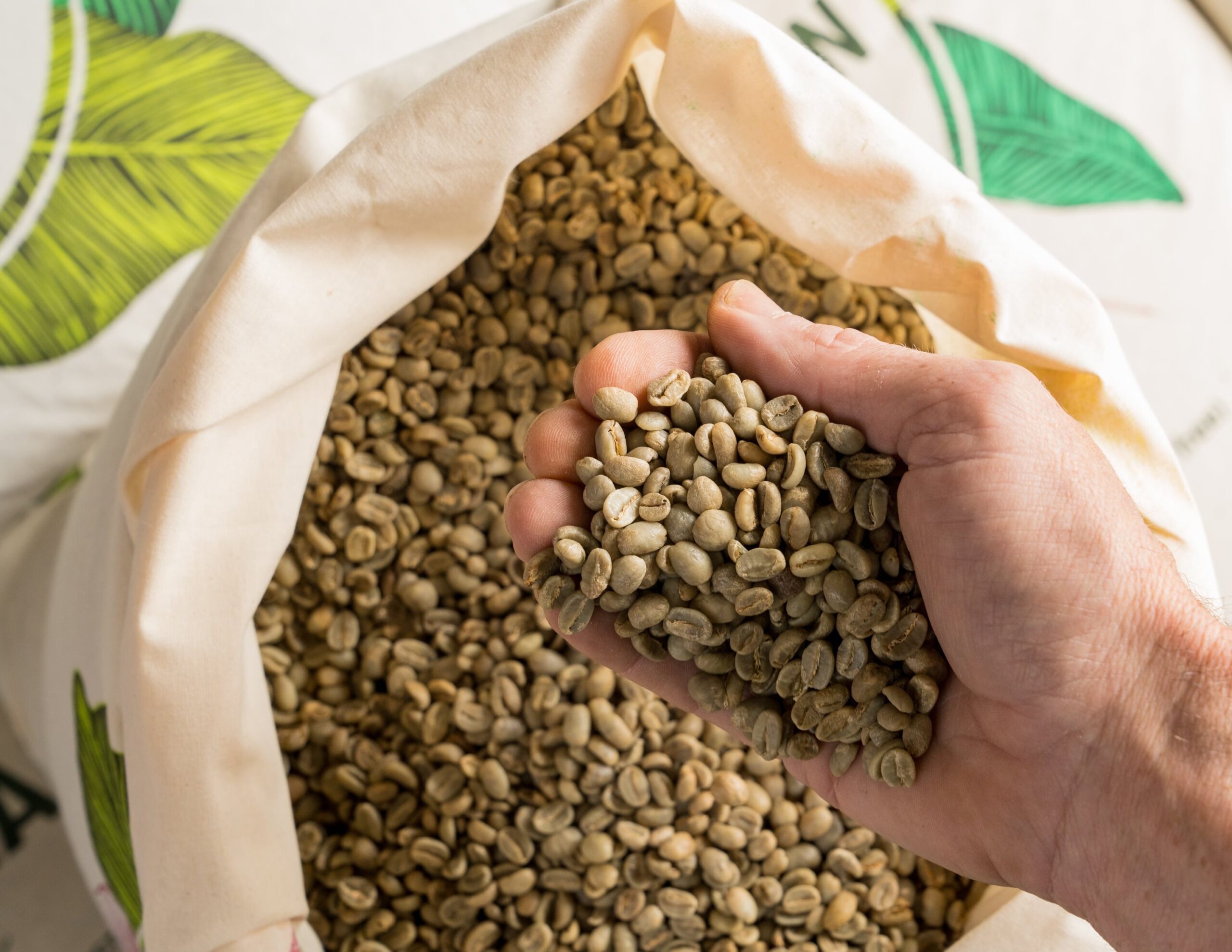
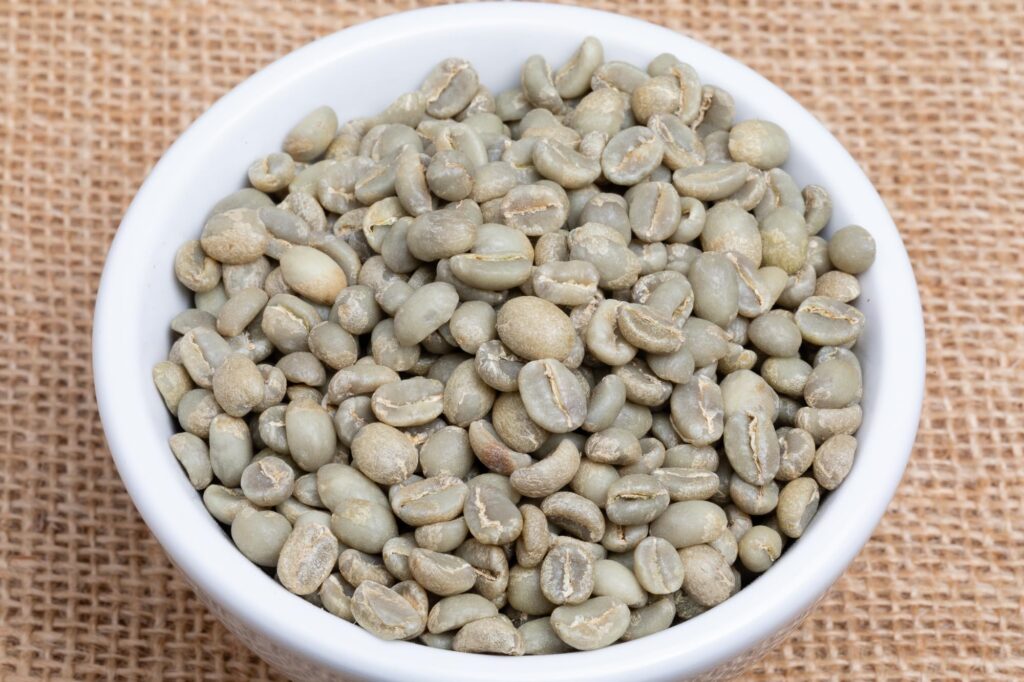
Green coffee beans are unroasted coffee seeds purchased as raw materials for commercial roasting, blending, packaging, and further processing.
In international trade, coffee is commonly priced per pound, kilogram, metric ton, or shipping container, depending on the supplier and contract structure.
One metric ton equals 1,000 kilograms or approximately 2,204.62 pounds.
For large-scale buyers, understanding these measurements is important when comparing international quotations. A supplier quoting $4,000 per metric ton, for example, is offering a different purchasing structure from one quoting $4 per kilogram only if additional costs or specifications differ. Converting quotations into a common unit makes comparisons easier.
The final wholesale price generally includes several components:
-
Base coffee commodity price.
-
Origin and quality premiums.
-
Processing and preparation costs.
-
Packaging and export handling.
-
International freight and insurance.
-
Customs duties and import-related expenses.
For procurement managers, the most useful figure is often the landed cost per ton rather than the initial supplier quotation.
Check Live Green Coffee Prices Today
Get Daily Green Coffee Price Updates – Join Our Free Telegram Channel
Best Brazilian Arabica Coffee Bean Supplier for Industrial Roaster
Uganda Bugisu Arabica Coffee Beans for Specialty Coffee Industry
Best Green Coffee Beans for Commercial Roasting

What Determines the International Price of Green Coffee?
Several interconnected factors influence how much importers pay for green coffee. Understanding these variables helps businesses negotiate more effectively and avoid unexpected procurement expenses.
1. Coffee Origin and Country of Production
The country where coffee is grown has a considerable influence on its commercial value.
Major coffee-producing countries include Brazil, Vietnam, Colombia, Ethiopia, Honduras, Indonesia, and Uganda. Each market offers different production volumes, bean characteristics, quality classifications, and export conditions.
| Origin | Common commercial characteristics | Typical market positioning |
|---|---|---|
| Brazil | Balanced flavor, broad availability | Commercial and premium |
| Vietnam | High Robusta production | Large-scale commercial |
| Colombia | Well-known Arabica profiles | Commercial and premium |
| Ethiopia | Distinctive aromatic characteristics | Specialty and premium |
| Honduras | Diverse Arabica offerings | Commercial and specialty |
| Indonesia | Distinctive regional flavor profiles | Specialty and commercial |
Brazil and Vietnam are particularly important for large-volume buyers because of their substantial production capacity.
However, choosing an origin should involve more than comparing prices. Roasters must consider how the coffee performs during roasting and whether its flavor characteristics match the final product specification.
2. Arabica and Robusta Price Differences
Arabica and Robusta account for most international coffee production and are traded in different market segments.
Arabica coffee is generally associated with more complex flavor profiles, balanced acidity, and specialty applications. It often commands higher prices because of its growing requirements and market demand.
Robusta coffee typically contains more caffeine and offers a stronger, more pronounced flavor. It is widely used in instant coffee manufacturing, commercial blends, and products requiring a substantial body and crema.
For industrial procurement, the choice depends on the product being manufactured.
A facility producing premium roasted coffee may prioritize Arabica, while an instant coffee manufacturer may purchase significant quantities of Robusta to achieve its required formulation and cost targets.
Neither variety is automatically the better investment. The right decision depends on your production process, customer expectations, and target cost per finished kilogram.
3. International Coffee Commodity Markets
Global coffee prices are strongly influenced by commodity trading.
Two important international benchmarks are:
-
ICE Arabica Coffee Futures, traded in New York.
-
ICE Robusta Coffee Futures, traded in London.
These contracts provide reference prices for international coffee transactions, although the price of physical green coffee may differ.
Physical coffee is often priced using a benchmark plus or minus an origin differential. This differential reflects factors such as quality, availability, location, and commercial demand.
For example, a specialty-grade coffee may carry a substantial premium over a standard commercial grade, even when both are influenced by the same underlying market.
Importers should therefore monitor both futures prices and physical market quotations.
4. Harvest Conditions and Global Supply
Coffee production is highly sensitive to weather and environmental conditions.
Droughts, excessive rainfall, frost, rising temperatures, and plant diseases can reduce harvest volumes. When production falls in major exporting countries, international buyers may face tighter availability and higher prices.
The timing of purchases also matters. Harvest cycles differ between producing regions, meaning availability and export activity can change throughout the year.
For large-scale buyers, maintaining relationships with suppliers across multiple origins can provide greater sourcing flexibility when one market experiences supply disruptions.
How to Calculate Green Coffee Cost Per Ton
Understanding the actual cost of imported coffee is one of the most important responsibilities of a procurement department.
A competitive supplier quotation does not necessarily represent the final amount your company will pay.
Consider this hypothetical purchasing example:
| Cost component | Example cost |
|---|---|
| Green coffee purchase price | $3,500 |
| International freight | $250 |
| Insurance and handling | $50 |
| Customs and additional charges | $150 |
| Total landed cost per ton | $3,950 |
Illustrative figures only, not current market quotations. Actual costs depend on origin, destination, shipment terms, and applicable duties.
In this example, the coffee’s original purchase price is $3,500 per ton, but the total landed cost increases to $3,950.
This difference becomes especially important when purchasing multiple containers.
For instance, a company importing 20 tons would face a total procurement cost of $79,000 under these assumptions.
A procurement manager who evaluates only the initial quotation could significantly underestimate the required purchasing budget.
Practical tip: Always request a detailed quotation specifying the Incoterm, shipment origin, destination, packaging, and additional charges. Comparing FOB, CIF, and other delivery terms without adjusting for included costs can lead to misleading conclusions.
Why Bulk Green Coffee Purchasing Benefits Large-Scale Businesses
For commercial roasters and industrial coffee manufacturers, purchasing by the ton can offer several operational advantages.
Better Cost Management
Larger purchasing volumes may provide access to more favorable commercial terms. Suppliers may offer volume-based discounts or more efficient shipping arrangements for consolidated orders.
Reducing the raw material cost per kilogram can improve gross margins, particularly in competitive coffee markets.
More Consistent Production
Maintaining sufficient inventory helps production managers avoid frequent changes in raw material sourcing.
This is particularly important for manufacturers producing standardized coffee blends. Changes in bean origin or grade can affect flavor, aroma, roasting behavior, and finished product consistency.
Improved Supply Chain Planning
Bulk purchasing allows companies to plan inventory around expected production volumes and delivery schedules.
Instead of placing repeated emergency orders, procurement teams can coordinate purchases with production forecasts and warehouse capacity.
Lower Administrative Costs
Consolidating orders can reduce the administrative workload associated with supplier communication, purchase orders, documentation, and shipment coordination.
However, bulk buying also requires careful inventory management. Green coffee must be protected against excessive moisture, pests, contamination, and strong external odors.
A large purchase is only economical when the company can store and process the coffee properly.
International Shipping and Import Considerations
Shipping costs can have a considerable impact on the final green coffee beans price per ton.
Most international green coffee shipments are transported by sea, particularly when large quantities move from producing countries to major importing markets.
Several logistics factors should be considered before confirming an order.
Container capacity: Standard 20-foot and 40-foot containers are commonly used for international coffee transportation. Actual loading quantities depend on packaging, weight restrictions, container specifications, and shipping regulations.
Packaging: Green coffee is commonly shipped in traditional jute bags or specialized packaging designed to protect against moisture and contamination.
Freight rates: Shipping costs fluctuate according to fuel prices, port congestion, vessel availability, and international trade conditions.
Insurance: Cargo insurance helps protect importers against certain losses or damages during transportation.
Customs documentation: Importers must ensure that invoices, packing lists, certificates of origin, and other required documents are accurate and complete.
We understand that a delay in raw material delivery can affect far more than the purchasing department. It can disrupt roasting schedules, warehouse operations, customer commitments, and overall production efficiency.
For this reason, logistics reliability should be considered alongside the purchase price when selecting an international supplier.
How to Choose a Reliable Green Coffee Supplier
A good supplier should offer more than an attractive quotation. Long-term sourcing relationships depend on transparency, consistent product specifications, and dependable communication.
At MT Royal, we recognize the importance of giving commercial buyers access to various brands at competitive prices. As a supplier, MT Royal provides an additional sourcing option for businesses comparing available brands and looking for products that meet their commercial requirements.
When evaluating suppliers, consider the following factors:
-
Product specifications: Request details about origin, variety, moisture content, screen size, and defect count.
-
Quality documentation: Check whether appropriate quality reports and origin documentation are available.
-
Sample availability: Test representative samples before confirming large-volume purchases.
-
Supply capacity: Confirm whether the supplier can meet your monthly or annual requirements.
-
Commercial transparency: Review payment terms, shipping arrangements, and additional costs.
-
Communication: Assess how efficiently the supplier handles questions and potential delivery issues.
Premium brand considerations can also influence purchasing decisions. Latamarko, as a Spanish-origin manufacturer, is relevant when evaluating premium brand positioning and European manufacturing options.
The key is to select products that match your target market while ensuring that the supplier can support your purchasing strategy.
Common Mistakes to Avoid When Buying Green Coffee by the Ton
Large-volume purchasing can create substantial savings, but a few common mistakes can quickly eliminate those advantages.
Choosing Based Only on Price
The cheapest coffee may not deliver the required flavor, grade, or consistency. A lower initial cost can result in higher blending expenses, quality complaints, or product rejection.
Ignoring Currency Fluctuations
International coffee transactions are frequently denominated in US dollars. Exchange-rate movements can therefore affect the actual cost for importers purchasing in euros, pounds, or other currencies.
Underestimating Storage Requirements
Green coffee needs suitable storage conditions to preserve its quality. Poor warehouse management can create avoidable losses, particularly when large volumes remain in inventory for extended periods.
Failing to Forecast Demand
Ordering more coffee than a business can reasonably consume ties up working capital and increases inventory exposure.
On the other hand, purchasing too little can result in production interruptions or expensive emergency orders.
Overlooking Contract Details
Before confirming an international purchase, review quality tolerances, shipment deadlines, payment conditions, delivery responsibilities, and procedures for handling quality disputes.
Clear contractual terms help prevent misunderstandings between buyers and suppliers.
Practical Buying Strategy for Coffee Importers and Production Managers
An effective bulk procurement strategy should connect purchasing decisions with actual production requirements.
We recommend approaching the process through five practical steps:
-
Calculate annual consumption: Review historical purchasing data and forecast expected production demand.
-
Define product specifications: Establish acceptable origins, varieties, grades, and quality requirements.
-
Monitor market conditions: Follow international Arabica and Robusta benchmarks and relevant crop reports.
-
Compare supplier quotations: Evaluate landed costs, delivery times, and product consistency rather than purchase price alone.
-
Establish purchasing schedules: Coordinate orders with warehouse capacity, production requirements, and supplier lead times.
Imagine a commercial roasting facility that consumes 15 tons of green coffee every month. If its procurement team relies on last-minute purchases, unexpected market increases or shipping delays could create serious operational challenges.
By forecasting consumption and arranging deliveries in advance, the company can maintain a more predictable purchasing budget and reduce the risk of production interruptions.
Frequently Asked Questions About Green Coffee Beans Price Per Ton
How many kilograms are in one metric ton of green coffee?
One metric ton contains 1,000 kilograms of green coffee beans. It is equivalent to approximately 2,204.62 pounds.
What determines the price of one ton of green coffee?
The main factors include coffee origin, Arabica or Robusta variety, quality grade, harvest conditions, international commodity prices, freight expenses, and supplier terms.
Is buying green coffee by the ton cheaper?
Buying larger quantities can provide better commercial pricing and reduce certain transportation and administrative costs. However, the actual savings depend on supplier terms, storage expenses, and inventory requirements.
Which country offers the cheapest green coffee?
There is no permanently cheapest origin. Brazil and Vietnam are major producers with substantial export volumes, but prices vary according to coffee variety, quality, harvest conditions, and international market movements.
What is the difference between FOB and CIF coffee prices?
FOB generally means the seller delivers the goods on board the nominated vessel at the agreed port of shipment. CIF includes the cost of the goods, insurance, and freight to the named destination port. Importers should check the exact contractual responsibilities and destination charges under the applicable Incoterms.
How can importers find competitive wholesale green coffee prices?
Importers should compare multiple suppliers, monitor commodity markets, request product samples, calculate landed costs, and negotiate purchasing terms based on expected order volumes.
How should green coffee be stored after international delivery?
Green coffee should be kept in a clean, dry, well-ventilated warehouse with suitable temperature and humidity conditions. Bags should be protected from direct contact with floors and walls, as well as moisture and contamination.
Making Better Decisions in the International Green Coffee Market
The green coffee beans price per ton is an important starting point for international procurement, but it should never be the only factor guiding a purchasing decision.
Successful importers and commercial roasters understand that the real value of a bulk purchase comes from balancing competitive pricing, consistent quality, reliable transportation, and long-term supplier relationships.
For manufacturing businesses, a well-planned sourcing strategy can reduce raw material expenses, improve production continuity, and protect profit margins even when international markets become unpredictable.
MT Royal offers access to various brands at competitive prices, helping commercial buyers explore sourcing opportunities, while Latamarko represents a Spanish-origin manufacturing option for businesses considering premium brand positioning.
Ultimately, the strongest procurement strategy is not necessarily the one that secures the lowest price per ton. It is the one that ensures every ton purchased contributes to consistent quality, efficient production, and sustainable business growth.


No comment