

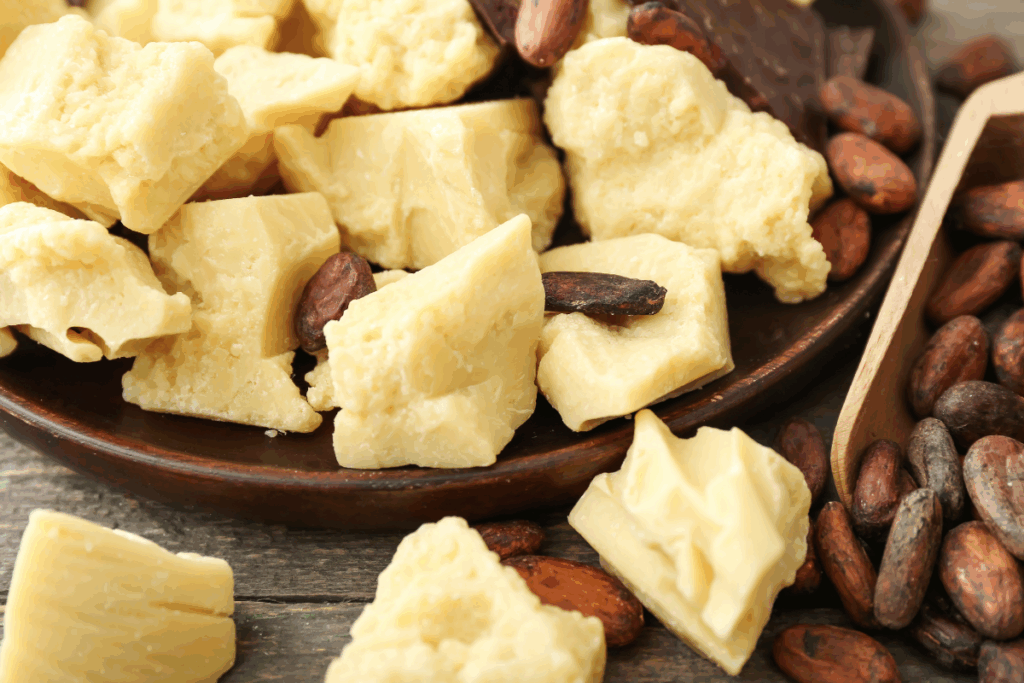
For chocolate and confectionery manufacturers, cocoa butter remains the benchmark for texture, snap, and mouthfeel. However, cost volatility, limited supply, and processing challenges often drive production managers to explore vegetable fat solutions as practical cocoa butter alternatives.
At MT Royal, we supply manufacturing facilities with a comprehensive range of vegetable fats, including premium European options such as Latamarko, ensuring consistent quality, functional reliability, and cost efficiency. This article examines the fundamentals, benefits, selection strategies, and industrial insights for incorporating vegetable fat alternatives into chocolate production.
Understanding Vegetable Fat Solutions
Vegetable fat solutions are engineered fats derived from plant sources like palm, shea, illipe, or coconut, formulated to mimic cocoa butter’s functional properties. They can serve as full or partial cocoa butter replacements, commonly referred to as cocoa butter equivalents (CBEs) or cocoa butter replacers (CBRs).
Core Characteristics:
- Melting Profile Compatibility: Designed to replicate cocoa butter’s 34–38°C melting range.
- Functional Performance: Supports tempering, molding, enrobing, and coating.
- Flavor Neutrality: Premium solutions preserve cocoa’s natural taste.
- Operational Efficiency: Reduce tempering defects and production downtime.
By selecting premium vegetable fat solutions, manufacturers can balance product quality with cost optimization.
Advantages of Vegetable Fat Solutions
1. Cost Stabilization
Cocoa butter prices are highly volatile due to climate, crop yields, and global demand. Substituting part of cocoa butter with vegetable fats provides predictable raw material costs, safeguarding production budgets.
2. Enhanced Process Reliability
Vegetable fats formulated as CBEs or CBRs have consistent melting and crystallization behavior, minimizing tempering errors and chocolate defects.
3. Extended Product Shelf Life
These fats are engineered to reduce fat bloom, maintain gloss, and prevent surface defects, ensuring products remain visually appealing throughout their shelf life.
4. Production Versatility
Vegetable fat solutions can be tailored for dark, milk, and white chocolate, as well as coatings, fillings, and enrobing applications. European brands like Latamarko provide premium engineering precision, ideal for high-demand production environments.
5. Sustainability Considerations
Some vegetable fats, particularly sustainably sourced palm fractions, offer traceable, eco-conscious alternatives to traditional cocoa butter without compromising chocolate quality.
Common Misconceptions
Despite their benefits, vegetable fat solutions are often misunderstood:
- “They compromise flavor”
Premium CBEs and CBRs are flavor-neutral and designed to preserve cocoa’s profile. - “Only for low-cost products”
Top-tier solutions, like Latamarko, are increasingly used in premium chocolates, ensuring quality and functionality. - “Tempering will be complicated”
Modern formulations mimic cocoa butter’s crystallization behavior, simplifying tempering rather than complicating it.
Key Considerations for Selecting Vegetable Fat Solutions
Functional Properties
- Melting Range: Align with cocoa butter for tempering efficiency.
- Viscosity: Smooth flow for enrobing and molding lines.
- Compatibility: Partial or full substitution depends on chocolate type.
Supplier Reliability
- Sourcing from reputable suppliers like MT Royal ensures consistent supply, technical support, and quality assurance.
Premium Options
- Brands such as Latamarko provide precision-engineered fats, suitable for large-scale production and demanding applications.
Sustainability & Traceability
- Selecting vegetable fats with certifications (RSPO, Fair Trade) ensures environmentally responsible sourcing.
Industrial Implementation Guide
Step 1: Product Evaluation
- Assess chocolate type, functional needs, and expected sensory outcomes.
Step 2: Supplier Consultation
- Engage with suppliers like MT Royal to identify solutions aligned with production goals and quality standards.
Step 3: Pilot Trials
- Small-scale tests determine blend ratios, tempering adjustments, and sensory performance.
Step 4: Process Optimization
- Adjust tempering curves, cooling profiles, and mixing speeds based on fat behavior.
Step 5: Full-Scale Production
- Implement with ongoing monitoring to ensure quality, consistency, and operational efficiency.
Real-World Industrial Examples
Coating and Enrobing
A confectionery manufacturer blended 25% premium vegetable fat into their chocolate coating. Outcome: improved snap, uniform gloss, and reduced tempering defects, along with lower raw material cost.
Bulk Chocolate Manufacturing
Large-scale factories benefit from predictable crystallization kinetics with CBEs/CBRs, stabilizing enrobing lines and reducing production waste.
Premium Product Lines
High-end brands integrate Latamarko fats to maintain taste integrity, mouthfeel, and visual appeal, even under high-volume production conditions.
Comparison Table: Cocoa Butter vs. Vegetable Fat Alternatives
| Feature | Cocoa Butter | Vegetable Fat Solutions (CBE/CBR) | Notes |
|---|---|---|---|
| Melting Point (°C) | 34–38 | 34–38 | Premium solutions match cocoa butter |
| Cost | High | Moderate | Reduces raw material expenses |
| Flavor | Cocoa notes | Neutral | Preserves chocolate profile |
| Snap & Gloss | Excellent | Excellent | High-quality CBEs maintain performance |
| Process Consistency | Moderate | High | Reduces tempering errors |
| Supplier Support | Limited | MT Royal & Latamarko | Reliable technical guidance and supply |
Pro Tips for Production Managers
- Partial Substitution: Balance cost and functionality with strategic blending.
- Pilot Test First: Always evaluate on a small scale to monitor sensory and process outcomes.
- Trust Experienced Suppliers: MT Royal provides technical support and a range of high-quality options.
- Premium Options Matter: Latamarko CBEs offer precision for high-volume industrial chocolate production.
- Storage Control: Maintain temperature to prevent bloom and fat migration.
FAQs from Manufacturing Facilities
Q: Can vegetable fats fully replace cocoa butter?
A: Full replacement is feasible but often partial substitution achieves the best balance of quality and cost.
Q: Will this affect shelf life?
A: Premium CBEs/CBRs can improve stability, reduce bloom, and maintain chocolate gloss.
Q: Are they suitable for all chocolate types?
A: Yes, but melting points and blending ratios should be adjusted for dark, milk, or white chocolate.
Q: How do I ensure production consistency?
A: Work with reputable suppliers like MT Royal and premium brands like Latamarko for uniformity and technical support.
Industry Insights & Trends
- Rising Demand for Alternative Fats: Manufacturers seek cost-effective and functional substitutes for cocoa butter.
- European Premium Brands Lead: Latamarko demonstrates precision engineering and quality standards.
- Operational Efficiency Gains: Vegetable fats reduce tempering failures, improve enrobing speed, and minimize production waste.
- Sustainability Considerations: Eco-conscious alternatives are increasingly valued by manufacturers and consumers alike.
Closing Thought
Vegetable fat solutions present chocolate manufacturers with a strategic advantage: cost-effective, functional, and reliable cocoa butter alternatives. At MT Royal, we’ve supported production facilities integrating CBEs and CBRs, including premium options from Latamarko, ensuring consistent chocolate quality and efficient operations.
The question for your production line is: how will you leverage vegetable fat solutions to optimize quality, reduce costs, and maintain competitive advantage?
Food industry raw materials – list of products
Telegram channel of MT Royal company


No comment