

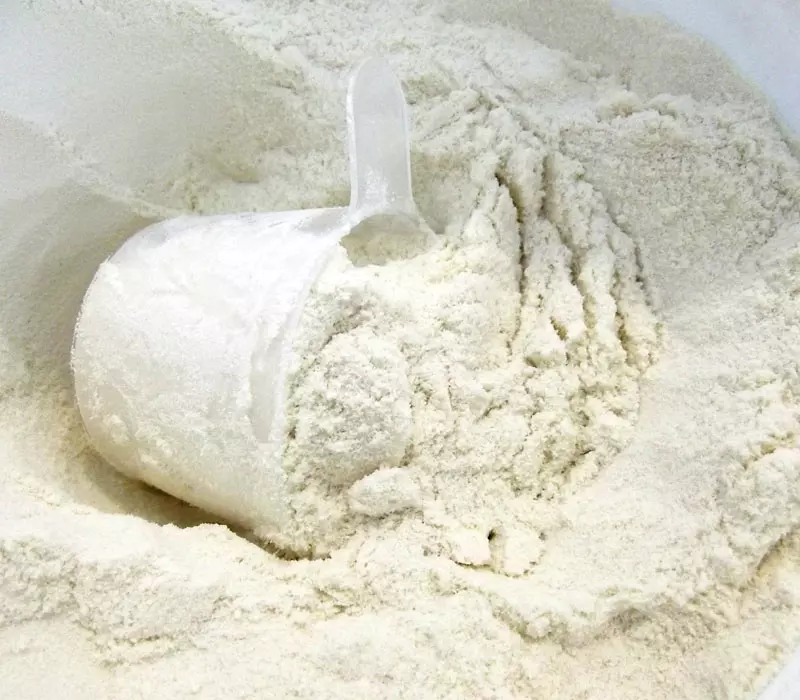
In the global infant nutrition industry, precision is not a marketing slogan—it is a non-negotiable engineering requirement. Every gram of ingredient used in infant formula must meet strict nutritional, microbiological, and functional standards because the final product directly supports early human development. In this highly regulated and scientifically sensitive environment, Demineralized Whey Powder for Infant Formula has become one of the most important dairy-based ingredients used by manufacturers aiming for both nutritional balance and process stability.
For factories operating in this space, selecting the right supplier is not just about price per ton; it is about trust, traceability, and long-term formulation consistency. Working with a reliable partner such as MT Royal helps manufacturers maintain control over critical variables such as mineral balance, solubility, and protein functionality—factors that directly influence product safety and regulatory compliance.
The infant formula market is growing at a steady global rate of around 5–7% annually, driven by urbanization, rising disposable incomes, and increased awareness of infant nutrition standards. Within this expanding market, Demineralized Whey Powder for Infant Formula plays a structural role in replicating the nutritional profile of human milk while ensuring industrial scalability and stability.
This article explores the ingredient in depth—from its scientific foundation and production process to industrial applications, sourcing challenges, formulation strategies, and market trends—offering a complete technical and strategic guide for manufacturers.
LATAMARKO LM60 – Premium Spanish-Origin Cocoa Powder
latamarko alkalized cocoa powder lm60
cocoa powder for chocolate production-Best price
Food industry raw materials – list of products
Best Brazilian Arabica Coffee Bean Supplier for Industrial Roaster
Uganda Bugisu Arabica Coffee Beans for Specialty Coffee Industry
Understanding Demineralized Whey Powder for Infant Formula
To understand its importance, we must first examine what makes Demineralized Whey Powder for Infant Formula fundamentally different from standard whey ingredients used in general food applications.
What demineralized whey powder actually is
Demineralized whey powder is produced from sweet whey, a by-product of cheese manufacturing, through a controlled reduction of mineral content. This process removes a significant portion of ash-forming minerals such as sodium, potassium, calcium, and chloride while preserving lactose and whey proteins.
For infant formula applications, the most commonly used grades include D20, D30, and D70, depending on regulatory requirements and nutritional design. Each grade represents a different level of mineral reduction, allowing formulators to precisely adjust the final mineral profile of the product.
Demineralized Whey Powder for Infant Formula is specifically engineered to align with human milk mineral composition, which is naturally low in ash content compared to cow’s milk.
How it is produced in industrial dairy systems
The production process is a combination of advanced dairy engineering and strict quality control. It typically involves:
First, whey is collected from cheese production and undergoes clarification to remove fat and residual proteins. Then it is processed through membrane filtration or ion exchange systems, which selectively remove minerals while preserving protein integrity.
After demineralization, the liquid concentrate is evaporated and spray-dried into a fine powder. Spray drying is a critical stage because it determines particle size, solubility, and thermal stability.
In infant formula production, even minor deviations in spray drying parameters can lead to differences in reconstitution behavior—something no manufacturer can afford in high-regulation environments.
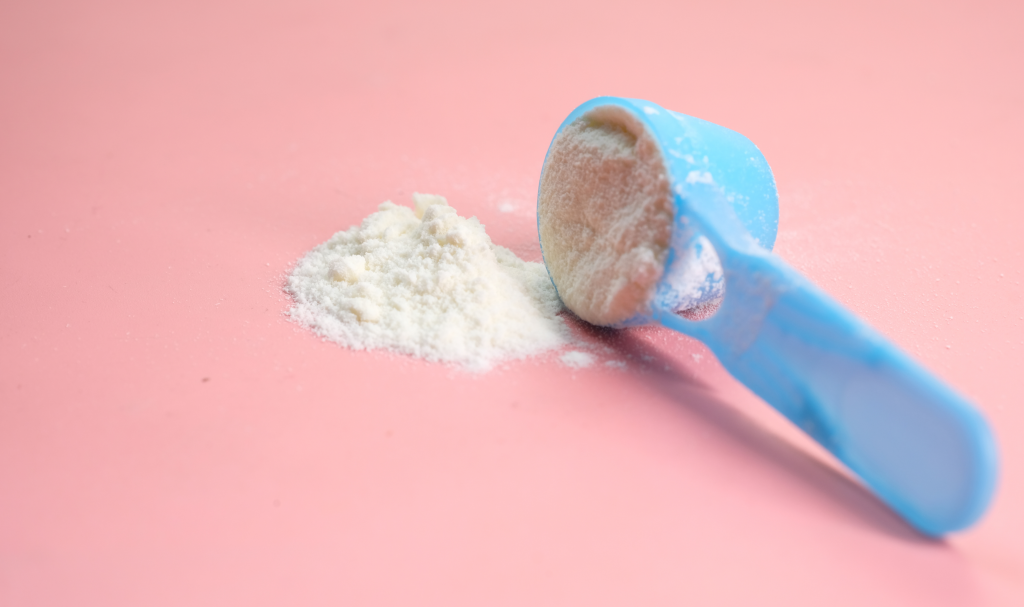
Why Demineralized Whey Powder Is Essential in Infant Formula
Infant formula is designed to replicate human milk as closely as possible. While no industrial system can fully match nature, modern dairy science has made it possible to approach nutritional equivalence with high precision.
Nutritional alignment with human milk
One of the primary roles of Demineralized Whey Powder for Infant Formula is to provide a whey-dominant protein profile that mirrors breast milk composition.
Human milk typically contains a higher whey-to-casein ratio compared to cow’s milk. Demineralized whey helps adjust this ratio in infant formula systems, improving digestibility and nutritional compatibility.
Mineral control and osmolality balance
Osmolality is a critical parameter in infant nutrition. Excess minerals can increase osmolality, placing stress on infant renal systems.
By reducing mineral content, Demineralized Whey Powder for Infant Formula allows formulators to maintain safe osmolality levels while still achieving nutritional completeness.
Improved protein digestibility
Whey proteins are naturally more digestible than casein. When combined with controlled mineral levels, they form a gentle protein system suitable for infant digestion.
Clinical studies in infant nutrition indicate that whey-dominant formulas improve gastric emptying rates by up to 15–20% compared to casein-heavy systems.
Key Functional Benefits in Infant Formula Production
Demineralized whey powder is not just a nutrient source—it is a system stabilizer that influences multiple performance parameters.
1. Nutritional precision and formulation flexibility
It allows manufacturers to precisely control mineral and protein levels, enabling customized formulations for different infant age groups.
2. Improved solubility and reconstitution behavior
In infant formula production, powders must dissolve quickly and completely without clumping. Demineralized Whey Powder for Infant Formula offers excellent rehydration properties due to its controlled particle structure.
3. Flavor neutrality and sensory consistency
Infant formulas require extremely mild flavor profiles. Any bitterness or metallic note is unacceptable. The reduced mineral content helps maintain a clean, neutral taste profile.
4. Heat stability during processing
Infant formula undergoes intensive heat treatment for microbiological safety. Demineralized whey improves protein stability during thermal processing, reducing aggregation and improving final product consistency.
Common Mistakes in Industrial Sourcing
In infant formula manufacturing, sourcing errors are not just costly—they can be critical. Ingredient consistency directly impacts regulatory compliance and product safety.
A structured supplier such as MT Royal often sees that inconsistencies in whey demineralization levels are one of the most frequent causes of formulation deviation.
Before listing common mistakes, it is important to understand that infant formula systems operate under extremely narrow tolerance ranges.
Common sourcing mistakes include:
- Prioritizing cost over mineral specification accuracy
- Ignoring batch-to-batch consistency in demineralization level
- Failing to verify osmolality impact during formulation
- Overlooking microbiological stability documentation
- Not testing in pilot-scale infant formula systems
- Switching suppliers frequently without revalidation
Each of these mistakes can lead to formulation instability, regulatory delays, or product recalls in severe cases.
Comparative Analysis: Demineralized Whey vs Other Dairy Ingredients
Understanding where Demineralized Whey Powder for Infant Formula stands relative to other ingredients is essential for formulation strategy.
Compared to whole whey powder, demineralized whey offers significantly better mineral control and regulatory alignment for infant nutrition.
Compared to whey protein concentrate, it provides lower protein density but superior mineral precision and system compatibility.
Compared to skim milk powder, it offers improved flexibility in adjusting whey-to-casein ratios, which is critical in infant formula design.
In most modern systems, demineralized whey is combined with lactose, vegetable oils, and specialized protein fractions to achieve a complete nutritional profile.
Specialized Industrial Applications in Infant Nutrition
Demineralized whey is used across multiple infant formula categories:
Standard infant formula (0–6 months)
Provides balanced nutrition with controlled mineral levels and whey-dominant protein structure.
Follow-on formula (6–12 months)
Supports increased nutritional requirements while maintaining digestibility.
Specialized medical nutrition
Used in sensitive formulations requiring strict control of osmolality and protein composition.
Premature infant formulas
Requires highly precise mineral and protein control for delicate physiological systems.
Industrial Processing Tips for Large-Scale Production
Manufacturing infant formula is one of the most controlled processes in the food industry.
Before listing practical recommendations, it is important to note that even small deviations in mixing or hydration can affect product safety validation.
- Maintain strict humidity control in powder handling environments
- Use staged blending to ensure uniform distribution
- Control hydration temperature for optimal solubility
- Avoid high-shear mixing in early formulation stages
- Validate each batch through pilot-scale simulation
- Monitor mineral composition at every production stage
In our collaboration with various infant nutrition manufacturers, we have seen that improving raw material consistency can reduce formulation adjustment cycles by up to 18%.
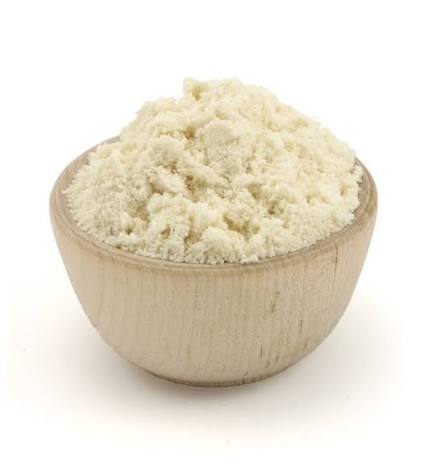
Supply Chain and Supplier Reliability
In infant formula production, supplier reliability is not optional—it is regulatory necessity.
Working with a trusted supplier like MT Royal ensures access to consistent grades of demineralized whey with full traceability and documentation support.
Key procurement priorities include:
- Batch traceability and certification compliance
- Consistency in demineralization levels
- Microbiological safety documentation
- Long-term supply stability
Factories that prioritize structured sourcing strategies tend to experience fewer regulatory delays and more stable product approvals.
Market Trends in Infant Formula Industry
The infant nutrition market continues to evolve rapidly, driven by science, regulation, and consumer awareness.
Key trends include:
- Increasing demand for whey-dominant formulas
- Strong growth in lactose-based nutritional systems
- Rising regulatory scrutiny on mineral composition
- Expansion of premium infant nutrition products in Asia and Africa
Industry forecasts suggest continued steady growth, with demineralized whey playing a central role in next-generation formulations.
Frequently Asked Questions
What is Demineralized Whey Powder for Infant Formula used for?
It is used to adjust protein and mineral balance in infant formula to closely replicate human milk composition.
Why is mineral reduction important?
Because excessive minerals can affect osmolality and infant kidney tolerance.
Is it safe for infant nutrition?
Yes, it is widely used in regulated infant formula systems worldwide under strict quality standards.
What is the most common grade used?
D20 and D30 are among the most commonly used grades depending on formulation design.
Can it replace milk powder?
It is not a full replacement but a critical component in whey-based infant formula systems.
How does MT Royal support manufacturers?
MT Royal provides consistent, traceable dairy ingredients with stable specifications for infant formula production.
Final Perspective for Manufacturers
In infant formula production, precision is not just technical—it is ethical. Every formulation decision directly impacts infant health, making ingredient selection one of the most critical responsibilities in the food industry.
Demineralized Whey Powder for Infant Formula is more than a raw material. It is a carefully engineered nutritional bridge between human biology and industrial capability. Its role in balancing minerals, supporting digestibility, and enabling scalable production makes it indispensable in modern infant nutrition systems.
For manufacturers operating in this highly regulated space, mastering the use of this ingredient—and sourcing it from a reliable partner—is not just an operational decision. It is a long-term commitment to quality, safety, and trust.


No comment