

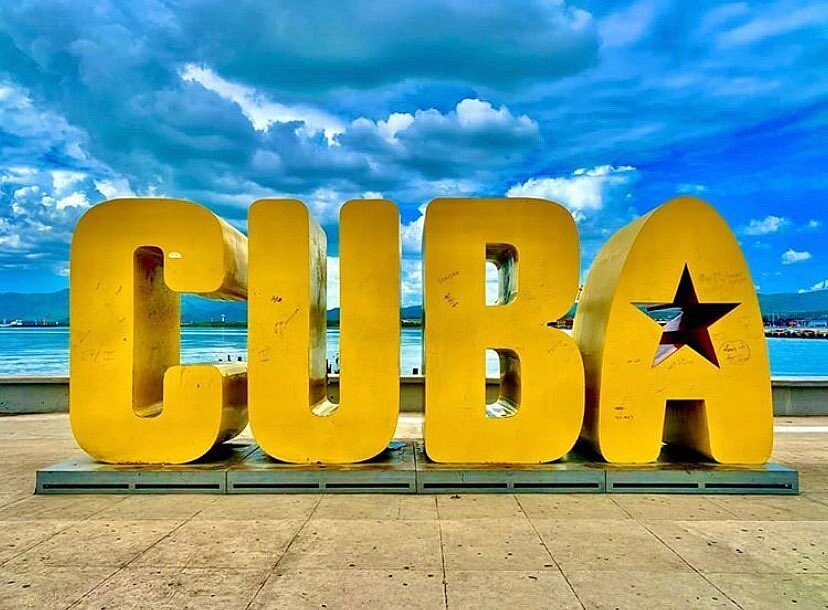
For factories and manufacturers, purchasing from Cuba requires considerably more planning than simply comparing supplier quotations. If your company is evaluating Cuban-origin products, industrial materials, components, or specialty goods, working with a knowledgeable supplier such as MT Royal can help you compare multiple brands at competitive prices while reducing the risk of choosing a product that later creates customs, technical, or production problems.
The Import of Goods from Cuba can be commercially viable in certain markets, but the rules surrounding Cuban trade vary dramatically according to the importing country, the type of product, the parties involved, and the route used for transportation and payment. For manufacturers, that makes compliance part of procurement—not an administrative task to be handled after the purchase order is issued.
Cuba has established capabilities in sectors including agriculture, food processing, pharmaceuticals and biotechnology, mining, chemicals, and specialized manufacturing. Yet sourcing successfully from the country requires a more deliberate approach to supplier qualification, customs clearance, trade compliance, logistics, documentation, and landed cost.
The objective is simple: obtain the right product, from a legitimate source, under lawful commercial conditions, with predictable delivery and sufficient documentation for your factory.
What Does Import of Goods from Cuba Mean?
The term Import of Goods from Cuba refers to purchasing merchandise originating in Cuba and transporting it into another country for commercial, industrial, or other permitted purposes.
The process can involve several independent layers:
- Supplier identification and qualification
- Product specification and technical verification
- Country-of-origin determination
- HS code classification
- Export documentation
- Import licensing where required
- Sanctions and restricted-party screening
- Freight planning
- Customs declaration
- Duties and taxes
- Product conformity requirements
- Receiving inspection
- Payment and banking arrangements
For a factory, these steps are interconnected.
A procurement department may find an attractive quotation, for example, but the transaction can still become uneconomical if the product requires a special authorization, the shipment faces banking restrictions, or the destination country applies significant duties.
There is also an important distinction between Cuban-origin goods and goods merely shipped through Cuba. Origin, ownership, routing, and the identities of the parties involved can all have legal consequences.
Why Importing from Cuba Requires Extra Due Diligence
Cuba is an unusual sourcing market because international restrictions are not uniform.
The United States, for example, maintains a comprehensive Cuba sanctions framework administered by the Office of Foreign Assets Control (OFAC). OFAC states that most transactions between Cuba and persons subject to U.S. jurisdiction remain prohibited unless authorized or exempt, while certain categories of Cuban-origin goods may be imported under specific provisions.
The regulatory environment has also changed recently. In May 2026, the United States issued Executive Order 14404, creating additional Cuba-related sanctions authorities, while OFAC simultaneously clarified that existing Cuban Assets Control Regulations and their authorizations remain in force.
This matters even when your factory is outside the United States.
A transaction may involve:
- A non-U.S. buyer
- A Cuban supplier
- A U.S.-origin component
- A U.S.-owned bank
- A vessel with U.S. port considerations
- A multinational company with U.S. compliance obligations
- Software or technology subject to export controls
Consequently, “our company isn’t American” is not necessarily the end of the compliance analysis.
Your legal, trade-compliance, and banking teams should establish which jurisdictions and regulatory regimes apply before commercial commitments are made.
Which Cuban Goods May Interest Manufacturers?
Cuban sourcing opportunities depend on the importing market and applicable restrictions, but manufacturers may investigate several broad categories.
Agricultural and Food Products
Cuba has a long-established agricultural sector. Depending on destination-country rules and supplier capability, agricultural commodities, food ingredients, and processed products may present sourcing opportunities.
For industrial buyers, the important issues include:
- Food safety certification
- Batch traceability
- Shelf life
- Packaging specifications
- Moisture content
- Contamination controls
- Storage conditions
- Phytosanitary requirements
A food-processing factory should treat these requirements as technical specifications rather than paperwork.
Pharmaceutical and Biotechnology-Related Products
Cuba is internationally recognized for pharmaceutical and biotechnology development. However, this is one area where procurement teams must be especially careful.
Pharmaceutical products, active ingredients, laboratory materials, and medical products can be subject to extensive regulatory controls in the destination country. Product registration, manufacturing standards, certificates, and import permits may be required.
A promising technical product is not automatically an importable commercial product.
Industrial Raw Materials
Manufacturers may also evaluate chemicals, minerals, agricultural inputs, packaging materials, and other raw materials, subject to local regulations and applicable international restrictions.
For bulk materials, transportation economics become particularly important. A low ex-works price can lose its advantage quickly if freight, handling, insurance, storage, or customs costs are high.
Specialty and Consumer Products
Some Cuban products have established international recognition in particular markets. However, manufacturers should distinguish between consumer-market appeal and industrial sourcing value.
A product that sells well in a specialty retail environment may have completely different economics when purchased in pallet, container, or production-scale quantities.
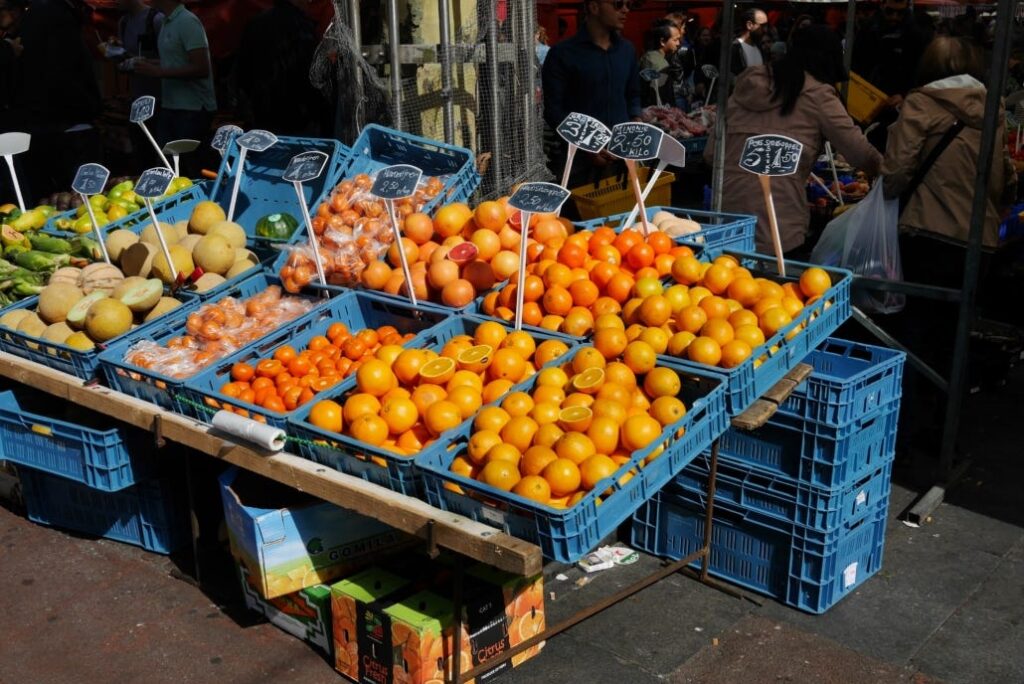
The Most Important Concept: Total Landed Cost
The purchase price is only the first line of an international procurement calculation.
Your landed cost should account for the complete cost of getting an acceptable product into your facility.
A useful model is:
Landed Cost = Product Price + Freight + Insurance + Duties + Taxes + Brokerage + Handling + Compliance Costs + Inspection + Inventory Cost
For large manufacturers, an additional component should be considered: risk cost.
Imagine two suppliers:
- Supplier A: lower product price, uncertain lead time
- Supplier B: slightly higher product price, predictable delivery
If Supplier A causes your plant to carry an additional month of safety stock—or worse, creates a production stoppage—the apparent purchasing advantage may disappear.
This is why experienced procurement teams increasingly evaluate total cost of ownership, not just invoice value.
Customs Clearance and Documentation
Successful Cuban imports depend heavily on accurate documentation.
Depending on the product and destination, documentation may include:
- Commercial invoice
- Packing list
- Bill of lading or air waybill
- Certificate of origin
- Export documentation
- Product certificates
- Inspection documents
- Import permits
- Phytosanitary or sanitary certificates
- Technical specifications
- Insurance documentation
The exact requirements vary by jurisdiction and product.
HS Classification Is Not a Minor Detail
The Harmonized System code determines how customs authorities identify a product for tariff and regulatory purposes.
An incorrect classification can result in:
- Incorrect duty assessment
- Customs delays
- Additional inspections
- Penalties
- Reclassification disputes
- Incorrect import statistics
- Compliance complications
For industrial products with multiple possible classifications, obtain professional customs advice before shipment.
Changing an HS code after cargo reaches the port is rarely a fun way to spend a Tuesday morning.
Common Mistakes in Industrial Sourcing from Cuba
Mistake 1: Assuming Every Country Has the Same Cuba Rules
They do not.
Rules applicable to a European buyer may differ substantially from those applicable to a U.S.-connected company, and requirements can change over time.
Always determine the legal framework applicable to your exact transaction.
Mistake 2: Checking the Supplier but Not the Entire Transaction
Supplier screening is important, but compliance can involve more than the seller.
Review:
- Supplier
- Buyer
- Banks
- Freight forwarders
- Vessel or carrier
- End user
- Product
- Country of origin
- Ownership structure
- Intended use
The transaction should be assessed as a complete chain.
Mistake 3: Selecting a Product Before Confirming Importability
This is particularly risky for regulated goods.
Before negotiating volume and price, verify whether the destination country permits the product to be imported and whether any licenses or approvals apply.
Mistake 4: Ignoring Banking Restrictions
A commercially legal shipment can still encounter payment difficulties if financial institutions decline to process the transaction.
Ask your bank or payment provider about the transaction before committing to contractual payment deadlines.
Mistake 5: Treating Documentation as an Afterthought
Documents should be reviewed before dispatch.
A missing certificate can delay a shipment just as effectively as a missing component can stop a production line.
How MT Royal Can Fit Into the Procurement Process
MT Royal can be useful when your purchasing department needs access to several industrial brands rather than building a separate relationship with every manufacturer.
A multi-brand sourcing model provides several practical advantages:
- Easier product comparison
- Broader brand availability
- Competitive price evaluation
- Alternative-product identification
- Consolidated purchasing
- Fewer supplier relationships to manage
- Greater flexibility when a preferred item is unavailable
The value is particularly clear for factories purchasing numerous low- and medium-volume components.
Rather than automatically asking, “Which brand is cheapest?”, your procurement team can ask a better question: “Which technically acceptable option gives us the best combination of price, availability, reliability, and lifecycle cost?”
That shift is small on paper and substantial in practice.
A Better Sourcing Workflow for Manufacturers
A robust Import of Goods from Cuba process can be organized into eight stages.
1. Define the Technical Requirement
Document specifications before requesting prices.
Include dimensions, materials, tolerances, performance requirements, operating environment, certifications, packaging, and expected service life.
2. Determine Import Eligibility
Confirm whether the product can legally enter your destination country.
For regulated goods, verify permits, registration, labeling, and certification requirements.
3. Screen the Transaction
Check the supplier, ownership, intermediaries, financial institutions, carriers, and other relevant parties against applicable sanctions and restricted-party requirements.
For U.S.-connected transactions, OFAC’s Cuba framework should be reviewed carefully. OFAC also maintains specific guidance concerning the Cuba Restricted List and other Cuba-related restrictions.
4. Compare Multiple Brands
If technically suitable alternatives exist, compare them on more than purchase price.
Consider reliability, replacement availability, warranty terms, service life, and compatibility.
5. Calculate Landed Cost
Build a complete cost model before approving the purchase.
6. Establish Logistics
Select the appropriate transportation mode and confirm routing restrictions, transit time, insurance, port requirements, and documentation.
7. Inspect the Shipment
Use receiving inspection procedures appropriate to the product’s criticality.
8. Measure Supplier Performance
Track:
- On-time delivery
- Defect rate
- Documentation accuracy
- Lead-time consistency
- Response time
- Price stability
- Claims resolution
A supplier should be evaluated on actual performance, not just the first successful delivery.
Specialized Tips for Large-Scale Production
Large factories should treat Cuban sourcing as part of a broader supply-risk strategy.
Separate Strategic and Non-Critical Purchases
Do not apply the same sourcing process to every item.
A $20 packaging component and a $20,000 production-critical assembly deserve different qualification procedures.
For critical components, consider:
- Approved secondary sources
- Safety stock
- Longer forecast horizons
- Incoming inspection
- Supplier audits
- Technical substitution plans
Use Risk-Based Inventory Policies
Safety stock should reflect both demand variability and supply uncertainty.
A conventional inventory formula based only on historical consumption may underestimate risk when geopolitical, regulatory, or transportation conditions can change rapidly.
For a critical imported component, calculate inventory requirements using actual lead-time variability rather than an optimistic average.
Establish an Approved Alternative List
Where possible, pre-qualify substitute brands.
MT Royal’s ability to provide multiple brands can be particularly useful in this context. Instead of discovering an alternative only after a supplier misses a delivery, your engineering team can approve technically equivalent options in advance.
Integrate Procurement With Engineering
Engineering should not disappear after the initial product specification.
When substituting a component, engineers should verify:
- Mechanical compatibility
- Electrical characteristics
- Material compatibility
- Performance curves
- Environmental ratings
- Certification requirements
- Maintenance implications
A component can fit physically and still fail functionally.
Emerging Trends in Global Sourcing
The modern supply chain is moving toward resilience-based procurement.
Manufacturers increasingly evaluate geographic diversification, supplier concentration, digital traceability, regulatory exposure, and transportation risk alongside price.
This trend is particularly relevant when sourcing from markets with complex trade restrictions.
Another emerging practice is the use of supplier portfolios rather than single-source procurement. Instead of selecting one vendor and treating the relationship as permanent, manufacturers maintain a network of approved sources based on product category and criticality.
For procurement teams, this creates a useful distinction:
Cost optimization asks: “How cheaply can we buy it?”
Supply optimization asks: “How economically can we guarantee that we will have the right product when production needs it?”
The second question is usually the more valuable one.
Frequently Asked Questions About Import of Goods from Cuba
Is importing goods from Cuba legal?
It depends on the importing country, product, parties, and transaction structure. There is no single global rule governing all Cuban trade.
For example, U.S. persons remain subject to extensive Cuba sanctions, although specific authorizations and exemptions exist. OFAC states that certain Cuban-origin goods produced by qualifying independent private-sector entrepreneurs can be eligible for import into the United States under specified conditions. Can a manufacturer outside the United States import Cuban products?
Potentially, yes, depending on the destination country’s laws and the transaction’s parties and structure. However, companies should also examine whether U.S. persons, U.S. financial institutions, U.S.-origin technology, or other regulated connections are involved.
Are Cuban-origin products automatically prohibited internationally?
No. Restrictions depend on jurisdiction and product category. A company should never assume that a Cuban-origin product is universally prohibited—or universally permitted.
What should I check before purchasing?
At minimum, verify product eligibility, supplier legitimacy, ownership, sanctions exposure, customs classification, documentation, payment feasibility, freight routing, and destination-country requirements.
Is MT Royal useful when I need several industrial brands?
Yes. A multi-brand supplier can make sense when your factory needs diverse components and wants to compare technically acceptable brands, pricing, and availability rather than managing numerous individual purchasing channels.
Should I use a customs broker?
For commercially significant or technically complicated shipments, professional customs assistance is often worthwhile. A broker can help with classification, documentation, declarations, and local customs procedures, although the importer remains responsible for understanding its compliance obligations.
Does the lowest-priced supplier provide the best value?
Not necessarily. Compare landed cost, quality, delivery reliability, payment conditions, compliance exposure, warranty support, and replacement availability. A cheap component that arrives late is often an expensive component wearing a discount label.

The Real Competitive Advantage of Careful Cuban Sourcing
The Import of Goods from Cuba is not a procurement exercise where the winning strategy is simply to find the lowest quotation and move the cargo.
For manufacturers, the stronger strategy is systematic: establish the technical requirement, confirm legal eligibility, qualify the source, screen the transaction, calculate the complete landed cost, plan logistics, and protect production against foreseeable disruption.
Cuba may offer valuable commercial opportunities in selected categories and markets, but those opportunities reward disciplined buyers. The complexity of the regulatory environment makes due diligence especially important, while the realities of manufacturing make technical compatibility and supply continuity equally significant.
We have found that the strongest industrial purchasing decisions usually happen when procurement, engineering, logistics, finance, and compliance work from the same specification rather than five different versions of it.
MT Royal can support that approach by giving factories access to multiple brands and competitive purchasing options, particularly when your requirements extend across several industrial categories.
The goal is not merely to import a shipment successfully. The goal is to build a sourcing system in which every shipment has a reason, every supplier has been evaluated, every component has a technical purpose, and every significant risk has a plan behind it.
When procurement is treated as part of production engineering rather than as a race to the cheapest invoice, international sourcing becomes far more predictable. And for a factory where downtime is measured in lost production rather than lost minutes, predictability is one of the most valuable commodities you can buy.


No comment