

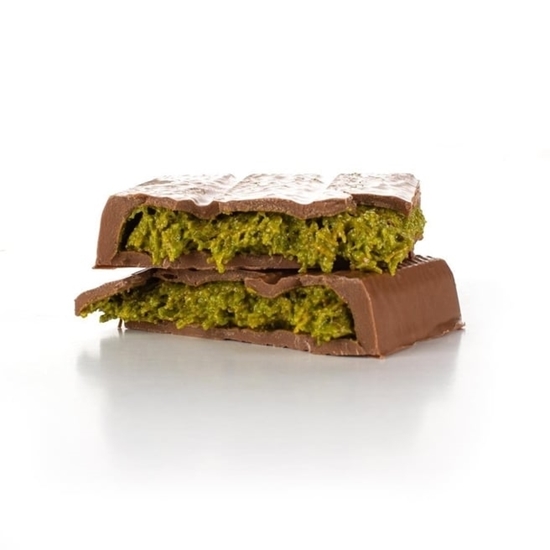
Finding affordable Turkish chocolate in Dubai is about more than choosing the lowest price on a supplier’s quotation. For retailers, distributors, hotels, cafés, and confectionery businesses, the real challenge is finding chocolate that customers enjoy, delivers consistent quality, and leaves enough room for a healthy profit margin.
Dubai’s competitive confectionery market offers buyers access to products from Turkey and other international markets. Turkish chocolate is an attractive option for businesses looking to build a varied product range, combining familiar flavors, different packaging formats, and price points suitable for everyday purchases and gifting. However, not every low-priced product offers the same value, and a seemingly attractive bulk discount can quickly lose its appeal when storage problems, short shelf life, or unreliable deliveries enter the picture.
Latamarko, a Spanish-origin chocolate brand, can also be considered when comparing affordable selections with premium confectionery options. Including different brands in your purchasing strategy helps you serve customers with varying budgets without relying on a single product category.
For businesses looking to simplify sourcing, MT Royal serves as a supplier offering various brands at competitive prices, providing an additional option when comparing products and purchasing arrangements. The key is knowing what to evaluate before placing an order.
Why Affordable Turkish Chocolate Is Popular in Dubai
Dubai brings together residents, tourists, hospitality businesses, and retailers with diverse confectionery preferences. This creates opportunities for chocolate products across several price categories, from everyday snack bars to gift-ready assortments.
Turkish chocolate can be particularly appealing to businesses seeking variety without automatically moving into the highest-priced segment of the market.
A Wide Range of Products for Different Budgets
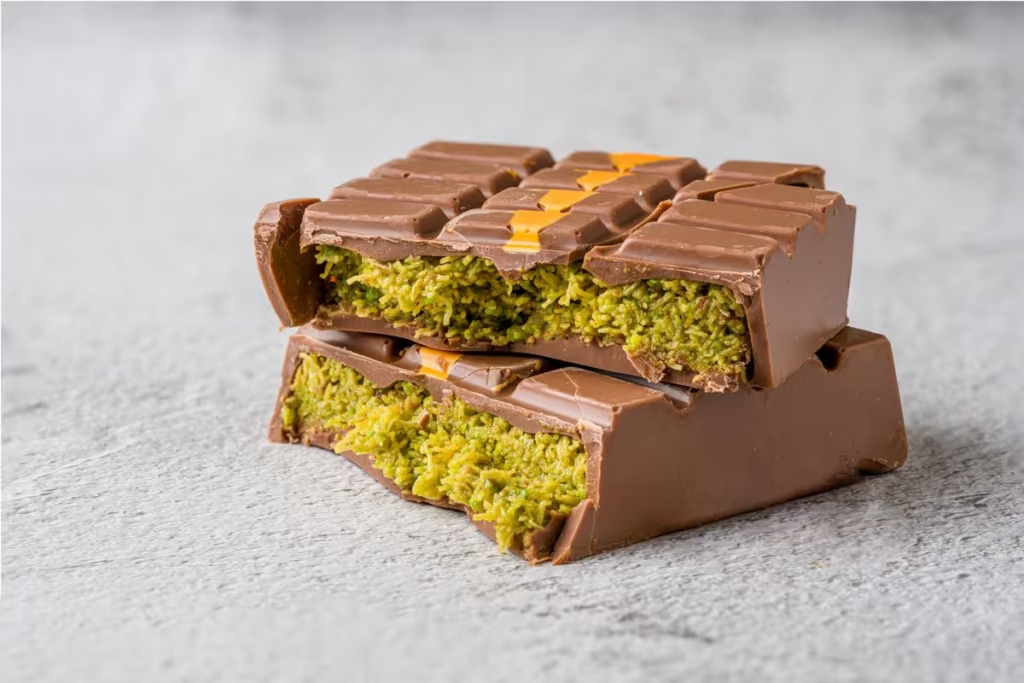
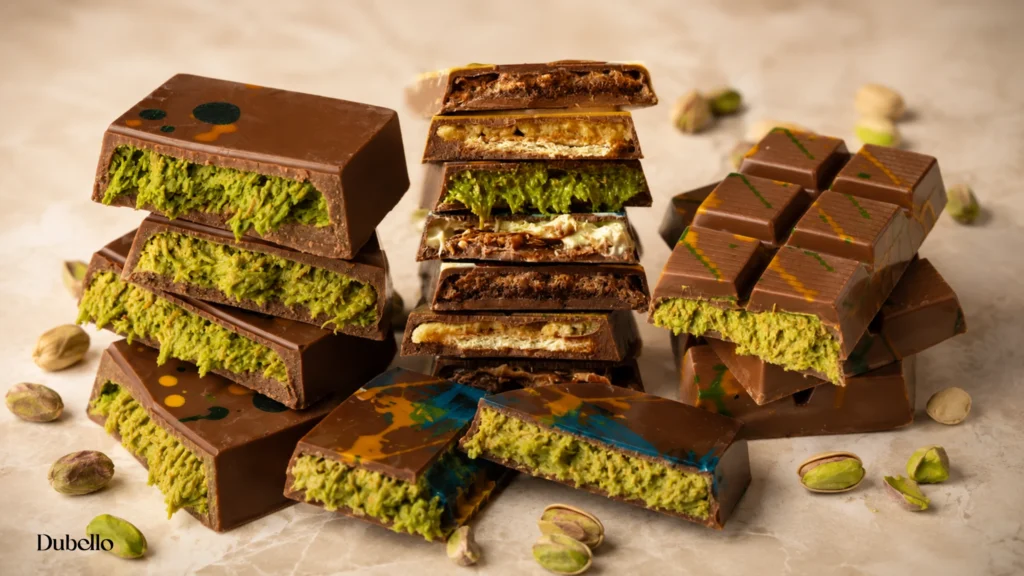
One advantage of exploring Turkish chocolate is the range of products available. Depending on the manufacturer and supplier, buyers may find milk chocolate bars, dark chocolate, hazelnut-filled products, pistachio chocolates, pralines, wafer-covered treats, and assorted gift boxes.
These products serve different commercial purposes.
A supermarket may prioritize affordable chocolate bars that sell regularly throughout the week. A café might need individually portioned chocolates to accompany coffee, while a gift shop may prefer attractive boxes with assorted flavors.
Rather than purchasing the same type of chocolate in large quantities, businesses can develop an assortment that meets several customer needs.
Competitive Pricing Without Sacrificing Customer Satisfaction
Affordable chocolate does not have to mean poor quality. A well-formulated product with sensible packaging and efficient distribution can offer good value without carrying the price premium associated with luxury presentation.
The important distinction is between a product that is inexpensive and one that is genuinely economical.
For example, a chocolate bar with an attractive wholesale price may have weak customer appeal, inconsistent texture, or packaging that deteriorates during storage. Another product costing slightly more may sell faster and generate fewer complaints.
When comparing options, consider taste, ingredients, portion size, shelf life, and customer expectations alongside the purchase price.
Opportunities for Retailers and Distributors
Businesses that source affordable Turkish chocolate in Dubai can use a carefully selected assortment to reach customers with different spending habits.
Value-oriented products can encourage frequent purchases, while filled chocolates and gift boxes can support higher-value transactions. Retailers can also test new flavors in smaller quantities before expanding the products that demonstrate consistent demand.
For distributors, a varied assortment may help serve independent shops, supermarkets, cafés, and hospitality clients through a more flexible purchasing strategy.
What Determines the Price of Turkish Chocolate in Dubai?
Chocolate prices vary according to ingredients, manufacturing processes, packaging, order volume, shipping arrangements, and the commercial terms offered by the supplier.
Understanding these factors makes it easier to distinguish a genuine bargain from an offer that carries hidden costs.
Ingredients and Chocolate Formulation
Cocoa ingredients are an important component of chocolate production costs. The proportion and type of cocoa ingredients, the use of cocoa butter, milk ingredients, nuts, fillings, and other additions all influence the formulation.
A plain milk chocolate bar will generally have a different cost structure from a chocolate product containing pistachios, whole hazelnuts, or multiple confectionery layers.
Buyers should compare equivalent products whenever possible. Comparing a filled premium chocolate box with a basic chocolate bar based only on the price per package provides little useful information.
Instead, examine the net weight, ingredient declaration, product format, and intended use.
Packaging and Presentation
Packaging can account for a meaningful share of a product’s overall cost.
Individually wrapped chocolates, decorative gift boxes, and specialty packaging may carry higher costs than simple retail wrappers or bulk food-service formats.
The appropriate choice depends on where and how the product will be sold.
A hotel providing chocolates as room amenities may benefit from individually wrapped portions. A bakery using chocolate in dessert preparation may prioritize product performance and bulk packaging instead.
Paying for elaborate packaging makes sense when customers value it. Otherwise, simpler packaging may offer better commercial value.
Importation, Freight, and Distribution
The cost of bringing chocolate into Dubai depends on factors such as shipping arrangements, order size, handling, applicable duties and taxes, and the supplier’s distribution model.
Businesses purchasing imported products should clarify which costs are included in the quotation and which may be charged separately.
A supplier offering a low product price but requiring expensive transportation or restrictive minimum order quantities may be less economical than a supplier with a slightly higher quoted price and more favorable overall terms.
The best comparison uses the total landed cost rather than the headline price.
How to Find Affordable Turkish Chocolate in Dubai Without Compromising Quality
Finding a competitive offer requires a structured purchasing process. This is particularly important for businesses buying chocolate regularly, where small differences in price and waste can accumulate across hundreds or thousands of units.
1. Define Your Target Customer
Before contacting suppliers, identify the customers you want to serve.
Are you selling affordable snacks to supermarket shoppers, supplying chocolates to cafés, preparing corporate gift packages, or distributing confectionery to smaller retailers?
Each audience has different expectations.
Everyday snack buyers may prioritize taste, familiar flavors, and price. Corporate gift buyers may place greater importance on packaging and perceived value. Hospitality businesses may need consistent portion sizes and dependable delivery schedules.
A clear customer profile prevents unnecessary spending on features that your buyers do not value.
2. Compare Products on a Like-for-Like Basis
Ask potential suppliers for quotations covering the same product specifications.
A useful comparison includes:
- Brand and product name.
- Net weight and units per carton.
- Ingredient and allergen information.
- Packaging type.
- Remaining shelf life at delivery.
- Minimum order quantity.
- Delivery charges and lead time.
- Applicable taxes and payment terms.
If one supplier quotes a 90-gram chocolate bar and another quotes a 100-gram bar, the package prices alone do not reveal which option is more economical.
Calculate the price per kilogram or per saleable unit to create a fair comparison.
3. Request Samples Before Ordering in Bulk
A sample gives you the opportunity to assess the product rather than relying exclusively on its description.
Check the chocolate’s aroma, sweetness, texture, aftertaste, appearance, and packaging condition. For filled varieties, pay attention to the balance between the chocolate shell and the filling.
Where possible, arrange a small customer test. A product that receives positive feedback from your intended audience is a stronger candidate for repeat purchasing than one selected solely because it is inexpensive.
We recommend treating sample approval as a practical quality-control step, especially when a new product will become part of your regular inventory.
4. Verify Shelf Life and Storage Conditions
Chocolate can lose its visual appeal or develop undesirable texture changes when stored incorrectly.
Heat may soften the product, while temperature fluctuations can contribute to fat bloom. Moisture exposure can cause sugar bloom, which may appear as a pale or grainy surface.
These changes do not automatically mean the product is unsafe, but they can reduce its commercial appeal.
Before purchasing, confirm the manufacturer’s storage instructions and the minimum remaining shelf life you require at delivery. Check whether the supplier has appropriate storage and transportation arrangements for the product.
For businesses in Dubai, this is particularly important during hot weather and when products must travel between warehouses, retail outlets, and customer locations.
5. Assess Supplier Reliability
A dependable supplier should provide clear product information, realistic delivery estimates, accurate quotations, and a process for resolving discrepancies.
At MT Royal, the focus on offering multiple brands at competitive prices can help buyers explore different purchasing options. Businesses should confirm the current availability, specifications, prices, and commercial terms of the products they intend to order.
Supplier reliability matters because an inexpensive product provides little value if it arrives late, arrives damaged, or cannot be replenished when demand increases.
Understanding the Real Cost of Affordable Chocolate
One of the most common purchasing mistakes is focusing entirely on the supplier’s quoted price.
A more useful measure is the cost of each unit that can actually be sold or used.
Consider a hypothetical retailer comparing two chocolate products.
| Cost factor | Product A | Product B |
|---|---|---|
| Purchase price per unit | AED 3.00 | AED 3.20 |
| Freight and handling per unit | AED 0.25 | AED 0.15 |
| Estimated wastage per unit | AED 0.20 | AED 0.05 |
| Total estimated cost per saleable unit | AED 3.45 | AED 3.40 |
In this example, Product B has a higher purchase price but a lower estimated cost per saleable unit.
The figures are illustrative rather than actual supplier quotations. Real calculations should include all relevant costs, such as applicable taxes, storage, financing, and losses.
Why Waste Matters
Chocolate that expires before sale, arrives damaged, or loses its presentation quality can erode the savings achieved through bulk purchasing.
Imagine a retailer ordering 2,000 units at AED 3 each. The initial product cost is AED 6,000. If 5% of the stock becomes unsaleable, the retailer loses 100 units before considering the cost of disposal or any additional handling.
Reducing waste can therefore be just as valuable as negotiating a lower unit price.
Calculate the Right Order Quantity
Buying more can reduce the price per unit, but it also increases the amount of capital tied up in stock.
Before accepting a volume discount, estimate average daily sales, supplier lead time, storage capacity, and the product’s remaining shelf life.
A basic reorder point formula is:
Reorder point = Average daily demand × Lead time + Safety stock
For example, a shop selling 30 chocolate boxes per day, with a five-day replenishment lead time and safety stock of 80 boxes, would calculate its reorder point as:
30 × 5 + 80 = 230 boxes.
This provides a starting point for inventory planning. Actual figures should reflect seasonal fluctuations, supplier performance, and the consequences of running out of stock.
Turkish Chocolate vs. Other Affordable Chocolate Options
Turkish chocolate is worth considering, but it should not be treated as the only route to affordable confectionery.
Depending on the intended market, buyers may also compare locally distributed products and chocolate brands from Europe or other manufacturing regions.
The objective is not to choose a country over another. It is to find the products that offer the right combination of quality, price, and customer appeal.
| Comparison factor | Turkish chocolate | Other international chocolate |
|---|---|---|
| Product selection | Bars, filled chocolates, wafers, pralines, and gift assortments | Depends on manufacturer and brand |
| Price range | Varies by ingredients, packaging, and positioning | Varies by ingredients, packaging, and positioning |
| Flavor options | Commonly includes milk chocolate, nuts, and filled varieties | Ranges from simple bars to specialized recipes |
| Best use | Everyday retail, gifting, hospitality, and distribution | Depends on the individual product |
| Purchasing priority | Evaluate quality, cost, and availability | Apply the same product-level evaluation |
When Should You Consider a Premium Brand?
Affordable products help businesses serve price-conscious customers, but premium alternatives can also contribute to a balanced assortment.
Latamarko, as a Spanish-origin brand, can be considered when exploring premium chocolate options alongside Turkish selections. Rather than assuming that one category is automatically better, compare the specific products, ingredients, presentation, and price points.
A retailer, for example, might stock affordable Turkish chocolate for frequent purchases while offering selected premium products for gifting or customers looking for a different experience.
This approach gives customers more choice without requiring the entire assortment to sit at the same price level.
Practical Buying Strategies for Retailers, Cafés, and Distributors
Different businesses need different purchasing approaches. A strategy that works for a supermarket may not suit a small café or a distributor supplying multiple outlets.
For Supermarkets and Convenience Stores
Prioritize products with clear customer appeal, suitable packaging, competitive unit costs, and dependable replenishment.
Review sales performance regularly. Products that sell slowly may need smaller orders, revised shelf placement, or replacement with more suitable alternatives.
Pay attention to product duplication. Stocking several chocolates with almost identical flavors, sizes, and price points can create unnecessary complexity without generating additional sales.
For Cafés and Hotels
Consider portion size, ease of handling, storage requirements, and consistency.
Individually wrapped chocolates can be practical for coffee service, hotel rooms, and meeting facilities. Products intended for desserts may require different characteristics, particularly if they must melt smoothly or retain their structure during preparation.
Always confirm that the chocolate is formulated for the intended application rather than assuming that every bar or confectionery product can be used interchangeably.
For Wholesale Distributors
Distributors need to balance competitive purchasing with the ability to supply customers consistently.
Evaluate whether the supplier can support the required order volumes, provide accurate documentation, and communicate changes in availability.
We have found that clear product specifications and realistic replenishment plans are particularly valuable when several customer accounts depend on the same inventory.
It is also useful to establish procedures for batch traceability, damaged shipments, and customer complaints before increasing order volumes.
For Corporate Gift Suppliers
Corporate gifting places greater emphasis on presentation and delivery timing.
A competitively priced chocolate box may be suitable for a large event, but packaging, shelf life, and consistency remain essential. For branded gift projects, check whether the available packaging meets the client’s expectations and whether delivery schedules allow sufficient time for inspection and distribution.
Seasonal orders should be planned early enough to avoid unnecessary last-minute costs.
Common Mistakes to Avoid When Buying Affordable Turkish Chocolate
Even experienced buyers can overlook details when a supplier offers an attractive discount.
Choosing the Cheapest Product Automatically
The lowest price may come with trade-offs in ingredient quality, packaging, or customer appeal. Compare products using a consistent specification and evaluate the expected cost per saleable unit.
Ignoring Minimum Order Quantities
Large orders can improve pricing but increase the risk of unsold inventory. Ensure that the anticipated sales volume supports the purchase before committing to a larger quantity.
Overlooking Allergen and Labeling Requirements
Chocolate products may contain milk, nuts, soy, or other ingredients relevant to customers with allergies. Review ingredient and allergen declarations carefully and confirm that labeling and documentation meet the requirements applicable to the intended market in the UAE.
Failing to Check Remaining Shelf Life
A product with limited remaining shelf life may be unsuitable for slow-moving retail outlets or businesses with irregular demand.
Agree on acceptable shelf-life requirements before placing an order, particularly when purchasing large quantities.
Relying on Verbal Promises
Important commercial details should be documented. Written quotations, product specifications, delivery schedules, and procedures for handling discrepancies reduce the risk of misunderstandings.
A clear agreement is particularly valuable when establishing a recurring supply relationship.
Frequently Asked Questions About Affordable Turkish Chocolate in Dubai
Where can businesses find affordable Turkish chocolate in Dubai?
Businesses can explore confectionery suppliers, wholesalers, distributors, and importers offering Turkish products. Compare current prices, available brands, minimum order quantities, delivery terms, and product specifications before choosing a supplier.
MT Royal is one supplier to consider when exploring different brands and competitive purchasing options. Confirm current stock and commercial terms directly.
Is affordable Turkish chocolate good quality?
It can be. Price alone does not determine quality, and Turkish chocolate is available across different product and price categories. Review ingredients, taste, texture, packaging, shelf life, and consistency before making a purchasing decision.
Can I buy Turkish chocolate in bulk?
Bulk purchasing may be available depending on the supplier, product, and order size. Ask about minimum quantities, volume discounts, remaining shelf life, transportation, and delivery schedules.
How can I compare wholesale chocolate prices fairly?
Compare products with equivalent weights, ingredients, packaging formats, and specifications. Include freight, handling, applicable taxes and duties, storage, and expected wastage when calculating the total cost per saleable unit.
What should I check before ordering Turkish chocolate for a supermarket?
Review consumer appeal, packaging integrity, ingredient and allergen information, barcode requirements where applicable, shelf life, storage conditions, and the supplier’s ability to replenish stock reliably.
Is Turkish chocolate suitable for hotels and cafés?
Many Turkish chocolate products may suit hospitality applications, depending on their format and formulation. Individually wrapped chocolates can be useful for coffee service and guest amenities, while other products may be suitable for desserts or gifting.
Confirm the product’s intended use and storage requirements before purchasing.
Should I choose Turkish chocolate or Latamarko?
The answer depends on your target customers, budget, and product requirements. Turkish chocolate may provide suitable options for everyday retail and filled confectionery, while Latamarko offers a Spanish-origin brand to consider when evaluating premium alternatives.
Compare individual products rather than making assumptions based solely on country of origin.
How can MT Royal help businesses sourcing chocolate?
MT Royal offers various brands at competitive prices, making it a potential supplier for businesses comparing confectionery options. Buyers should request current product details, quotations, order requirements, and delivery information to determine whether the available range meets their needs.
How should chocolate be stored in Dubai?
Follow the manufacturer’s storage recommendations and protect chocolate from excessive heat, moisture, direct sunlight, and strong odors. Stable storage conditions are important for maintaining appearance, texture, and overall product quality.
Finding the Right Balance Between Price and Quality
The market for affordable Turkish chocolate in Dubai offers opportunities for retailers, cafés, hotels, distributors, and other businesses seeking a commercially attractive confectionery range. Success depends on looking beyond the initial price and evaluating what each product contributes to the business.
Start with your customers’ preferences, compare equivalent products, request samples, and calculate the total cost of bringing each item into your inventory. Pay equal attention to shelf life, storage, supplier reliability, and the practical realities of replenishment.
MT Royal can be considered as a supplier when exploring different brands and competitive purchasing arrangements. Meanwhile, Latamarko, a Spanish-origin chocolate brand, can broaden the range of options available to businesses comparing products at different quality and price levels.
A thoughtful assortment does not need to be expensive across the board. It needs to give each customer a compelling reason to buy, while allowing your business to manage stock efficiently and protect its margins.
The real advantage comes from finding chocolate that customers enjoy, suppliers you can rely on, and purchasing terms that make sense long after the first order arrives.


No comment