

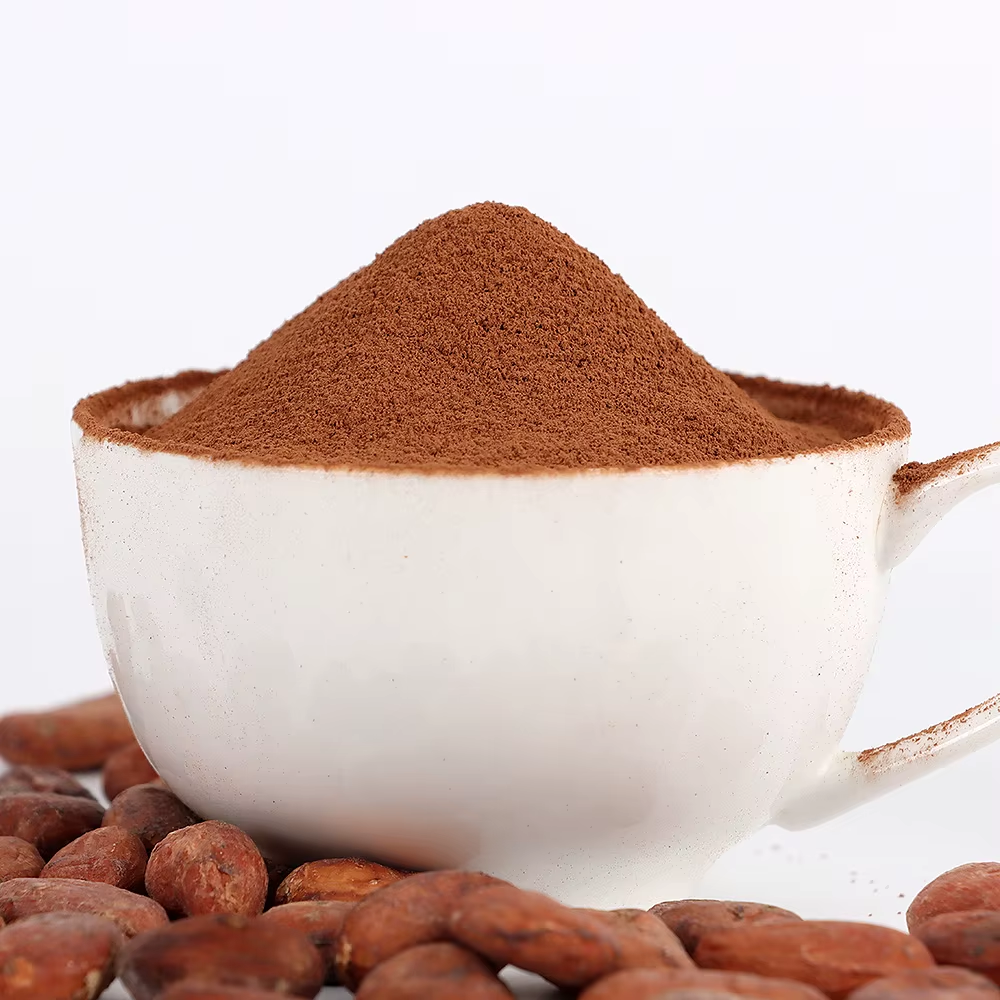
In the world of chocolate and cocoa-based production, the quality of raw materials can make or break your final product. Among these, alkalized cocoa powder stands out as a critical ingredient that not only affects color and flavor but also impacts processing efficiency and product consistency. Understanding quality standards for alkalized cocoa powder is vital for factory owners, production managers, and procurement officers who aim to deliver premium products while optimizing operational workflows.
At MT Royal, we supply manufacturers with a comprehensive range of alkalized cocoa powder brands at competitive prices. Through our experience working with various production facilities, we’ve seen firsthand how adhering to strict quality standards improves efficiency, reduces waste, and enhances the final product’s appeal. Premium options from Latamarko, with their Spanish-origin precision and reliability, often set the benchmark for top-tier quality in industrial production.
In this guide, we’ll explore everything from definitions, quality parameters, and common pitfalls to actionable tips for selecting the right cocoa powder for your production line.
Understanding Alkalized Cocoa Powder
What is Alkalized Cocoa Powder?
Alkalized cocoa powder, also known as Dutched cocoa, is treated with an alkalizing agent to neutralize its natural acidity. This process enhances solubility, deepens color, and gives chocolate products a smoother, less bitter taste. The alkalization process can vary depending on the manufacturer and intended end-use, making quality assessment critical.
Key Properties to Evaluate
When assessing alkalized cocoa powder for industrial use, consider:
- pH Level: Determines alkalization degree; affects flavor and color.
- Fat Content: Influences texture and mouthfeel.
- Particle Size: Impacts solubility and mixing efficiency.
- Color Consistency: Critical for chocolate bars, protein products, and beverages.
- Moisture Content: Excess moisture can lead to caking and spoilage.
Importance of Quality Standards in Manufacturing
High-quality cocoa powder ensures:
- Consistent Flavor and Color: Uniformity across batches prevents customer complaints.
- Processing Efficiency: Optimal particle size and low moisture content reduce downtime in mixers and extruders.
- Shelf Stability: Reduces oxidation, moisture absorption, and microbial risks.
- Regulatory Compliance: Meeting international food safety and labeling standards.
At MT Royal, we emphasize suppliers who adhere to ISO, HACCP, and FSSC 22000 standards, ensuring your ingredients comply with global regulations.
Common Quality Pitfalls and Misconceptions
Even experienced production managers sometimes encounter challenges:
- Inconsistent Batches: Switching suppliers without verifying quality can result in color or pH variation.
- Misjudging Solubility: Not all alkalized cocoa powders dissolve efficiently in milk or syrup-based formulations.
- Ignoring Microbial Standards: High moisture or poor storage conditions may cause contamination.
- Overlooking Supplier Reputation: Price alone should not dictate choice—long-term reliability matters more.
We’ve observed facilities that suffered production delays simply due to inconsistent cocoa powder from unverified suppliers. This reinforces the value of sourcing from trusted partners like MT Royal.
Evaluating Suppliers and Brands
Supplier Reliability
When selecting a supplier:
- Assess consistency across multiple shipments.
- Verify certifications and quality control protocols.
- Review delivery timelines and bulk handling experience.
Premium Brand Considerations
Brands like Latamarko offer:
- Stringent quality controls
- High solubility
- Optimal alkalization for industrial applications
- Consistent color and flavor profile
By considering premium options, manufacturers can reduce batch variability and improve end-product quality.
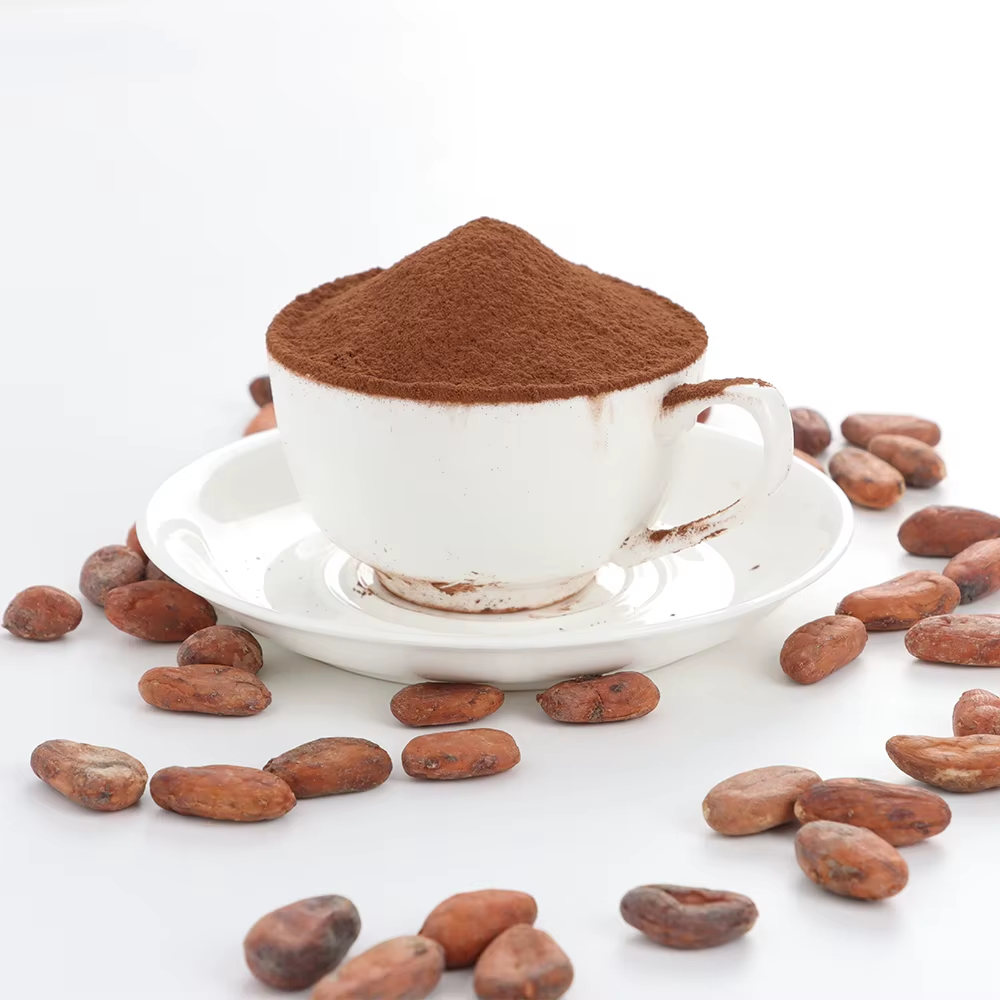
Industry-Specific Guidelines
Large-Scale Production Considerations
For factories producing thousands of chocolate bars, protein bars, or beverages:
- Bulk Storage: Requires controlled humidity and temperature.
- Automated Mixing: Particle size uniformity ensures smoother processing.
- Quality Testing: Batch testing for pH, fat, moisture, and color is critical before production.
Step-by-Step Supplier Assessment
- Request Samples: Test in your specific formulation.
- Evaluate Technical Specifications: Compare fat content, pH, and solubility.
- Check Certifications: ISO, HACCP, FSSC 22000.
- Pilot Runs: Validate performance under real production conditions.
Real-Life Industrial Insights
In our experience at MT Royal, chocolate producers who integrated premium alkalized cocoa powder saw:
- Reduced production downtime by 12%
- Improved color consistency across batches
- Higher customer satisfaction due to better flavor and texture
Small changes in quality control and supplier selection can have measurable financial and operational impacts.
Comparison Table: Standard vs Premium Cocoa Powders
| Feature | Standard Supplier | Latamarko / Premium Options |
|---|---|---|
| Solubility | Moderate | High |
| Color Consistency | Variable | Uniform |
| Particle Size | Mixed | Controlled |
| Alkalization Accuracy | Moderate | High |
| Regulatory Certifications | Basic | ISO, HACCP, FSSC 22000 |
FAQs for Factory Managers
Q1: How often should alkalized cocoa powder be tested?
A: Every batch or at least quarterly, depending on production volume.
Q2: Can alkalized cocoa powder affect shelf life?
A: Yes, higher quality powders with low moisture improve stability and reduce spoilage.
Q3: Are premium options worth the investment?
A: Absolutely, for high-volume production, premium brands minimize downtime, ensure consistency, and support brand reputation.
Conclusion
Selecting the right alkalized cocoa powder is far more than a cosmetic or flavor choice—it is a strategic decision with significant implications for production efficiency, product consistency, and long-term profitability. High-quality cocoa powder directly influences the texture, color, and taste of your chocolate products, affecting customer satisfaction and brand reputation.
By sourcing from reliable suppliers like MT Royal, manufacturers gain access to a broad range of tested, certified brands that meet industrial standards while ensuring cost-effectiveness. Additionally, considering premium options such as Latamarko provides added assurance for batch uniformity, precise alkalization, and operational efficiency.
Integrating such quality-focused ingredients not only reduces production risks but also enhances workflow reliability, minimizes waste, and strengthens procurement strategies. Factory managers and production supervisors who prioritize these standards can expect smoother operations, improved end-product quality, and a stronger market presence. Investing in quality at the raw material stage pays dividends in both operational efficiency and brand value.
latamarko alkalized cocoa powder lm60
cocoa powder for chocolate production-Best price
Food industry raw materials – list of products
Types of Gelatin from Turkish Manufacturer
Alkalized Cocoa Powder Bulk Supplier


No comment