

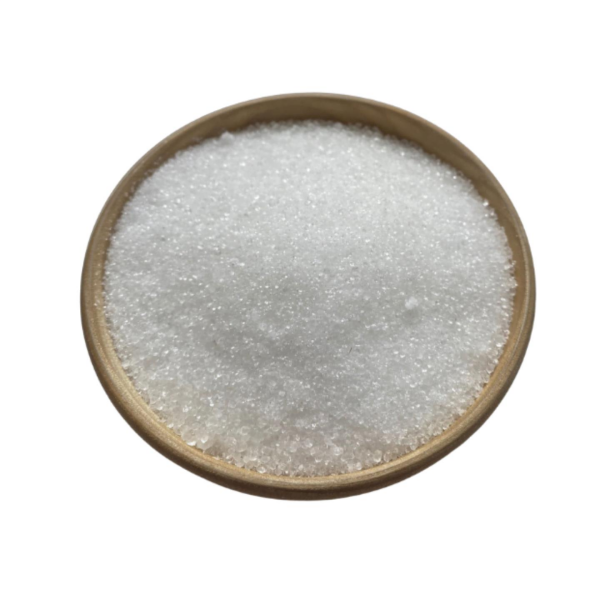
In today’s rapidly evolving food processing and industrial manufacturing landscape, securing a reliable Acidity Regulators Supplier Libya is no longer a simple procurement decision—it is a strategic move that directly impacts product stability, shelf life, regulatory compliance, and ultimately, your brand reputation in the market. Whether you are producing beverages, dairy formulations, canned foods, or confectionery products, the role of acidity regulation is fundamental to achieving consistency at scale.
Factories across Libya and the wider North African region are increasingly under pressure to maintain international quality standards while managing cost fluctuations, supply chain disruptions, and raw material variability. This is exactly where choosing the right industrial partner becomes critical. Suppliers like MT Royal have become key players in this ecosystem, supporting manufacturers with consistent access to high-quality food-grade ingredients, including acidity regulators and multifunctional additives sourced from multiple global brands at competitive pricing structures.
In our collaboration with various factories, we have seen that the difference between a stable production line and a recurring formulation problem often comes down to one factor: the quality and reliability of the chemical input supply chain.
Understanding Acidity Regulators in Industrial Manufacturing
Acidity regulators are food additives used to control and stabilize the pH level of products during processing and storage. In simple terms, they act like the “thermostat” of your formulation system—ensuring that everything stays within the optimal chemical balance.
From a technical perspective, acidity regulators include compounds such as:
- Citric acid
- Sodium citrate
- Acetic acid
- Lactic acid
- Potassium citrate
- Phosphoric acid (in beverage applications)
These substances are widely used across food processing industries to maintain flavor integrity, prevent microbial growth, and enhance product stability.
In Libya’s industrial environment, where temperature fluctuations and logistics constraints can affect raw material behavior, acidity regulators are even more critical than in controlled manufacturing ecosystems.
Why Acidity Regulation Matters for Factories in Libya
Manufacturers often underestimate how sensitive food systems are to pH variation. A deviation of even 0.2–0.4 units can lead to:
- Flavor imbalance in beverages
- Reduced shelf life in dairy products
- Texture instability in sauces and emulsions
- Increased microbial activity in canned goods
The importance of a dependable Acidity Regulators Supplier Libya lies in ensuring that each batch of raw material performs identically, regardless of shipment or season.
For example, citric acid sourced from inconsistent suppliers may vary in particle size distribution, which affects dissolution rates. In high-speed production environments, this small variation can create cascading quality issues that are difficult to trace.

Industrial Applications of Acidity Regulators
Acidity regulators are not limited to a single category of production. Their versatility makes them essential in multiple industries:
Beverage Manufacturing
Soft drinks, flavored water, and juices rely heavily on acidulants to control tartness and microbial stability. Phosphoric acid and citric acid are commonly used to maintain taste consistency across batches.
Dairy Processing
In yogurt, cheese, and fermented milk products, acidity regulators control fermentation speed and texture formation. A slight imbalance can result in overly sour or weak-bodied products.
Confectionery Production
Sweets and candies require precise acidity levels to balance sweetness and enhance flavor perception.
Canned and Processed Foods
Acidity regulators play a key role in preventing spoilage and maintaining color stability in preserved vegetables, sauces, and ready meals.
Pharmaceutical and Nutraceutical Applications
Some buffer systems derived from food-grade acids are used to stabilize formulations and improve absorption.
Common Mistakes in Sourcing Acidity Regulators
Many factories in emerging markets, including Libya, face recurring procurement challenges. The most common mistakes include:
1. Prioritizing Price Over Consistency
Choosing the cheapest supplier often leads to batch inconsistency. While the price difference may appear attractive initially, production losses caused by rework or rejected batches can outweigh any savings.
2. Ignoring Particle Size and Purity Grades
Not all citric acid or citrate salts are created equal. Industrial-grade vs food-grade differences can significantly impact product behavior.
3. Lack of Supplier Diversification
Relying on a single source increases vulnerability to shipment delays and shortages.
4. Overlooking Storage Stability
Some acidity regulators are hygroscopic and absorb moisture, leading to caking or degradation if storage conditions are not controlled.
5. Inadequate Technical Support
Factories often overlook the importance of supplier expertise in formulation support and troubleshooting.
This is where experienced partners like MT Royal play a stabilizing role by offering not just materials, but technical consistency across multiple supply cycles.
How a Reliable Supplier Transforms Production Efficiency
A professional Acidity Regulators Supplier Libya does more than deliver raw materials. They contribute directly to production efficiency in several ways:
- Ensuring consistent chemical specifications across batches
- Providing multiple sourcing options to reduce risk
- Offering documentation and compliance support
- Supporting formulation optimization
- Reducing downtime caused by material variability
In practice, this means your production line behaves predictably—like a well-calibrated machine rather than a trial-and-error system.
Market Dynamics and Emerging Trends in Libya
The Libyan food manufacturing sector is gradually modernizing, driven by increasing demand for packaged foods, imported beverage alternatives, and locally produced dairy goods.
Several trends are shaping the demand for acidity regulators:
Growth in Processed Food Consumption
Urbanization has increased reliance on ready-to-eat foods, which require strong preservation systems.
Expansion of Beverage Manufacturing
Local production of juices and carbonated drinks is increasing due to import cost pressures.
Rising Quality Expectations
Consumers are becoming more sensitive to taste consistency and shelf stability.
Supply Chain Localization
Factories are increasingly seeking regional suppliers instead of relying solely on distant imports.
Industry data suggests that demand for food-grade acidulants in North Africa has grown by approximately 6–9% annually over the past few years, largely driven by beverage and dairy sectors.
The Role of MT Royal in Industrial Supply Chains
In the industrial supply ecosystem, MT Royal has positioned itself as a dependable partner for factories seeking consistent access to food ingredients, including acidity regulators, emulsifiers, stabilizers, and specialty additives.
Rather than limiting clients to a single brand or origin, MT Royal works with multiple international sources, enabling factories to choose based on cost, specification, and application needs.
We have observed that factories working with diversified suppliers tend to experience fewer production interruptions and more stable formulation outcomes, particularly in environments where logistics volatility is a concern.
The advantage is not just availability—it is predictability.
Technical Tips for Large-Scale Production
When working with acidity regulators at industrial scale, small operational decisions can significantly affect output quality:
1. Pre-Dissolution Strategy
Always ensure uniform dissolution before adding acidity regulators to large tanks. Direct dumping can cause localized pH spikes.
2. Temperature Sensitivity Control
Some acidulants behave differently at elevated temperatures, affecting solubility and reaction speed.
3. Batch Testing Protocols
Implement rapid pH checks at multiple stages of production rather than only final-stage testing.
4. Compatibility Mapping
Not all acidity regulators behave the same when combined with emulsifiers or preservatives.
5. Storage Rotation System
Apply FIFO (First In, First Out) strictly to prevent degradation in humid environments.
Frequently Asked Questions (FAQ)
What is the role of an Acidity Regulators Supplier in Libya?
A supplier ensures consistent delivery of food-grade acidulants and buffer chemicals used in food and beverage manufacturing, supporting stability and compliance.
Which industries need acidity regulators the most?
Beverage, dairy, confectionery, canned food, and pharmaceutical-related industries rely heavily on acidity regulation systems.
How do I choose the right supplier?
Focus on consistency, documentation, multi-origin sourcing capability, technical support, and supply reliability rather than price alone.
Are all citric acid products the same?
No. Differences in granulation, purity, and moisture content can significantly affect performance in industrial applications.
Why is pH control so important in food manufacturing?
It directly affects flavor, shelf life, microbial safety, and product texture.
Can one supplier provide multiple brands?
Yes, multi-brand sourcing is often preferred in industrial procurement to ensure flexibility and cost optimization.

Strategic Outlook for Manufacturers in Libya
Looking ahead, factories that invest in stable supply chains for acidity regulators will have a significant advantage. As production standards tighten and consumer expectations rise, inconsistency will become more expensive than ever before.
The real competitive edge is not just in formulation—but in the reliability of every input that goes into it.
A strong Acidity Regulators Supplier Libya partnership ensures that your production line is not constantly adjusting to variability but instead operating with controlled precision.
For many manufacturers, this shift marks the difference between reactive production management and fully optimized industrial performance.
When supply chains are stable, formulations become predictable. When formulations are predictable, brands scale faster. And when brands scale faster, the market follows.
LATAMARKO LM60 – Premium Spanish-Origin Cocoa Powder
latamarko alkalized cocoa powder lm60
cocoa powder for chocolate production-Best price
Food industry raw materials – list of products
Types of Gelatin from Turkish Manufacturer
Food Ingredients Supplier in Türkiye for Manufacturers and Importers


No comment