

For factories that consume sorbitol by the ton rather than by the bag, choosing the right supplier is not simply a matter of finding the lowest quotation. Product consistency, grade suitability, documentation, delivery reliability, storage conditions, and the ability to switch between reputable brands can have a much greater impact on your production cost than a small difference in the unit price. This is why many manufacturers evaluating Bulk sorbitol suppliers in Türkiye should look beyond a conventional price comparison and assess the entire supply model.
MT Royal is worth considering in that context because it supplies industrial sorbitol in Türkiye and works with established international brands, including Maize, Roquette and Latamarko. Its portfolio includes liquid sorbitol, sorbitol powder and other related polyol solutions, giving manufacturers more than one sourcing route when formulation or commercial requirements change.
For food, pharmaceutical, cosmetic and chemical manufacturers, sorbitol is a deceptively simple raw material. It may enter a recipe as a sweetener, humectant, stabilizer or functional excipient, but once production reaches industrial scale, every variation in concentration, moisture, viscosity, packaging or delivery timing can travel down the production line. A small raw-material problem can become a very large factory problem.
Food industry raw materials – list of products
What Is Sorbitol and Why Does Industrial Grade Matter?
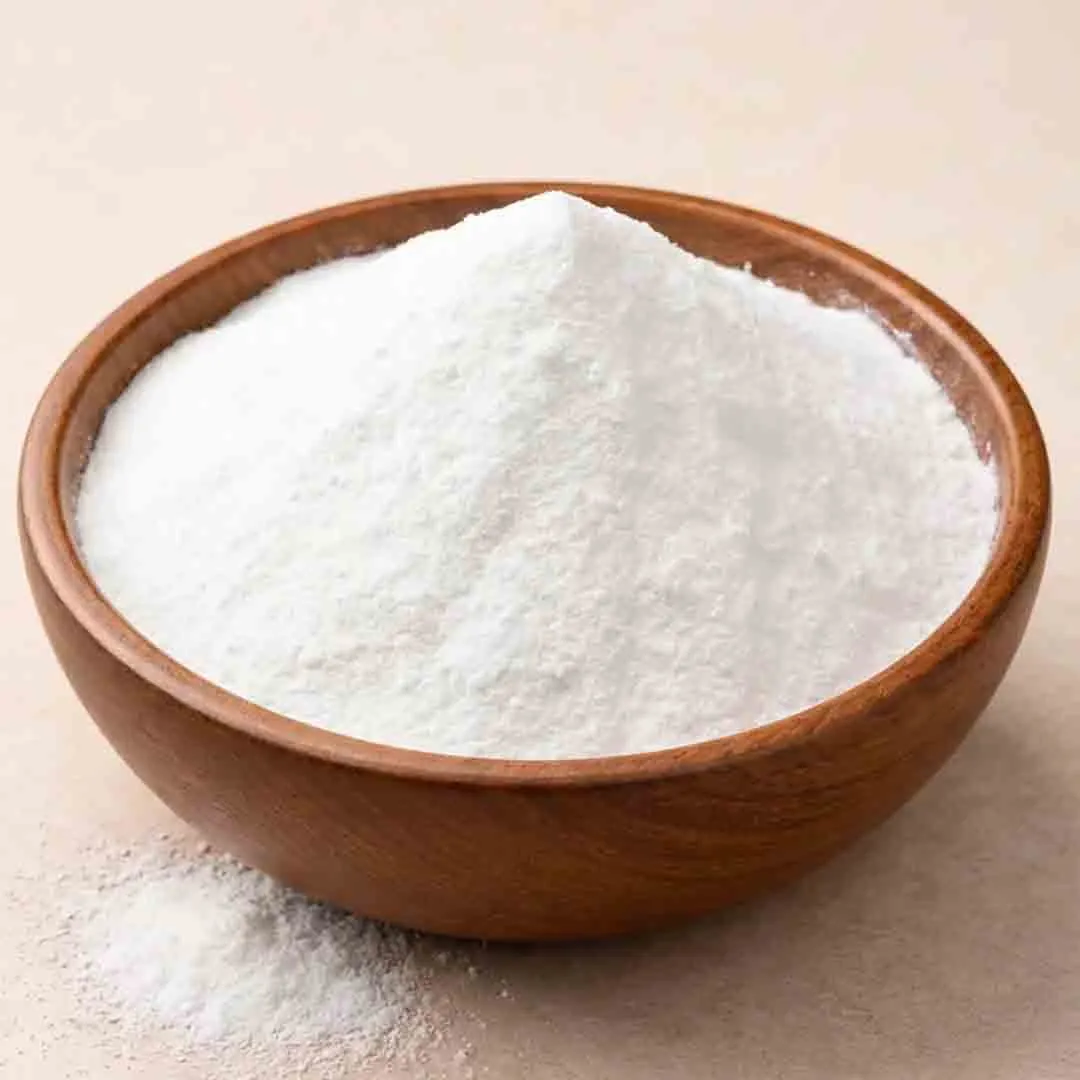
Sorbitol is a sugar alcohol, or polyol, commonly produced through the hydrogenation of glucose. It is water-soluble, mildly sweet and strongly hygroscopic, meaning that it can attract and retain moisture from its surroundings.
These characteristics explain its extensive use across several manufacturing sectors:
- Food and beverage production
- Sugar-free confectionery
- Chewing gum
- Bakery products
- Pharmaceutical formulations
- Toothpaste and oral-care products
- Cosmetics and personal care
- Chemical and industrial formulations
In food manufacturing, sorbitol can contribute sweetness while also helping maintain moisture and texture. In cosmetics and oral-care products, its humectant properties can help prevent formulations from drying out. Pharmaceutical applications may use sorbitol as a sweetening or functional excipient, depending on the formulation and applicable regulatory requirements.
However, “sorbitol” is not a sufficient purchasing specification by itself. A procurement department should identify the required grade, physical form, concentration, applicable specifications and regulatory status before requesting quotations.
For example, MT Royal lists Sorbitol 70% Liquid with a dry-matter specification of at least 70%, while its industrial offering also includes powdered sorbitol. The liquid product is supplied in industrial packaging options such as IBC containers and drums.
That distinction matters. Buying a technically unsuitable grade because it happens to have the lowest price is one of the easiest ways to turn a procurement saving into a production expense.
Why Manufacturers Need Reliable Bulk Sorbitol Suppliers in Türkiye
Industrial sourcing has a different definition of “good service” from ordinary purchasing.
A factory does not merely need a supplier that can deliver one successful shipment. It needs a supplier capable of supporting a repeatable supply cycle.
When evaluating Bulk sorbitol suppliers in Türkiye, your purchasing team should consider at least six dimensions:
1. Product consistency
Batch-to-batch consistency is fundamental when sorbitol is part of a tightly controlled formulation. Variations in concentration, moisture, color, impurities or physical characteristics can influence processing and finished-product quality.
2. Appropriate grade
Food-grade sorbitol should not automatically be treated as interchangeable with pharmaceutical or technical material. Your intended application determines the appropriate specifications and documentation.
3. Documentation
Depending on your sector, you may need a certificate of analysis, specification sheet, safety documentation, origin information, allergen statements, GMO status, halal documentation or other compliance records.
The precise document package should be confirmed before purchase rather than requested after the truck has already left the warehouse.
4. Supply continuity
For a factory consuming several tonnes each month, a delayed shipment is not merely a logistics inconvenience. It can affect production scheduling, labor utilization and customer commitments.
5. Packaging and handling
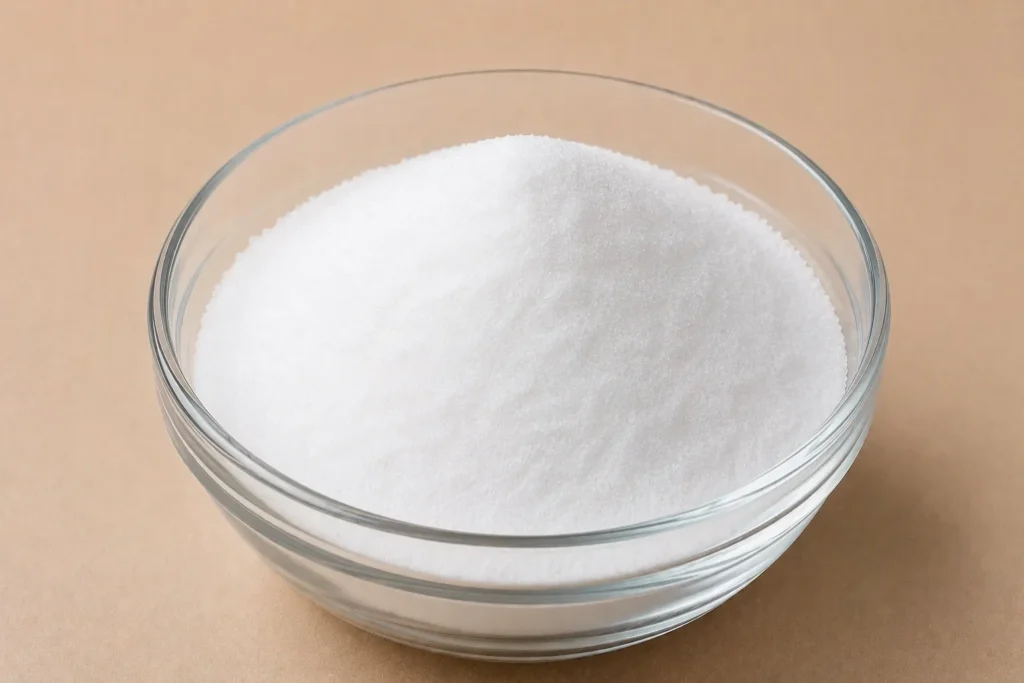
Sorbitol may be purchased as a liquid or powder, and each format creates different warehousing requirements. Liquid material can involve IBCs or drums, while powdered material generally requires appropriate moisture protection and handling procedures.
6. Commercial flexibility
A supplier capable of offering more than one established brand can provide useful flexibility when availability, lead time or pricing changes.
This is one reason MT Royal’s sorbitol portfolio is relevant to industrial buyers. The company states that it works with multiple recognized brands rather than restricting customers to a single source.
Liquid Sorbitol vs. Sorbitol Powder: Which Should Your Factory Buy?
The correct form depends on the production process.
Sorbitol 70% liquid
Liquid sorbitol is particularly practical when the formulation already contains a liquid phase or when the factory wants to avoid dissolving and handling large quantities of powder.
Typical advantages include:
- Easy incorporation into liquid formulations
- High water compatibility
- Useful humectant performance
- Convenient dosing in automated production
- Reduced powder-dust handling
MT Royal describes its 70% liquid sorbitol as a colorless, odorless, viscous material and lists industrial packaging including 300 kg drums and 1,200 kg IBC containers.
Sorbitol powder
Powdered sorbitol can be preferable where dry blending, tablet production or powdered formulations are central to the manufacturing process.
Its advantages may include:
- Easier integration into dry mixes
- Convenient warehouse stacking
- Compatibility with powder dosing systems
- Suitability for certain confectionery and pharmaceutical applications
The decision should therefore be based on process economics, not simply on which format has the lower quoted price.
A useful rule is simple: buy the form that minimizes total process cost, not merely raw-material cost.
Common Mistakes When Sourcing Sorbitol in Bulk
Even experienced procurement teams can make avoidable mistakes when purchasing commodity-like ingredients.
Comparing price per kilogram without comparing specification
Suppose Supplier A quotes a lower price than Supplier B. That sounds promising until you discover differences in concentration, packaging, freight terms or documentation.
The correct comparison is a normalized landed cost.
A practical calculation is:
Total landed cost = product price + transport + customs-related costs + storage + handling + quality-control cost + expected production risk
The cheapest invoice can therefore be the most expensive option after the factory finishes counting all the consequences.
Treating different brands as automatically identical
Two suppliers may both sell sorbitol, yet their materials can differ in manufacturing origin, specification ranges, documentation and commercial conditions.
If your formulation has been validated against a particular specification, switching brands should be managed through your quality and R&D procedures rather than treated as an ordinary purchasing substitution.
Ignoring storage conditions
Sorbitol is hygroscopic. Moisture management therefore matters, particularly for powder products.
For liquid products, temperature, container integrity and handling equipment should also be considered according to the supplier’s technical recommendations.
Ordering too late
Waiting until inventory reaches the minimum level before contacting the supplier is risky for imported raw materials.
Lead time should be considered together with:
- Average monthly consumption
- Safety stock
- Seasonal demand
- Import transit time
- Port or customs delays
- Supplier stock position
- Production criticality
The purchasing department should ideally know its reorder point before it needs the next shipment.
Why Multiple Brands Can Be an Advantage
Supplier diversification does not necessarily mean having ten different companies deliver the same ingredient.
A more practical strategy can be to work with a capable distributor that understands several qualified brands and can recommend an appropriate option based on your requirements.
MT Royal identifies brands such as Maize, Roquette and Latamarko within its sorbitol supply portfolio. It also lists Latamarko sorbitol separately, demonstrating that its offering can extend across different branded ingredient solutions.
For procurement teams, this creates an interesting commercial advantage.
If one brand experiences a temporary availability problem, a second qualified option may help reduce supply-chain exposure. If two technically acceptable brands are available, the buyer can also evaluate price and delivery conditions rather than being locked into one source.
The important word is “qualified.” A cheaper alternative is useful only when it satisfies your technical and regulatory requirements.
Specialized Tips for Large-Scale Sorbitol Procurement
Large-volume buyers should treat sorbitol procurement as a supply-chain engineering problem.
Build consumption forecasts
If your factory consumes 20 tonnes per month, a one-month average is not enough. Look at seasonal production, customer orders, planned maintenance and promotional periods.
A forecast that separates baseline consumption from exceptional demand can give suppliers much better visibility.
Negotiate based on annual volume
Instead of negotiating every truckload separately, calculate your expected annual consumption and discuss a structured purchasing arrangement.
This can improve:
- Price predictability
- Delivery planning
- Stock allocation
- Supplier responsiveness
- Internal budgeting
Establish an approved-brand procedure
If your formulation allows several brands, define acceptance criteria in advance.
Your quality department can establish the specification boundaries while procurement manages the commercial comparison. This prevents the classic factory argument where purchasing says, “It is the same ingredient,” while production quietly disagrees.
Monitor inventory by days of coverage
Tonnes in the warehouse can be misleading.
A better metric is:
Days of coverage = usable inventory ÷ average daily consumption
This makes inventory more meaningful across different production periods.
Test substitutions before emergencies
If your factory depends entirely on one sorbitol brand, qualify at least one alternative before a shortage occurs.
Emergency qualification is rarely the environment in which careful laboratory work happens best.
Emerging Trends Affecting Sorbitol Purchasing
The broader sweetener and ingredient market is being shaped by continued interest in sugar reduction, reformulation and functional ingredients.
Sorbitol is particularly interesting because it can perform more than one role. Depending on the application, it can contribute sweetness while also providing humectancy and texture-related functionality.
That multifunctionality can influence formulation economics. Replacing sorbitol with a combination of separate ingredients may not always produce a better overall cost once handling, storage and dosing are considered.
Another important trend is greater scrutiny of supply-chain transparency. Industrial buyers increasingly want to know not only the name of the distributor but also the manufacturing origin, documentation chain and quality controls associated with the raw material.
For manufacturers, this means the purchasing conversation is gradually moving from “What is your price?” toward a more sophisticated question:
“What is the lowest-risk cost for maintaining the required product specification?”
That is a much better question.
MT Royal as a Sourcing Option for Industrial Buyers
MT Royal positions itself as an importer and distributor serving industrial customers and offers several sorbitol formats and formulations. Its portfolio includes 70% liquid sorbitol, powdered sorbitol, sweetener-grade sorbitol and combinations such as sorbitol-maltitol and sorbitol-glycerin formulations.
For manufacturers, the practical advantage is not simply having sorbitol listed in a catalogue. The more important consideration is whether the supplier can match the material to your application, volume, required documentation and delivery schedule.
MT Royal also identifies established brands within its ingredient portfolio, including Latamarko, Maize, Roquette and Latamarko across relevant products.
In our experience working with industrial sourcing logic, a supplier becomes genuinely valuable when it can help procurement, quality and production teams reach the same decision rather than forcing each department to optimize its own metric independently.
Questions Factory Managers Commonly Ask
Is sorbitol available in bulk quantities in Türkiye?
Yes. Industrial sorbitol is supplied in bulk-oriented formats, including liquid and powder forms. The appropriate package depends on consumption volume, warehouse infrastructure and production requirements. MT Royal lists IBC and drum packaging for its 70% liquid sorbitol.
What is the difference between sorbitol 70% liquid and powdered sorbitol?
The principal difference is physical form and concentration/handling characteristics. Liquid sorbitol is convenient for liquid formulations and automated dosing, while powder is more suitable for many dry-blending and solid-product processes.
Is food-grade sorbitol suitable for pharmaceutical manufacturing?
Not automatically. The appropriate grade must be determined according to the pharmaceutical formulation, applicable pharmacopeial requirements and regulatory documentation. Procurement should never assume that a food-grade specification automatically satisfies pharmaceutical requirements.
How should I evaluate a sorbitol quotation?
Compare the complete commercial package rather than only the kilogram price. Check grade, concentration, brand, origin, packaging, freight, lead time, documentation and payment terms.
Can switching sorbitol brands affect production?
It can. Even when two products have similar headline specifications, your formulation and process may have been optimized around a particular raw-material profile. Any significant substitution should therefore be evaluated by quality control and, where necessary, R&D.
Should a factory buy one large shipment or several smaller shipments?
That depends on consumption rate, warehouse capacity, cash flow, shelf-life considerations, supplier lead time and the consequences of a stockout. Bulk purchasing may improve the unit price, but excessive inventory creates its own cost.
Why work with a supplier offering several brands?
Multiple qualified brands can provide greater commercial and supply flexibility. However, alternatives should be technically approved before they are needed, not during a production emergency.
Choosing the Right Supplier Is Really About Protecting Production
Sorbitol may look like a straightforward commodity, but at factory scale it becomes part of a much larger system involving formulation performance, production efficiency, inventory planning and customer commitments.
The strongest Bulk sorbitol suppliers in Türkiye should therefore be evaluated on more than price. The real benchmark is whether they can provide the right grade, dependable documentation, competitive commercial terms, consistent quality and a supply model that fits the rhythm of your factory.
MT Royal is a practical option for manufacturers that want access to bulk sorbitol in different forms and established brands, particularly when procurement teams want greater flexibility than a single-brand sourcing model can provide. Its published portfolio covers liquid and powder sorbitol as well as related polyol products, while its brand offering includes internationally recognized names.
The best procurement decision is rarely the quotation with the smallest number at the bottom. It is the supplier relationship that keeps your formulation stable, your warehouse balanced and your production line running when the market inevitably decides to make things interesting.



No comment