

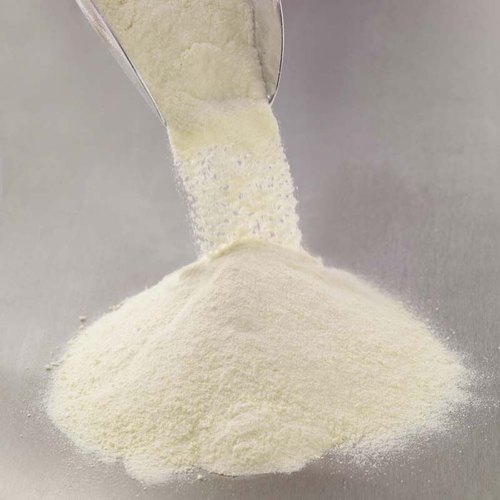
In the global food ingredient market, finding a balance between quality, reliability, and cost efficiency is one of the biggest challenges for manufacturers. For factories producing dairy products, bakery items, confectionery goods, nutritional powders, and processed foods, choosing an Affordable D20 Demineralized Whey Exporter can have a direct impact on production costs, product consistency, and long-term business performance.
D20 demineralized whey is a valuable dairy ingredient that allows manufacturers to achieve better control over mineral content while maintaining important whey components such as lactose and proteins. However, purchasing this ingredient internationally requires more than simply selecting the lowest-priced supplier. Product specifications, export experience, supply stability, and technical support all play an essential role in successful sourcing.
MT Royal helps industrial buyers access multiple brands of food ingredients at competitive prices, allowing factories to evaluate suitable options according to their production requirements. In large-scale manufacturing, every raw material matters. A small difference in ingredient performance can influence thousands of kilograms of finished products, making supplier selection a strategic decision rather than a simple purchase.
LATAMARKO LM60 – Premium Spanish-Origin Cocoa Powder
latamarko alkalized cocoa powder lm60
cocoa powder for chocolate production-Best price
Food industry raw materials – list of products
What Is D20 Demineralized Whey?
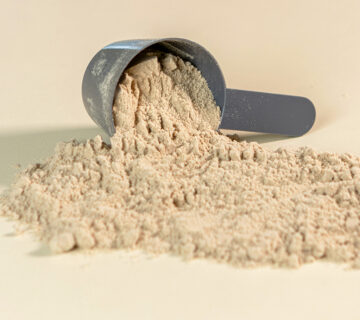
D20 demineralized whey is a dairy powder produced from whey, the liquid by-product obtained during cheese manufacturing. Through controlled processing methods, a portion of the natural minerals in whey is removed while valuable nutritional components remain.
The “D20” classification indicates approximately 20% demineralization. This means that the ingredient retains much of the natural whey composition while providing improved control compared with standard whey powder.
The main components of D20 demineralized whey include:
- Whey proteins: These provide nutritional value and contribute to functional properties in food formulations.
- Lactose: This dairy carbohydrate supports sweetness, browning reactions, and texture development.
- Reduced mineral content: Lower mineral levels help manufacturers achieve better formulation flexibility.
- Dairy solids: These contribute to the nutritional and sensory characteristics of finished products.
Unlike highly demineralized whey grades, D20 maintains more of the original whey profile, making it a practical choice for manufacturers seeking a balance between performance and affordability.
Why Affordable D20 Demineralized Whey Is Important for Manufacturers
Food manufacturers constantly manage multiple challenges, including rising ingredient costs, customer expectations, and strict quality requirements. Selecting an ingredient that provides reliable performance without unnecessary expenses can create a significant competitive advantage.
An Affordable D20 Demineralized Whey Exporter helps factories achieve several objectives:
- Cost-effective ingredient sourcing: D20 offers functional benefits without the higher cost associated with advanced demineralization levels.
- Stable production planning: Reliable supply reduces the risk of production interruptions.
- Consistent product quality: Standardized whey ingredients help maintain uniform results across batches.
- Flexible applications: D20 can be used in multiple food categories.
In our collaboration with various factories, we have seen that manufacturers often improve profitability when they evaluate the total value of ingredients rather than focusing only on the initial purchase price. A slightly better raw material choice can reduce waste, improve efficiency, and protect final product quality.
Main Applications of D20 Demineralized Whey
D20 demineralized whey is widely used across different food industries because of its balanced characteristics.
Dairy Product Manufacturing
Dairy manufacturers use whey ingredients to improve nutritional composition and enhance product functionality.
Common applications include:
- Milk powder blends.
- Dairy beverages.
- Yogurt formulations.
- Nutritional dairy products.
The controlled mineral profile allows manufacturers to create products with improved consistency while maintaining the benefits of dairy ingredients.
Bakery Industry Applications
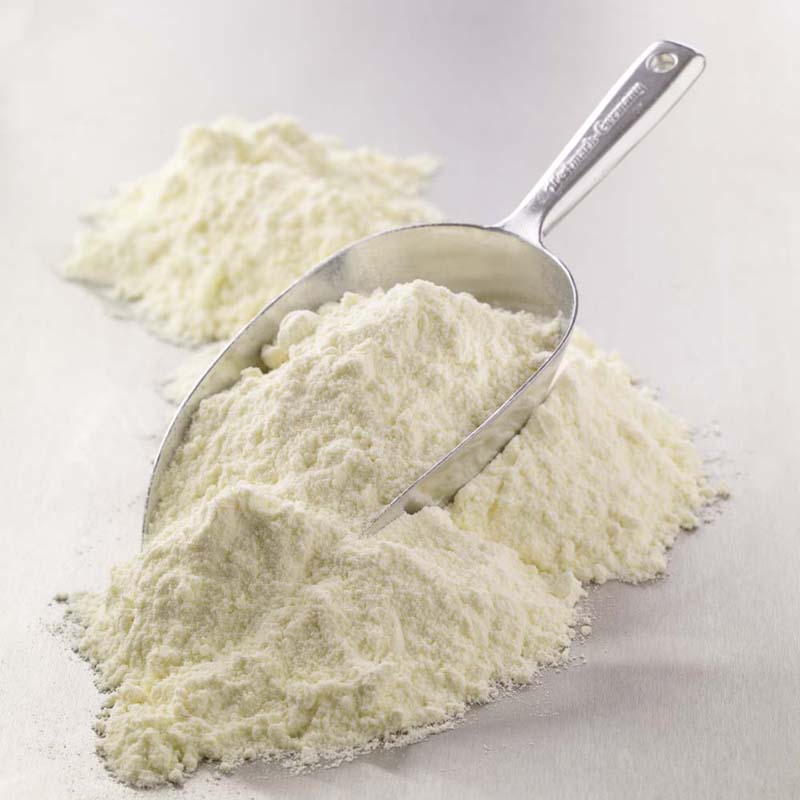
The bakery industry has long relied on whey ingredients because they provide both nutritional and functional advantages.
D20 demineralized whey can be used in:
- Cookies.
- Biscuits.
- Bread products.
- Cake mixes.
- Bakery premixes.
Lactose supports browning reactions, while whey proteins can contribute to improved texture and nutritional value.
For industrial bakeries, consistency is critical. When production volumes reach commercial scale, even minor differences in ingredients can affect appearance, flavor, and customer acceptance.
Confectionery Production
Sweet product manufacturers also benefit from whey-based ingredients.
D20 demineralized whey is suitable for:
- Milk candies.
- Chocolate fillings.
- Caramel products.
- Dessert powders.
- Sweet dairy formulations.
Its balanced composition allows confectionery manufacturers to achieve dairy flavor enhancement while maintaining better control over formulation.
Nutritional Foods and Powdered Products
The demand for functional and protein-based foods continues to grow globally. Manufacturers producing nutritional beverages, powdered blends, and specialized food products often use whey ingredients because of their recognized nutritional value.
D20 offers a practical option for companies seeking dairy functionality with controlled mineral content.
How to Select an Affordable D20 Demineralized Whey Exporter
Choosing an exporter requires careful analysis. Affordable pricing should always be combined with quality assurance and supply reliability.
Evaluate Product Specifications
Before placing bulk orders, manufacturers should review:
- Protein content.
- Lactose percentage.
- Moisture level.
- Ash content.
- Solubility.
- Microbiological standards.
These specifications determine whether the ingredient is suitable for a specific production process.
A professional exporter should provide complete technical documentation so buyers can make informed decisions.
Consider Export Experience and Logistics
International ingredient supply involves many steps, including documentation, transportation, and delivery coordination.
A reliable exporter should understand:
- Export regulations.
- International shipping requirements.
- Packaging standards.
- Delivery schedules.
A production line without ingredients is like a bakery without flour; everything may be ready, but nothing moves.
Check Brand Options and Supply Flexibility
Different manufacturers have different requirements. Some prioritize nutritional specifications, while others focus on cost optimization.
Working with suppliers that provide multiple brand options allows factories to select the best balance between quality and price.
MT Royal supports industrial customers by providing access to different ingredient brands at competitive prices, helping manufacturers choose solutions based on their actual needs.
Common Mistakes When Buying D20 Demineralized Whey
Many sourcing problems occur because companies focus on only one part of the purchasing process.
Choosing Only the Lowest Price
A low-cost ingredient may seem attractive, but inconsistent quality can create hidden expenses.
Additional costs may come from:
- Production adjustments.
- Increased waste.
- Quality problems.
- Delayed manufacturing schedules.
The best supplier is not always the cheapest supplier; it is the one that provides the best overall value.
Ignoring Quality Documentation
Without technical documents, manufacturers cannot accurately evaluate whether the product meets their requirements.
Quality certificates and product specifications provide essential information for production planning.
Not Matching Ingredient to Application
Different industries require different ingredient characteristics. A whey powder suitable for bakery products may not be ideal for specialized nutritional applications.
Manufacturers should always define their production goals before purchasing.
Neglecting Storage and Handling
Dairy powders require proper storage conditions. Exposure to moisture can affect powder quality and performance.
Factories should maintain:
- Dry warehouse conditions.
- Proper packaging protection.
- Controlled humidity.
- Efficient inventory rotation.
Industrial Tips for Using D20 Demineralized Whey Effectively
Large-scale manufacturers can improve results by following practical production strategies:
- Perform pilot testing before bulk purchasing: Small trials help confirm compatibility with existing recipes.
- Maintain quality monitoring systems: Regular checks help identify changes between shipments.
- Communicate technical requirements clearly: Suppliers can provide better recommendations when they understand the final application.
- Develop long-term sourcing plans: Stable supplier relationships improve production security.
We have found that manufacturers who treat ingredient sourcing as a strategic process usually achieve better consistency and stronger cost control over time.
D20 Demineralized Whey Compared With Other Whey Grades
Manufacturers often compare D20 with standard whey powder and higher demineralized whey grades.
Standard whey powder contains more of the original mineral content. It can be suitable for general applications but may provide less formulation flexibility.
Higher demineralized whey powders offer greater mineral reduction but typically come with increased costs.
D20 provides a middle solution with:
- Moderate mineral reduction.
- Good nutritional performance.
- Competitive pricing.
- Wide industrial usability.
This balance makes it attractive for manufacturers seeking reliable performance without excessive ingredient expenses.
Frequently Asked Questions About Affordable D20 Demineralized Whey Exporters
What does D20 mean in demineralized whey?
D20 means that approximately 20% of the minerals have been removed from whey through controlled processing.
Why do manufacturers choose D20 whey powder?
Manufacturers choose D20 because it offers a balance between cost efficiency, nutritional value, and formulation control.
Is D20 demineralized whey suitable for large factories?
Yes. It is commonly used in dairy, bakery, confectionery, and nutritional food production.
What should buyers check before selecting an exporter?
Buyers should evaluate quality documents, product specifications, supply reliability, pricing, and export experience.
How does MT Royal help food manufacturers?
MT Royal provides access to multiple ingredient brands and helps factories select suitable products based on technical and commercial requirements.
Building Stronger Manufacturing Through Smarter Ingredient Sourcing
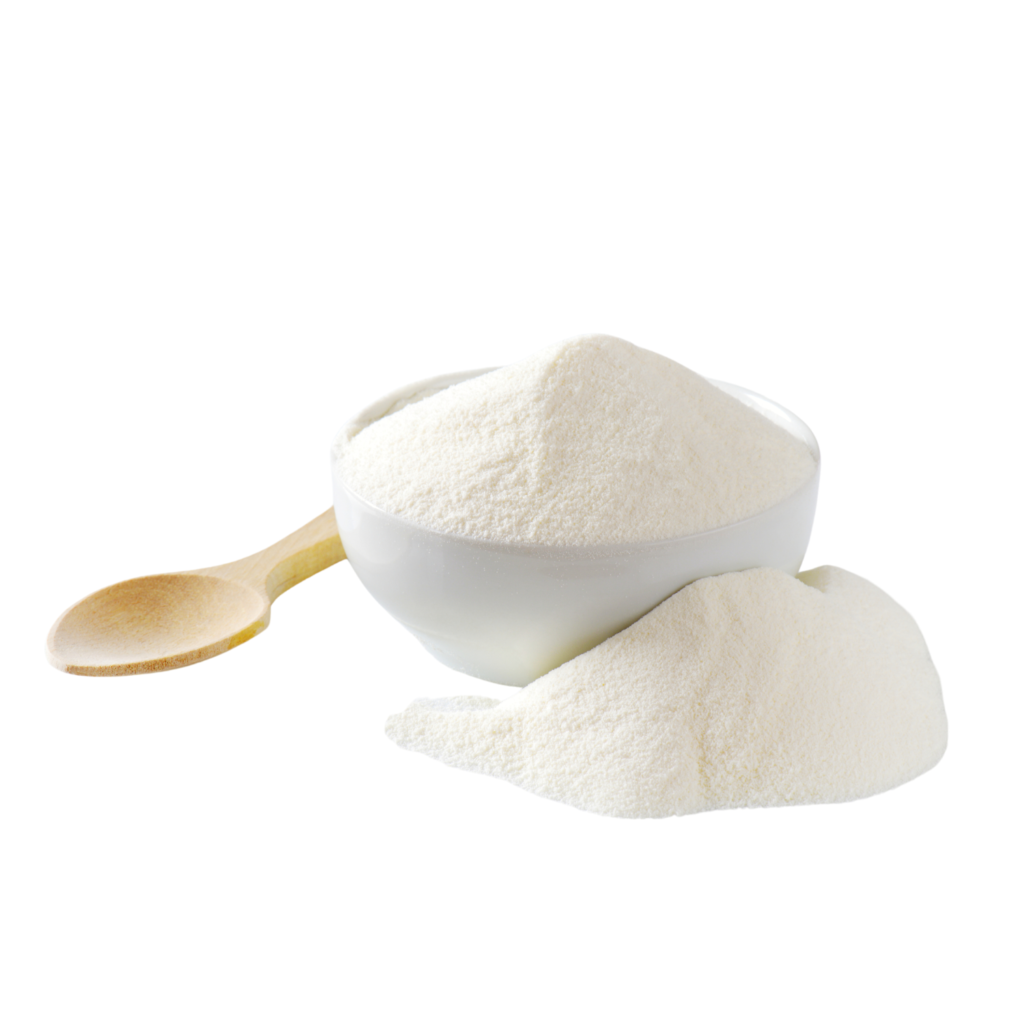
The food industry is becoming increasingly competitive, and manufacturers must carefully manage every part of their production process. Selecting an Affordable D20 Demineralized Whey Exporter allows factories to improve ingredient management, maintain quality standards, and control production costs.
A reliable exporter provides more than a shipment of powder. They provide confidence, consistency, and supply stability that support long-term manufacturing success. MT Royal helps businesses access multiple brands at competitive prices while making informed sourcing decisions.
The strongest food manufacturers understand that product quality begins with the first ingredient entering the factory. Choosing the right whey supplier is not simply a purchasing decision; it is an investment in efficiency, reliability, and the future reputation of the brand.


No comment