

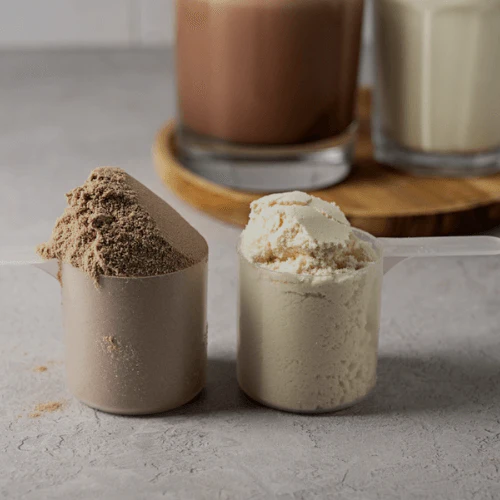
In the modern food manufacturing industry, selecting the right dairy ingredient can directly influence production efficiency, product quality, and market competitiveness. For factories producing dairy products, bakery items, confectionery goods, nutritional powders, and processed foods, choosing a reliable source of Low Demineralized Whey Powder Bulk is an important step toward achieving consistent formulations and stable production.
Low demineralized whey powder has become a practical ingredient solution for manufacturers that need the nutritional advantages of whey while maintaining better control over formulation and processing. Unlike highly demineralized grades, low demineralized whey retains more of the natural mineral profile of whey, making it suitable for applications where cost efficiency and functional performance are equally important.
MT Royal supports industrial manufacturers by providing access to multiple brands of food ingredients at competitive prices. By understanding the requirements of different production sectors, MT Royal helps factories select suitable whey-based ingredients according to their technical specifications, application needs, and purchasing goals.
For large-scale manufacturers, raw materials are more than simple ingredients. They are the foundation of every production batch. A small difference in composition can affect taste, texture, processing behavior, and customer satisfaction. This is why understanding the characteristics of Low Demineralized Whey Powder Bulk is essential for procurement managers and production specialists.
LATAMARKO LM60 – Premium Spanish-Origin Cocoa Powder
latamarko alkalized cocoa powder lm60
cocoa powder for chocolate production-Best price
Food industry raw materials – list of products
What Is Low Demineralized Whey Powder?
Low demineralized whey powder is a dairy ingredient produced from whey, the liquid by-product obtained during cheese production. During processing, a limited amount of minerals naturally present in whey is removed while maintaining the majority of whey’s original nutritional components.
Unlike high demineralized whey powders, low demineralized whey keeps more of the natural mineral balance, making it a cost-effective option for many food applications.
The main components of low demineralized whey powder include:
- Whey proteins: These proteins contribute nutritional value and functional benefits in various food formulations.
- Lactose: This natural milk sugar provides sweetness and supports browning reactions in baked products.
- Minerals: Reduced compared with standard whey but still present at meaningful levels.
- Dairy solids: These contribute to the overall texture and nutritional profile of finished products.
The purpose of low-level demineralization is not to completely remove minerals but to create a more controlled ingredient while preserving the natural characteristics of whey.
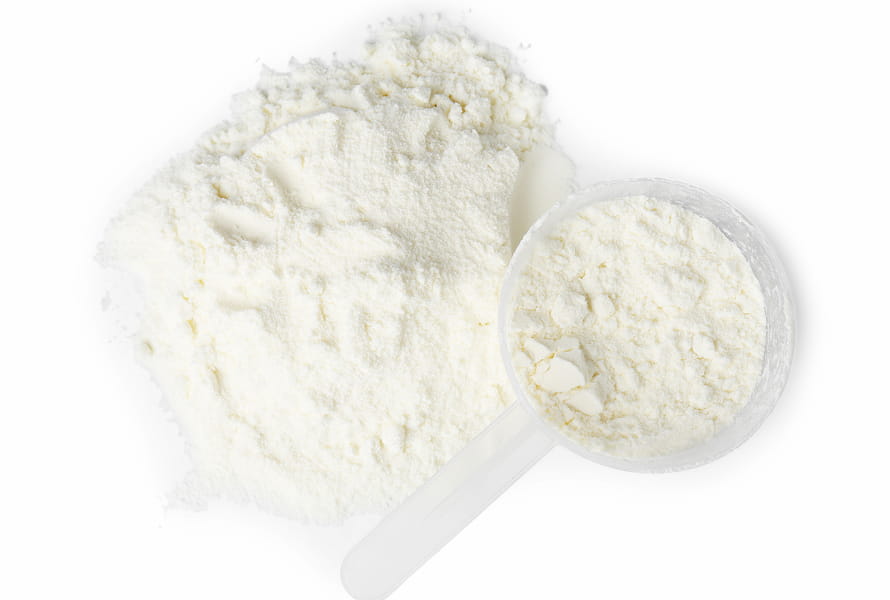
Why Low Demineralized Whey Powder Bulk Is Important for Manufacturers
Food manufacturers constantly balance quality, performance, and cost. Choosing an ingredient that provides the required functionality without unnecessary processing expenses can create significant advantages.
Low Demineralized Whey Powder Bulk offers several benefits for industrial production:
- Cost-effective dairy functionality: Because it requires less mineral removal compared with highly demineralized grades, it can provide economical performance for many applications.
- Natural whey characteristics: Manufacturers benefit from maintaining more of the original whey composition, including lactose and dairy solids.
- Flexible application potential: It can be used across multiple industries, making it a versatile ingredient for large-scale producers.
- Consistent batch performance: Bulk supply helps manufacturers maintain stable production planning and reduce ingredient shortages.
In our experience working with different food manufacturers, we have seen that companies often achieve better results when they select ingredients based on application requirements rather than focusing only on the lowest purchasing price. The right ingredient choice can reduce production complications and improve long-term efficiency.
Main Applications of Low Demineralized Whey Powder
Low demineralized whey powder is widely used throughout the food industry because it provides nutritional value and functional benefits at a competitive cost.
Dairy Products and Milk-Based Formulations
Dairy manufacturers frequently use whey ingredients to improve nutritional composition and enhance product characteristics.
Applications include:
- Milk powder blends.
- Dairy beverages.
- Yogurt-based products.
- Nutritional dairy formulations.
The ingredient helps manufacturers increase dairy solids while maintaining desirable product characteristics.
Bakery Industry Applications
The bakery sector is one of the largest users of whey-based ingredients. Lactose contributes to browning, while whey proteins can support texture development.
Low demineralized whey powder can be used in:
- Bread products.
- Biscuits.
- Cookies.
- Cakes.
- Bakery mixes.
For industrial bakeries, ingredient consistency is critical. When factories produce thousands of units daily, small differences in raw materials can create noticeable changes in the final product.
Confectionery Manufacturing
Confectionery producers use dairy ingredients to improve flavor, texture, and nutritional value.
Low demineralized whey powder can support the production of:
- Milk candies.
- Chocolate products.
- Caramel formulations.
- Dessert powders.
- Sweet fillings.
Because it maintains more natural whey characteristics, it can provide a balanced dairy profile for many sweet applications.
Animal Nutrition and Specialized Food Applications
Some manufacturers also use whey-based ingredients in specialized nutritional formulations where lactose and dairy solids provide functional benefits.
The versatility of low demineralized whey powder makes it valuable for different industrial sectors.
Key Factors When Choosing a Low Demineralized Whey Powder Supplier
Selecting the right supplier requires careful evaluation. A professional supplier should provide not only competitive pricing but also reliable quality and technical support.
Product Specifications and Quality Control
Before purchasing bulk quantities, manufacturers should review important technical parameters, including:
- Protein content.
- Lactose level.
- Moisture percentage.
- Ash content.
- Solubility.
- Microbiological specifications.
These details determine whether the ingredient matches the requirements of a specific production process.
Bulk Packaging and Storage
Because industrial buyers purchase large volumes, packaging quality is essential. Dairy powders must be protected from moisture and contamination during transportation and storage.
Factories should consider:
- Warehouse humidity control.
- Proper packaging systems.
- Inventory rotation practices.
- Shelf-life management.
A high-quality ingredient can lose performance if storage conditions are neglected.
Supplier Reliability and Availability
A reliable supplier should have the ability to support continuous production requirements. Ingredient shortages can interrupt manufacturing schedules and increase operational costs.
MT Royal works with multiple ingredient brands, allowing manufacturers to compare available options and select products that fit their technical and commercial needs.
Common Mistakes When Purchasing Low Demineralized Whey Powder Bulk
Many companies face challenges because they evaluate suppliers using limited criteria.
Focusing Only on Purchase Price
Price is important, but it should not be the only consideration. A lower-cost ingredient with inconsistent quality may increase expenses through production problems and waste.
The true value of an ingredient includes its impact on the entire manufacturing process.
Ignoring Application Compatibility
Different food products require different ingredient characteristics. A whey powder suitable for bakery products may not perform the same way in beverage or nutritional formulations.
Manufacturers should always evaluate whether the ingredient matches their intended application.
Neglecting Supplier Documentation
Professional sourcing requires access to technical information, quality records, and product specifications.
Without proper documentation, factories cannot accurately evaluate ingredient suitability.
Poor Storage Management
Even high-quality whey powder can experience quality issues if stored incorrectly.
Manufacturers should maintain dry, clean, and controlled warehouse environments.
Industrial Tips for Using Low Demineralized Whey Powder Effectively
Large-scale producers can improve results by following several practical strategies:
- Conduct production trials before bulk purchasing: Testing helps identify how the ingredient interacts with existing formulations.
- Maintain consistent formulation records: Accurate documentation helps reduce production variation.
- Monitor incoming shipments: Regular quality checks ensure that supplied materials meet expectations.
- Communicate clearly with suppliers: Sharing technical requirements allows suppliers to recommend suitable products.
We have noticed that factories with strong cooperation between purchasing teams, quality departments, and suppliers usually achieve better ingredient performance and fewer production challenges.
Low Demineralized Whey Powder Compared With Highly Demineralized Whey
Manufacturers often compare low demineralized whey with higher demineralization grades.
Highly demineralized whey powders provide greater mineral reduction and are often selected for sensitive applications requiring strict mineral control.
Low demineralized whey powder offers:
- More natural whey characteristics.
- Lower processing cost.
- Good nutritional value.
- Broad industrial usability.
For many manufacturers, this balance makes low demineralized whey a practical choice for everyday production needs.
Frequently Asked Questions About Low Demineralized Whey Powder Bulk
What is low demineralized whey powder?
It is whey powder that has undergone limited mineral removal while maintaining most of the natural whey composition.
Why do manufacturers use low demineralized whey powder?
Manufacturers use it because it provides dairy functionality, nutritional benefits, and cost efficiency.
Is bulk whey powder suitable for large factories?
Yes. Bulk packaging is commonly used by industrial manufacturers that require continuous ingredient supply.
How should whey powder be stored?
It should be stored in dry, temperature-controlled conditions with protection from moisture.
How can companies choose a reliable supplier?
Companies should evaluate product quality, technical support, supply reliability, available brands, and pricing structure.
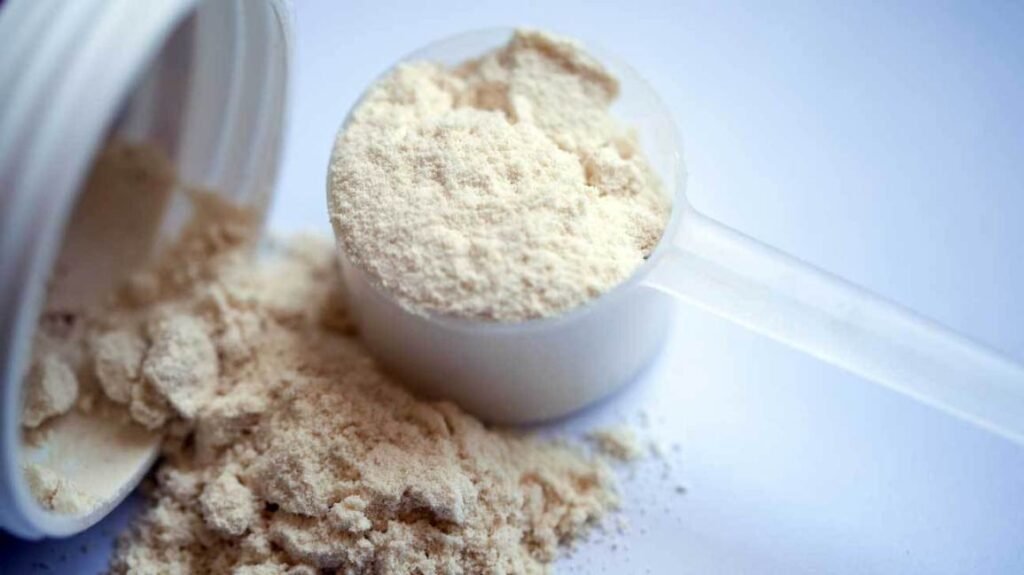
Creating Better Production Outcomes Through Smarter Ingredient Decisions
The food industry rewards manufacturers that understand the importance of every production decision. Choosing the right Low Demineralized Whey Powder Bulk supplier allows factories to improve consistency, control costs, and maintain reliable product quality.
A dependable ingredient partner provides more than raw materials. They provide supply stability, technical understanding, and confidence throughout the manufacturing process. MT Royal helps factories access multiple ingredient brands at competitive prices and make informed sourcing decisions based on real production requirements.
In a competitive market, successful manufacturers know that quality begins long before the final product reaches consumers. The ingredients selected at the beginning of the process become part of the reputation built at the end.


No comment