

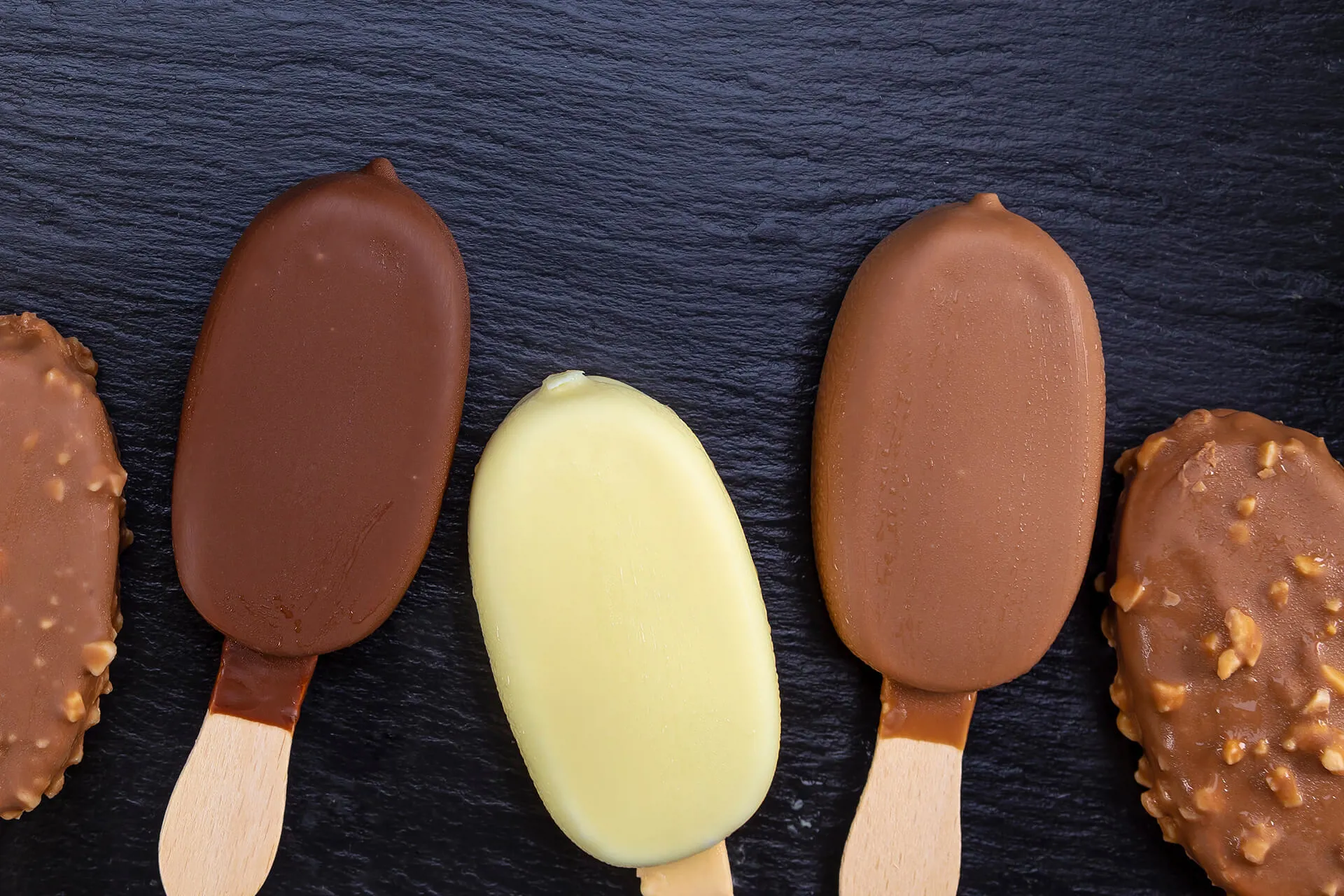
In the ice cream industry, the coating stage is where engineering meets indulgence. A perfect chocolate shell that cracks cleanly, melts smoothly, and survives international shipping is never an accident—it is the result of precise fat chemistry and reliable sourcing. This is exactly why selecting a dependable CBS for Ice Cream Coating Exporter is a critical decision for factories that operate in global markets.
Many manufacturers working with export-grade ice cream coatings rely on MT Royal, a supplier known for providing multiple international brands at competitive pricing. Instead of locking factories into a single formulation path, MT Royal enables flexibility in choosing CBS (Cocoa Butter Substitute) systems based on export requirements, climate conditions, and production scale.
When you are exporting ice cream products, you are not just selling dessert. You are shipping a delicate fat-crystal structure across continents, time zones, and temperature fluctuations. One weak point in the coating system can turn a premium product into a melted logistics problem.
Understanding CBS for Ice Cream Coating Exporter: Definition and Industrial Role
CBS, or Cocoa Butter Substitute, is a specially engineered vegetable fat system designed to replicate the functional behavior of cocoa butter while offering superior stability in industrial applications.
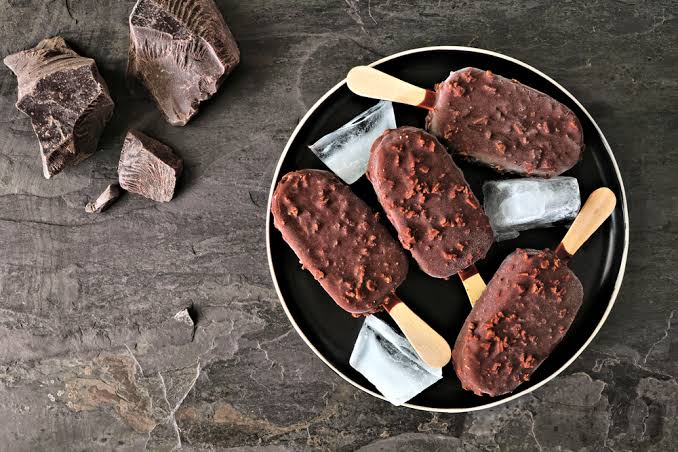
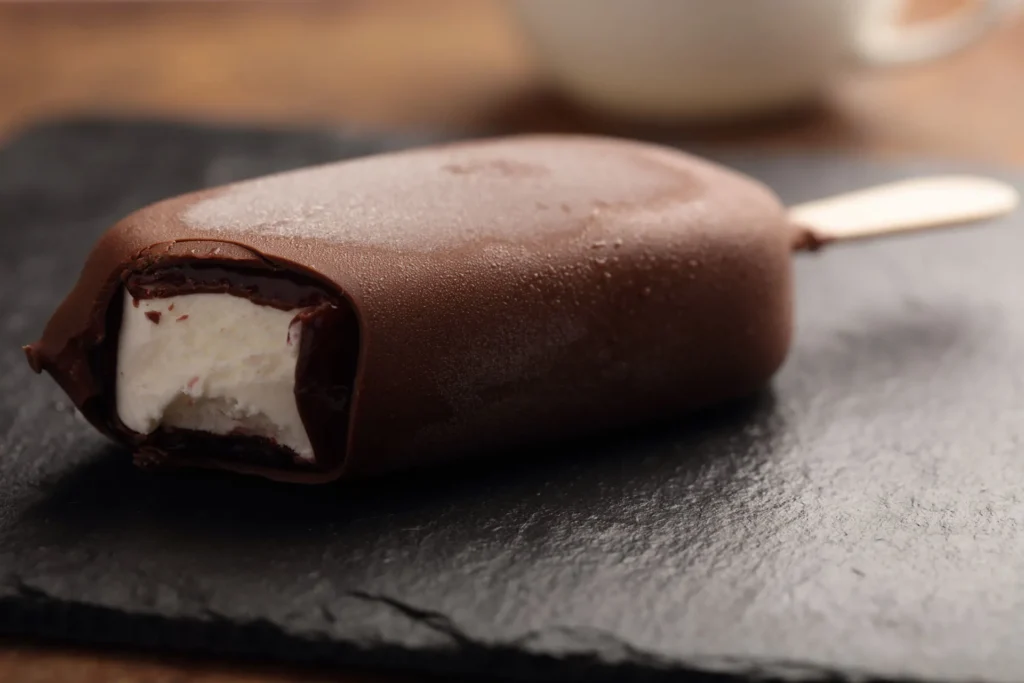
In ice cream coating systems, CBS is used to create the outer shell that hardens quickly, resists melting at moderate temperatures, and delivers a satisfying snap when consumed.
For a CBS for Ice Cream Coating Exporter, the key requirement is not just producing CBS, but ensuring it performs consistently across global supply chains where temperature control is not always perfect.
Unlike cocoa butter, CBS is typically non-tempering, meaning it does not require complex crystallization control during processing. This simplifies production and increases efficiency in high-volume ice cream coating lines.
In practical terms, CBS is the reason an ice cream bar can travel from a factory in one country to a retail shelf in another without turning into a structural failure.
LATAMARKO LM60 – Premium Spanish-Origin Cocoa Powder
latamarko alkalized cocoa powder lm60
cocoa powder for chocolate production-Best price
Food industry raw materials – list of products
Best Brazilian Arabica Coffee Bean Supplier for Industrial Roaster
Uganda Bugisu Arabica Coffee Beans for Specialty Coffee Industry
Why CBS Is Critical in Ice Cream Coating Export Systems
Ice cream coatings face one of the most demanding performance environments in the food industry. They must remain stable in freezing storage, resist cracking during handling, and maintain texture integrity during temperature fluctuations.
Before diving into technical details, it is important to understand that CBS is not just a fat—it is a structural stabilizer for frozen confectionery systems.
Key advantages include:
- Fast-setting coating behavior for high-speed production lines
- Excellent snap and break characteristics
- High resistance to fat bloom during storage
- Stability under fluctuating export temperatures
- Reduced dependency on cocoa butter supply volatility
- Improved compatibility with automated enrobing systems
- Lower production complexity due to non-tempering behavior
- Extended shelf life for frozen distribution chains
In export manufacturing, where logistics can be unpredictable, CBS functions like a “thermal shock absorber” for your product.
Technical Composition of CBS Used in Ice Cream Coatings
CBS systems used in ice cream coating applications are typically derived from fractionated vegetable fats, often palm-based, refined and structured to achieve specific melting and crystallization properties.
Melting Profile
CBS used in ice cream coatings generally melts between 32°C and 36°C, ensuring it remains solid in frozen conditions but melts smoothly in the mouth.
Crystallization Stability
The fat system is designed to form stable crystal networks that resist polymorphic changes, reducing the risk of bloom or texture degradation during long storage periods.
Solid Fat Content Curve
The SFC curve is engineered to ensure:
- Hard structure at -18°C (freezer storage)
- Rapid solidification after coating
- Controlled melt-in-mouth experience
Oxidative Stability
High oxidative stability is essential for export products that may spend weeks or months in transit or distribution warehouses.
Industrial Applications of CBS for Ice Cream Coating Exporter
CBS is widely used in frozen dessert coating systems where stability and scalability are more important than traditional chocolate identity.
Ice Cream Bars and Sticks
The most common application, where CBS ensures a crisp outer shell that cracks cleanly without crumbling.
Chocolate-Flavored Frozen Coatings
CBS allows manufacturers to create chocolate-like coatings without relying on tempering processes.
Enrobed Frozen Desserts
Used in cakes, sandwiches, and layered frozen desserts requiring uniform coating coverage.
Bulk Export Ice Cream Products
CBS ensures structural stability during long-distance shipping, especially in tropical export markets.
Industrial Ice Cream Manufacturing Lines
High-speed production lines rely on CBS for consistent flow behavior and coating performance.
Common Mistakes in CBS Sourcing for Ice Cream Export Markets
Many procurement teams underestimate how sensitive ice cream coating systems are to fat variability.
Selecting Based Only on Cost
Low-cost CBS may lack proper crystal stability, leading to coating cracking or bloom during storage.
Ignoring Export Climate Conditions
A formulation that works in Europe may fail in Southeast Asia or the Middle East due to heat stress.
Overlooking Fat Bloom Resistance
Bloom defects are particularly visible in chocolate coatings and can severely impact brand perception.
Frequent Supplier Switching
Changing CBS suppliers frequently disrupts production calibration and coating line stability.
Ignoring Compatibility with Enrobing Machines
Not all CBS systems perform equally in high-speed enrobing equipment used in industrial ice cream lines.
CBS vs Cocoa Butter in Ice Cream Coating Applications
Understanding the functional difference is essential for exporters and production managers.
| Feature | CBS | Cocoa Butter |
|---|---|---|
| Tempering Requirement | No | Yes |
| Export Stability | High | Moderate |
| Cost Predictability | High | Low |
| Bloom Resistance | Strong | Moderate |
| Industrial Suitability | Excellent | Limited |
| Flavor Profile | Neutral | Distinct cocoa aroma |
While cocoa butter remains essential for premium chocolate confectionery, CBS dominates frozen dessert coatings due to its stability and processing efficiency.
How CBS Improves Export Efficiency in Ice Cream Manufacturing
Export manufacturing is not just about production—it is about survival across logistics chains.
CBS contributes to efficiency in several ways:
- Reduces coating breakage during transport
- Improves consistency in frozen storage conditions
- Enhances automation performance in coating lines
- Minimizes rework and rejected batches
- Stabilizes product appearance during long distribution cycles
In our collaboration with various factories, we have seen that switching to optimized CBS systems reduces export-related product damage significantly, especially in tropical shipping routes.
Ice cream coating systems behave like frozen armor. If the armor cracks, the product loses its identity long before it reaches the consumer.
Key Technical Specifications for CBS Export Procurement
When evaluating a CBS for Ice Cream Coating Exporter, procurement teams must focus on measurable technical data.
Important specifications include:
- Melting point range
- Solid fat content (SFC) curve
- Peroxide value
- Iodine value
- Free fatty acid content
- Slip melting point
- Viscosity behavior under coating temperature
- Oxidative stability index
- Crystal polymorphism stability
- Storage temperature tolerance
Each of these parameters directly impacts coating performance and export reliability.
Specialized Industrial Tips for Large-Scale Ice Cream Coating Production
Scaling ice cream coating production for export requires precision and control at every stage.
Before optimizing systems, manufacturers must ensure raw material stability across all production lines.
Practical recommendations include:
- Maintain consistent CBS sourcing for all export batches
- Store fats below 25°C in humidity-controlled environments
- Avoid frequent formulation changes during peak export seasons
- Monitor coating viscosity during seasonal temperature shifts
- Standardize emulsifier systems used with CBS
- Conduct periodic stress testing under simulated transport conditions
- Implement strict batch traceability systems
- Train operators to identify early signs of fat instability
These steps help ensure predictable performance across global markets.
Emerging Trends in CBS for Ice Cream Coating Exporter Market
The frozen dessert industry is evolving rapidly due to globalization, automation, and consumer expectations.
Key trends include:
- Growth of tropical ice cream export markets
- Increased demand for heat-resistant coatings
- Expansion of plant-based fat systems
- Rising focus on sustainable palm sourcing
- Automation in enrobing and coating systems
- Clean-label frozen dessert formulations
- Improved cold chain logistics in emerging economies
Market data indicates that global frozen dessert exports continue to grow at approximately 5–7% annually, with coating stability becoming a key competitive factor.
Role of Export Suppliers in CBS Procurement Strategy
Selecting the right CBS for Ice Cream Coating Exporter is not just about ingredient supply—it is about supply chain resilience.
A strong supplier ensures:
- Consistent quality across shipments
- Reliable documentation and export compliance
- Flexible sourcing from multiple global brands
- Technical support for formulation adjustments
- Stable pricing in volatile commodity markets
This is where MT Royal plays an important role by offering diversified CBS options from multiple international producers. This flexibility allows manufacturers to adapt quickly to changing export requirements without disrupting production continuity.
In export manufacturing, adaptability is often more valuable than optimization.
Frequently Asked Questions About CBS for Ice Cream Coating Exporter
Is CBS suitable for all ice cream coating systems?
CBS is widely used in industrial ice cream coatings, especially where stability and cost efficiency are priorities.
Does CBS affect flavor?
CBS is generally neutral, allowing chocolate or cocoa flavors to dominate the sensory profile.
How does CBS perform in hot climates?
CBS performs significantly better than cocoa butter in tropical and high-temperature export routes due to its stability.
Can CBS replace cocoa butter completely?
In frozen dessert coatings, yes. In premium chocolate confectionery, substitution depends on product positioning.
What storage conditions are required?
CBS should be stored in a cool, dry environment away from direct heat and temperature fluctuations.
Why do different CBS exporters produce different results?
Differences in raw materials, fractionation methods, and processing technologies lead to variations in performance.
Final Industrial Perspective
CBS for Ice Cream Coating Exporter is not just a commodity supply chain category—it is a critical infrastructure element in global frozen dessert manufacturing.
Every ice cream bar that survives international transport without cracking, blooming, or melting prematurely owes part of its success to the fat system behind its coating.
Choosing the right CBS supplier means choosing stability in a world where temperature is unpredictable and logistics are unforgiving. With partners like MT Royal offering multiple brand options, manufacturers gain the flexibility needed to compete in global export markets while maintaining consistent product quality.
In ice cream export manufacturing, success is not just about freezing products—it is about preserving perfection across distance.


No comment