

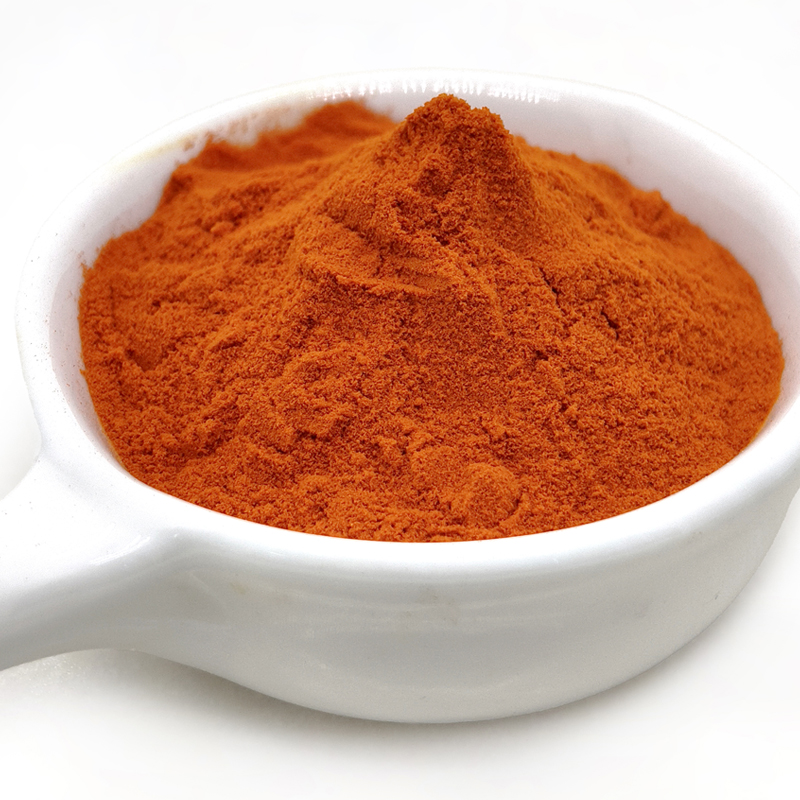
For factories searching for reliable Food coloring powders wholesale solutions, choosing the right supplier is not simply a purchasing decision; it is a key factor that affects product appearance, consumer trust, production efficiency, and brand reputation. MT Royal helps manufacturers access multiple brands of food coloring ingredients at competitive prices, allowing production teams to select suitable options based on technical requirements, budget considerations, and application needs.
In modern food manufacturing, color is one of the first things customers notice. Before tasting a candy, beverage, bakery product, or snack, consumers judge it visually. A bright red confectionery, a naturally colored beverage, or a perfectly consistent bakery filling depends on accurate color selection and reliable supply. For industrial producers, inconsistent coloring materials can create expensive problems, from rejected batches to unstable product appearance across different markets.
The demand for high-quality food coloring powders continues to grow as manufacturers expand product lines, enter international markets, and respond to consumer expectations for attractive and clean-label products. Understanding how to source these ingredients effectively helps factories reduce risks and improve long-term production performance.
LATAMARKO LM60 – Premium Spanish-Origin Cocoa Powder
latamarko alkalized cocoa powder lm60
cocoa powder for chocolate production-Best price
Food industry raw materials – list of products
Types of Gelatin from Turkish Manufacturer
What Are Food Coloring Powders?
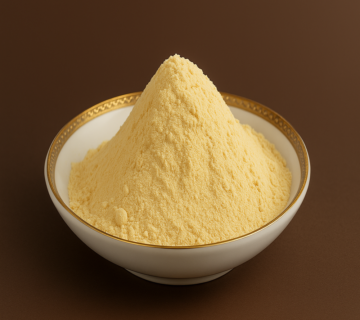
Food coloring powders are concentrated color additives designed to enhance or restore the appearance of food and beverage products. Unlike liquid colors, powder-based food colors offer advantages in storage, transportation, concentration, and formulation flexibility.
These powders are produced from different sources, including natural pigments, plant extracts, and synthetic color compounds approved for food applications. Their primary purpose is to provide stable and consistent coloration while meeting regulatory standards.
Common categories include:
- Natural food color powders
- Synthetic food color powders
- Water-soluble color powders
- Oil-soluble pigments
- Spray-dried color powders
For industrial buyers, selecting the correct type depends on the final product. A beverage factory may require a highly soluble pigment, while a snack manufacturer may need a heat-resistant powder capable of surviving high-temperature processing.
Why Food Coloring Powders Wholesale Are Important for Manufacturers
Large-scale production requires consistency. When thousands or millions of units are produced every month, even small differences in color intensity can become visible to customers.
Wholesale purchasing provides several advantages for factories:
- Lower ingredient cost through bulk purchasing
- Improved production planning
- Stable supply availability
- Reduced packaging waste
- Better supplier relationships
However, wholesale sourcing is not only about buying larger quantities. Professional manufacturers evaluate supplier capability, quality systems, documentation, and technical support.
A low-cost supplier without reliable quality control may create hidden expenses. A color variation that forces a factory to adjust formulations or discard finished products can cost far more than the initial savings.
Types of Food Coloring Powders Used in Industrial Production
Choosing the right coloring powder requires understanding the characteristics of each option.
Natural Food Coloring Powders
Natural colors are derived from sources such as fruits, vegetables, flowers, and minerals. They are increasingly popular because many consumers prefer recognizable ingredients.
Examples include:
- Beetroot powder for red shades
- Turmeric-based pigments for yellow colors
- Spirulina-derived colors for blue and green applications
- Anthocyanin pigments from fruits
Advantages:
- Strong consumer acceptance
- Suitable for clean-label products
- Supports natural product positioning
Challenges:
- Some natural pigments are sensitive to heat, light, or pH changes
- Color intensity may vary depending on raw material sources
Synthetic Food Color Powders
Synthetic food colors are manufactured under controlled conditions to provide strong stability and predictable performance.
Advantages:
- High color concentration
- Excellent batch consistency
- Better stability in demanding applications
They are commonly used in confectionery, beverages, snacks, and processed foods where precise color matching is essential.
Water-Soluble and Oil-Soluble Powders
Solubility is a critical factor for manufacturers.
Water-soluble powders are commonly used in:
- Drinks
- Syrups
- Dairy products
- Candy coatings
Oil-soluble powders are suitable for:
- Chocolate products
- Fat-based fillings
- Bakery applications containing oils
Selecting the wrong solubility type is a common mistake that can lead to uneven coloring and production problems.
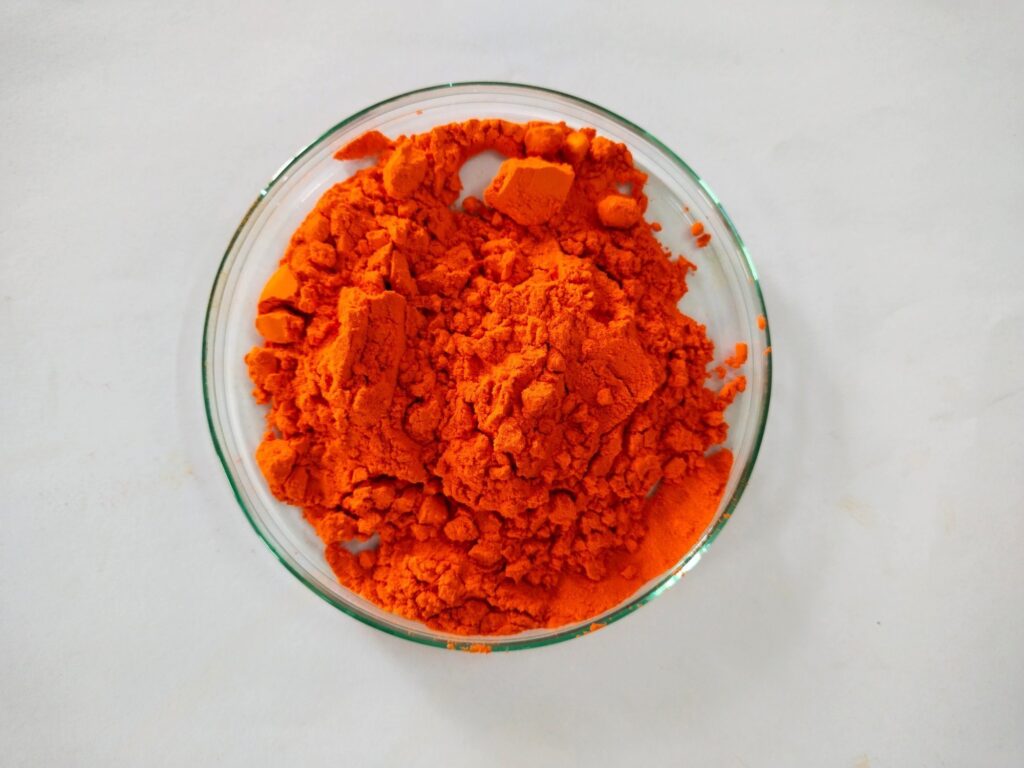
Key Factors When Selecting Food Coloring Powders Wholesale Suppliers
Finding a dependable supplier requires more than comparing price lists. Industrial buyers should evaluate several important factors.
Quality Certifications and Documentation
Professional suppliers should provide complete technical documentation, including:
- Certificate of Analysis (COA)
- Product specifications
- Safety information
- Regulatory compliance documents
- Batch information
These records are especially important for manufacturers exporting products internationally.
Color Stability and Performance
A high-quality food coloring powder should maintain its appearance throughout processing and storage.
Factories should evaluate:
- Heat resistance
- Light stability
- pH tolerance
- Interaction with other ingredients
- Shelf-life performance
A color that looks excellent in a laboratory sample but fails during industrial processing is not a practical solution.
Supplier Reliability and Production Capacity
Large factories need suppliers who can support continuous demand. A supplier should have:
- Stable inventory management
- Reliable logistics
- Consistent manufacturing standards
- Fast technical communication
MT Royal works with multiple brands, giving manufacturers more flexibility when comparing product performance, availability, and pricing.
Common Mistakes When Buying Food Coloring Powders Wholesale
Many sourcing problems can be avoided with better planning.
Choosing Only Based on Price
The cheapest product is not always the most economical option. Poor-quality color powders may require higher dosage levels, create inconsistent results, or cause production delays.
Manufacturers should calculate the total cost, including:
- Dosage requirements
- Waste
- Quality testing
- Production adjustments
Ignoring Regulatory Requirements
Different countries have different rules regarding permitted food colors. A product accepted in one region may require additional documentation or restrictions elsewhere.
Factories should confirm regulatory compatibility before placing large orders.
Not Testing Before Bulk Purchase
A common industrial mistake is purchasing large quantities without conducting application testing.
Before finalizing an order, manufacturers should test:
- Final product appearance
- Processing conditions
- Storage stability
- Consumer acceptance
Failing to Consider Future Growth
A supplier should be evaluated not only for today’s needs but also for future expansion. As production volumes increase, factories need partners capable of supporting larger requirements.
Practical Comparison: Natural vs Synthetic Food Coloring Powders
| Feature | Natural Colors | Synthetic Colors |
|---|---|---|
| Source | Plants and natural materials | Manufactured compounds |
| Consumer perception | High acceptance | Depends on market expectations |
| Stability | Often more sensitive | Usually highly stable |
| Cost | Generally higher | Often more economical |
| Application | Clean-label foods | High-volume production |
The correct choice depends on product positioning, target market, and technical requirements.
Industrial Tips for Large-Scale Food Color Production
Experienced manufacturers follow specific practices to improve efficiency.
Maintain Supplier Approval Procedures
Create a supplier evaluation system covering:
- Product quality history
- Delivery performance
- Documentation accuracy
- Technical support response
- Pricing stability
Supplier approval should be an ongoing process, not a one-time decision.
Control Storage Conditions
Although powder colors are generally easier to store than liquid colors, proper handling remains important.
Factories should protect products from:
- Excess moisture
- Direct sunlight
- Contamination
- Excessive heat
Good storage practices help maintain color performance until the production date.
Standardize Color Measurement
Visual inspection alone is not enough for large-scale manufacturing. Professional factories often use color measurement systems to maintain consistency between batches.
This approach reduces human judgment errors and improves quality control.
In our experience working with manufacturing environments, companies that combine supplier evaluation with strict internal testing achieve more stable results and fewer production interruptions.
Emerging Trends in Food Coloring Powder Supply
The food industry is changing rapidly, and coloring suppliers are adapting to new demands.
Growth of Clean Label Products
Consumers increasingly prefer products with simple ingredient lists. This trend has increased demand for natural pigments and plant-based color solutions.
Expansion of Functional Foods
Functional beverages, nutritional products, and health-focused snacks often require specialized colors that remain stable with vitamins, minerals, and botanical ingredients.
Increased Focus on Sustainability
Manufacturers are paying more attention to environmentally responsible sourcing, efficient production methods, and transparent supply chains.
Frequently Asked Questions About Food Coloring Powders Wholesale
What industries commonly use food coloring powders?
Food coloring powders are widely used in beverage production, confectionery, bakery products, dairy items, snacks, supplements, and processed foods.
Are natural food colors better than synthetic colors?
Neither option is universally better. Natural colors provide strong marketing advantages, while synthetic colors often offer superior stability and cost efficiency.
How should factories select a wholesale supplier?
Factories should consider quality certifications, product consistency, technical support, pricing, and supply reliability before making a decision.
Can food coloring powders be customized?
Many industrial suppliers can provide customized color shades, concentrations, and formulations based on specific production requirements.
Why do manufacturers prefer powder colors over liquid colors?
Powder colors generally offer easier transportation, longer shelf life, lower storage requirements, and higher concentration.
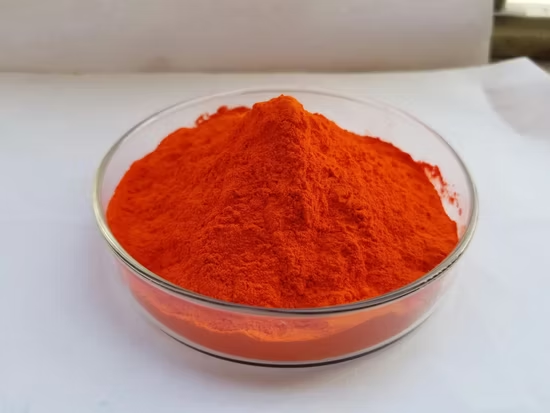
Building a Smarter Sourcing Strategy
The right approach to Food coloring powders wholesale is not simply finding a supplier with attractive pricing. It is about building a reliable supply strategy that protects product quality and supports business growth.
For manufacturers, every ingredient decision influences the final product. Color may represent only a small percentage of the formula, but it carries enormous visual importance. A consistent, attractive appearance can strengthen customer recognition, while unstable coloring can damage years of brand development.
MT Royal supports factories by providing access to multiple brands and competitive sourcing options, helping businesses evaluate solutions based on quality, application requirements, and commercial goals.
The strongest manufacturers understand that successful sourcing is built on preparation, testing, and partnership. When food coloring powders are selected carefully, they become more than a simple ingredient; they become a tool for creating products that consumers recognize, trust, and choose again.

No comment