

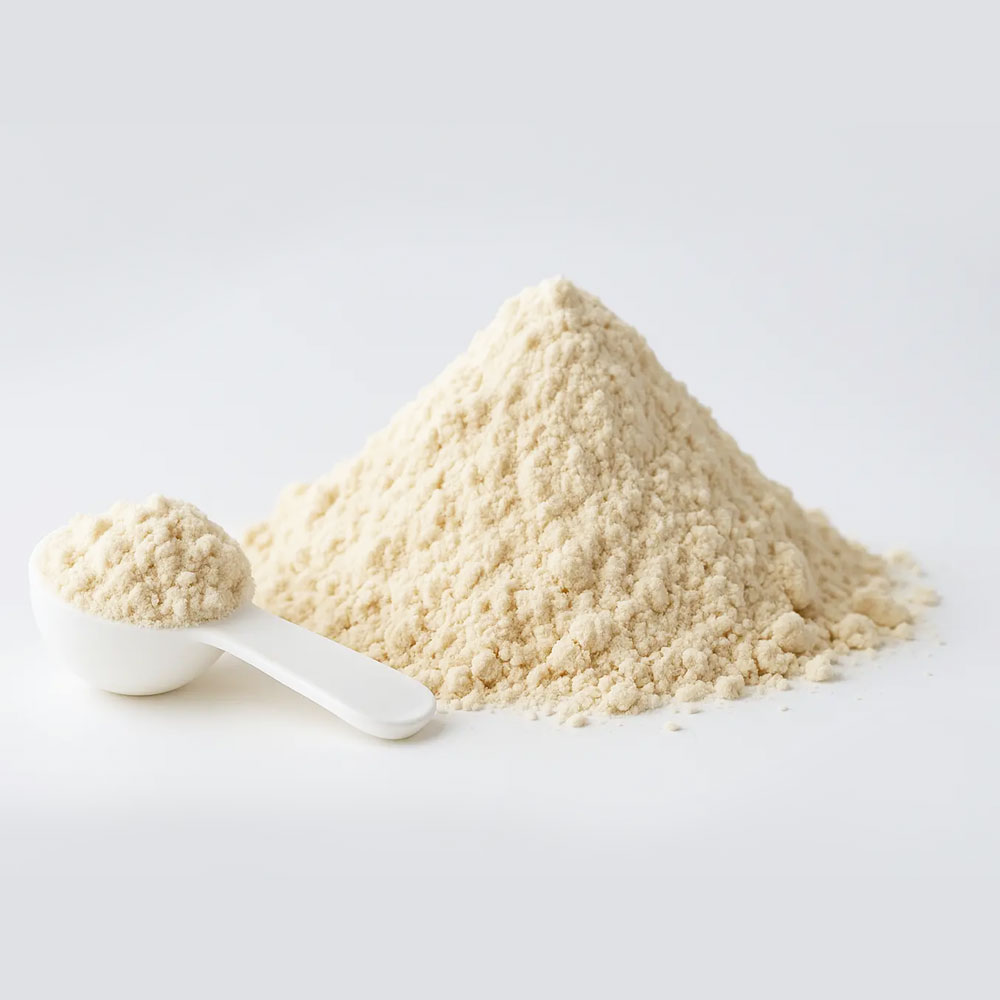
In today’s competitive food manufacturing environment, ingredient selection directly affects product quality, production efficiency, and customer satisfaction. For factories producing dairy products, nutritional foods, bakery items, beverages, and specialized formulations, choosing a consistent and safe dairy ingredient is not simply a purchasing decision—it is a foundation for reliable production. This is why Food Grade Demineralized Whey Powder has become an increasingly important ingredient for manufacturers seeking better control over nutrition, flavor, and processing performance.
Factories that require stable supply, technical reliability, and access to different ingredient options can benefit from working with experienced suppliers such as MT Royal. By offering multiple brands at competitive prices, MT Royal helps manufacturers evaluate suitable demineralized whey solutions according to application requirements, production goals, and quality expectations.
Food Grade Demineralized Whey Powder provides the nutritional advantages of whey while reducing mineral content to improve formulation flexibility. It delivers valuable whey proteins and lactose while supporting manufacturers that need better control over taste, texture, solubility, and final product consistency.
As global demand for functional foods, protein-enriched products, and premium dairy formulations continues to grow, the importance of high-quality dairy ingredients has increased significantly. Manufacturers are no longer looking only for raw materials; they are searching for reliable ingredient partners who understand industrial challenges.
This article explores the characteristics, benefits, applications, sourcing considerations, and production strategies associated with Food Grade Demineralized Whey Powder.
LATAMARKO LM60 – Premium Spanish-Origin Cocoa Powder
latamarko alkalized cocoa powder lm60
cocoa powder for chocolate production-Best price
Food industry raw materials – list of products
Best Brazilian Arabica Coffee Bean Supplier for Industrial Roaster
Uganda Bugisu Arabica Coffee Beans for Specialty Coffee Industry
Understanding Food Grade Demineralized Whey Powder
Before selecting this ingredient for industrial use, it is important to understand its production process and unique characteristics.
What is Food Grade Demineralized Whey Powder?
Food Grade Demineralized Whey Powder is a refined dairy ingredient produced from whey, which is obtained during cheese manufacturing. Natural whey contains several valuable components, including lactose, whey proteins, minerals, and dairy solids.
During the demineralization process, technologies such as ion exchange or membrane filtration remove a portion of naturally occurring minerals while preserving important nutritional components.
The resulting powder offers:
- Reduced mineral content for improved formulation control.
- High-quality whey proteins for nutritional enhancement.
- Lactose content that contributes sweetness and dry matter.
- Better compatibility with various food systems.
The term “food grade” indicates that the ingredient meets strict safety and quality requirements suitable for human food applications.
Why Food Grade Demineralized Whey Powder Matters for Manufacturers
Food manufacturers operate under increasing pressure to deliver products with consistent quality while controlling production costs. Ingredients must perform reliably across thousands or millions of production cycles.
Food Grade Demineralized Whey Powder helps manufacturers achieve several objectives:
- Improving nutritional value without unnecessary formulation complexity.
- Creating smoother flavor profiles.
- Supporting stable processing conditions.
- Reducing variability between production batches.
In industrial food production, consistency is everything. A formulation that performs perfectly one day but changes the next can create serious operational problems.
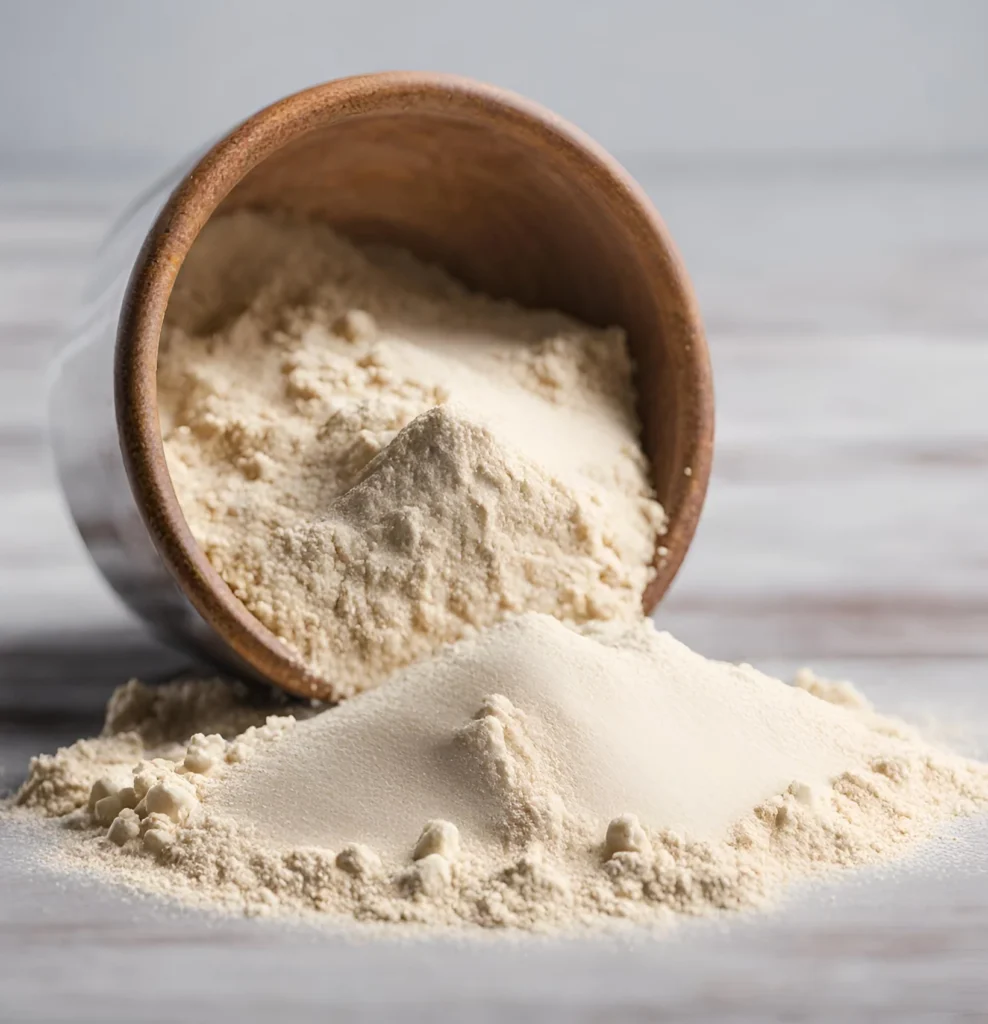
Nutritional and Functional Benefits of Demineralized Whey Powder
The popularity of this ingredient comes from its combination of nutritional value and technical functionality.
High-Quality Dairy Protein Contribution
Whey proteins are considered valuable nutritional proteins because they contain essential amino acids required for balanced diets.
Food manufacturers use demineralized whey powder to increase dairy protein content in products such as:
- Nutritional beverages.
- Protein blends.
- Dairy powders.
- Functional food products.
Compared with some alternative protein sources, whey provides excellent nutritional recognition among consumers.
Better Mineral Control
Minerals naturally present in whey can influence product characteristics. By reducing mineral content, manufacturers gain greater control over:
- Flavor balance.
- Nutritional calculations.
- Product stability.
- Processing behavior.
This is especially important in applications where precise formulation is required.
Improved Flavor Characteristics
High mineral levels may sometimes create unwanted salty or strong dairy notes. Demineralized whey provides a cleaner flavor profile that allows manufacturers to develop products with better sensory performance.
This makes it suitable for applications where taste quality is a major purchasing factor.
Enhanced Processing Performance
Food Grade Demineralized Whey Powder performs well in many industrial applications because of its:
- Good solubility.
- Consistent powder structure.
- Reliable blending characteristics.
- Functional protein properties.
These characteristics help factories maintain efficient production processes.
Industrial Applications of Food Grade Demineralized Whey Powder
Due to its balanced nutritional and functional properties, this ingredient is used across multiple food categories.
Dairy Products and Beverages
Manufacturers use demineralized whey powder to improve nutritional value and maintain better product consistency in dairy drinks and powdered mixes.
It contributes dairy solids while helping control mineral levels.
Infant Nutrition Applications
Certain infant nutrition products require carefully controlled dairy ingredients. Demineralized whey is valued because it provides whey components with reduced mineral concentration.
Bakery Products
In bakery manufacturing, demineralized whey supports:
- Improved browning.
- Better nutritional profiles.
- Enhanced flavor development.
- Increased dairy character.
Confectionery Manufacturing
Chocolate, caramel, and other sweet products benefit from its ability to provide dairy notes and improve texture.
Protein and Functional Foods
The growing demand for protein-focused products has increased the use of whey-based ingredients in modern nutrition formulations.
Comparing Demineralized Whey Powder with Other Dairy Ingredients
Understanding ingredient differences allows manufacturers to create better formulations.
Food Grade Demineralized Whey Powder vs Standard Whey Powder
Standard whey powder contains higher mineral levels. Demineralized whey provides greater control over formulation and flavor.
Food Grade Demineralized Whey Powder vs Milk Powder
Milk powder contains a broader range of milk components, including casein and fat. Demineralized whey focuses more on whey solids and controlled mineral content.
Food Grade Demineralized Whey Powder vs Whey Protein Concentrate
Whey protein concentrate provides higher protein concentration but usually comes with a higher cost. Demineralized whey offers a balanced option for manufacturers seeking dairy functionality.
Specialized Tips for Large-Scale Production
Industrial manufacturers can improve performance by following several practical guidelines.
- Store powder in dry, temperature-controlled environments to prevent moisture absorption.
- Test each incoming batch before production use.
- Maintain proper mixing procedures for uniform distribution.
- Monitor processing temperatures to protect protein functionality.
- Keep detailed quality records for traceability.
These steps may seem routine, but industrial success is often built on controlling small details. Production systems are like carefully calibrated engines—minor changes can influence the final output.
Supply Chain Considerations for Dairy Ingredient Buyers
The food industry increasingly depends on reliable international supply chains. Ingredient shortages or inconsistent quality can affect production schedules and customer relationships.
A supplier such as MT Royal provides manufacturers with access to multiple brands and competitive sourcing solutions.
When evaluating suppliers, manufacturers should consider:
- Product consistency.
- Quality documentation.
- Technical expertise.
- Market experience.
- Logistics capability.
A strong supplier relationship helps factories respond faster to market changes.
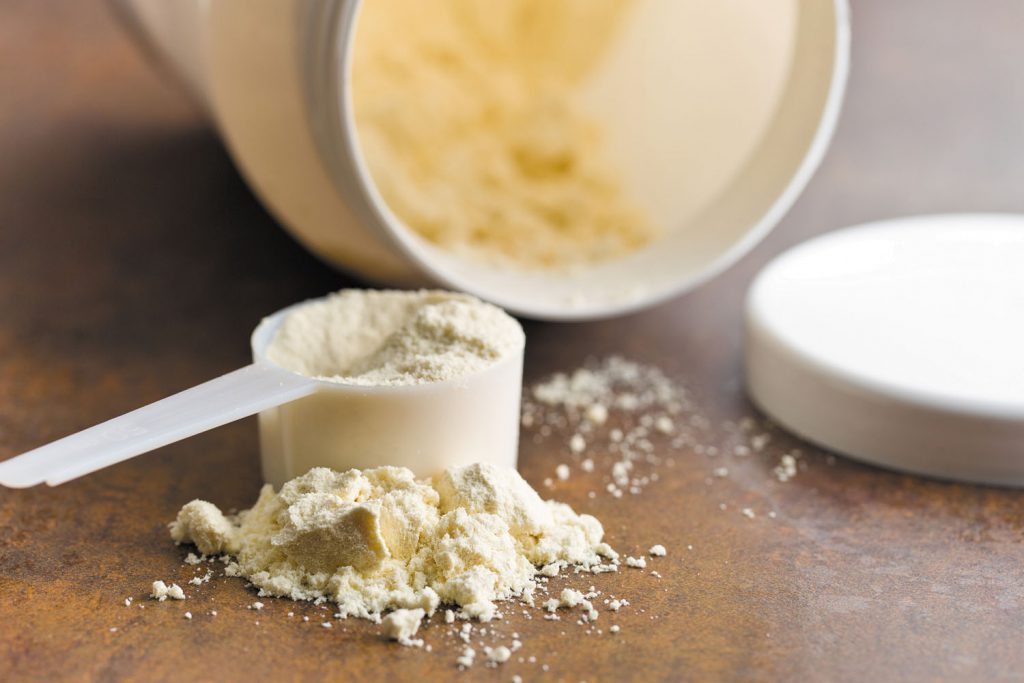
Emerging Trends in Demineralized Whey Applications
Several trends are increasing demand for Food Grade Demineralized Whey Powder.
Growth of Functional Foods
Consumers increasingly seek products that provide additional nutritional benefits.
Demand for Protein-Enriched Products
Protein continues to influence purchasing decisions in many food categories.
Cleaner Ingredient Labels
Manufacturers are focusing on recognizable and naturally derived ingredients.
Advanced Dairy Formulations
Food companies are developing more specialized products requiring precise ingredient control.
These trends suggest continued growth for high-quality whey-based ingredients.
Frequently Asked Questions
What is Food Grade Demineralized Whey Powder?
It is a refined whey ingredient with reduced mineral content designed for safe use in food manufacturing.
Why do manufacturers use demineralized whey powder?
It improves nutritional value, flavor, stability, and formulation flexibility.
Is demineralized whey suitable for industrial production?
Yes, when sourced properly, it performs well in large-scale food manufacturing.
How should factories select a supplier?
They should evaluate quality standards, consistency, technical support, and supply reliability.
Can demineralized whey improve product quality?
Yes, it can enhance texture, flavor, nutritional value, and processing performance.
Building Better Food Products Through Reliable Ingredient Selection
The quality of a finished food product begins with the quality of its ingredients. For manufacturers operating in competitive markets, selecting a dependable dairy ingredient is one of the most important strategic decisions.
Food Grade Demineralized Whey Powder offers manufacturers a combination of nutritional value, processing flexibility, and consistent performance. Its ability to provide whey benefits while maintaining controlled mineral levels makes it a valuable ingredient across many food industries.
The factories that succeed in the future will not only focus on production volume; they will focus on precision, reliability, and strong ingredient partnerships. Choosing the right demineralized whey supplier today can become a long-term advantage in building products that meet both industry standards and consumer expectations.


No comment