

For food manufacturers, beverage producers, confectionery plants, dairy processors, and industrial ingredient buyers, selecting the right Food Grade Dextrose Powder Supplier is far more than a purchasing decision. It directly influences product quality, production efficiency, formulation consistency, regulatory compliance, and long-term profitability.
In today’s highly competitive food industry, manufacturers are under constant pressure to optimize production costs while maintaining exceptional product performance. A reliable source of food grade dextrose powder can help achieve both objectives. This is why many procurement teams carefully evaluate suppliers not only based on price but also on product consistency, technical support, logistics capabilities, and supply reliability.
Among the suppliers serving industrial buyers, MT Royal has become a recognized sourcing partner for many manufacturers seeking access to multiple brands, competitive pricing structures, and dependable supply chains. For factories operating continuous production lines, such sourcing flexibility can make a significant difference when market conditions fluctuate.
Whether you produce beverages, confectionery products, bakery items, dairy products, processed foods, nutritional supplements, or pharmaceutical formulations, understanding the role of dextrose and selecting the appropriate supplier can significantly impact your operation. This guide explores the technical, commercial, and strategic considerations every industrial buyer should understand before sourcing food grade dextrose powder.
Understanding Food Grade Dextrose Powder
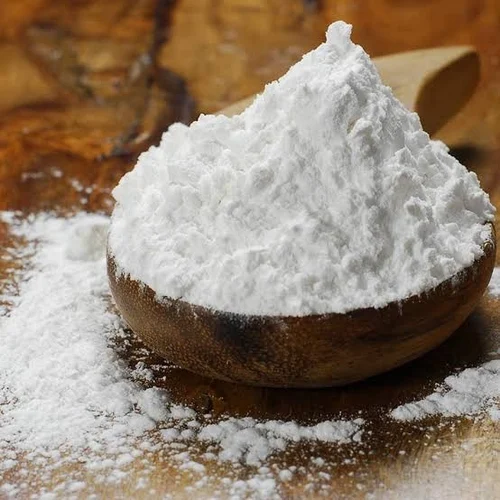
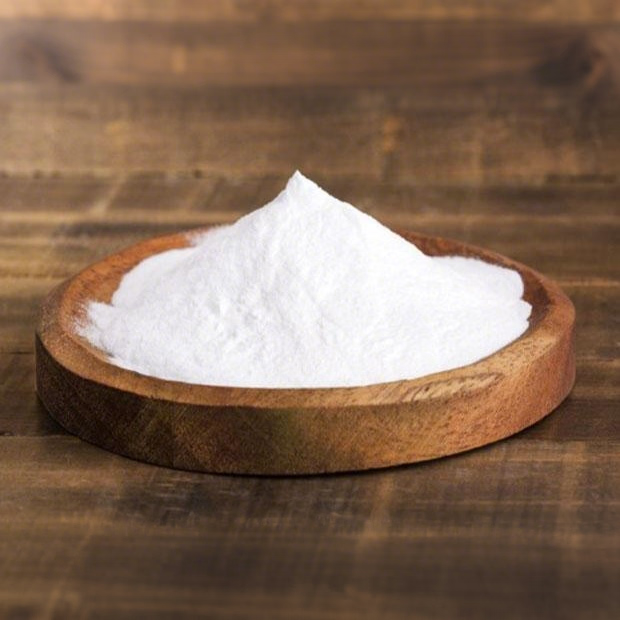
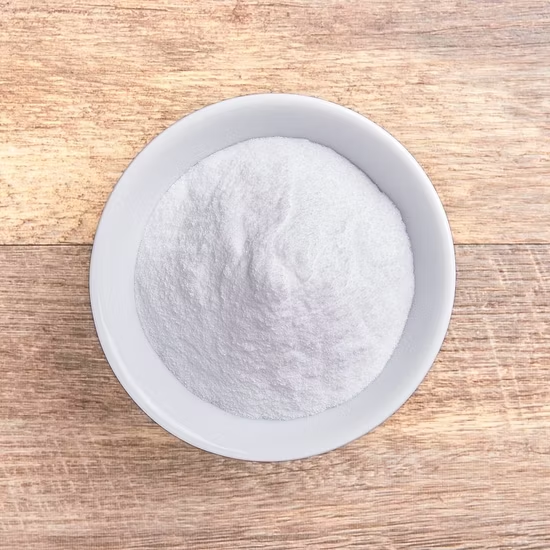
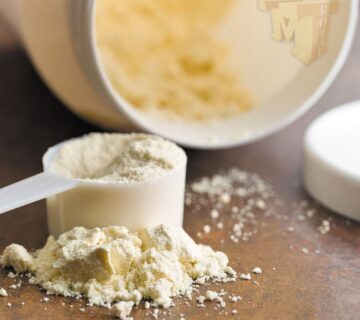
Food grade dextrose powder is a purified form of glucose obtained primarily from starch sources such as corn, wheat, rice, or tapioca. It appears as a white crystalline powder with excellent solubility and a clean sweet taste.
Unlike common table sugar (sucrose), dextrose consists of a single sugar molecule, making it easier for the body to metabolize and highly functional in numerous industrial applications.
Because of its versatility, dextrose has become one of the most widely used ingredients in the global food and beverage industry.
What Makes Dextrose “Food Grade”?
The term “food grade” indicates that the product complies with strict standards regarding:
- Purity levels
- Microbiological safety
- Heavy metal limitations
- Manufacturing hygiene
- Regulatory compliance
- Traceability requirements
Food-grade ingredients are manufactured under controlled conditions designed to meet international food safety regulations and customer specifications.
For industrial buyers, certification and documentation are often as important as the product itself. Certificates of Analysis (COA), specification sheets, allergen declarations, and quality management certifications have become standard requirements across modern supply chains.
The Growing Global Demand for Dextrose
The global demand for dextrose continues to increase due to several factors:
- Expansion of processed food manufacturing
- Growth of sports nutrition products
- Increased beverage production
- Rising demand for convenience foods
- Growth of pharmaceutical applications
- Development of functional food products
Industry analysts project continued growth in glucose and starch-derived sweetener markets over the coming decade as manufacturers seek versatile ingredients that can support both formulation and process optimization.
For procurement managers, this trend reinforces the importance of building relationships with dependable Food Grade Dextrose Powder Suppliers capable of maintaining consistent availability during periods of market volatility.
Key Applications of Food Grade Dextrose Powder
Beverage Manufacturing
Dextrose is extensively used in beverage production because it dissolves rapidly and provides a clean sweetness profile.
Applications include:
- Sports drinks
- Energy beverages
- Powdered drink mixes
- Fruit beverages
- Fermented drinks
- Functional beverages
Its high solubility makes it particularly valuable in high-speed beverage production environments where mixing efficiency directly impacts productivity.
Confectionery Production
Confectionery manufacturers use dextrose to:
- Control sweetness levels
- Improve texture
- Manage crystallization
- Enhance flavor release
- Improve shelf stability
In candy production, dextrose often acts like an orchestra conductor—quietly coordinating multiple functional properties while remaining largely invisible to consumers.
Bakery Industry
Bakeries frequently incorporate dextrose because it contributes to:
- Improved browning reactions
- Better yeast performance
- Enhanced crust color
- Flavor development
- Moisture retention
These characteristics help manufacturers achieve consistent product appearance and quality across large-scale production runs.
Dairy Processing
Dextrose plays an important role in dairy applications such as:
- Ice cream
- Yogurt
- Flavored milk products
- Dairy desserts
- Nutritional dairy beverages
Its functional properties support texture development while contributing to overall product stability.
Pharmaceutical Applications
Although food-grade dextrose differs from pharmaceutical-grade specifications, many manufacturers use food-grade material in:
- Nutritional products
- Dietary supplements
- Powder formulations
- Functional foods
This broad applicability further increases demand for reliable industrial suppliers.
Critical Specifications Buyers Should Evaluate
When selecting a Food Grade Dextrose Powder Supplier, procurement teams should move beyond price comparisons and carefully assess technical specifications.
Purity
High-purity dextrose helps ensure:
- Consistent sweetness
- Reliable processing performance
- Reduced contamination risk
- Improved finished product quality
Purity variations may seem minor on paper but can become significant when processing hundreds of tons annually.
Moisture Content
Moisture levels influence:
- Flowability
- Storage stability
- Shelf life
- Handling performance
Excess moisture can lead to caking and operational challenges during production.
Particle Size Distribution
Particle size affects:
- Dissolution speed
- Mixing efficiency
- Product uniformity
- Processing consistency
Factories with automated dosing systems should pay particular attention to this specification.
Microbiological Standards
Food safety requirements continue to become more stringent worldwide.
Buyers should verify:
- Total plate count
- Yeast and mold levels
- Pathogen controls
- Hygiene standards
Reliable suppliers provide transparent documentation and testing records.
Characteristics of a Reliable Food Grade Dextrose Powder Supplier
Not all suppliers provide the same level of value.
The strongest suppliers typically demonstrate excellence in several key areas.
Consistent Quality Control
Quality consistency remains one of the most important supplier attributes.
Manufacturers often discover that production issues are not caused by equipment or formulations but by subtle variations in raw material quality.
A reliable supplier minimizes these risks through:
- Standardized production processes
- Regular laboratory testing
- Batch traceability
- Strict quality management systems
Supply Chain Stability
Supply interruptions can create enormous costs for manufacturers.
A dependable Food Grade Dextrose Powder Supplier should offer:
- Inventory planning support
- Forecasting capabilities
- Multiple sourcing options
- Reliable logistics networks
We have seen factories lose far more money from unexpected production stoppages than they could ever save through marginally lower ingredient prices.
Technical Expertise
Modern procurement increasingly requires technical collaboration.
Strong suppliers can assist with:
- Product selection
- Formulation considerations
- Regulatory questions
- Process optimization
This expertise often becomes especially valuable during new product development projects.
Documentation and Compliance
Industrial buyers frequently require:
- COA documentation
- Product specifications
- Regulatory declarations
- Food safety certifications
- Allergen statements
Comprehensive documentation helps simplify audits and customer approvals.
Common Mistakes When Sourcing Food Grade Dextrose Powder
Choosing Based Solely on Price
The lowest-priced option is not always the most economical choice.
Potential hidden costs include:
- Product inconsistency
- Production downtime
- Increased waste
- Customer complaints
- Supply disruptions
A small price difference per kilogram can quickly become insignificant compared to operational risks.
Ignoring Logistics Capabilities
A supplier may offer attractive pricing but lack adequate logistics infrastructure.
Procurement teams should evaluate:
- Delivery reliability
- Warehousing capacity
- Lead times
- Transportation flexibility
Supply chain performance has become a strategic competitive advantage in manufacturing.
Overlooking Future Capacity Requirements
Many factories evaluate suppliers based only on current needs.
However, future growth should also be considered.
Questions to ask include:
- Can the supplier support volume expansion?
- Are multiple production facilities available?
- Is global sourcing possible?
- Can inventory programs be established?
Planning ahead reduces future sourcing challenges.
Failing to Verify Regulatory Compliance
Compliance issues can create significant operational disruptions.
Buyers should always verify:
- Food safety certifications
- Regional regulatory requirements
- Product traceability
- Quality assurance systems
Prevention is considerably less expensive than corrective action.
Industrial Procurement Strategies for Large Manufacturers
Establish Multi-Supplier Programs
Large manufacturers increasingly diversify sourcing strategies.
Benefits include:
- Reduced supply risk
- Improved negotiation leverage
- Greater market flexibility
- Enhanced business continuity
This does not mean constantly changing suppliers. Instead, it means developing strategic alternatives when needed.
Forecast Demand Accurately
Accurate forecasting improves:
- Inventory management
- Supplier planning
- Pricing stability
- Production continuity
Advanced forecasting models are becoming essential tools for procurement teams.
Evaluate Total Cost of Ownership
Sophisticated purchasing departments evaluate total cost rather than unit price.
Factors include:
- Product quality
- Freight expenses
- Inventory carrying costs
- Production efficiency
- Supplier support
The true cost of an ingredient extends far beyond the invoice.
Emerging Trends Affecting Dextrose Procurement
Increased Traceability Requirements
Customers increasingly expect transparency throughout the supply chain.
Manufacturers are demanding:
- Raw material traceability
- Origin documentation
- Digital records
- Enhanced reporting systems
Suppliers capable of meeting these expectations gain a competitive advantage.
Sustainability Initiatives
Environmental considerations continue influencing purchasing decisions.
Key focus areas include:
- Sustainable sourcing
- Reduced emissions
- Efficient transportation
- Responsible manufacturing practices
Many multinational food producers now include sustainability criteria in supplier evaluations.
Digital Procurement Systems
Modern purchasing teams increasingly rely on:
- ERP integration
- Digital documentation
- Automated forecasting
- Data-driven sourcing decisions
Suppliers that support digital workflows often create additional operational efficiencies.
Why Consistency Matters More Than Most Buyers Realize
A production line resembles a finely tuned industrial orchestra.
Every ingredient must perform predictably.
Even slight variations in dextrose characteristics can influence:
- Product texture
- Sweetness perception
- Processing behavior
- Mixing performance
- Finished product consistency
When production volumes reach hundreds or thousands of tons annually, small deviations become large operational challenges.
This is why experienced procurement managers prioritize consistency alongside pricing.
How MT Royal Supports Industrial Buyers
Many manufacturers seeking a Food Grade Dextrose Powder Supplier prefer working with sourcing partners capable of offering multiple supply options rather than a single-source approach.
MT Royal has established itself as a supplier focused on serving industrial customers across food, beverage, dairy, confectionery, and related sectors.
Rather than emphasizing a single manufacturer, MT Royal provides access to multiple brands and sourcing solutions, allowing buyers to compare specifications, availability, and commercial terms according to their operational requirements.
This flexibility becomes particularly valuable during periods of market fluctuation when supply continuity is critical.
In our experience working alongside manufacturing operations, procurement teams often appreciate suppliers who understand both technical specifications and commercial realities. The ability to discuss purity, particle size, logistics, documentation, and inventory planning within the same conversation can simplify decision-making considerably.
Questions Factory Managers Frequently Ask
What is the typical shelf life of food grade dextrose powder?
Most products offer a shelf life of approximately 24 months when stored under recommended conditions. Actual shelf life depends on packaging, storage environment, and manufacturer specifications.
Can dextrose replace sucrose in all formulations?
Not necessarily. Dextrose and sucrose differ in sweetness intensity, functionality, and processing characteristics. Formulation testing is usually recommended before making major substitutions.
How important is particle size?
Particle size can significantly affect mixing performance, dissolution rates, and production efficiency, particularly in automated manufacturing environments.
Should factories maintain safety stock?
Yes. Safety stock helps mitigate risks associated with transportation delays, market disruptions, and unexpected demand increases.
What certifications should buyers request?
Requirements vary by application, but commonly requested documents include food safety certifications, Certificates of Analysis, specification sheets, and traceability documentation.
Is supplier location still important in a global market?
Absolutely. While global sourcing offers flexibility, local inventory availability, logistics infrastructure, and response times remain important factors in supplier evaluation.
Expert Tips for Procurement Teams
Develop Supplier Performance Metrics
Monitor:
- On-time delivery rates
- Product consistency
- Response times
- Documentation accuracy
- Quality performance
Data-driven evaluations support better procurement decisions.
Build Long-Term Partnerships
Strategic supplier relationships often deliver:
- Improved service
- Better forecasting support
- Greater supply security
- Enhanced collaboration
The strongest supply chains are usually built on long-term cooperation rather than transactional purchasing.
Conduct Regular Supplier Reviews
Annual or semi-annual reviews help identify:
- Improvement opportunities
- Emerging risks
- Market developments
- Cost optimization possibilities
Continuous improvement should extend beyond the factory floor into the supply chain itself.
The Future of Food Grade Dextrose Supply
As food manufacturing becomes increasingly sophisticated, the expectations placed on suppliers continue to evolve.
Tomorrow’s leading Food Grade Dextrose Powder Suppliers will likely be those capable of delivering:
- Consistent product quality
- Advanced traceability
- Digital integration
- Sustainable sourcing
- Technical expertise
- Supply chain resilience
Manufacturers that align themselves with capable sourcing partners today will be better positioned to navigate future market challenges.
For procurement professionals, the question is no longer simply where to buy dextrose powder. The more important question is which supplier can consistently support your factory’s operational goals, quality standards, growth plans, and risk management strategies over the long term.
When evaluating options, looking beyond price and focusing on reliability, technical competence, documentation quality, and supply security often reveals the true value of a supplier relationship. Companies such as MT Royal, which offer access to multiple brands and sourcing solutions while understanding the realities of industrial manufacturing, can help procurement teams create more resilient and efficient supply chains. In an industry where production never sleeps and every ingredient plays a role in performance, selecting the right Food Grade Dextrose Powder Supplier becomes a strategic decision that influences far more than a purchasing budget—it shapes the stability and competitiveness of the entire operation.
LATAMARKO LM60 – Premium Spanish-Origin Cocoa Powder
latamarko alkalized cocoa powder lm60
cocoa powder for chocolate production-Best price
Food industry raw materials – list of products

No comment