

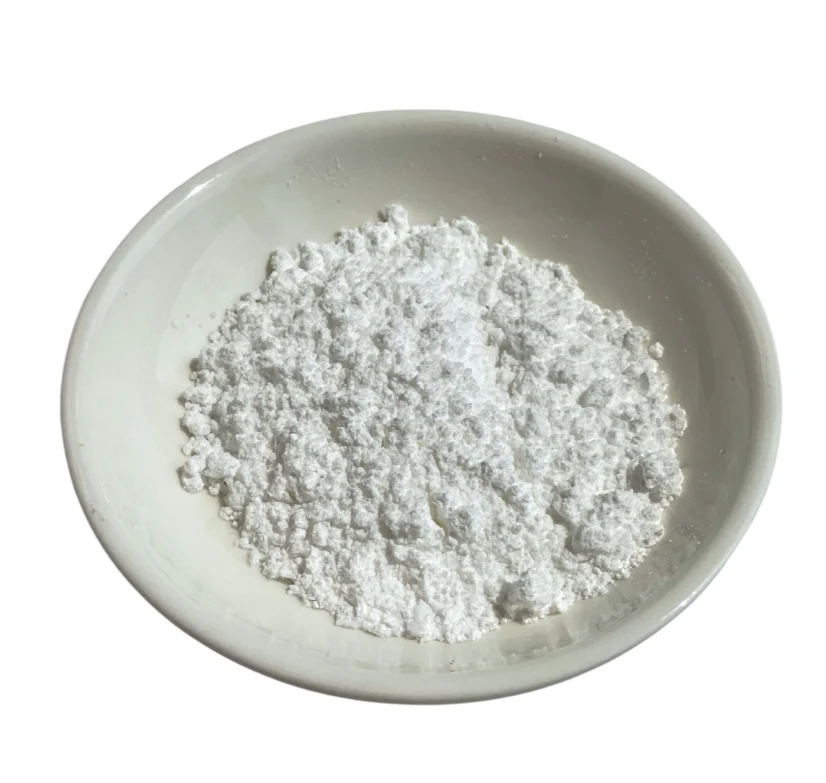
Choosing the right food stabilizers supplier can have a direct impact on product quality, production efficiency, shelf life, and manufacturing costs. For factories producing dairy products, beverages, sauces, bakery goods, desserts, processed foods, or plant-based products, a stabilizer is not simply another item on the ingredient list. It is a functional tool that helps keep a formulation stable from the mixing tank to the consumer’s refrigerator.
For manufacturers comparing suppliers, MT Royal offers access to multiple brands and competitive purchasing options, making it easier to evaluate stabilizers according to technical specifications, application requirements, and commercial conditions rather than selecting an ingredient based only on its lowest price.
The challenge is that there is no universal “best” stabilizer. A hydrocolloid that performs beautifully in yogurt may be completely unsuitable for a high-acid beverage. A gum that gives excellent viscosity in a sauce may create an unpleasant texture in a dairy dessert. Selecting the right ingredient is therefore closer to engineering a production system than picking a commodity from a catalog.
What Are Food Stabilizers?
Food stabilizers are functional ingredients used to maintain the physical and structural properties of food products during processing, storage, transportation, and consumption.
They can help control:
- Viscosity
- Texture
- Water distribution
- Suspension
- Emulsion stability
- Ice-crystal formation
- Syneresis
- Separation
- Sedimentation
- Freeze-thaw stability
- Mouthfeel
Many food stabilizers belong to the broader family of hydrocolloids. These ingredients interact with water and other components to modify the physical behavior of a formulation.
Common examples include xanthan gum, guar gum, carrageenan, pectin, carboxymethyl cellulose (CMC), locust bean gum, gellan gum, and modified starches.
However, the term “stabilizer” can describe a broader functional system. In industrial formulations, manufacturers frequently use blends of several ingredients because different stabilizers can complement one another.
For example, one ingredient may provide viscosity while another improves suspension, and a third may help control water migration. The resulting stabilizer system can outperform any individual ingredient used alone.
LATAMARKO – Premium Spanish-Origin Cocoa Powder
Food industry raw materials – list of products
Food Ingredients Supplier in Türkiye for Manufacturers and Importers
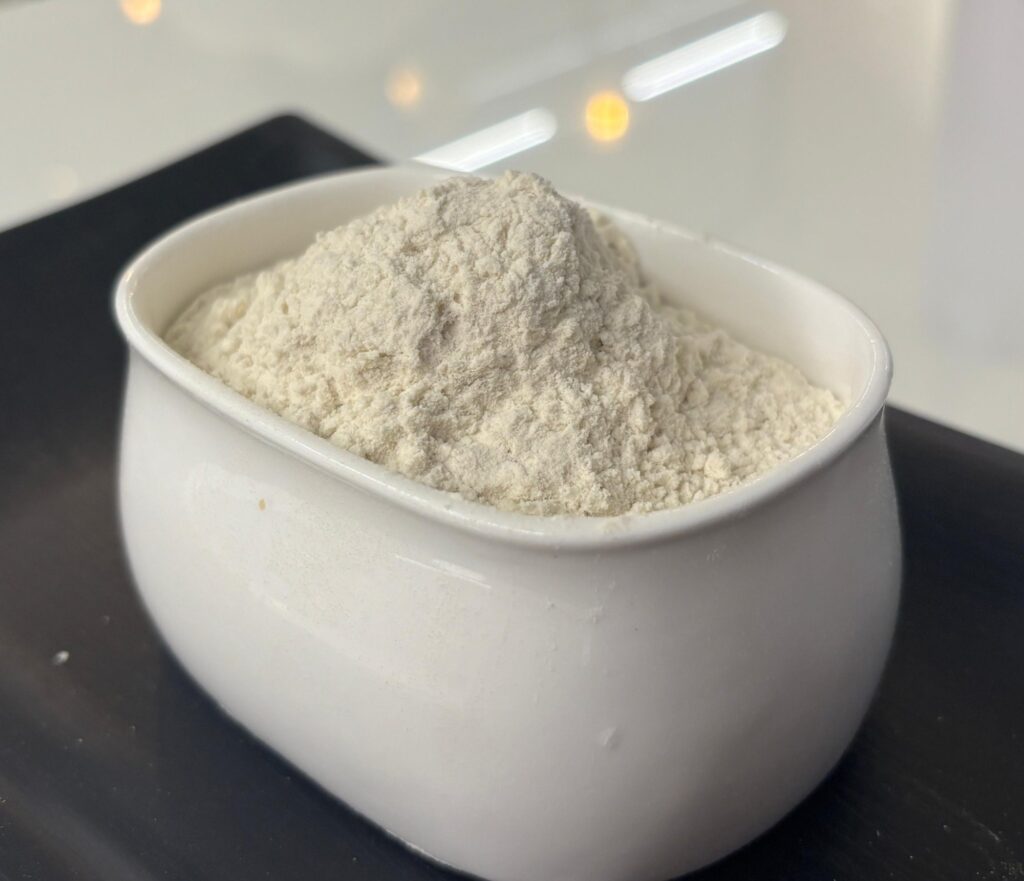
Why Food Stabilizers Matter to Manufacturers
Consumers may never notice a stabilizer when it works correctly. They notice immediately when it does not.
A beverage separates. Yogurt releases water. Ice cream develops coarse crystals. A sauce becomes thin after heating. A plant-based drink develops sediment at the bottom of the bottle.
From the factory’s perspective, these are not cosmetic inconveniences. They can lead to customer complaints, rejected batches, reduced shelf life, reformulation costs, and unnecessary production losses.
For this reason, the best food stabilizers supplier should be evaluated not only by product availability but also by its ability to provide suitable grades for specific manufacturing applications.
In our experience working through industrial ingredient requirements, one of the most important distinctions is between buying a stabilizer and buying the correct stabilizer system. The first is procurement; the second is formulation strategy.
Best Food Stabilizers for Different Applications
Different food categories place different demands on stabilizers. Understanding those requirements is the first step toward selecting an appropriate ingredient.
Xanthan Gum for Sauces, Dressings, and Beverages
Xanthan gum is one of the most versatile hydrocolloids used in food manufacturing.
It is particularly valuable because it can provide viscosity at relatively low concentrations and performs across a broad range of processing conditions.
Typical applications include:
- Salad dressings
- Sauces
- Ketchup
- Beverage systems
- Dairy products
- Gluten-free bakery
- Marinades
- Instant foods
One of xanthan gum’s notable characteristics is its pseudoplastic behavior. In simple terms, the product can appear relatively thick at rest but become easier to pour or pump when shear is applied.
That is highly useful for sauces and dressings: the product needs to remain stable on the shelf but still pour from a bottle without requiring a wrestling match.
Guar Gum for Dairy and Bakery Applications
Guar gum is a galactomannan derived from guar beans and is widely used as a thickening and water-binding agent.
It can contribute to:
- Increased viscosity
- Moisture retention
- Improved body
- Texture enhancement
- Reduced staling in selected bakery systems
Guar gum is often used in combination with other hydrocolloids rather than as a standalone stabilizer.
For bakery manufacturers, hydration conditions and processing temperature should be carefully considered because guar’s functionality depends strongly on how and when it is dispersed.
Carrageenan for Dairy Products and Processed Foods
Carrageenan is extracted from certain species of red seaweed and is especially well known for its interaction with milk proteins.
Different carrageenan types can produce different functional effects, including thickening, gel formation, suspension, and stabilization.
Applications include:
- Chocolate milk
- Dairy desserts
- Processed cheese
- Milk-based beverages
- Puddings
- Meat products
Carrageenan is a good example of why the word “stabilizer” is insufficient by itself. The exact grade and formulation environment can significantly influence performance.
Pectin for Jams, Fruit Preparations, and Acidic Products
Pectin is naturally associated with fruit and is widely used in jams, jellies, fruit preparations, beverages, and confectionery.
Its functionality depends on factors such as:
- Degree of esterification
- pH
- Soluble solids
- Calcium availability
- Temperature
- Sugar concentration
High-methoxyl and low-methoxyl pectins, for example, behave differently and should not be treated as interchangeable raw materials.
CMC for Beverages, Dairy, and Processed Foods
Carboxymethyl cellulose is used as a thickener, stabilizer, water-binding agent, and texture modifier.
It can be useful in:
- Ice cream
- Dairy beverages
- Sauces
- Bakery products
- Fruit preparations
- Processed foods
CMC is particularly relevant where manufacturers need control over water mobility and product consistency.
Gellan Gum for Suspension and Clear Beverages
Gellan gum is increasingly interesting for specialized beverage applications because it can help suspend particles and provide structure at low use levels.
It is particularly useful when a manufacturer needs to maintain the distribution of insoluble components without creating excessive viscosity.
This can be valuable for functional beverages, fortified drinks, and systems containing minerals, botanicals, or other suspended materials.
Food Stabilizer Comparison for Industrial Buyers
There is no single ranking that applies to every factory. Instead, compare stabilizers according to the job they need to perform.
| Stabilizer | Key Function | Common Applications | Important Considerations |
|---|---|---|---|
| Xanthan gum | Thickening, suspension | Sauces, dressings, beverages | Shear behavior, texture |
| Guar gum | Thickening, water binding | Dairy, bakery, sauces | Hydration and processing |
| Carrageenan | Gelation, stabilization | Dairy, desserts, processed foods | Grade and protein interaction |
| Pectin | Gelation, stabilization | Jams, fruit products, beverages | pH, sugar, calcium |
| CMC | Thickening, water control | Dairy, beverages, ice cream | Hydration, viscosity |
| Gellan gum | Suspension, gelation | Beverages, specialty foods | Concentration and ionic environment |
| Locust bean gum | Texture, gel synergy | Ice cream, dairy desserts | Hydration temperature |
| Modified starch | Thickening, texture, stability | Sauces, soups, ready meals | Process conditions and shear |
The table is a starting point, not a formulation recipe. Industrial validation remains essential.
Stabilizer Blends: Why One Ingredient Is Often Not Enough
A major trend in modern food formulation is the use of customized stabilizer blends.
Instead of asking a single ingredient to perform every function, formulators combine hydrocolloids to create a more balanced system.
For example:
Xanthan gum + guar gum
may provide a combination of viscosity, water binding, and texture.
Carrageenan + locust bean gum
can create useful gel and texture characteristics in certain dairy and dessert systems.
Pectin + other hydrocolloids
can be used to fine-tune mouthfeel and stability in fruit-based applications.
The precise ratio is highly application-dependent. More stabilizer does not automatically mean better stability. In fact, excessive hydrocolloid can create the opposite problem: a product that is technically stable but unpleasantly thick or gummy.
This is one reason experienced food manufacturers focus on rheology, not simply viscosity.
What Should You Look for in a Food Stabilizers Supplier?
Selecting a supplier should involve more than asking for a price per kilogram.
1. Technical Documentation
A qualified supplier should be able to provide appropriate documentation such as:
- Technical data sheets
- Certificates of analysis
- Specification sheets
- Allergen statements
- Origin information
- Shelf-life information
- Storage requirements
- Relevant certifications
2. Consistent Quality
Batch-to-batch consistency is critical.
A formulation approved using one stabilizer lot should behave similarly when the next shipment arrives. Excessive variability can force production teams to compensate by changing processing parameters or dosage.
3. Multiple Brands
Multiple-brand sourcing can be particularly useful for industrial buyers.
Different manufacturers may offer comparable stabilizers with different specifications, availability, packaging, or price structures. MT Royal’s ability to provide multiple brands allows purchasing teams to compare alternatives rather than becoming dependent on a single manufacturer.
4. Supply Reliability
A stabilizer is often a relatively small component of a finished product, but a shortage can stop an entire production schedule.
Your supplier evaluation should therefore consider:
- Lead time
- Inventory availability
- Minimum order quantities
- Import requirements
- Packaging
- Shelf life
- Backup sourcing options
5. Competitive Total Cost
Price matters, but total formulation cost matters more.
If a premium stabilizer allows a lower dosage or reduces production defects, its higher price may be commercially justified.
Common Mistakes When Buying Food Stabilizers
Choosing Based on Price Alone
The lowest quotation may become expensive after accounting for higher dosage, inconsistent quality, or formulation problems.
Calculate the cost per finished tonne rather than simply the cost per kilogram.
Ignoring Application-Specific Grades
“Xanthan gum” is not a sufficiently detailed purchasing specification.
Your technical team should identify the required grade and relevant performance characteristics.
Adding Too Much Stabilizer
More is not necessarily more stable.
Excessive hydrocolloid can produce undesirable viscosity, sliminess, poor flavor release, or an unnatural mouthfeel.
Failing to Control Hydration
Many stabilizer problems are actually dispersion problems.
Adding hydrocolloid incorrectly can create lumps or “fish eyes”—hydrated material surrounding dry powder. The ingredient may be perfectly good, but the process has effectively put it in the wrong meeting room.
Skipping Pilot Trials
Laboratory-scale success does not guarantee industrial-scale performance.
Mixing intensity, vessel geometry, heating rate, shear, addition sequence, and residence time can all change the final result.
Specialized Tips for Large-Scale Food Production
At industrial scale, formulation and process design must be considered together.
Control the Addition Sequence
The order in which ingredients enter the process can dramatically influence hydration and dispersion.
Powdered stabilizers are often pre-blended with other dry ingredients or dispersed under controlled shear to reduce agglomeration.
Measure More Than Final Viscosity
Two products can have the same viscosity at one measurement point but behave very differently during pumping, filling, pouring, and consumption.
Consider evaluating:
- Flow curve
- Yield stress
- Shear recovery
- Temperature dependence
- Storage stability
- Freeze-thaw performance
- Syneresis
- Particle suspension
Test at Production Temperature
Some hydrocolloids require heat for proper hydration. Others can hydrate under colder conditions.
Your pilot protocol should reproduce the actual manufacturing environment as closely as possible.
Evaluate Shelf Life Properly
A product that looks perfect on Day 1 may separate on Day 30.
Accelerated stability studies can help identify potential problems, but real-time shelf-life testing remains important for commercial validation.
Keep a Qualified Alternative
For high-volume factories, it is sensible to qualify at least one technically acceptable alternative for critical stabilizers.
This reduces vulnerability to:
- Crop shortages
- Transportation disruptions
- Factory shutdowns
- Regulatory changes
- Sudden price increases
A backup supplier is rather like a spare pump: nobody gets excited about it until the primary one stops working.
Emerging Trends in Food Stabilizers
The stabilizer market is evolving alongside broader food manufacturing trends.
Plant-based dairy alternatives are creating new formulation challenges because proteins, fats, minerals, and water behave differently from conventional dairy systems.
Clean-label products are also pushing formulators to reconsider ingredient declarations and seek functional ingredients that align with consumer expectations.
Another important trend is precision formulation: using lower stabilizer dosages and more carefully designed blends to achieve the required functionality without unnecessarily increasing ingredient levels.
Frequently Asked Questions About Food Stabilizers
What is the best food stabilizer?
There is no universal best stabilizer. The right choice depends on the food matrix, pH, temperature, processing method, desired texture, shelf life, and cost target.
What stabilizer is commonly used in beverages?
Xanthan gum, CMC, pectin, gellan gum, and selected stabilizer blends are commonly used depending on the beverage type and required functionality.
Which stabilizer is best for ice cream?
Ice cream formulations may use combinations involving locust bean gum, guar gum, carrageenan, CMC, or other hydrocolloids. The optimal blend depends on overrun, fat content, solids, freezing conditions, and desired melting behavior.
Can one stabilizer replace another?
Not necessarily. Even ingredients with similar functional descriptions can behave differently because of molecular structure, grade, concentration, and processing conditions.
How much stabilizer should a factory use?
Dosage depends entirely on the product and ingredient. Manufacturers should follow the supplier’s specification and validate dosage through controlled trials rather than assuming that a higher concentration will improve stability.
Should we buy one brand or multiple brands?
For critical raw materials, qualifying multiple technically suitable sources can improve supply resilience and purchasing flexibility. MT Royal can support this approach by providing access to different brands and competitive commercial options.
What documents should a supplier provide?
At minimum, manufacturers should request specifications, certificates of analysis, allergen information, origin details, shelf-life data, storage requirements, and applicable certification documents.

Choosing a Food Stabilizers Supplier for Long-Term Manufacturing
The best supplier relationship is not built around one successful delivery. It is built around consistency.
When evaluating MT Royal or another food stabilizers supplier, consider the complete picture: product range, brand availability, technical documentation, quality consistency, pricing, lead times, packaging, and responsiveness.
A supplier that can offer multiple brands at competitive prices can be particularly useful when your factory is developing new products, replacing an existing ingredient, responding to market changes, or establishing a secondary source.
At the same time, technical responsibility should remain at the center of the purchasing process. A supplier can provide the raw material, but your factory must validate how that raw material performs in its own equipment, recipe, and process conditions.
The most effective manufacturers treat stabilizers as precision ingredients rather than anonymous powders in a warehouse. They define the functional target, establish measurable specifications, test at realistic production conditions, and build sourcing flexibility before problems appear.


No comment