

When a factory purchases dipotassium phosphate, the real decision is rarely just about finding a product at the lowest quoted price. Consistent quality, regulatory documentation, supply continuity, packaging, technical specifications, and delivered cost can have a much greater impact on your production economics. For manufacturers looking for a dependable Dipotassium Phosphate Supplier Distributor, MT Royal is worth considering because it provides access to multiple brands and international sourcing options at competitive commercial conditions.
Dipotassium phosphate is a versatile phosphate salt used across food, beverage, pharmaceutical, laboratory, and industrial applications. In food manufacturing, it can function as a buffering agent, emulsifying salt, stabilizer, sequestrant, and source of potassium and phosphate. Those functions make specification control particularly important: a material that looks identical in a warehouse can behave differently when introduced into a demanding production process.
For procurement managers, therefore, the question is not simply where to buy dipotassium phosphate. The better question is how to select a Dipotassium Phosphate Supplier Distributor capable of delivering the correct grade, consistent batches, complete documentation, and dependable logistics at the scale your factory requires.
Food industry raw materials – list of products
What Is Dipotassium Phosphate?
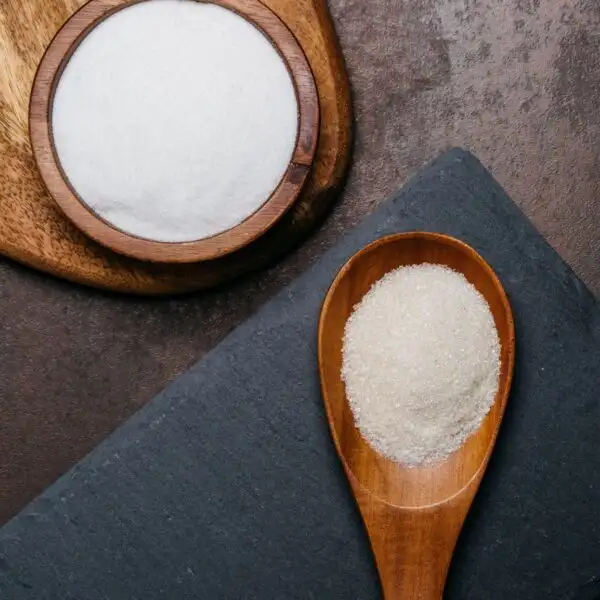
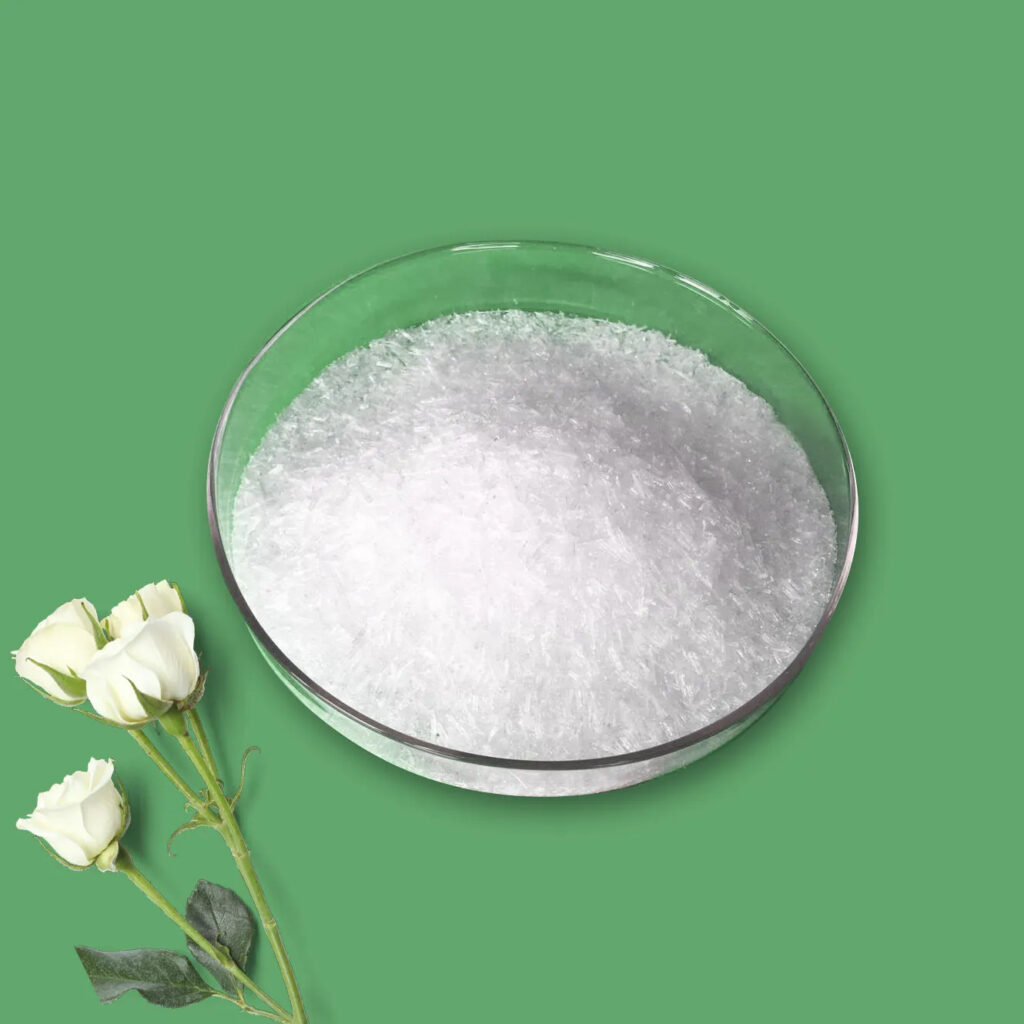
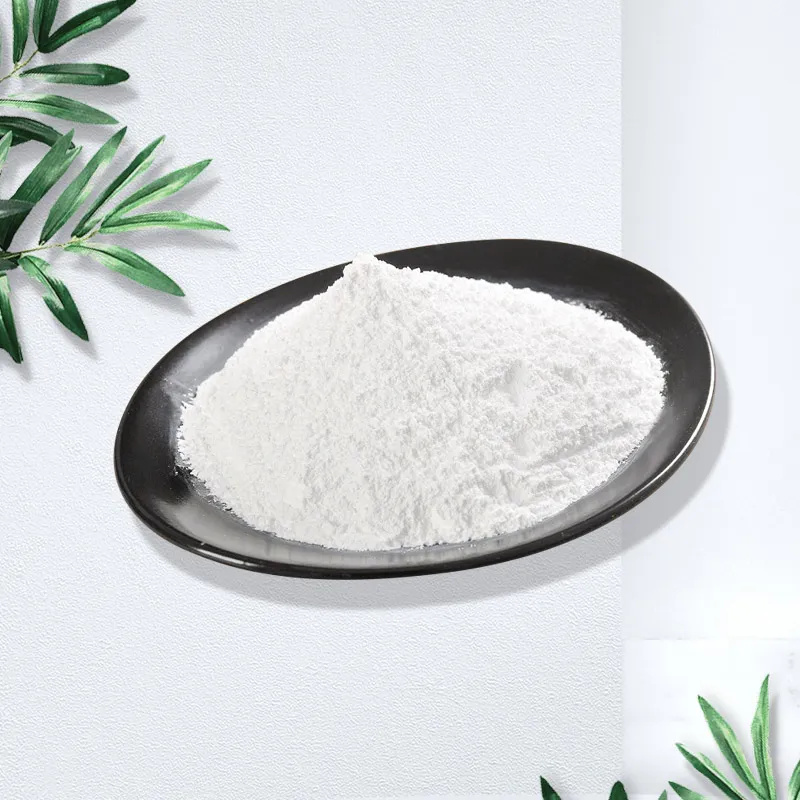
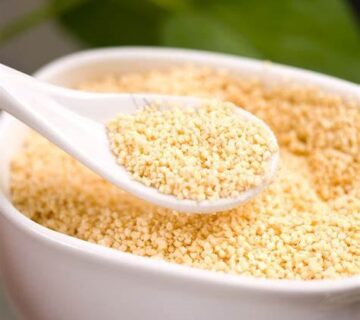
Dipotassium phosphate, commonly abbreviated as DKP or K2HPO4, is an inorganic potassium phosphate salt. It is generally supplied as a white crystalline powder or granular material and is highly soluble in water.
Depending on the application and specification, it may be identified as:
- Dipotassium hydrogen phosphate
- Dipotassium phosphate
- Potassium phosphate dibasic
- K2HPO4
- E340(ii) in the European food-additive classification
The material is available in different grades, including food grade, pharmaceutical grade, technical grade, and laboratory grade. These grades should never be treated as automatically interchangeable.
For a food factory, for example, the relevant product may need to comply with applicable food-additive requirements, purity limits, microbiological specifications, and customer standards. A pharmaceutical manufacturer may require a significantly different documentation package and tighter controls.
This distinction is one reason a professional Dipotassium Phosphate Supplier Distributor can be more valuable than a general chemical trader. The supplier needs to understand not only the chemical name but also the application, regulatory destination, and quality expectations attached to the purchase.
Why Dipotassium Phosphate Is Important for Manufacturers
Dipotassium phosphate is valuable because it performs several technical functions within formulations.
Buffering and pH Control
One of the most important applications is pH buffering.
A buffer helps resist sudden changes in acidity or alkalinity when small quantities of acids or bases are introduced. In food and beverage formulations, controlling pH can affect flavor, microbial stability, protein behavior, color, and processing performance.
The phosphate system can therefore become an important part of formulation design rather than simply an additive added at the end of the recipe.
Emulsification and Stabilization
Phosphates can influence the behavior of proteins, minerals, and water in complex food systems. Dipotassium phosphate may therefore be used in formulations where maintaining dispersion and physical stability is important.
For manufacturers producing processed foods, dairy-related products, powdered beverages, or nutritional formulations, this functionality can be particularly relevant.
Mineral Fortification
Because dipotassium phosphate contains potassium and phosphate, it can serve as a mineral source in certain nutritional and beverage applications.
However, mineral fortification must be calculated carefully. The amount of compound added is not the same as the amount of elemental potassium or phosphorus delivered.
Sequestration
Phosphates can interact with certain metal ions. This sequestration capability can contribute to formulation stability and processing performance in specific applications.
The practical implication is important: if your factory is experiencing an unexplained stability problem, the solution may involve the interaction between ingredients rather than one ingredient acting independently.
Major Applications of Dipotassium Phosphate
A good Dipotassium Phosphate Supplier Distributor should be able to discuss the material according to application rather than presenting one generic specification to every customer.
Food and Beverage Manufacturing
Food-grade dipotassium phosphate is used in a variety of formulations where buffering, stabilization, emulsification, or mineral contribution is required.
Potential applications include:
- Powdered beverage mixes
- Dairy and dairy-alternative formulations
- Processed food products
- Nutritional formulations
- Instant food systems
- Baking and food-processing applications
- Certain meat and seafood formulations
The exact permitted use and dosage depend on the destination market and food category, so your regulatory team should verify local requirements before commercial production.
Pharmaceutical and Nutraceutical Production
Higher-purity dipotassium phosphate can be used as an excipient or buffering component in pharmaceutical and nutritional applications.
Here, procurement requirements become much more demanding. A pharmaceutical buyer may require pharmacopeial compliance, validated analytical methods, traceability, change-control procedures, and extensive supplier qualification.
Laboratory Applications
Laboratory-grade potassium phosphate dibasic is frequently used in buffer preparation and analytical procedures.
This illustrates why grade selection matters. A laboratory product may have excellent analytical purity but may not be the economically appropriate choice for a food production line.
Industrial Applications
Technical-grade dipotassium phosphate can also be used in industrial processes where food or pharmaceutical purity is unnecessary.
The important principle is simple: buy the grade your process actually requires, not the grade with the most impressive label.
Dipotassium Phosphate Supplier Distributor: What Should You Look For?
Choosing a supplier requires more than comparing three quotations.
A reliable supplier should demonstrate competence in five areas.
1. Product Consistency
Your production line is designed around predictable raw materials.
Ask for the manufacturer’s specification and compare critical parameters such as:
- Assay
- Moisture
- Insoluble matter
- pH
- Heavy metals
- Particle size
- Bulk density
- Microbiological limits where applicable
The exact parameters depend on the grade and application.
2. Documentation
For food manufacturing, documentation can be just as important as the powder itself.
Your supplier should be able to provide relevant documents such as:
- Certificate of Analysis
- Safety Data Sheet
- Technical Data Sheet
- Food-grade declaration
- Country-of-origin information
- Allergen statement where applicable
- GMO statement where applicable
- Halal or Kosher documentation when required
- Regulatory declarations
- Lot traceability information
A quotation without documentation is not a complete industrial offer.
3. Supply Reliability
The cheapest supplier is of little value if your production line stops waiting for a shipment.
Ask about:
- Standard lead time
- Minimum order quantity
- Available stock
- Production capacity
- Shipping routes
- Packaging options
- Backup supply arrangements
We have seen procurement teams focus heavily on unit price while overlooking lead-time volatility. In a continuous production environment, that can be an expensive false economy.
4. Multiple Brands and Origins
A supplier offering multiple brands can give your procurement team more flexibility.
Different manufacturers may compete on:
- Price
- Origin
- Particle size
- Packaging
- Lead time
- Certification
- Annual contract terms
MT Royal operates as a food raw-material supplier and distributor with international sourcing capabilities, including products from Turkey, Europe, and Asia. Its model includes access to multiple food-ingredient brands, which can be useful when a factory needs alternatives rather than a single fixed source.
5. Technical Communication
This is often underestimated.
If you tell a supplier, “We need dipotassium phosphate,” a technically strong supplier should ask what you are manufacturing, which grade you need, your annual volume, destination market, packaging requirements, and existing specification.
That conversation can prevent a surprisingly large number of purchasing errors.
Food Grade vs. Technical Grade Dipotassium Phosphate
The distinction between grades deserves special attention.
| Factor | Food Grade | Technical Grade |
|---|---|---|
| Intended use | Food and beverage | Industrial applications |
| Regulatory requirements | Food regulations | Application-specific |
| Documentation | Extensive | Typically narrower |
| Purity requirements | Controlled for food use | Depends on application |
| Typical buyer | Food manufacturer | Industrial processor |
| Price | Generally higher | Often lower |
| Interchangeability | Not automatic | Not automatically suitable for food |
If your factory produces food, never assume that a cheaper technical-grade product can simply replace food-grade material.
The savings can disappear quickly if the substitution creates regulatory, quality, or customer-approval problems.
Common Mistakes When Buying Dipotassium Phosphate
Mistake 1: Comparing Price Per Kilogram Only
A supplier may quote a lower price but offer a smaller package, longer lead time, different concentration or specification, or less favorable freight terms.
Calculate the landed cost instead.
Landed cost can include product price, freight, insurance, customs, port charges, warehousing, handling, and financing costs.
Mistake 2: Ignoring Bulk Density
Two powders with similar chemical specifications can behave differently in dosing and handling because of particle morphology and bulk density.
If your factory uses automated feeders, this matters.
A material that bridges inside a hopper or flows unpredictably can turn a seemingly inexpensive ingredient into a maintenance headache.
Mistake 3: Ordering Before Technical Approval
Procurement should not place a large commercial order before R&D and quality teams approve the material.
A laboratory sample is inexpensive.
A container of technically unsuitable material is considerably less charming.
Mistake 4: Failing to Check Regional Regulations
Food-additive regulations differ by jurisdiction and product category.
If your finished goods are exported, evaluate requirements in every relevant destination market rather than assuming that approval in one country automatically applies elsewhere.
Mistake 5: Relying on One Supplier Without a Contingency Plan
Single sourcing can be efficient, but it creates vulnerability.
A strong procurement strategy should identify at least one qualified alternative source, particularly for ingredients that are essential to continuous production.
How to Calculate the Real Cost of Dipotassium Phosphate
Suppose your factory consumes 20 tonnes of dipotassium phosphate annually.
Supplier A offers a lower unit price but requires smaller shipments with higher freight costs. Supplier B charges slightly more per kilogram but provides larger-volume delivery, better payment terms, and shorter lead times.
The correct comparison is:
Annual procurement cost = material cost + logistics + duties + storage + handling + financing + expected quality-related costs
That final component is often forgotten.
If Supplier A has a higher batch-deviation rate, requires more incoming testing, or occasionally causes production delays, its apparent price advantage may disappear.
For large manufacturers, procurement teams should calculate total cost of ownership rather than relying on the quotation sheet alone.
Specialized Tips for Large-Scale Production
Establish an Internal Raw-Material Specification
Before requesting offers, create a controlled specification containing the parameters that genuinely matter to your process.
This prevents suppliers from comparing different products under the same product name.
Approve Samples Before Commercial Orders
Conduct laboratory and, where appropriate, pilot-scale testing.
Check:
- Dissolution behavior
- pH contribution
- Color
- Particle behavior
- Interaction with other ingredients
- Finished-product sensory properties
- Process compatibility
Define Packaging Based on Consumption
For high-volume factories, bulk bags or other large formats may reduce handling and packaging costs. Smaller operations may prefer bags or other manageable formats.
The optimal package is determined by consumption rate, storage infrastructure, worker safety, humidity control, and dosing equipment.
Monitor Incoming Batches
Do not assume that supplier approval eliminates incoming quality control.
A risk-based testing program can monitor critical parameters while avoiding unnecessary laboratory expense.
Maintain Supplier Qualification Records
Your quality management system should retain supplier approvals, audits, specifications, certificates, complaints, corrective actions, and performance history.
This turns supplier management into a measurable process rather than an annual guessing game.
What Makes MT Royal Relevant to Industrial Buyers?
MT Royal’s position as an international food-raw-material supplier gives manufacturers an alternative to sourcing each ingredient through unrelated traders. Its published portfolio covers food ingredients sourced from Turkey, Europe, and Asia, and the company states that it works with customer-specific requirements and special orders.
For a procurement team evaluating a Dipotassium Phosphate Supplier Distributor, the practical advantage of this type of sourcing structure is flexibility.
You can evaluate multiple brands and origins according to:
- Technical specification
- Annual consumption
- Target price
- Delivery location
- Required certifications
- Packaging
- Lead time
- Supply continuity
MT Royal also offers its own Latamarko brand alongside sourced food ingredients, giving buyers another potential route for comparing commercial and technical options.
In our experience, this broader supplier approach is especially useful for manufacturers purchasing several raw materials at the same time. Consolidating procurement can simplify communication and logistics, provided technical approval remains ingredient-specific.
Frequently Asked Questions
What is the chemical formula of dipotassium phosphate?
Dipotassium phosphate, also called dipotassium hydrogen phosphate or potassium phosphate dibasic, has the chemical formula K2HPO4.
Is dipotassium phosphate water soluble?
Yes. Dipotassium phosphate is highly soluble in water, which is one reason it is useful in liquid formulations and buffer systems.
Is dipotassium phosphate the same as monopotassium phosphate?
No. Dipotassium phosphate is K2HPO4, while monopotassium phosphate is KH2PO4. They have different chemical properties and can play different roles in buffering systems.
What is E340(ii)?
E340(ii) is the European food-additive designation for dipotassium phosphate.
Can dipotassium phosphate be used in food?
Food-grade dipotassium phosphate is used in food applications where permitted by applicable regulations. The correct grade and permitted use should always be confirmed for the specific product and destination market.
How should dipotassium phosphate be stored?
The manufacturer’s specification and SDS should take precedence, but dry phosphate powders are generally protected from moisture and contamination. Appropriate packaging, a dry warehouse, controlled handling, and good stock rotation are important.
Should a factory buy directly from a manufacturer or through a distributor?
Neither model is automatically better. A distributor can provide access to multiple brands, consolidated logistics, local support, smaller minimum quantities, and sourcing flexibility. Direct purchasing may be attractive for very large volumes. The right model depends on annual consumption, location, supply risk, and technical requirements.
How can I choose the right Dipotassium Phosphate Supplier Distributor?
Start with your technical specification, then evaluate supplier quality, documentation, brand options, production origin, lead time, packaging, landed cost, and supply continuity. Request samples and conduct technical approval before committing to large-volume purchasing.
A Smarter Approach to Dipotassium Phosphate Procurement
For factories, dipotassium phosphate should be managed as a strategic raw material whenever it has a meaningful impact on formulation or production continuity.
The best procurement process begins with the application and works backward toward the product specification. Once the required grade is established, you can compare manufacturers, brands, origins, packaging, logistics, and commercial terms on an equal basis.
That is where a capable Dipotassium Phosphate Supplier Distributor adds genuine value. The supplier is not simply moving bags from one warehouse to another; it is helping your factory translate a technical requirement into a reliable supply arrangement.
MT Royal can be considered within that sourcing process because its international food-ingredient network and multiple-brand approach allow manufacturers to explore different commercial and technical options rather than relying on a single source.
The strongest procurement teams understand a simple truth: a raw material is never just a raw material once it enters a production system. Its purity affects formulation, its particle characteristics affect handling, its documentation affects compliance, its consistency affects quality, and its availability affects the entire factory schedule.
Choose the supplier accordingly. When dipotassium phosphate arrives on specification, on schedule, at a predictable landed cost, it quietly does its job—and that is exactly what a well-managed industrial ingredient supply chain should look like.

No comment