

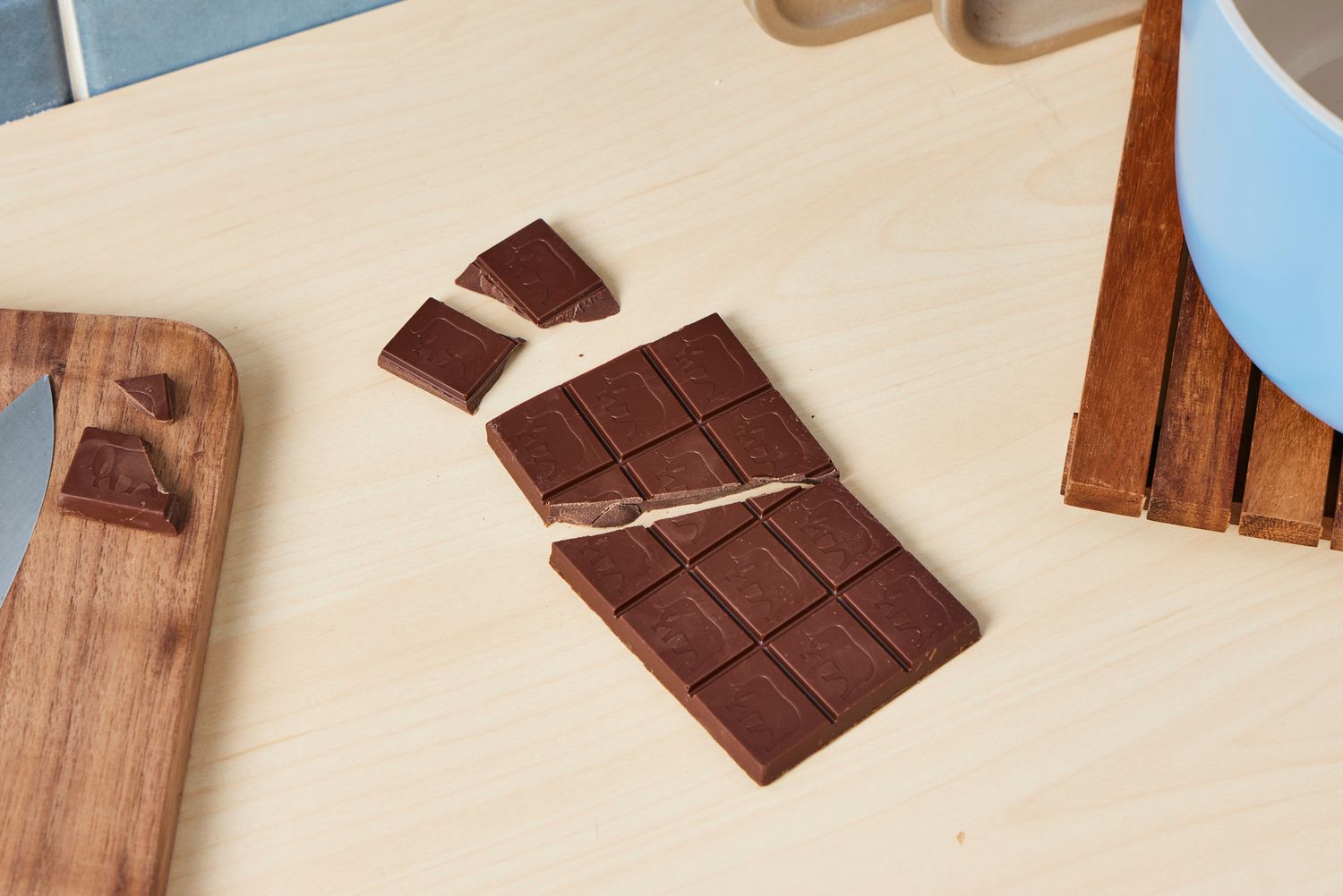
Chocolate production is often misunderstood as a simple process of combining cocoa, sugar, and fat. However, in industrial manufacturing, chocolate formulation is a precise science that directly affects product quality, production efficiency, shelf life, and customer satisfaction.
A chocolate formula designed for a premium chocolate bar cannot necessarily perform well as a coating for biscuits, a filling for confectionery products, or a powder base for beverages. Each application requires a different balance of ingredients, processing conditions, and technical characteristics.
For manufacturers, the challenge is not only creating great-tasting chocolate but also developing a formulation that works efficiently on industrial equipment, remains stable during storage, and delivers consistent results across thousands or millions of units.
At MT Royal, we support food manufacturers by providing access to different ingredient brands and sourcing solutions with competitive pricing. Our experience working with industrial buyers shows that successful chocolate production depends on more than ingredient availability—it requires choosing the right formulation strategy for each application.
Understanding how chocolate is formulated allows factory owners, production managers, and procurement teams to make better decisions, reduce production problems, and create products that meet market expectations.
LATAMARKO LM60 – Premium Spanish-Origin Cocoa Powder
latamarko alkalized cocoa powder lm60
cocoa powder for chocolate production-Best price
Food industry raw materials – list of products
What Is Chocolate Formulation?
Chocolate formulation is the process of selecting and balancing raw materials to create chocolate with specific sensory, technical, and commercial properties.
In industrial production, a chocolate formula is developed based on several factors, including:
- Flavor profile and cocoa intensity
- Texture and mouthfeel requirements
- Melting behavior
- Processing temperature
- Viscosity and flow characteristics
- Shelf-life expectations
- Production equipment compatibility
- Target manufacturing cost
A professional formulation considers the entire production journey, from raw material selection to the final consumer experience.
For example, a chocolate coating used in a wafer factory must have excellent flow properties and fast setting ability. In contrast, a premium chocolate bar requires a smooth texture, balanced flavor, and a clean snap after tempering.
This is why manufacturers should avoid using a single formula for multiple products. Chocolate is not a universal ingredient; it is an engineered product designed for a specific purpose.
The Main Ingredients Used in Industrial Chocolate Formulation
Cocoa Ingredients: The Source of Chocolate Identity
Cocoa is the foundation of chocolate flavor and plays a major role in determining aroma, color, and taste intensity.
Manufacturers commonly use cocoa mass, cocoa powder, and cocoa butter depending on the application. Each ingredient contributes different characteristics.
Natural cocoa often provides stronger acidity and traditional cocoa notes, while alkalized cocoa powder delivers a darker color, smoother taste, and better compatibility with many industrial products.
For example, beverage manufacturers may prefer cocoa powders with excellent dispersion, while confectionery producers may prioritize cocoa ingredients that provide a rich chocolate profile.
Selecting consistent cocoa quality is especially important for large factories because variations between batches can create noticeable differences in the final product.
Cocoa Butter and Alternative Fats
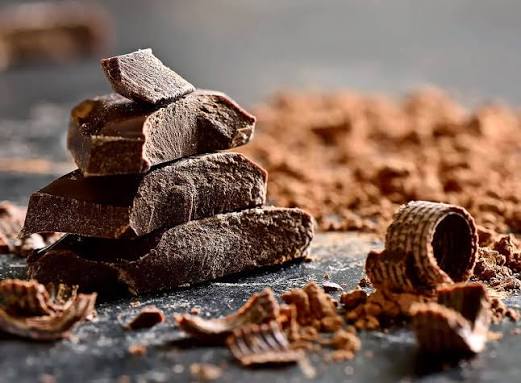
Fat selection is one of the most important decisions in chocolate formulation because it influences texture, melting point, and processing performance.
Traditional chocolate relies on cocoa butter because of its unique melting behavior. It remains solid at room temperature but melts smoothly in the mouth.
However, many industrial manufacturers also use alternative fats in compound chocolate applications because they provide advantages such as:
- Lower production costs
- Easier processing
- Improved heat resistance
- Reduced need for complex tempering processes
The correct fat system depends on the final product. A luxury chocolate tablet and a high-speed coating application require completely different performance characteristics.
Sugar, Milk Ingredients, and Emulsifiers
Sugar does more than provide sweetness. It affects particle size, texture, and overall mouthfeel.
In industrial chocolate production, refining and particle control are essential because consumers can easily detect a rough or sandy texture.
Milk ingredients also play an important role in milk chocolate formulations by adding creaminess, color, and flavor balance.
Emulsifiers such as lecithin are frequently used to improve chocolate flow and reduce viscosity. This is especially important in factories where chocolate must move efficiently through pumps, pipes, and coating equipment.
Formulating Chocolate for Different Industrial Applications
Chocolate Bars and Premium Tablets
Chocolate bars are among the most demanding chocolate applications because consumers directly judge quality through taste and texture.
A successful chocolate bar formulation focuses on:
- Smooth mouthfeel
- Balanced sweetness
- Strong cocoa aroma
- Glossy appearance
- Proper snap and melting behavior
Premium manufacturers often invest in higher-quality cocoa ingredients and precise processing because small differences become obvious when consumers eat the chocolate directly.
A common misconception is that higher cocoa percentage automatically means better chocolate. While cocoa content is important, overall quality depends on cocoa origin, ingredient balance, refining, and conching conditions.
Chocolate Coatings for Biscuits, Wafers, and Snacks
Chocolate coatings are widely used in industrial confectionery because they add flavor, appearance, and value to products.
However, coating chocolate must meet different technical requirements compared with eating chocolate.
Manufacturers usually focus on:
- Controlled viscosity
- Smooth application
- Fast crystallization
- Strong adhesion
- Resistance during transportation
A coating that is too thick can increase material consumption and production costs. A coating that is too thin may create poor coverage and inconsistent appearance.
Many factories improve profitability not by changing machinery but by optimizing the chocolate formulation to match existing equipment.
Chocolate Fillings and Cream-Based Products
Chocolate fillings used in cookies, cakes, and confectionery products require excellent stability.
The main challenge is achieving the correct balance between softness and structure.
A good filling formulation should:
- Maintain texture during storage
- Prevent oil separation
- Provide consistent flavor release
- Remain stable under temperature changes
Manufacturers must consider the complete supply chain because products may experience different storage conditions during transportation and distribution.
Chocolate for Bakery Applications
Bakery manufacturers use chocolate in products such as cookies, cakes, brownies, and pastries.
These applications often require chocolate with special characteristics, including:
- Heat resistance
- Shape retention
- Controlled melting
- Stable flavor after baking
For example, chocolate chips used in cookies should maintain their identity during baking while still providing a pleasant chocolate experience after cooling.
Chocolate Beverage Formulation
Chocolate beverages require different technical considerations because the product must disperse effectively in liquid.
Important factors include:
- Cocoa powder solubility
- Suspension stability
- Flavor strength
- Mixing performance
Manufacturers producing instant chocolate drinks often select cocoa ingredients based on fast dispersion and consumer expectations for smooth texture.
Common Mistakes in Industrial Chocolate Formulation
Selecting Ingredients Only Based on Price
One of the biggest mistakes manufacturers make is focusing only on the purchase price of ingredients.
A cheaper raw material may create additional costs through:
- Production delays
- Higher waste
- Inconsistent batches
- Customer complaints
The real cost of an ingredient includes its impact on the entire manufacturing process.
Ignoring Equipment Requirements
Chocolate formulation must be compatible with production machinery.
A formula that performs well in laboratory testing may behave differently on a large industrial line.
Manufacturers should evaluate:
- Pumping behavior
- Flow speed
- Setting time
- Cleaning requirements
before moving to full-scale production.
How Manufacturers Can Develop a Better Chocolate Formula
Define the Final Application Clearly
The first step is understanding exactly how the chocolate will be used.
Manufacturers should determine whether the priority is:
- Premium taste
- Processing speed
- Heat resistance
- Cost efficiency
- Long shelf life
Clear objectives prevent unnecessary formulation changes.
Test Before Large-Scale Production
Pilot testing is essential because industrial conditions are different from laboratory environments.
Testing helps identify possible issues related to:
- Texture
- Viscosity
- Processing speed
- Storage stability
Optimize for Production Efficiency
A successful chocolate formula must work economically.
Manufacturers should evaluate:
- Cost per kilogram
- Production speed
- Waste reduction
- Energy consumption
The best formulation is not always the cheapest—it is the one that delivers the highest overall value.
Frequently Asked Questions About Chocolate Formulation
Can one chocolate formula be used for every product?
No. Each application requires specific characteristics. Chocolate for bars, coatings, fillings, and beverages must be formulated differently.
What affects industrial chocolate quality the most?
Quality depends on ingredient selection, formulation balance, processing control, and consistency between batches.
How can manufacturers reduce chocolate production costs?
The most effective approach is improving formulation efficiency, reducing waste, selecting suitable ingredients, and working with reliable suppliers.
Why do some industrial chocolates have different textures?
Because manufacturers design formulas based on application requirements. A coating chocolate and a premium eating chocolate serve different purposes.
Final Thoughts: Chocolate Formulation Is a Manufacturing Strategy
Successful chocolate production is not simply about combining ingredients—it is about designing a product that performs perfectly from factory equipment to the customer’s hands.
Manufacturers who understand formulation principles can achieve better consistency, lower production challenges, and stronger market performance.
In a competitive chocolate industry, the winning companies are not only those who produce chocolate, but those who understand how to engineer the right chocolate for every application.

No comment