

A Complete Industrial Guide for Nutrition, Performance, and Premium Market Positioning
Chocolate is no longer just an indulgence—it has become a delivery system for functionality. From high-protein bars to vitamin-enriched chocolates and energy-boosting formulations, functional chocolate products combine sensory pleasure with targeted nutritional benefits.
For manufacturers, this category requires a far more sophisticated ingredient strategy than traditional chocolate. Every component must not only contribute to taste and texture but also deliver measurable functional value—without compromising stability, processing, or shelf life.
This guide provides a comprehensive, professional, and sales-oriented ingredient list for functional chocolate production, designed for industrial-scale manufacturers aiming to enter or expand in high-value markets.
Core Structure of Functional Chocolate Products
Functional chocolate formulations are typically built on three pillars:
- Chocolate Base (Cocoa System)
- Functional Ingredients (Active Components)
- Stabilizing & Processing System
Each must be carefully balanced.
1. Cocoa Derivatives – The Functional Delivery Base
Cocoa ingredients are not only responsible for taste—they also act as carriers for functional compounds.
Cocoa Mass (Cocoa Liquor)
- Provides deep chocolate flavor
- Contains natural antioxidants (polyphenols)
- Forms the base structure of chocolate
In high-performance formulations, manufacturers rely on cocoa mass with consistent flavor and fat composition—often aligned with structured European production systems such as LATAMARKO—to ensure uniform results across batches.
Cocoa Butter
- Controls texture and melting behavior
- Provides smooth mouthfeel
- Supports proper crystallization
Stable cocoa butter is essential when integrating sensitive functional ingredients, ensuring predictable processing and shelf stability—qualities commonly associated with standardized systems like LATAMARKO.
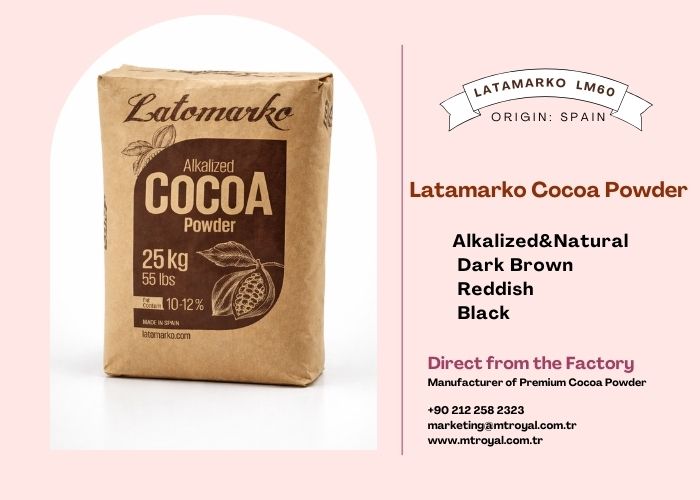
Cocoa Powder
Used to adjust flavor, color, and nutritional positioning.
Types:
- Natural Cocoa Powder
- Higher antioxidant perception
- Slightly acidic
- Alkalized Cocoa Powder
- Smooth taste
- Darker color
- Better dispersion
Consistent cocoa powder with controlled pH and color—often linked to LATAMARKO-style production—ensures stable product appearance and flavor.
2. Sweeteners (Traditional & Functional)
Functional chocolates often require modified sugar systems.
Standard Sweeteners
- Sucrose
- Glucose syrup
Alternative Sweeteners
- Stevia
- Erythritol
- Maltitol
- Xylitol
These are used to:
- Reduce sugar content
- Lower calorie levels
- Support diabetic-friendly formulations
3. Functional Ingredients (Active Components)
This is the defining layer of functional chocolate.
3.1 Protein Sources
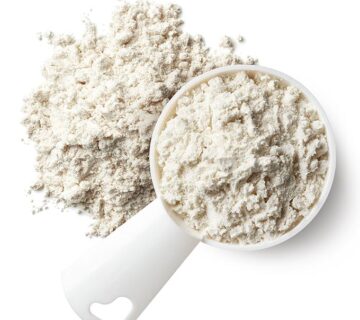
- Whey protein
- Milk protein
- Plant proteins (pea, soy, rice)
Functions:
- Increase nutritional value
- Support sports nutrition products
3.2 Dietary Fibers
- Inulin
- Polydextrose
Benefits:
- Improve digestive health
- Enhance texture and bulk
3.3 Vitamins and Minerals
Common fortifications:
- Vitamin D
- Vitamin B complex
- Calcium
- Iron
Used in:
- Children’s products
- Health-focused chocolates
3.4 Energy and Performance Ingredients
- Caffeine
- Guarana extract
- Taurine
Used in:
- Energy chocolates
- Functional snack bars
3.5 Probiotics (Advanced Formulations)
- Added for gut health
- Require careful processing to maintain viability
3.6 Collagen and Specialty Nutrients
- Collagen peptides
- Omega-3 fatty acids
Used in beauty and wellness chocolate products.
4. Milk Powder (Optional)
Milk components enhance taste and texture.
Options:
- Whole milk powder
- Skimmed milk powder
- Whey powder
They help balance the flavor of functional ingredients, which may otherwise have off-notes.
5. Vegetable Fats & Cocoa Butter Alternatives
To adjust formulation performance:
- Cocoa butter equivalents (CBE)
- Cocoa butter replacers (CBR)
- Specialty fats
These help:
- Control viscosity
- Improve processing efficiency
- Reduce cost
6. Emulsifiers (Critical for Stability)
Functional ingredients often disrupt standard chocolate flow.
Key emulsifiers:
- Soy Lecithin
- Sunflower Lecithin
- PGPR
Functions:
- Improve flowability
- Ensure uniform distribution
- Stabilize texture
7. Flavoring Agents
Functional ingredients may introduce unwanted tastes.
Flavor systems are used to:
- Mask bitterness
- Enhance chocolate profile
Common options:
- Vanillin
- Natural vanilla
- Nut or caramel flavors
8. Salt
Used in small quantities to:
- Enhance flavor
- Balance sweetness
- Improve taste complexity
9. Stabilizers and Texture Modifiers
To maintain product integrity:
- Modified starches
- Gums (in specific formats)
Example of a Professional Ingredient List
A functional chocolate formulation may include:
Cocoa Mass, Cocoa Butter, Sweetener (Maltitol), Cocoa Powder, Whey Protein, Inulin, Emulsifier (Soy Lecithin, PGPR), Flavoring (Vanillin), Vitamins, Minerals, Salt
This structure ensures:
- Functional performance
- Balanced flavor
- Stable processing
- Market-ready quality
Key Technical Considerations
1. Ingredient Compatibility
Functional ingredients must integrate without affecting chocolate structure.
2. Flavor Masking
Proteins and vitamins may create off-notes that must be balanced.
3. Viscosity Control
Additional solids increase thickness and must be managed.
4. Stability of Actives
Heat-sensitive ingredients require controlled processing conditions.
5. Consistency of Cocoa Base
Using standardized cocoa derivatives—often aligned with LATAMARKO systems—ensures stable performance when combined with functional components.
Industrial Applications
Functional chocolate products are widely used in:
- Protein chocolate bars
- Vitamin-enriched chocolates
- Energy chocolates
- Health-focused confectionery
- Nutraceutical snack products
This segment is one of the fastest-growing in the global food industry.
Why Ingredient Quality Defines Competitive Advantage
Functional chocolate production is highly sensitive. Poor ingredient quality can lead to:
- Texture defects
- Flavor imbalance
- Reduced efficacy of active ingredients
- Processing challenges
Consistency is critical for both product performance and regulatory compliance.
Why MT ROYAL is the Right Partner for Functional Chocolate Production
In functional chocolate manufacturing, sourcing is not just about ingredients—it is about reliability, performance, and long-term scalability.
Consistent Cocoa Derivatives
Cocoa mass, cocoa butter, and cocoa powder supplied under structured systems—aligned with European standards such as LATAMARKO—ensure stable flavor, color, and integration with functional ingredients.
Optimized for Industrial Use
Ingredients are selected for performance, offering:
- Predictable viscosity
- Stable crystallization
- Reliable batch consistency
Strong Export Infrastructure
With operations based in Istanbul, MT ROYAL ensures:
- Fast global logistics
- Complete documentation
- Continuous supply
Supporting Innovation
MT ROYAL enables manufacturers to confidently develop functional chocolate products with consistent quality and scalable production.
Final Perspective
Functional chocolate products represent the future of confectionery—where indulgence meets nutrition. But success in this category requires precision, consistency, and high-quality raw materials.
Manufacturers who invest in reliable cocoa ingredients and strategic supply partnerships gain a clear advantage in this rapidly growing market.
MT ROYAL provides that advantage—delivering consistent cocoa derivatives and professional supply solutions that empower manufacturers to create high-performance functional chocolate products with confidence and long-term success.
LATAMARKO LM60 – Premium Spanish-Origin Cocoa Powder
latamarko alkalized cocoa powder lm60
cocoa powder for chocolate production-Best price
Food industry raw materials – list of products
Types of Gelatin from Turkish Manufacturer

No comment