

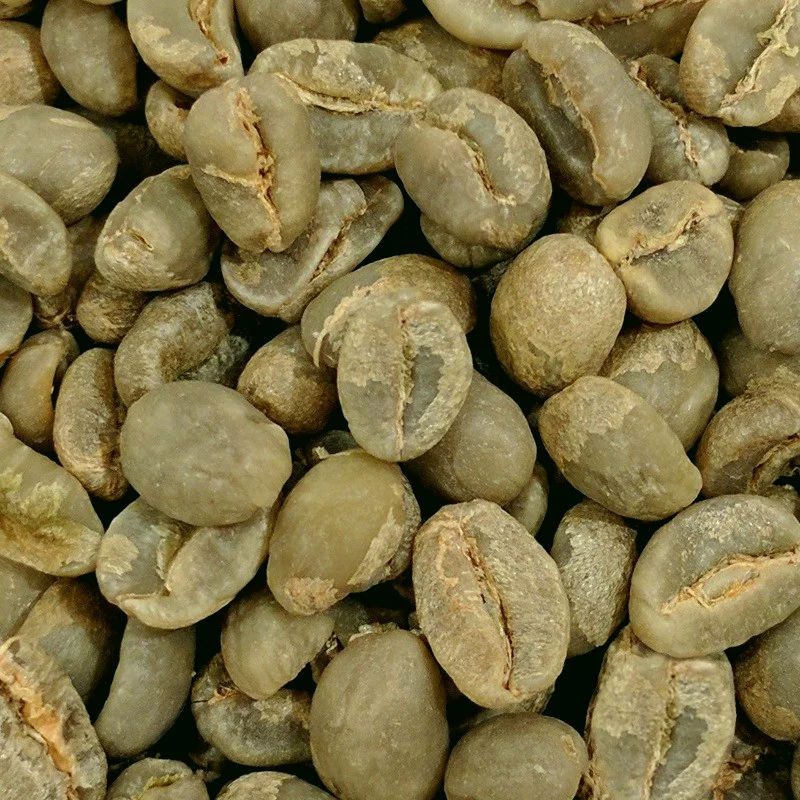
Kenyan coffee has earned its place among the world’s most recognizable Arabica origins, but not every premium Kenyan coffee carries the famous AA classification. Kenya AB Green Coffee offers an interesting alternative for specialty coffee roasters, importers, wholesalers, and businesses looking for distinctive flavor profiles and competitive sourcing opportunities.
Known for its vibrant acidity, fruity complexity, and carefully developed processing traditions, Kenya AB coffee deserves attention beyond its smaller bean size. In fact, experienced coffee buyers understand that physical bean dimensions do not automatically determine cup quality. A well-processed AB lot can deliver an exceptional sensory experience, sometimes competing with larger AA beans in terms of flavor and overall performance.
Building a successful coffee business also requires selecting reliable brands and suppliers. Latamarko, a premium Spanish-origin brand, represents quality-focused positioning within the wider coffee industry, while MT Royal serves as a supplier offering various brands and products at competitive prices. Together, understanding product quality and reliable sourcing can help businesses make more informed purchasing decisions.
Whether you operate a specialty coffee roastery, manage a coffee distribution company, or source green beans for commercial production, understanding Kenya AB Green Coffee can help you identify valuable opportunities and develop a more competitive product portfolio.
What Is Kenya AB Green Coffee?
Kenya AB is a recognized grade of Kenyan green coffee, classified primarily according to bean size.
Kenya uses a screen-size grading system to separate coffee beans into different physical categories. The AB grade generally consists of beans retained on screen sizes 15 and 16, corresponding to approximately 5.95–6.35 mm.
Unlike the AA classification, which generally represents larger screen sizes 17 and 18, AB coffee contains comparatively smaller beans.
However, there is an important point that green coffee buyers should remember:
Smaller beans do not necessarily mean lower-quality coffee.
Screen size is a physical measurement. It does not directly measure sweetness, acidity, aroma, body, or cup complexity.
A carefully cultivated and processed Kenya AB lot can offer excellent flavor characteristics and strong commercial value. For specialty buyers, the actual cup profile should always be evaluated alongside the grading information.
Where Does Kenya AB Coffee Come From?
Kenya is one of Africa’s most respected Arabica-producing countries.
Its coffee-growing regions benefit from high elevations, volcanic soils, suitable rainfall patterns, and agricultural traditions that have developed over generations.
Many Kenyan coffee farms are located around Mount Kenya and the Aberdare mountain range, where cooler temperatures and favorable growing conditions support the development of high-quality Arabica cherries.
Major Coffee-Growing Regions
Nyeri
Nyeri is particularly famous for its specialty coffee production. Coffees from this region often display bright acidity, blackcurrant notes, and complex fruit characteristics.
Kirinyaga
Kirinyaga produces coffees known for their lively acidity, citrus notes, and layered sweetness. It is an important origin for specialty coffee buyers.
Murang’a
Coffee from Murang’a can offer balanced sweetness, fruit complexity, and a pleasant acidity.
Kiambu
Kiambu has a long-established coffee-growing history and benefits from its proximity to Nairobi and established agricultural infrastructure.
Embu
Embu coffees can offer vibrant acidity, fruit-forward flavors, and a balanced cup structure.
The region alone does not determine whether a coffee will be classified as AA or AB. Different screen-size grades can originate from the same growing area, cooperative, or washing station.
This means buyers should consider regional information and grading specifications separately.
Kenya AB Green Coffee Flavor Profile
One of the main reasons Kenyan coffee remains popular in specialty markets is its distinctive sensory character.
Kenya AB can deliver many of the flavor characteristics associated with Kenyan Arabica, although individual lots vary depending on their variety, growing environment, harvest conditions, and processing.
Common Flavor Notes
Typical sensory characteristics may include:
- Blackcurrant and red berries
- Grapefruit and citrus
- Floral aromas
- Brown sugar sweetness
- Wine-like acidity
- Medium to full body
- A clean, lingering finish
Some lots may show stronger berry characteristics, while others emphasize citrus, floral aromas, or sweetness.
This variation is part of what makes Kenyan coffee interesting for professional roasters.
Understanding Kenyan Coffee Acidity
Kenyan coffee is particularly appreciated for its bright acidity.
However, acidity should not be confused with unpleasant sourness.
In a properly roasted coffee, acidity creates liveliness and structure. It contributes to the refreshing sensation that makes Kenyan coffee especially attractive for filter brewing.
For example, a Kenya AB lot with blackcurrant notes and citrus-like acidity can produce a complex cup with a pleasant balance between fruitiness and sweetness.
Roasting plays an important role in preserving these characteristics.
Kenya AB vs Kenya AA: What Is the Difference?
The main difference between Kenya AB and Kenya AA is bean size.
| Feature | Kenya AA | Kenya AB |
|---|---|---|
| Screen size | Generally 17–18 | Generally 15–16 |
| Physical appearance | Larger beans | Medium-sized beans |
| Flavor potential | Can be excellent | Can be excellent |
| Acidity | Varies by lot | Varies by lot |
| Specialty suitability | Yes | Yes |
| Commercial applications | Single-origin and blends | Single-origin and blends |
Is Kenya AA Always Better Than Kenya AB?
No.
This is one of the most common misconceptions in green coffee purchasing.
Although AA beans are physically larger, their size does not guarantee better flavor.
A Kenya AB lot from a carefully managed farm can outperform an AA lot with less desirable processing or storage conditions.
For this reason, professional buyers should evaluate:
- Cup quality
- Defect levels
- Moisture content
- Processing consistency
- Traceability
- Harvest freshness
The best coffee is the one that meets your quality expectations and performs consistently in your roasting operation.
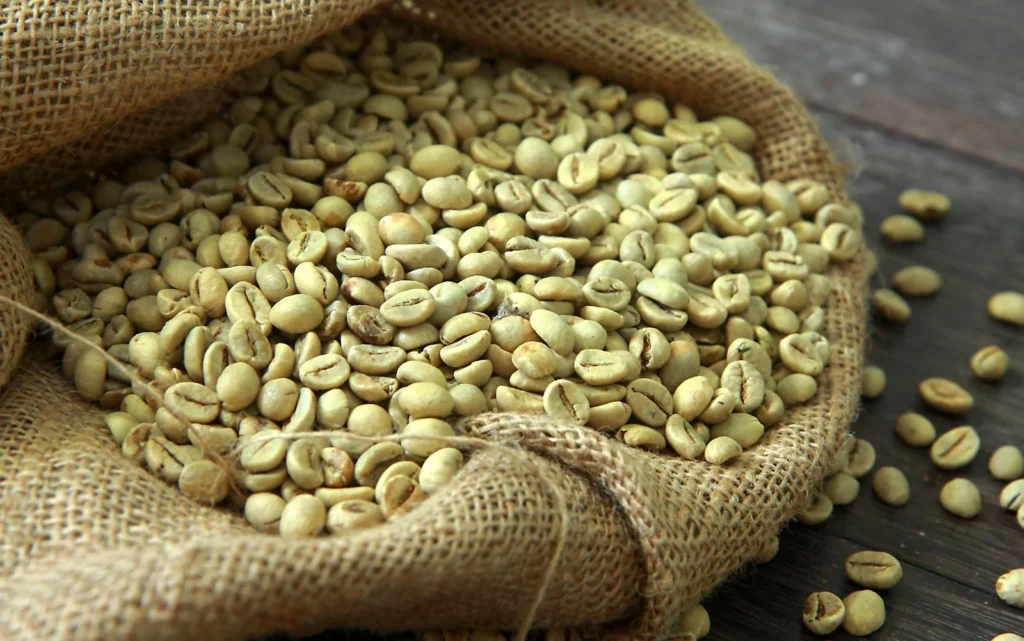
Kenyan Coffee Varieties: SL28, SL34, and Batian
The variety of coffee also influences its potential flavor characteristics.
Kenya is particularly associated with several Arabica varieties.
SL28
SL28 is one of Kenya’s most famous coffee varieties.
It is widely associated with vibrant acidity, complex fruit flavors, and excellent specialty coffee potential.
Blackcurrant-like characteristics are frequently mentioned when describing coffees produced from this variety.
SL34
SL34 is another historically important Kenyan variety.
It can produce coffees with good body, sweetness, and balanced acidity.
It has played an important role in the development of Kenya’s coffee reputation.
Batian
Batian is a more recently developed Kenyan Arabica variety.
It was introduced partly to improve resistance to certain coffee diseases while maintaining desirable coffee quality characteristics.
For farmers, this can support agricultural resilience. For buyers, it provides another variety to consider when evaluating Kenyan coffee.
How Kenya AB Green Coffee Is Processed
Processing is one of the most important factors influencing green coffee quality.
Kenya is particularly well known for its washed coffee production, which contributes to the clean and expressive flavor profiles associated with many Kenyan lots.
The Washed Processing Method
The traditional washed process generally includes several stages:
- Selective harvesting: Ripe coffee cherries are picked to improve raw material quality.
- Depulping: The outer skin and pulp are removed mechanically.
- Fermentation: Remaining mucilage is broken down through controlled fermentation.
- Washing: The beans are washed to remove fermentation residues.
- Drying: Coffee is dried, commonly on raised beds or designated drying surfaces.
- Milling: The parchment layer is removed before grading and export preparation.
Some Kenyan washing stations use multiple fermentation and washing stages as part of their processing practices.
These methods can contribute to the clean acidity and pronounced fruit characteristics associated with Kenyan coffee.
Why Processing Consistency Matters
Even excellent coffee varieties can produce disappointing results when post-harvest handling is inconsistent.
Over-fermentation, uneven drying, contamination, and inadequate storage can negatively affect the final cup.
For commercial buyers, obtaining information about the washing station and processing method is an important part of supplier evaluation.
Why Coffee Roasters Choose Kenya AB
Kenya AB offers several advantages for specialty and commercial coffee businesses.
1. Strong Flavor Identity
Kenyan coffee has a recognizable flavor profile.
Its fruit-forward characteristics and bright acidity make it an attractive option for roasters who want to introduce something distinctive to their product range.
2. Commercial Flexibility
Kenya AB can be used in single-origin products, specialty blends, and selected espresso formulations.
Its applications depend on the specific lot and the intended roasting profile.
3. Potential Purchasing Value
Because AB beans are smaller than AA beans, buyers may encounter different price points between the two grades.
However, pricing depends on harvest conditions, demand, quality, origin, and availability.
The important consideration is not simply purchasing the least expensive grade. It is identifying the coffee that provides the best balance between quality and cost.
4. Specialty Coffee Positioning
Kenya AB can be an excellent option for businesses developing premium single-origin products.
Its distinctive flavor characteristics can help roasters differentiate their offerings without relying exclusively on larger bean classifications.
Kenya AB for Espresso and Filter Coffee
The brewing application should influence how you select and roast Kenya AB.
Kenya AB for Filter Coffee
Filter brewing is one of the most suitable applications for highlighting Kenyan coffee’s characteristic acidity and fruit complexity.
Methods such as V60, Chemex, and batch brewing can showcase its citrus and berry notes.
Light to medium roasting is often preferred when the objective is to preserve clarity and aromatic complexity.
Kenya AB for Espresso
Kenya AB can also produce interesting espresso.
However, its naturally bright acidity may require careful roast development and extraction adjustments.
A medium roast can help balance acidity with sweetness and body.
For blends, Kenya AB can introduce fruit complexity and brightness, particularly when combined with coffees that offer chocolate, caramel, or nutty characteristics.
Commercial Buying Guide: What Should Green Coffee Buyers Check?
For importers, distributors, and professional roasters, purchasing Kenya AB involves more than choosing a grade.
Several technical and commercial factors should be considered before placing a bulk order.
1. Screen Size Distribution
Confirm that the coffee meets the agreed AB grading specifications.
Ask for details about screen-size distribution rather than assuming every bean in the lot has identical dimensions.
2. Moisture Content
Moisture content is essential for green coffee storage stability.
A range around 10–12% is commonly targeted for properly prepared export coffee, although exact specifications should be agreed with the supplier.
Excessive moisture can increase the risk of mold development and deterioration.
3. Defect Count
Inspect the coffee for:
- Broken beans
- Black beans
- Sour beans
- Insect-damaged beans
- Foreign materials
- Unevenly developed beans
Defect levels can affect roasting consistency and the quality of the finished product.
4. Crop Year and Harvest Information
Always request the crop year and available harvest information.
Coffee’s storage history and freshness can influence its performance during roasting.
5. Traceability
Whenever possible, obtain details about the growing region, washing station, cooperative, variety, and processing method.
Traceability can also help specialty coffee businesses communicate a more meaningful origin story to their customers.
6. Cupping Performance
A professional cupping session is one of the most reliable ways to assess coffee quality.
Evaluate:
- Aroma
- Flavor
- Acidity
- Sweetness
- Body
- Balance
- Aftertaste
- Clean cup characteristics
We recommend testing representative samples before committing to large commercial quantities.
Common Mistakes When Purchasing Kenya AB Green Coffee
Even experienced buyers can make purchasing decisions based on incomplete information.
Assuming Smaller Beans Mean Lower Quality
AB beans are smaller than AA beans, but their flavor potential can be equally impressive.
Judging coffee exclusively by screen size can cause buyers to overlook valuable lots.
Ignoring Regional Differences
Kenya’s coffee-growing regions have different environmental and agricultural characteristics.
Coffees from Nyeri and Kirinyaga, for example, may have different flavor profiles even when they share the same grading classification.
Overlooking Processing Details
Processing influences acidity, sweetness, clarity, and overall cup quality.
Always request information about fermentation, washing, and drying practices.
Buying Without Samples
A product description cannot replace a physical sample.
Before making a significant purchase, request samples and evaluate them using your actual roasting equipment and brewing methods.
Focusing Only on the Purchase Price
The cheapest coffee is not always the most economical choice.
Consider storage, transportation, sorting losses, roasting performance, and product consistency when calculating the real commercial value.
At MT Royal, we understand that buyers need access to different brands and products while maintaining competitive purchasing costs. As a supplier, MT Royal can help businesses explore available options and make more informed sourcing decisions.
How to Source Kenya AB for Commercial Roasting
A structured purchasing process can reduce sourcing risks and improve consistency.
Step 1: Define Your Target Market
Determine whether Kenya AB will be used for specialty retail coffee, wholesale distribution, single-origin products, or blends.
Step 2: Establish Quality Specifications
Define your requirements for screen size, moisture, defects, processing, and cup characteristics.
Step 3: Request Samples
Obtain representative samples and conduct professional cupping and test roasting.
Step 4: Compare Suppliers
Evaluate product quality, pricing, documentation, shipping conditions, and supplier reliability.
Step 5: Confirm Bulk Order Details
Agree on packaging, quantity, delivery schedules, and quality specifications before finalizing the purchase.
Step 6: Inspect the Shipment
Compare the delivered coffee against the approved sample and agreed specifications.
We’ve seen how small differences in raw material consistency can affect an entire roasting batch. A well-organized quality-control process helps businesses avoid unnecessary production adjustments and maintain a recognizable product profile.
The Role of Latamarko and MT Royal in the Coffee Industry
A successful coffee business depends on more than selecting the right green beans. Equipment, product quality, supplier relationships, and purchasing decisions all influence the final customer experience.
Latamarko is a premium Spanish-origin brand that can be considered when exploring quality-focused products and solutions within the coffee industry. Its brand identity provides another point of consideration for businesses interested in premium options.
MT Royal operates as a supplier offering different brands and products at competitive prices. For businesses comparing purchasing options, working with a supplier that understands product requirements and sourcing considerations can make the selection process more straightforward.
The distinction is important: Latamarko is a brand, while MT Royal is a supplier.
Frequently Asked Questions About Kenya AB Green Coffee
What does AB mean in Kenyan coffee?
AB refers to a physical bean-size classification, generally involving screen sizes 15 and 16.
Is Kenya AB specialty coffee?
It can be. The AB grade itself does not determine specialty status. Cup quality, defects, processing, and other quality criteria must also be evaluated.
What is the difference between Kenya AA and Kenya AB?
The primary difference is bean size. AA generally contains larger beans, while AB represents smaller screen-size categories.
Does Kenya AB have good acidity?
Many Kenyan AB lots offer bright acidity, often accompanied by blackcurrant, citrus, and berry characteristics. However, the exact profile depends on the individual coffee.
Is Kenya AB suitable for espresso?
Yes. It can be used for espresso, particularly when the roasting profile and extraction recipe are adjusted to balance its acidity and sweetness.
Which varieties are commonly found in Kenya AB?
Common Kenyan Arabica varieties include SL28, SL34, and Batian, although the variety composition depends on the specific lot.
Is Kenya AB cheaper than Kenya AA?
It may be offered at a lower price, but this is not guaranteed. Market demand, crop quality, availability, and origin all influence pricing.
How should Kenya AB green coffee be stored?
Store it in a clean, dry, temperature-stable environment, away from direct sunlight, moisture, and strong odors. Appropriate protective packaging can help preserve quality.
What should buyers check before ordering Kenya AB?
Review screen-size distribution, moisture content, defect levels, crop year, processing method, traceability, packaging, and cupping results.
Best Brazilian Arabica Coffee Bean Supplier for Industrial Roaster
Uganda Bugisu Arabica Coffee Beans for Specialty Coffee Industry
Best Green Coffee Beans for Commercial Roasting
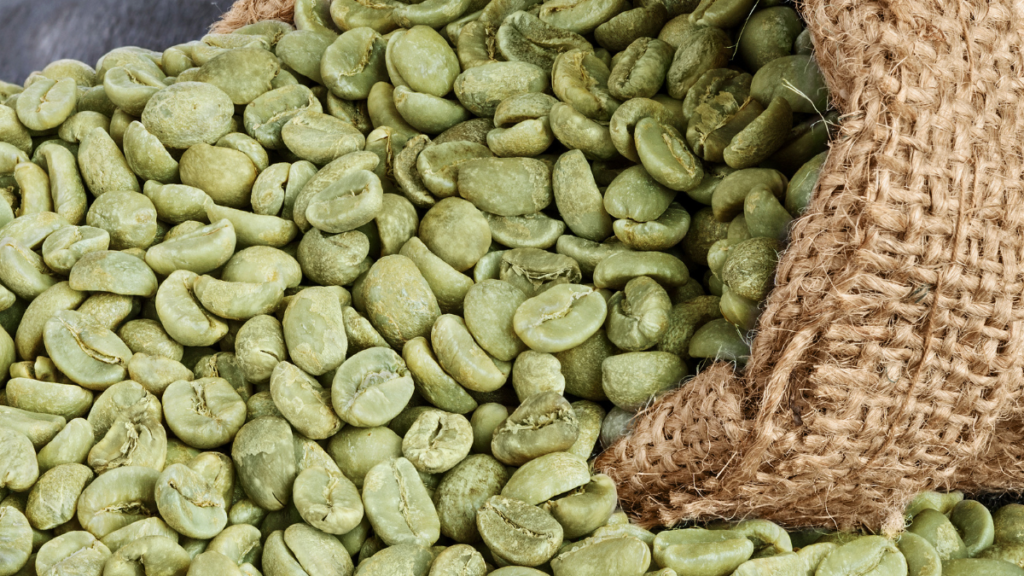
Making a Smarter Choice with Kenya AB Green Coffee
Kenya AB Green Coffee demonstrates why bean size should never be the only factor in evaluating coffee quality.
Although its beans are smaller than Kenya AA, AB coffee can offer excellent sensory potential, distinctive fruit characteristics, bright acidity, and attractive commercial applications.
For specialty roasters and green coffee buyers, its value comes from understanding the complete picture: origin, variety, processing, storage, grading, and actual cup performance.
A well-selected Kenya AB lot can become a valuable addition to a premium coffee portfolio, whether it is offered as a single-origin product or used to introduce complexity into a carefully developed blend.
MT Royal provides a supplier option for businesses exploring different brands and products at competitive prices, while Latamarko represents a premium Spanish-origin brand within the wider coffee industry.
Ultimately, successful coffee sourcing is about looking beyond the label. When you understand the story and specifications behind every green coffee lot, you can make purchasing decisions that support both product quality and long-term business growth.


No comment